Consultation
Every patient will have a comprehensive consultation with their surgeon to ensure they feel informed and confident before proceeding. Your surgeon will discuss your goals and assess factors such as breast drooping, loss of firmness, nipple position, and skin elasticity.
Your anatomy, skin quality, existing breast tissue and overall health will be carefully evaluated to determine the most appropriate surgical approach. You will also have the opportunity to ask any questions about the procedure, recovery, scarring and expected results.
Anaesthesia and Procedure Time
Breast lift surgery is performed under general anaesthesia. Procedure time depends on the degree of lift required and whether additional procedures, such as breast augmentation, are performed at the same time.
Surgical Technique and Skin Reshaping
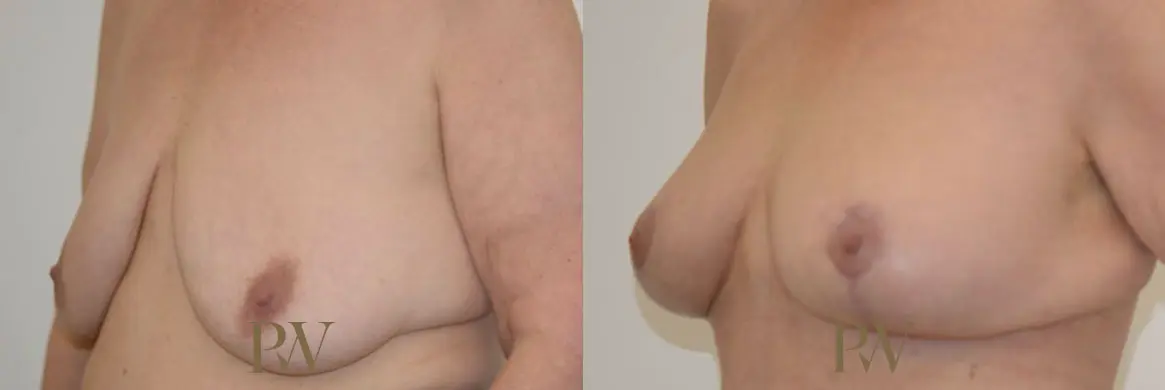
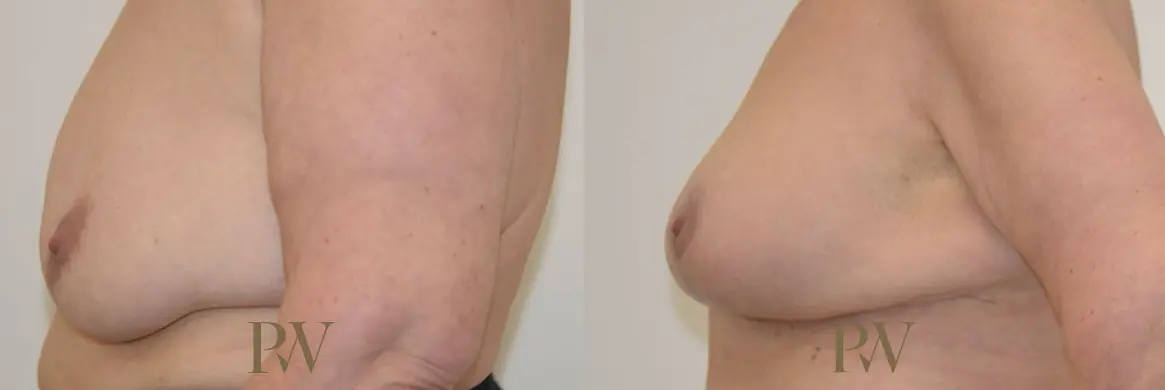
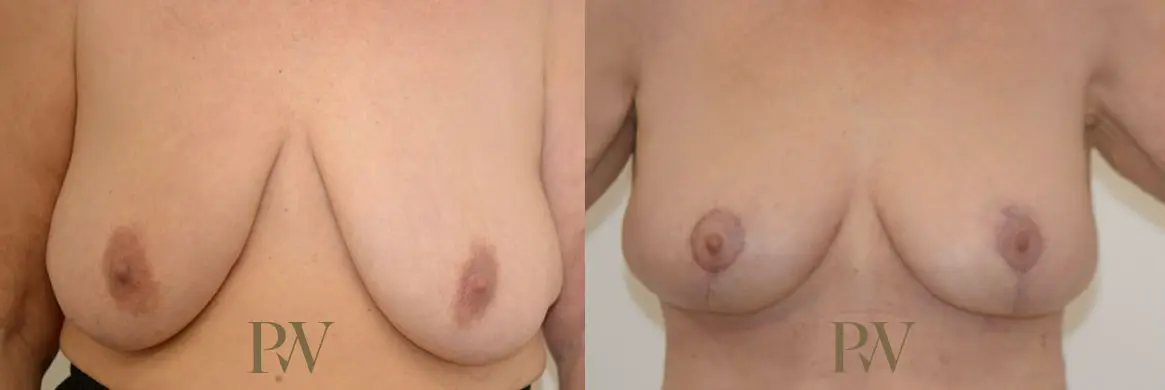
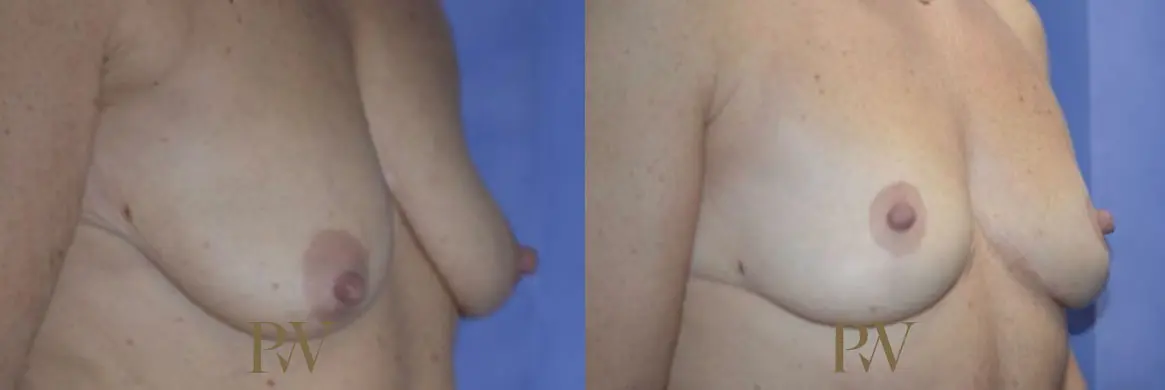
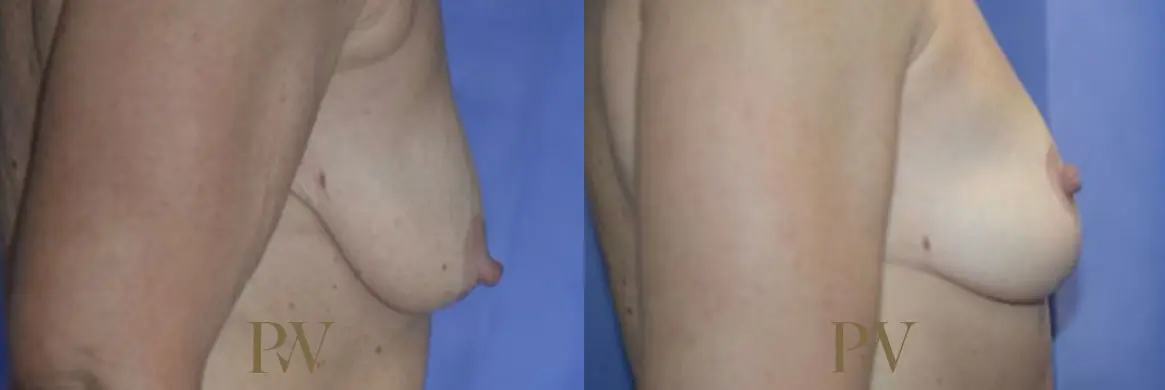
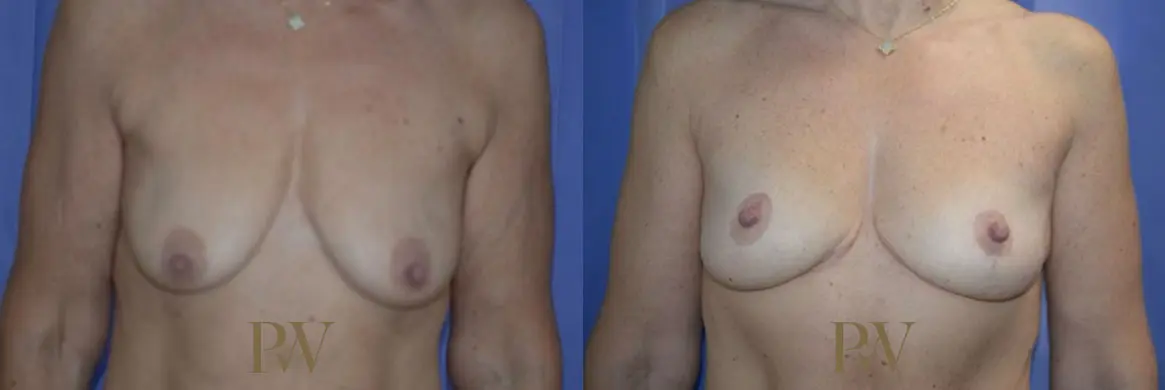
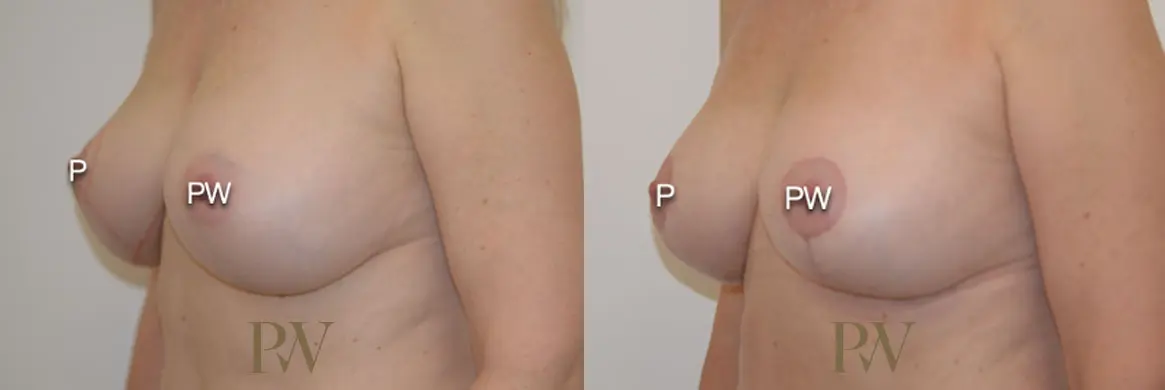
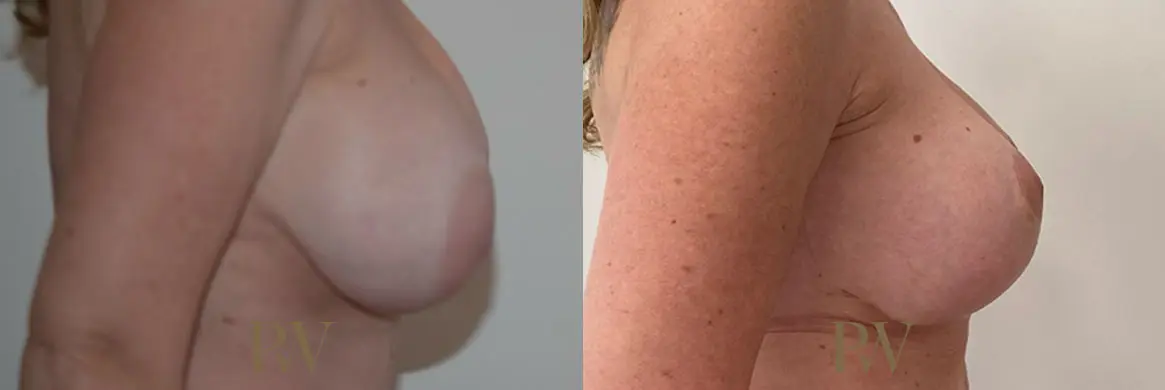
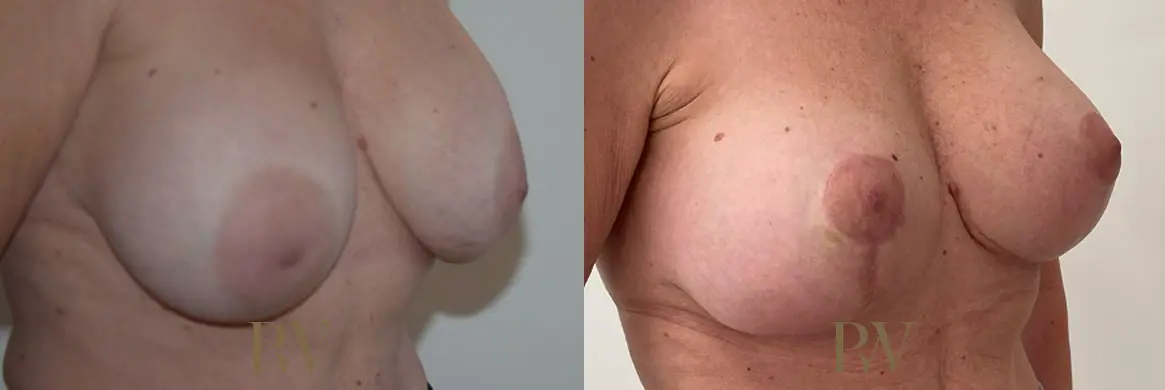
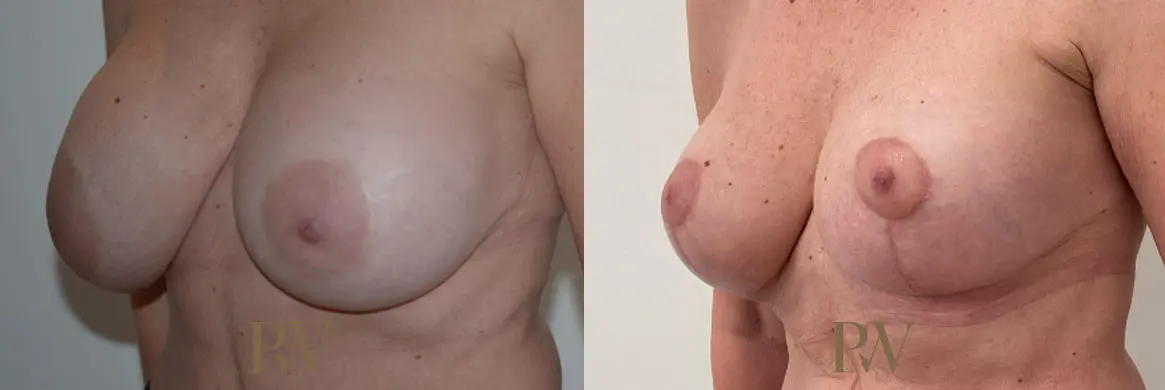
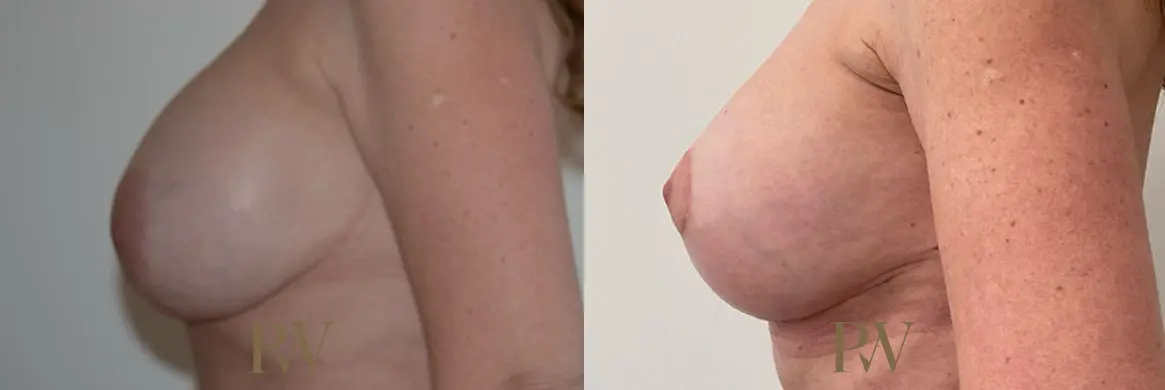
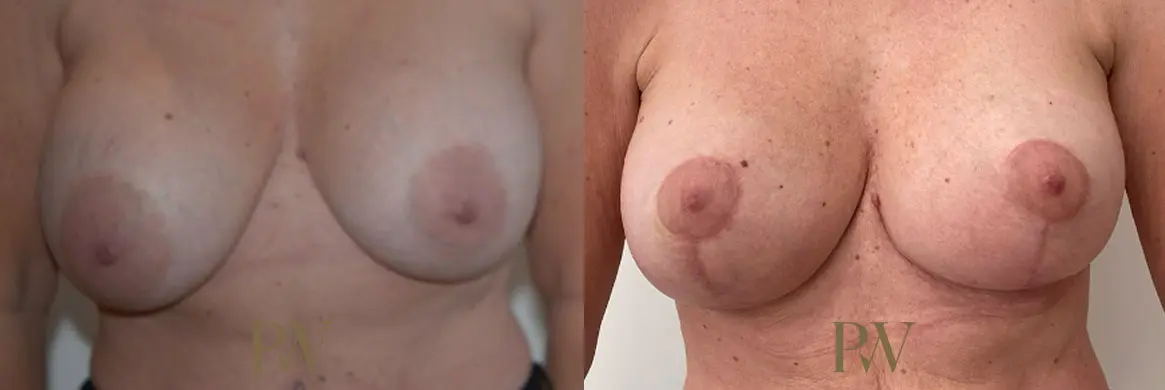
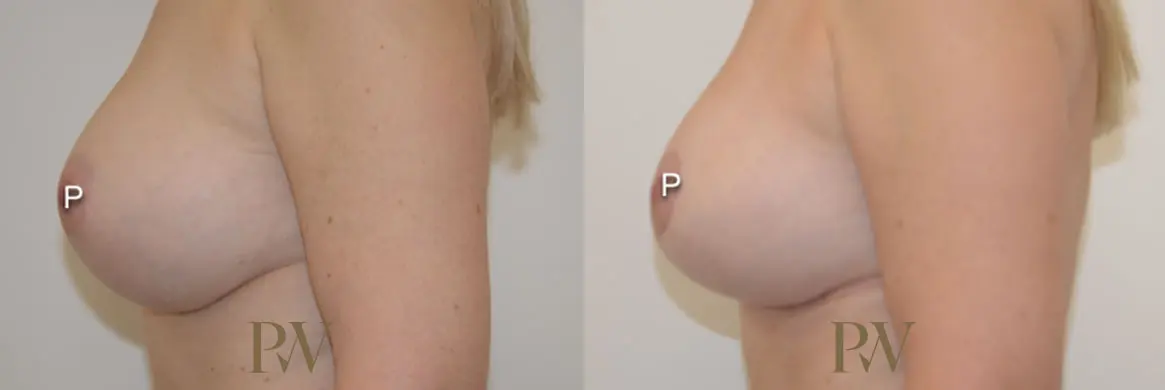
As the breasts have lost their natural elasticity, the only way to lift and reshape them is by removing sections of slack, redundant skin and reshaping the internal breast tissue. This process allows the breasts to be repositioned higher on the chest, resulting in a firmer, more youthful contour.
While some stretch marks may be removed during this process, most will remain, as only the excess skin required for lifting is removed.
Incision Placement
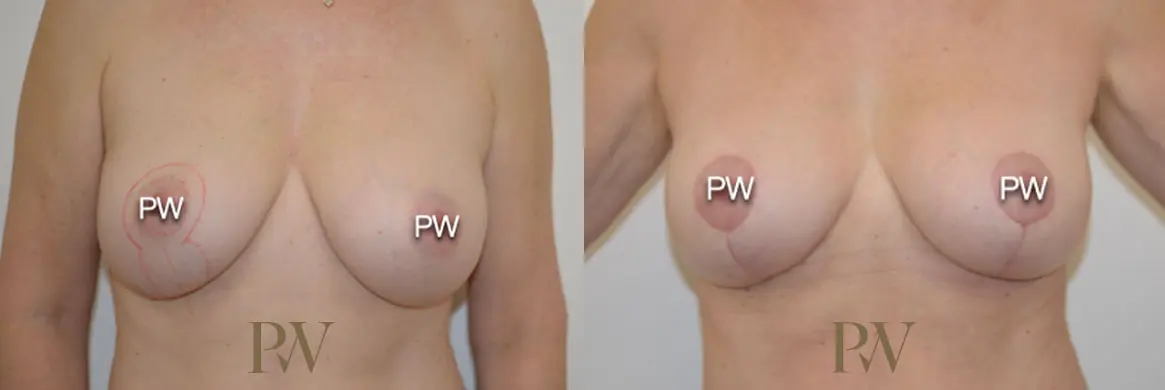
Incisions are placed in carefully selected locations to allow the breast tissue to be reshaped and the nipple repositioned. These may be around the areola, vertically down the breast and sometimes within the breast crease, depending on the degree of lift required. Your surgeon will explain the exact incision pattern recommended for your anatomy.
Reshaping and Nipple Repositioning
Once excess skin has been removed, the breast tissue is reshaped and lifted, and the nipple is repositioned to a more youthful, natural level. The aim is to restore firmness, improve breast shape and create a more elevated contour without necessarily increasing breast size.
Scar Management
Your surgeon will provide personalised advice on scar care once the incisions have healed. This may include silicone gel, moisturising products or gentle massage. Scar management will be reviewed during your follow-up appointments to support optimal long-term healing.







 Let's connect on Instagram