




Treatment body
Sculpt and define your body with VASER liposuction. This precision procedure uses ultrasound energy to remove stubborn fat and reveal smoother, more defined contours.
TrustScore 4.8 | 54 reviews
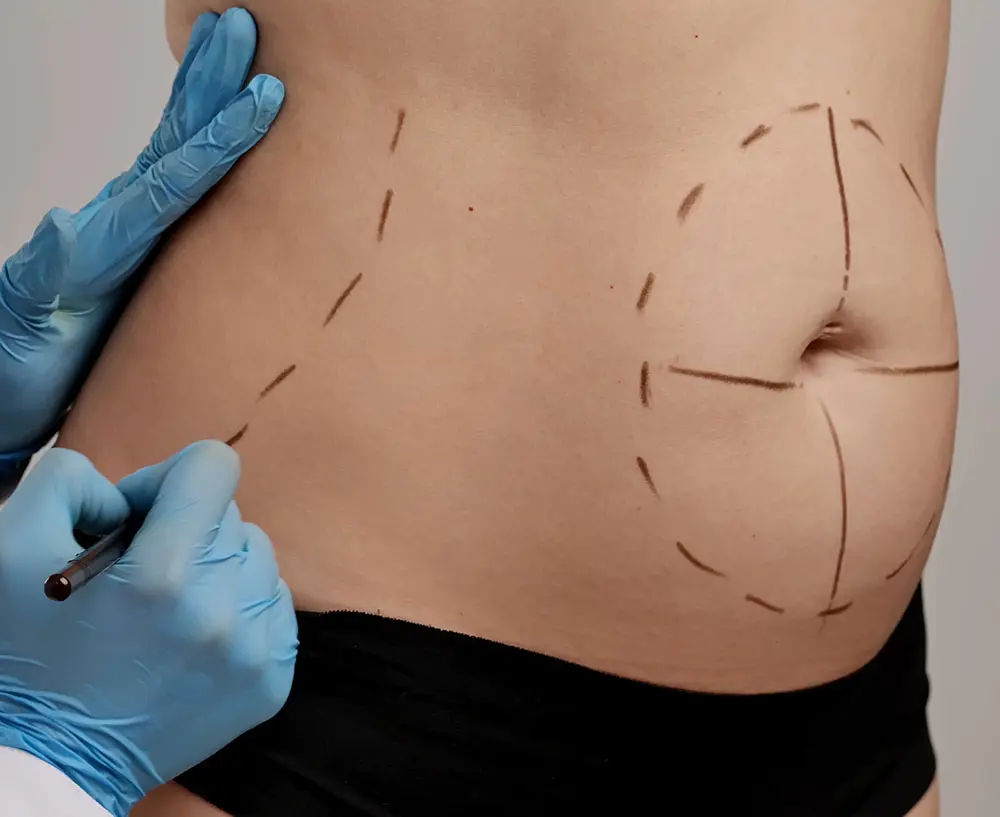
Stubborn pockets of fat can develop in areas such as the abdomen, flanks, chest, arms or inner thighs and may persist even with regular exercise and a healthy lifestyle. VASER liposuction offers a precise way to address these concerns by using ultrasound-assisted technology to help break down fat before it is removed.
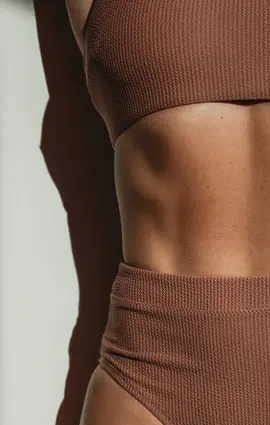
This technique allows Mr Wilson to selectively target areas of unwanted fat while refining the body’s natural contours. For suitable patients, VASER liposuction may also be used as part of high-definition body sculpting, aiming to create a leaner, more athletic-looking silhouette by enhancing the existing body shape and definition.
At Paul Wilson Aesthetics, VASER liposuction is tailored to your anatomy, treatment goals and desired outcome, with a personalised approach to help achieve balanced, natural-looking body contouring.
About
VASER liposuction is an advanced form of liposuction that uses ultrasound energy to help break down fat before it is removed from the body. VASER stands for Vibration Amplification of Sound Energy at Resonance, referring to the targeted sound waves used to loosen fat cells while helping to preserve surrounding tissues.
Once the fat has been softened, it is removed through a fine cannula using gentle suction. This approach allows for controlled fat removal and can be particularly useful in areas where more detailed contouring is desired, such as the abdomen, waist, chest, arms and flanks.
VASER liposuction may be suitable for a range of treatment areas, including smaller or more defined zones where precision and contouring are important. For appropriate patients, it can also be used as part of high-definition body sculpting, aiming to refine natural contours and enhance the appearance of underlying muscle definition.
The procedure may be performed on its own or combined with other treatments such as abdominoplasty or arm reduction, depending on your anatomy, goals and overall treatment plan.
Differences
The key difference between VASER liposuction and traditional liposuction is the way fat is prepared before removal. Traditional liposuction uses the movement of a cannula to loosen and remove fat directly. VASER liposuction uses ultrasound energy first to help break down and soften fat cells before they are gently suctioned away.
This additional step may allow for more controlled fat removal, particularly in areas where definition and contour are important. Mr Wilson can recommend the most appropriate technique based on your anatomy, the areas being treated, skin quality and the result you are hoping to achieve.
Treatment Areas
VASER liposuction can be used to treat a range of areas where stubborn fat may persist despite regular exercise and a healthy lifestyle. Common areas treated with VASER liposuction include:
Your suitability for VASER liposuction will depend on factors such as your anatomy, skin quality, treatment goals and overall health.
benefits
VASER liposuction may offer several benefits for suitable patients seeking a more refined body contour. As the technique uses ultrasound energy to break down fat before removal, it enables precise, controlled sculpting in selected areas.
Potential benefits of VASER liposuction may include:
The benefits of VASER liposuction vary from patient to patient and depend on factors such as skin quality, treatment area, anatomy, healing and the amount of fat being removed.
candidates
VASER liposuction may be suitable for individuals seeking to address stubborn fat in specific areas rather than achieve significant weight loss. It is generally most appropriate for patients who are close to a stable weight and want to improve contour, definition or proportion in selected areas.
You may be a suitable candidate for VASER liposuction if you:
Your suitability will be assessed during consultation, where Mr Wilson will consider your anatomy, skin quality, treatment goals, medical history and whether VASER liposuction is the most appropriate option for you.
What to expect
Your treatment begins with a detailed consultation, during which Mr Wilson will assess the areas you would like to treat, review your skin quality, and discuss the level of contouring or definition you hope to achieve. Your fat distribution, skin elasticity, general health and medical history will all be considered to determine whether VASER liposuction is an appropriate option for you.
If you are considering VASER liposuction as part of a broader body contouring plan, Mr Wilson can also explain whether it may be suitable to combine it with another procedure, such as an arm lift, abdominoplasty or other surgical contouring treatment.
VASER liposuction may be performed under local anaesthetic with sedation or under general anaesthesia, depending on the areas being treated and the extent of the procedure. It is often performed as a day procedure, though this will depend on your individual treatment plan.
Procedure time varies depending on the number, size and complexity of the treatment areas. Smaller areas may take less time, while multiple or more detailed areas may take several hours.
Small incisions, usually only a few millimetres in length, are made in discreet locations where possible. These incisions allow Mr Wilson to insert the ultrasound probe and cannula used during the procedure. He will explain where these incisions are likely to be placed during your consultation.
During the procedure, a specialised probe delivers ultrasound energy to the targeted area. This helps break down and soften the fat before it is removed through a fine cannula using gentle suction. Mr Wilson will carefully work through the treatment areas to refine the contour and achieve a result suited to your anatomy and goals.
Where appropriate, VASER liposuction may be combined with another procedure to address concerns that fat removal alone cannot improve, such as loose skin, tissue laxity or more significant reshaping needs.
Once the procedure is complete, the incisions may be closed with fine sutures or left to heal naturally, depending on their size and position. A compression garment is usually fitted after surgery to support the treated area, help manage swelling and assist the skin as it settles over the new contour.
As VASER liposuction uses small access incisions, scarring is generally limited. Mr Wilson will provide advice on scar care once the incisions have healed. This may include silicone gel, scar massage or other measures to support healing and scar maturation.
Recovery
Recovery from VASER liposuction varies from person to person and depends on the number of areas treated, the volume of fat removed, the degree of contouring performed and your natural healing response. Most patients have their VASER liposuction procedure performed as a day procedure, although some may stay overnight.
Swelling, bruising and mild discomfort are normal in the early stages and can usually be managed with prescribed pain relief. Treated areas may feel firm, tender or numb for several weeks as the tissues settle and heal.
Compression garments are usually worn for several weeks after VASER liposuction to help reduce swelling, support the treated areas and assist the skin as it adapts to the new contours.
Most patients can return to work within one week, depending on the extent of treatment and the nature of their job. Light exercise and driving can typically resume after a couple of weeks, while strenuous activity and heavy lifting should be avoided until cleared by Mr Wilson.
Visible improvements become more noticeable as swelling gradually settles, with contour and definition continuing to refine over several months. Final results typically develop as the tissues heal and the skin adjusts to its new shape. Expect early results at 3 months and longer term results at 1-2 years.
You will receive detailed aftercare instructions and attend scheduled follow-up appointments so Mr Wilson can monitor your recovery. Manual lymphatic drainage may also be recommended to help manage swelling and support a smoother healing process.
Risks & complications
As with any surgical procedure, VASER liposuction carries certain risks. While complications are uncommon, it is important to understand the possible risks before deciding whether the procedure is right for you.
Potential risks and complications may include:
Mr Wilson will discuss the risks most relevant to your procedure, health and treatment plan during your consultation so you can make an informed decision.
The cost of VASER liposuction in the UK varies depending on several factors, including the number and size of areas being treated, the amount of fat being removed, the type of anaesthesia required, and the complexity of the procedure. A personalised quote will be provided following your consultation, and once Mr Wilson has determined the most appropriate treatment plan to meet your goals.
Surgeon
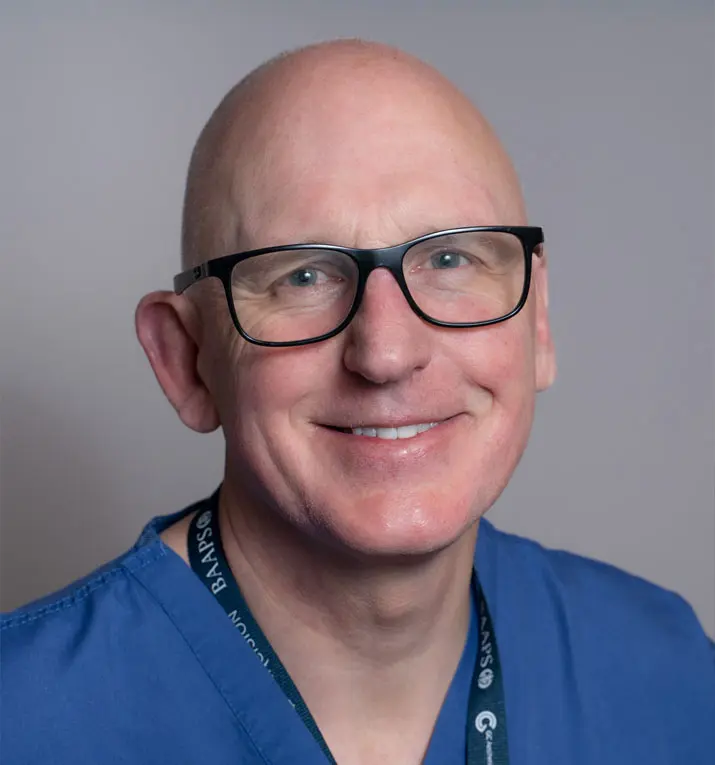
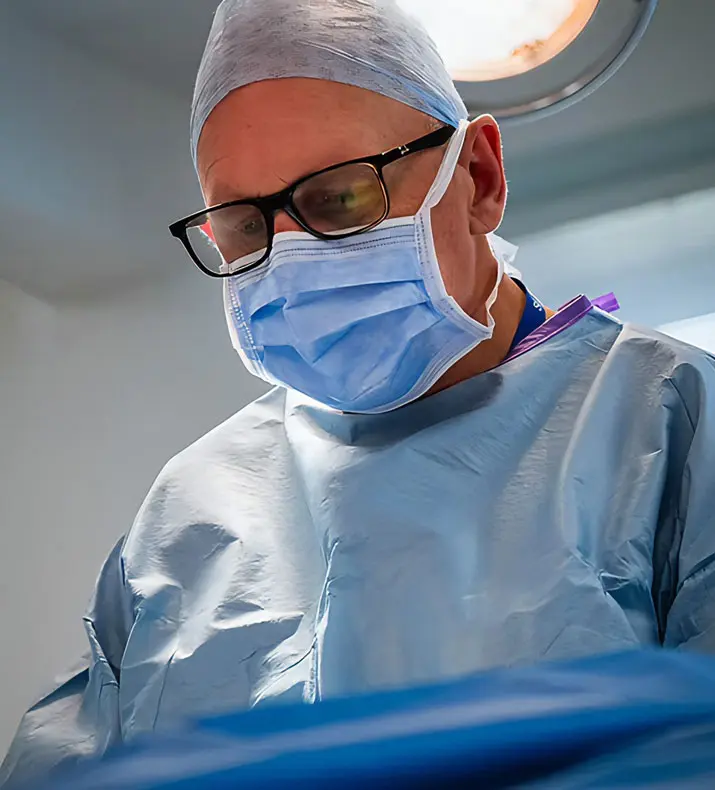
Mr Paul Wilson is a Consultant Plastic Surgeon with qualifications in both medicine and dental surgery. With extensive training in plastic, reconstructive and maxillofacial surgery, he brings a high level of expertise to facial aesthetics, body contouring and complex reconstructive procedures.
In both his NHS and private practice, Mr Wilson is known for his patient-focused approach, careful surgical planning, and commitment to achieving balanced, natural-looking results tailored to each individual.
Mr Wilson is also a certified Total Definer, having completed the Total Definer course in advanced VASER liposculpture with Dr Alfredo Hoyos, the surgeon who pioneered high-definition liposuction.
As with any surgical procedure, VASER liposculpture carries risks, results vary from person to person, and it isn’t suitable for everyone. That’s why every patient has a full consultation with Mr Wilson to discuss suitability, expectations and options before proceeding.
FAQ
The cost of VASER liposuction in the UK varies depending on the number and size of areas treated, the amount of fat being removed, the type of anaesthesia required and the complexity of the procedure. As each treatment plan is tailored to the individual, you will receive a personalised quote after your consultation.
The main difference is how the fat is treated before removal. Traditional liposuction removes fat directly using a cannula, while VASER liposuction uses ultrasound energy to help break down and soften fat before it is removed. This can allow for more controlled sculpting, particularly in areas where contour and definition are important.
The fat cells removed during VASER liposuction do not grow back. However, remaining fat cells can still enlarge with weight gain, so maintaining a stable weight and healthy lifestyle can help preserve your results over time.
Recovery varies depending on the number of areas treated, the extent of fat removal and your natural healing response. Many patients return to desk-based work within a few days to one week, while more strenuous exercise should be avoided until your surgeon confirms it is safe. Swelling can continue to settle over several months.
You may notice early changes once the initial swelling begins to reduce. However, final results usually develop gradually over three to six months as the tissues heal, swelling settles, and the skin adapts to the new contour.
VASER liposuction is primarily a fat-reduction and body-contouring procedure. Some patients with good skin elasticity may notice a degree of skin retraction, but it is not designed to remove significant loose skin. If skin laxity is a concern, Mr Wilson may discuss whether another procedure, such as an arm lift or abdominoplasty, may be more appropriate.
VASER liposuction is performed with anaesthesia, so you should not feel pain during the procedure. Some discomfort, tenderness, bruising and swelling are common during recovery and can usually be managed with prescribed pain relief.
Schedule your consultation
Patients choose Paul Wilson Aesthetics not only for the team’s surgical expertise, but also for their thoughtful, honest and patient-centred approach to aesthetic care. To get started, book a consultation where our team will discuss your concerns, outline your goals and determine if bra-line back lift surgery is the right option for you.
Join us on Instagram
Discover behind-the-scenes moments, patient transformations, expert tips, and the latest in surgical treatments – all in one place.
Open Preservation Rhinoplasty | Before & After
This patient presented for a consultation with both functional and aesthetic concerns.
She had experienced several previous nasal injuries, including a horse-riding accident, a netball incident, and a facial injury. Although she had undergone a septoplasty in 2022, she was still experiencing intermittent breathing difficulties, shifting between the right and left sides.
Aesthetically, her primary concerns were a dorsal hump and the droopiness of her nasal tip.
On assessment, her nose was reasonably straight, with a dorsal hump created by a combination of prominent nasal bones and increased septal height. There was also slight nostril asymmetry and some external valve collapse on the right side, meaning the outer wall of the nostril could collapse slightly during sharp, deep breathing.
A CT scan revealed a relatively straight septum, with only a small posterior deviation, clear sinuses, and normal-sized turbinates.
An open preservation rhinoplasty was performed.
The plan was to refine the dorsal hump, create a gentle curve to the nose, improve the tip position, and achieve as much symmetry as possible while respecting the patient`s existing anatomy.
Rhinoplasty planning is never about chasing perfection. The aim is to make a considered improvement that looks balanced, functions well, and remains in keeping with the rest of the face.
The result shown here is part of that process, with healing continuing over time.
Patient images shown with consent.
🏥 Paul Wilson Aesthetics
📍 Northwood Hospital, Bristol, UK
📞 0117 332 1585 | 07480 125 890
📧 info@paulwilsonaesthetics.co.uk
A rhinoplasty consultation is not just about examining the nose.
It is about understanding the patient, their anatomy, their breathing, and their reasons for considering surgery.
In this video, Mr Wilson explains what happens during a rhinoplasty consultation at Paul Wilson Aesthetics.
Patients are seen personally by Mr Wilson at Northwood Hospital in Bristol. The consultation includes a full medical history, a discussion about aesthetic concerns, breathing and functional symptoms, previous injuries or surgery, and the support available at home after the procedure.
The nose is then carefully assessed, as rhinoplasty always addresses both form and function.
Two-dimensional photographs are taken for medical records, and 3D Vectra imaging may also be used to aid in planning the procedure. This allows Mr Wilson and the patient to visually discuss possible changes and ensure expectations are aligned before surgery.
The aim is not to promise a precise, screen-generated result.
It is to understand what the patient hopes to achieve, what is surgically attainable, and how to meticulously plan the operation.
🏥 Paul Wilson Aesthetics
📍 Northwood Hospital, Bristol, UK
📞 0117 332 1585 | 07480 125 890
📧 info@paulwilsonaesthetics.co.uk
Open Septorhinoplasty | Before & After
This patient had previously undergone rhinoplasty and otoplasty at the age of 23, which included the reduction of a dorsal hump.
Over time, he began to notice increasing droopiness of the nasal tip. He had also broken his nose as a child during gymnastics, although his breathing was otherwise good.
On assessment, he presented with a long, straight nose and a dependent, droopy, and slightly asymmetric tip. There was a mild deviation of the nose to the left, but no remaining bony hump. The septum appeared straight.
One of the key findings was the acute angle between the base of the nose and the upper lip. Simply lifting the tip helped to improve the appearance of the nose and also made it appear straighter.
In this case, an open septorhinoplasty was performed under general anaesthetic.
Revision rhinoplasty requires careful planning, particularly when the nose has been previously operated on. The existing structure, scar tissue, tip support, and previous surgical changes all need to be considered before any further refinement is made.
The aim was to improve tip position and support, address the asymmetry, and create a more balanced nasal profile while working with the patient`s existing anatomy.
The result shown here is part of that process, with healing continuing over time.
Patient images shown with consent.
🏥 Paul Wilson Aesthetics
📍 Northwood Hospital, Bristol, UK
📞 0117 332 1585 | 07480 125 890
📧 info@paulwilsonaesthetics.co.uk
A bump on the bridge of the nose can change the entire facial profile.
For many patients, a dorsal hump is the feature they notice most in side-profile photos or from certain angles. It may be part of the natural nasal structure, or it may appear more pronounced after trauma or injury.
However, a dorsal hump is never treated as just a "bump".
The bridge, tip, septum, nasal bones, and facial proportions all need to be assessed together before any surgical plan is made.
At Paul Wilson Aesthetics, rhinoplasty planning focuses on refining the nasal profile in a way that remains balanced with the individual face.
Depending on the anatomy, this may involve preservation rhinoplasty or structural rhinoplasty.
The aim is not a perfect nose.
It is a considered, proportionate result that suits the patient.
🏥 Paul Wilson Aesthetics
📍 Northwood Hospital, Bristol, UK
📞 0117 332 1585 | 07480 125 890
📧 info@paulwilsonaesthetics.co.uk
#paulwilsonaesthetics #dorsalhump #rhinoplastybristol #preservationrhinoplasty #northwoodhospital
When rhinoplasty does not go as expected, subsequent operations are rarely simple.
Revision rhinoplasty often involves navigating scar tissue, altered anatomy, reduced cartilage support, and the outcomes of previous surgery.
In this reel, Mr Wilson explains why patients seek him out for revision rhinoplasty and why this type of surgery demands meticulous planning, extensive experience, and candid discussions.
Additional support may sometimes be required, utilising cartilage from the ear or rib, fascia, or fat grafting.
This also underscores the importance of aftercare. Should concerns arise post-surgery, patients need assurance that they will receive proper review, support, and care.
Revision rhinoplasty is not merely about re-shaping the nose.
It involves comprehending previous interventions, assessing current possibilities, and meticulously planning the subsequent stage.
🏥 Paul Wilson Aesthetics
📍 Northwood Hospital, Bristol, UK
📞 0117 332 1585 | 07480 125 890
📧 info@paulwilsonaesthetics.co.uk
#paulwilsonaesthetics #revisionrhinoplasty #rhinoplastysurgery #bristolplasticsurgeon #northwoodhospital
A blocked nose is not always "just congestion".
A deviated septum can make one side of the nose feel constantly blocked, affect airflow, and make breathing feel uneven.
The septum is the internal wall of bone and cartilage that separates the two nasal passages. When it sits off-centre, one side may become narrower, which can make breathing more difficult.
It is not always visible from the outside.
This is why assessment matters. The nose needs to be examined for both structure and function, especially when symptoms are linked with previous injury, nasal asymmetry, or ongoing obstruction.
Treatment may involve septoplasty to improve airflow, or septorhinoplasty when breathing concerns and external nasal shape need to be addressed together.
The aim is to understand what is causing the obstruction and choose the most suitable approach for the individual patient.
🏥 Paul Wilson Aesthetics
📍 Northwood Hospital, Bristol, UK
📞 0117 332 1585 | 07480 125 890
📧 info@paulwilsonaesthetics.co.uk
Dorsal Preservation Rhinoplasty | Before & After
This young patient desired refinement of her nasal profile and tip, aiming for a result that remained balanced with her facial features.
Her primary concerns included a prominent dorsum and a bulbous nasal tip.
In this case, an open tip rhinoplasty was performed, utilising piezo-electric surgery for surface reduction of the dorsum. A septal projection graft was also employed to support and define the nasal tip.
Piezo-electric surgery facilitates highly precise work on the nasal bones. This is particularly beneficial when reshaping the bridge of the nose, as it permits controlled refinement while preserving crucial surrounding structures.
The tip also necessitated meticulous planning. A bulbous tip is not merely reduced; it requires reshaping and support to ensure the final result remains stable as the nose heals.
This is where dorsal preservation rhinoplasty and tip definition must work in conjunction. The objective is not to create an entirely different nose, but to refine the existing structure in a manner that complements the individual`s face.
The result displayed here represents an stage of that process, with healing progressing over time.
Patient images shown with consent.
🏥 Paul Wilson Aesthetics
📍 Northwood Hospital, Bristol, UK
📞 0117 332 1585 | 07480 125 890
📧 info@paulwilsonaesthetics.co.uk
#paulwilsonaesthetics #dorsalpreservationrhinoplasty #rhinoplastybristol #piezoelectricsurgery #northwoodhospital
Rhinoplasty is not a single technique.
It is a series of decisions.
In this reel, Mr Wilson explains the difference between structural rhinoplasty and preservation rhinoplasty, and why preservation techniques have become such a valuable option in suitable primary cases.
The principle is simple: where possible, preserve the natural bridge of the nose rather than dismantling and rebuilding it.
For the right patient, this can allow refinement of the nasal profile while maintaining more of the existing nasal structure.
However, suitability is crucial.
If the nose is very crooked, has been previously broken, or the patient is concerned about the frontal view, a structural or hybrid approach may be more appropriate.
That is why consultation and assessment are so important.
The technique should fit the patient, not the other way around.
🏥 Paul Wilson Aesthetics
📍 Northwood Hospital, Bristol, UK
📞 0117 332 1585 | 07480 125 890
📧 info@paulwilsonaesthetics.co.uk
A second rhinoplasty is not simply a repeat of the first.
Revision rhinoplasty often means working with a nose that has already healed, scarred, and changed after previous surgery.
Sometimes the concern is visible; sometimes it is functional; often, it is both.
The nose may need more support, better definition, improved symmetry, or correction of breathing issues.
In some cases, grafting may be required to rebuild or strengthen areas that no longer have adequate support.
This is why secondary rhinoplasty needs time, experience, and a very clear plan.
The goal is not to chase perfection.
It is to make the next operation as careful, realistic, and considered as possible.
🏥 Paul Wilson Aesthetics
📍 Northwood Hospital, Bristol, UK
📞 0117 332 1585 | 07480 125 890
📧 info@paulwilsonaesthetics.co.uk
#paulwilsonaesthetics #revisionrhinoplasty #secondaryrhinoplasty #rhinoplastysurgery #northwoodhospital
Preservation Rhinoplasty with Septoplasty | Before & After
This patient presented with a previously fractured septum, leading to breathing difficulties, a dorsal hump, and a bulbous nasal tip.
In such cases, rhinoplasty extends beyond merely altering the external appearance of the nose; the internal structure is equally crucial.
The procedure performed was a preservation rhinoplasty with septoplasty. The objective was to enhance the shape of the nose while simultaneously addressing the septum, which had been impacting her breathing.
A preservation approach involves meticulously working with the existing nasal structure rather than simply excising tissue. The bridge, tip, septum, and overall support of the nose all require integrated consideration.
What has been particularly gratifying in this case is the post-operative feedback from the patient. She expressed continued satisfaction with her result, consistently recommends Mr Wilson, and feels the surgery made a significant difference to her. She also noted that while she occasionally experiences some breathing difficulty, she was informed that her nose had been considerably improved from its initial state.
Such feedback is always valued, as rhinoplasty is a protracted process. The outcome encompasses not only the day of surgery but also the planning, healing, trust, and long-term results.
Patient images and feedback shared with consent.
🏥 Paul Wilson Aesthetics
📍 Northwood Hospital, Bristol, UK
📞 0117 332 1585 | 07480 125 890
📧 info@paulwilsonaesthetics.co.uk
#paulwilsonaesthetics #preservationrhinoplasty #septoplasty #rhinoplastybristol #northwoodhospital
Mommy Makeover | Mastopexy + Full Abdominoplasty
After two pregnancies, this patient was left with skin laxity and a change in shape to both her breasts and tummy — despite returning to a stable, healthy weight. She was happy with her breast volume but troubled by the drooping and excess skin, and by the loose skin and stretch marks across her abdomen.
We planned a combined approach:
🔹 Mastopexy (breast uplift) — excess skin removed and the nipple repositioned higher to lift and reshape the breast, while keeping her own natural volume, exactly as she wanted. This uses an “anchor” pattern scar.
🔹 Full abdominoplasty (tummy tuck) — removal of the loose skin and stretch marks below the belly button, with repair of the separated tummy muscles (diastasis recti) that so commonly follow pregnancy.
Because she’s naturally slim and athletic, no liposuction was needed — tightening the muscle separation and removing the skin overhang simply revealed the toned, defined abdomen that was already there. She’s especially delighted with her new core definition. 💪
Every patient and every result is individual. Surgery carries risks, and a full consultation is essential to understand whether a procedure is right for you.
📍 Surgery by Paul Wilson @ Northwood Hospital, Bristol Consultations via the link in bio.
#MommyMakeover #Abdominoplasty #TummyTuck #Mastopexy #BreastUplift PlasticSurgery CosmeticSurgery BristolSurgeon PaulWilsonAesthetics NorthwoodHospital PostPregnancyBody DiastasisRecti
Breast Augmentation
A natural increase in volume — restoring shape after hypomastia
Hypomastia is the medical term for naturally underdeveloped breast tissue. It’s a recognised developmental variation, not a flaw — but for many women it affects how comfortable and confident they feel in their own body.
This patient, a mum of two with a completed family, had thought about augmentation for several years. Her request was simple and one I hear often: a natural, modest increase in volume and improved shape — not a dramatic change. On examination she had reduced upper-pole fullness in both breasts with good underlying symmetry.
Rather than reaching for a number, we planned this properly. Measurements, 2D and 3D imaging morphed to her chosen implant, external sizers tried on in clinic, and a home rice test to let her feel the volume for herself. Her choice: a 275cc round, moderate-profile Mentor micro-textured implant, placed subfascially through an inframammary incision — a plan designed to add soft upper-pole fullness in proportion to her petite frame.
You can see in the lateral and oblique views how the goal was balance, not bulk.
The psychological side matters just as much. In appropriately assessed patients, augmentation for hypomastia is consistently associated with improvements in body image, self-confidence and quality of life — and that outcome means as much to me as the surgical one.
Shared with this patient’s full consent.
Results vary from person to person. This is educational and not a recommendation to undergo surgery — any decision should follow a personal consultation.
📍 Address: 1400 Parkway North, Stoke Gifford, Bristol BS34 8YU (Northwood Hospital)
📞 Phone: +44 7480 125890
🌐 Website: paulwilsonaesthetics.co.uk
🕐 Hours: Monday–Friday, 9:00 AM – 5:00 PM
#BreastAugmentationUK #Hypomastia #NaturalResults #PlasticSurgeon #BeforeAndAfter