Book A Consultation

Treatment body

Tummy Tuck Surgery (Abdominoplasty) in the UK

Refine and restore your abdominal contour with a tummy tuck (abdominoplasty). This procedure removes excess skin and fat to create a firmer, flatter and more defined midsection.

Weight fluctuations, pregnancy, ageing or genetics can stretch the abdominal muscles, loosen the skin and create stubborn areas of fullness that do not improve with diet or exercise. These changes may lead to abdominal bulging, skin laxity, or discomfort, affecting both body confidence and core support.

A tummy tuck is a targeted surgical procedure designed to address these concerns by removing excess loose skin, tightening weakened or separated abdominal muscles (diastasis recti) and refining the surrounding tissues. Unlike liposuction, which only removes fat, a tummy tuck corrects both skin laxity and muscle separation to achieve a smoother, stronger and more contoured abdominal profile.

At Paul Wilson Aesthetics, Mr. Paul Wilson combines advanced surgical techniques with a personalised approach, tailoring each treatment to suit your unique needs.

About

What is an abdominoplasty?

Abdominoplasty, commonly known as a tummy tuck, is a surgical procedure that removes excess skin and fat from the abdomen while tightening the underlying abdominal muscles to create a firmer, flatter and more defined midsection.

Pregnancy, weight changes, ageing and genetics can lead to stretched skin, weakened or separated abdominal muscles (diastasis recti) and stubborn areas of fat that do not respond to diet or exercise. A tummy tuck addresses all of these concerns by restoring abdominal strength, smoothing the skin and enhancing overall contour.

The procedure is tailored to each patient, allowing your surgeon to focus on the specific areas that concern you most and achieve a natural, balanced result that aligns with your aesthetic goals.

Tummy Tuck Surgery | Abdominoplasty | Tummy Tuck | Tummy Tuck UK

Types

Types of tummy tuck surgery

Mini Tummy Tuck

A mini tummy tuck focuses on the lower abdomen below the belly button. It removes a smaller amount of excess skin and tightens the lower abdominal muscles. This option is suitable for patients with mild skin laxity and minimal muscle separation.

Full (Standard) Tummy Tuck

Removes excess skin and fat from the upper and lower abdomen while tightening the full length of the abdominal muscles. The belly button is repositioned for a natural appearance. This is the most common approach for post-pregnancy or post-weight-loss patients.

Extended Tummy Tuck

Addresses the abdomen, flanks and lateral waist. By extending the incision laterally along the hips, this technique improves contour across the entire midsection and is ideal for patients with more significant skin laxity or excess tissue.

Fleur-de-Lis Tummy Tuck

Removes excess skin both vertically and horizontally, creating a more dramatic tightening effect. It is often recommended for patients who have lost a large amount of weight and have significant skin redundancy in the central abdomen.

360 Degree Tummy Tuck (Circumferential Body Lift)

This technique provides contouring of the abdomen, waist, lower back and buttock region. It lifts and tightens the entire midsection and is especially beneficial after major weight loss when extensive skin laxity is present.

Panniculetomy

A panniculectomy removes the “pannus,” or overhanging apron of skin and fat that hangs below the lower abdomen. Unlike a tummy tuck, it does not routinely tighten the abdominal muscles or reshape the upper abdomen. It is often performed for functional reasons, such as improving mobility, hygiene, or comfort and can be combined with a standard tummy tuck if aesthetic enhancement is also desired.

benefits

What are the benefits of tummy tuck surgery?

Abdominoplasty offers a range of aesthetic and functional benefits, including:

candidates

Who is a good candidate for tummy tuck surgery?

A tummy tuck may be suitable for individuals who:

What to expect

What to expect during an abdominoplasty?

Consultation

During your consultation, your surgeon will carefully assess the abdomen, examining skin laxity, muscle tone, the presence of rectus muscle separation (diastasis recti) and the distribution of excess fat. Your medical history, lifestyle factors and aesthetic goals will be reviewed to determine which type of tummy tuck best suits your needs.

Your surgeon will explain how the procedure works, where incisions are likely to be placed, how the navel may be repositioned and what results you can expect. The recovery process, scar locations and postoperative care will also be discussed. Clinical photographs may be taken to assist with planning and guide the surgical approach.

This appointment is your opportunity to ask questions and feel fully informed and confident before moving forward.

Anaesthesia and Procedure Time

Abdominoplasty is performed under general anaesthesia. The length of the procedure depends on the type of tummy tuck being performed, whether muscle repair is required and whether liposuction is added to enhance contour.

A mini tummy tuck generally takes around one to two hours, while a full or extended abdominoplasty may take two to four hours. More complex procedures, such as a fleur-de-lis or 360° tummy tuck, may take longer due to the additional skin removal and reshaping involved. Your surgeon will confirm the expected duration based on your personalised treatment plan.

Surgery

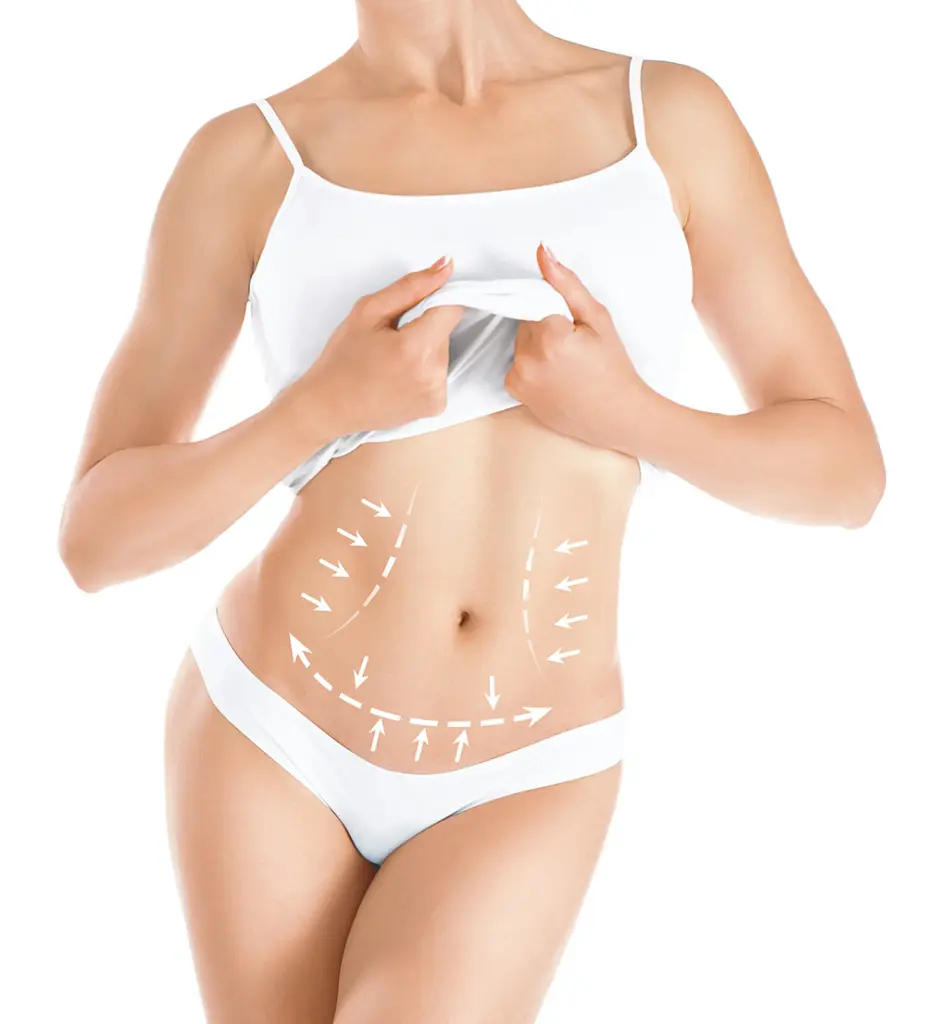
During an abdominoplasty, a low, curved incision is made along the bikini line to keep scarring discreet. In a mini tummy tuck, the navel is left untouched, but in most full procedures, a second incision is placed around the belly button so it can be repositioned once excess skin is removed. This results in a small scar around the navel in addition to the lower abdominal scar.

If muscle separation (diastasis recti) is present, the rectus (“six-pack”) muscles are stitched back together to restore support and improve abdominal firmness. While the procedure flattens the abdomen by removing excess skin and fat, long-term muscle tone still depends on postoperative exercise.

Once the muscle repair is complete, the surgeon removes loose skin and fat and may use liposuction to refine the waistline or upper abdomen. The remaining skin is gently redraped, and the incisions are closed, creating a smoother, flatter abdominal contour.

Closure

Once the abdominal reshaping is complete, the incisions are closed using fine, absorbable sutures to support a smooth, precise finish. If the navel has been repositioned, a new opening is created to ensure it sits naturally within the tightened skin.

Dressings and a supportive compression garment are applied to minimise swelling and help the abdomen settle into its new contour. In some cases, temporary drains may be placed to prevent fluid build-up during the early stages of healing.


Recovery

Recovery and results of tummy tuck surgery

Recovery from abdominoplasty varies from person to person and depends on the extent of muscle repair, the amount of skin removed and whether additional procedures such as liposuction were performed at the same time. Your surgeon will provide personalised guidance based on your surgical plan and overall health.

What to expect

In the first few days after surgery, swelling, bruising and a sense of tightness across the abdomen are common. Many patients describe the discomfort as similar to strong muscle soreness due to the underlying muscle repair. Pain is generally well controlled with prescribed medication, and additional pain relief may be used at home if advised by your surgeon.

A compression garment or support corset is applied immediately after surgery. It must be worn for several weeks to reduce swelling, protect the muscle repair and support abdominal healing.
Most patients remain in the hospital for one to two nights so the surgical team can closely monitor early healing. Drainage tubes or an IV drip may be used initially and are typically removed before discharge.
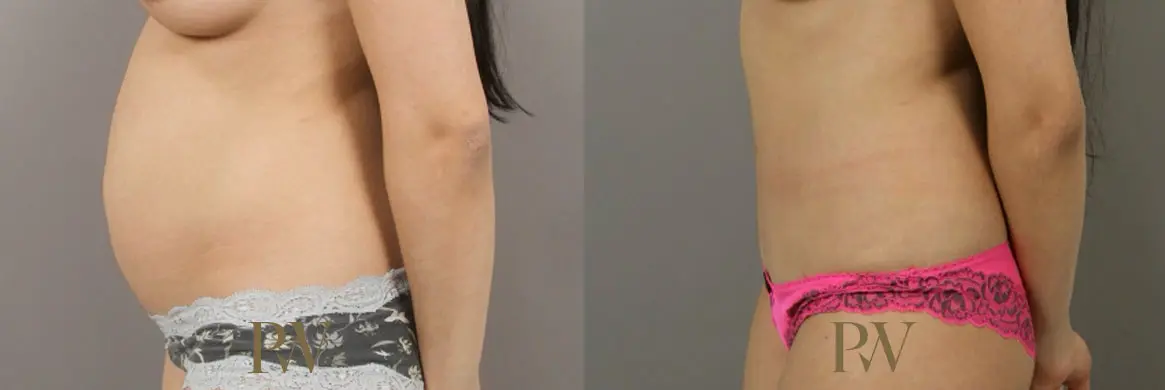
As the abdomen has been tightened, you may naturally walk slightly bent at the waist for several days. Resting with your knees bent, such as using pillows beneath your thighs, helps reduce tension on the incision and improves comfort.

Swelling improves gradually, with most patients noticing substantial improvement within four to six weeks. Ongoing refinement occurs over the following months as the tissues soften and scars mature. Final results are typically visible between three and six months.

Activity and Movement

Light walking is encouraged soon after surgery to promote circulation and support recovery. However, strenuous exercise, running, core workouts, heavy lifting, and any activity that increases abdominal pressure should be avoided for at least four to six weeks, or until your surgeon advises otherwise.

Most patients can return to light work within 1 to 2 weeks, depending on their comfort level and the physical demands of their job.

Follow-up Care and Long-Term Results

Your surgeon will schedule follow-up appointments to monitor healing, remove drains if used and provide guidance on scar care, garment wear and safe progression of activity.

As the swelling continues to settle, your abdomen will appear flatter, firmer and more defined. With a stable weight and healthy lifestyle, results from a tummy tuck are long-lasting, often restoring comfort, core support and confidence in your appearance.

Tummy Tuck Surgery | Abdominoplasty | Tummy Tuck | Tummy Tuck UK

Risks & complications

Risks and potential complications of tummy tuck surgery

As with any major surgical procedure, an abdominoplasty (tummy tuck) carries certain risks. Potential risks may include:

Your surgeon will discuss all potential risks with you during your consultation to ensure you are fully informed before making any decisions.

Fees

What is the cost of tummy tuck surgery in the UK?

PRICES STRAT FROM

£11,445

The cost of tummy tuck surgery in the UK varies depending on the type of abdominoplasty performed, whether muscle repair is required, the amount of excess skin and fat being removed and the overall complexity of achieving a smooth, balanced result. Additional factors, such as hospital fees, anaesthesia and whether liposuction is incorporated, may also influence the total price.

A personalised quote will be provided after your consultation and once your surgeon has determined the most suitable surgical approach to achieve your goals.

Results

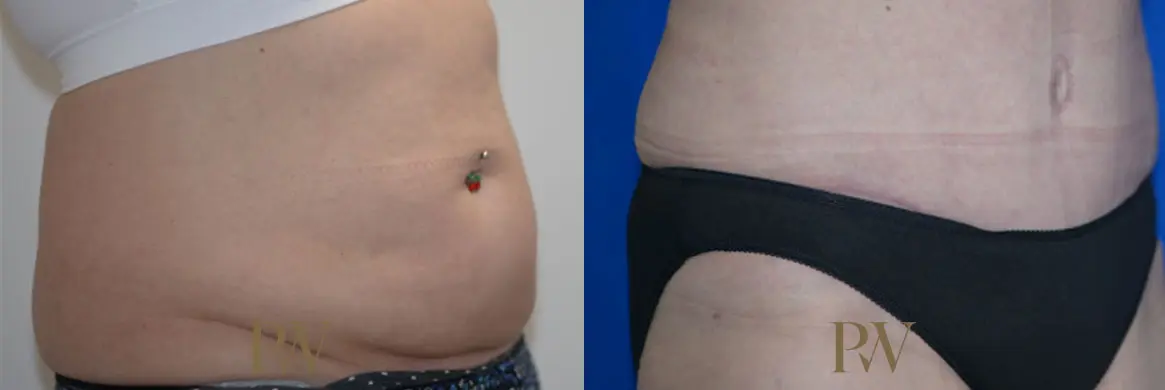
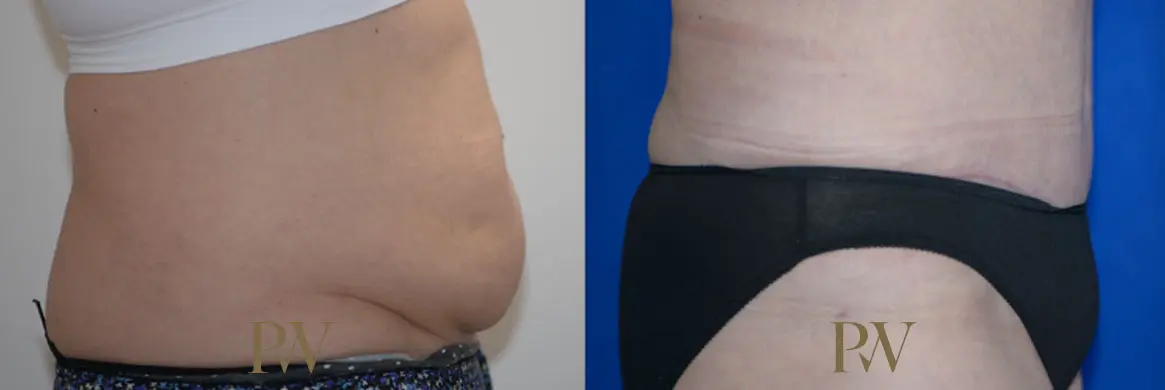
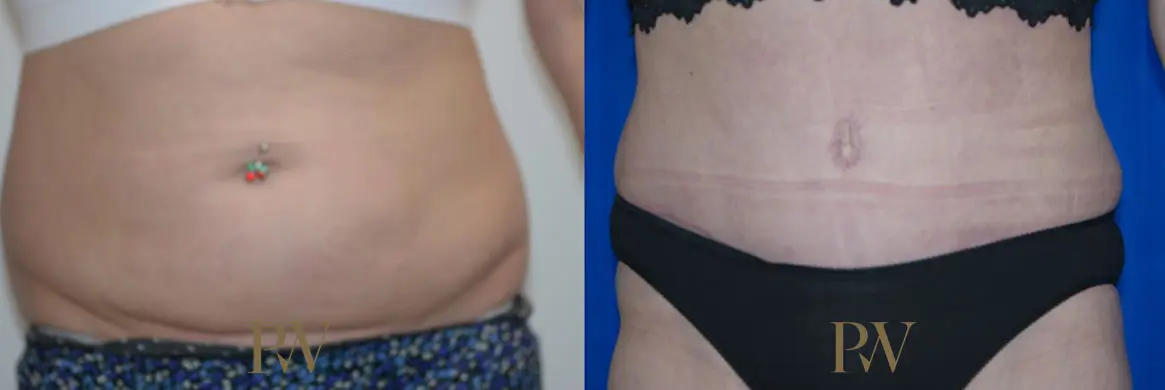
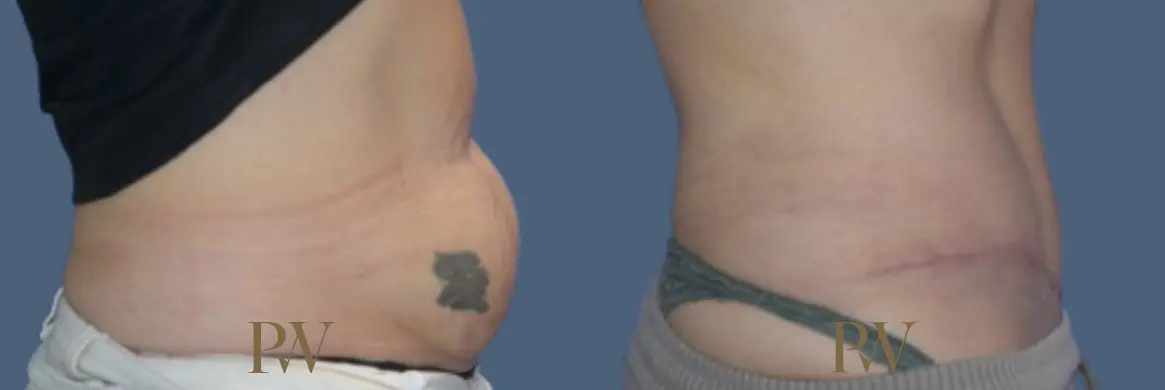
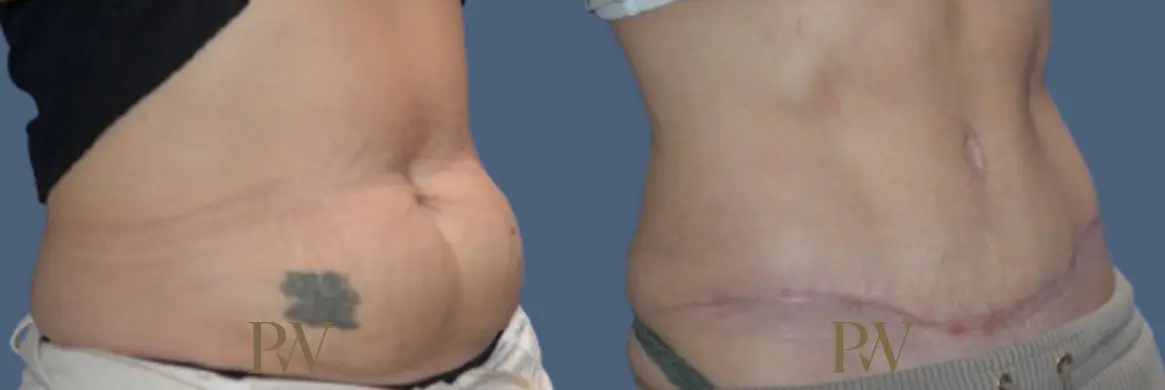
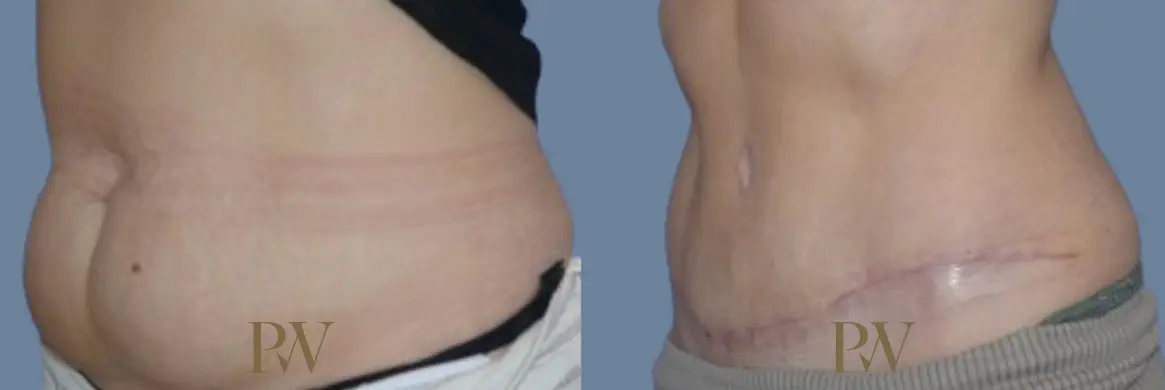
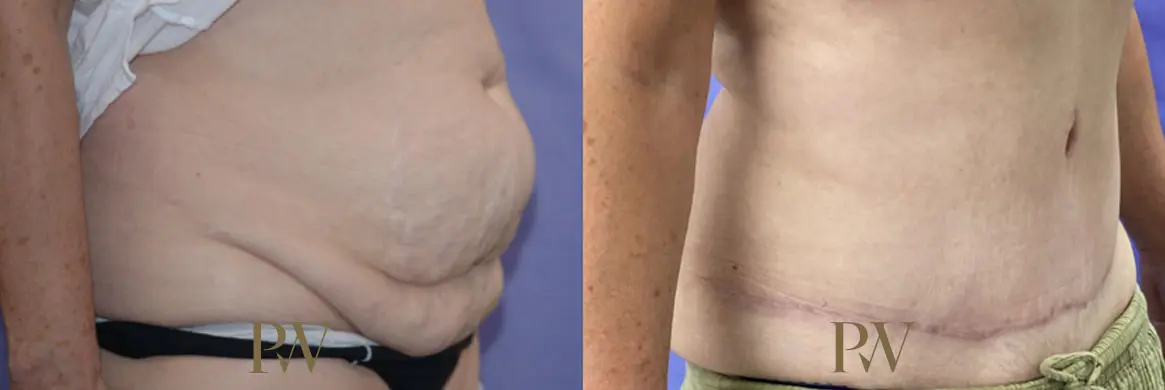
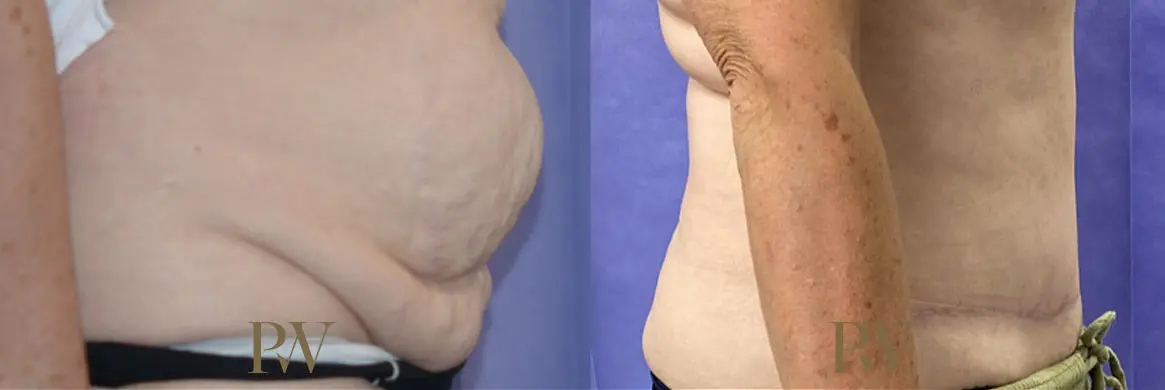
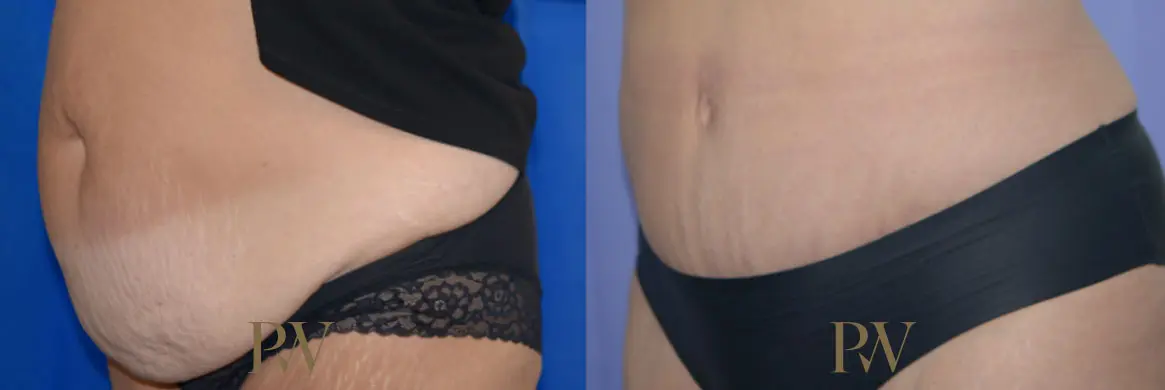
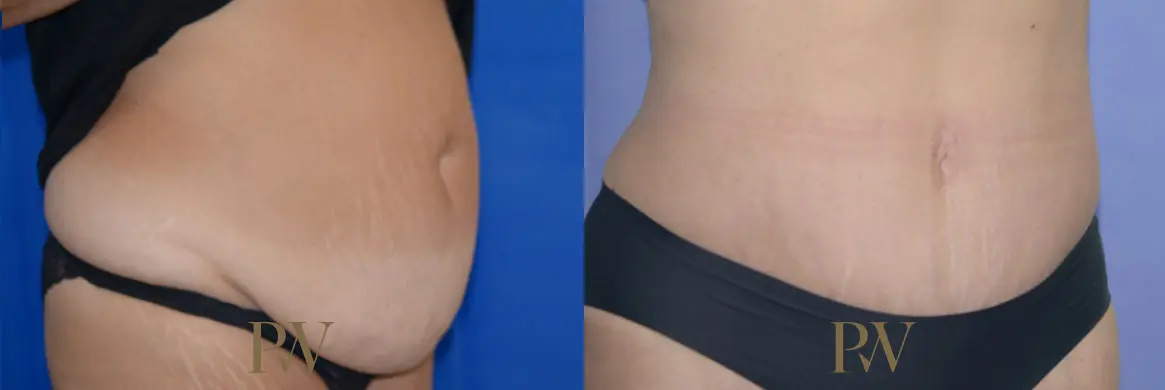
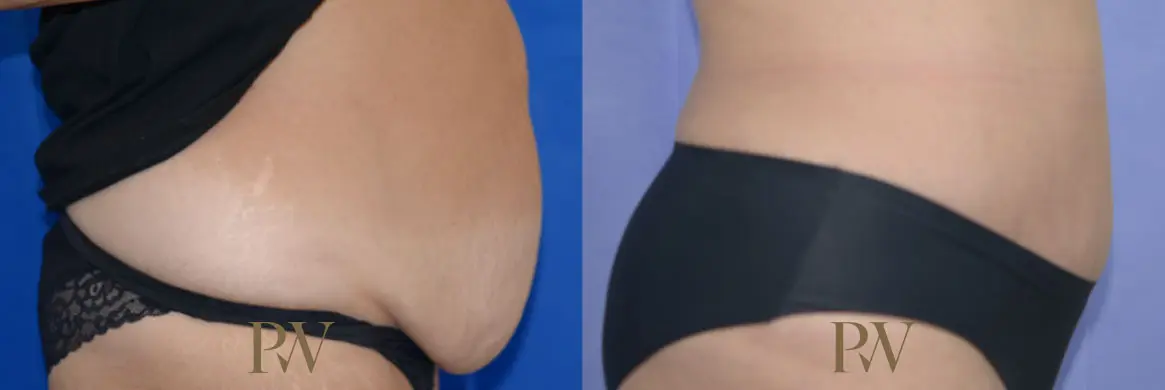
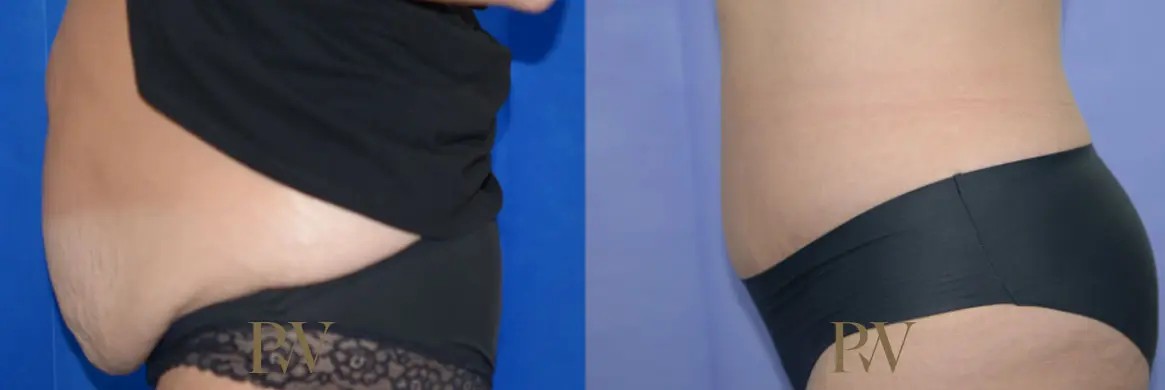
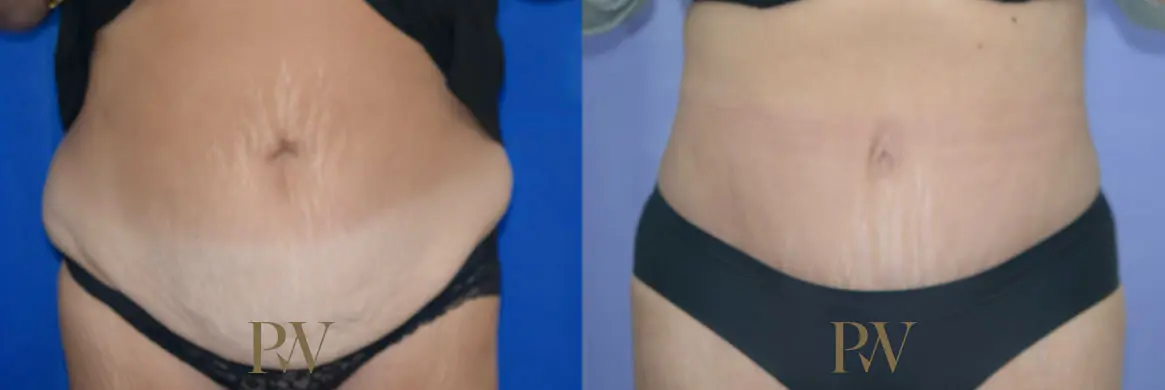
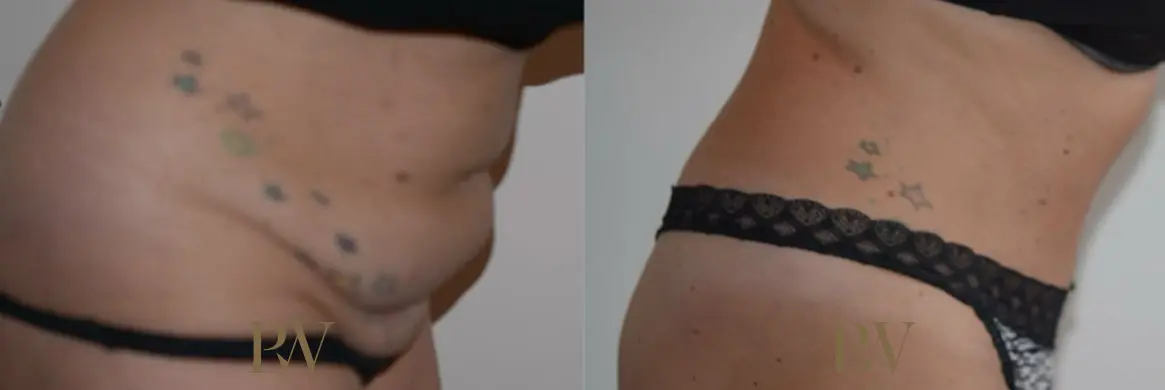
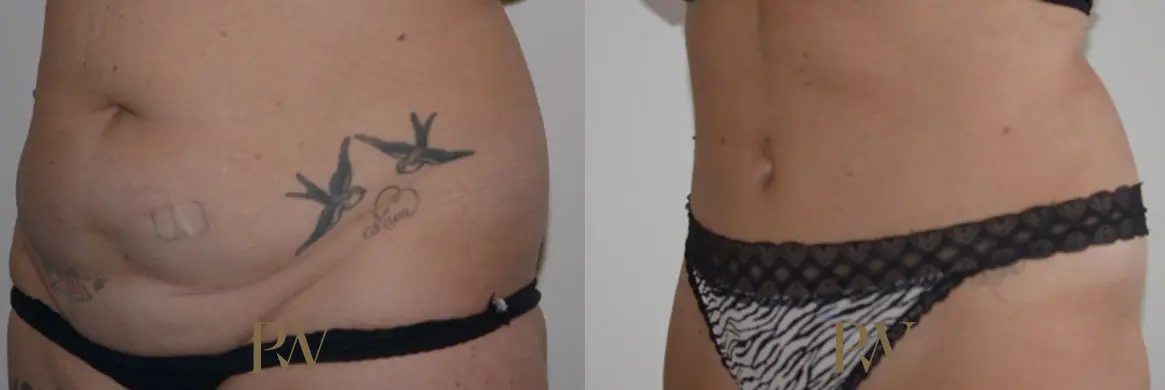
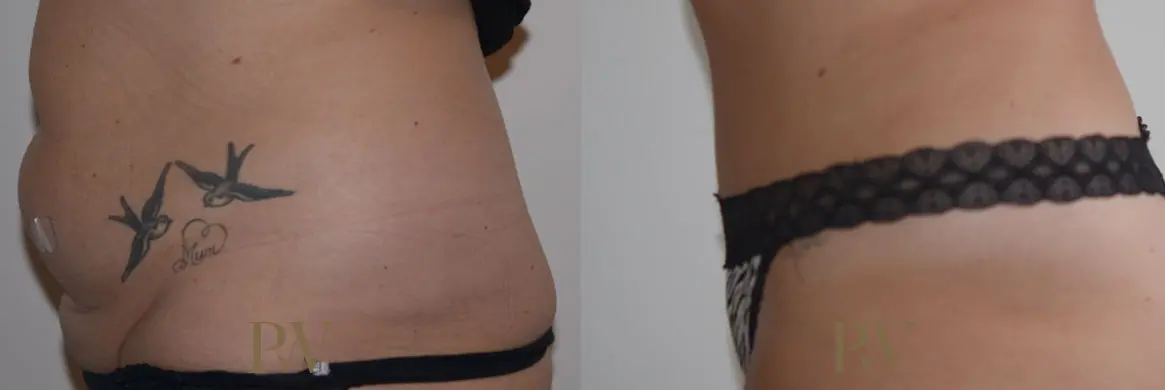
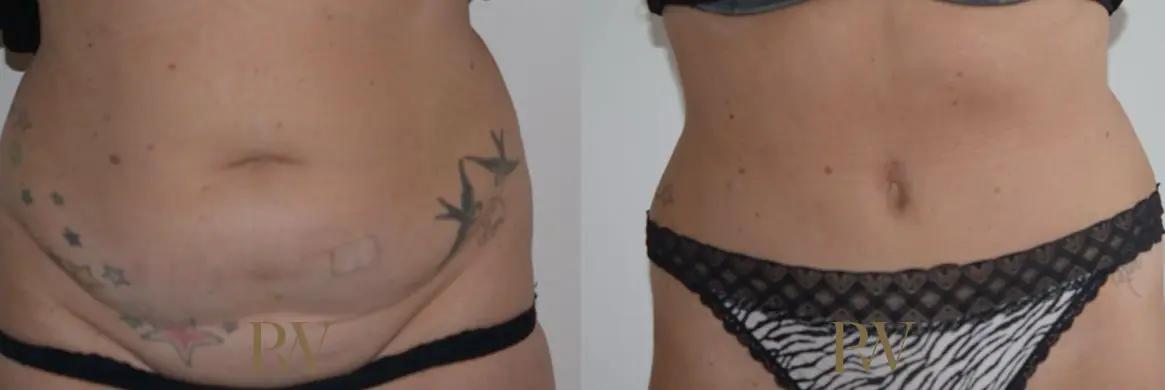
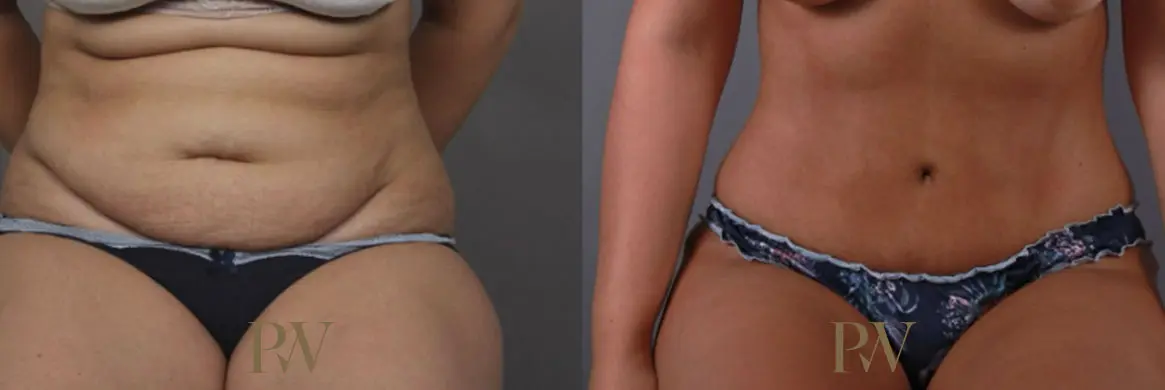
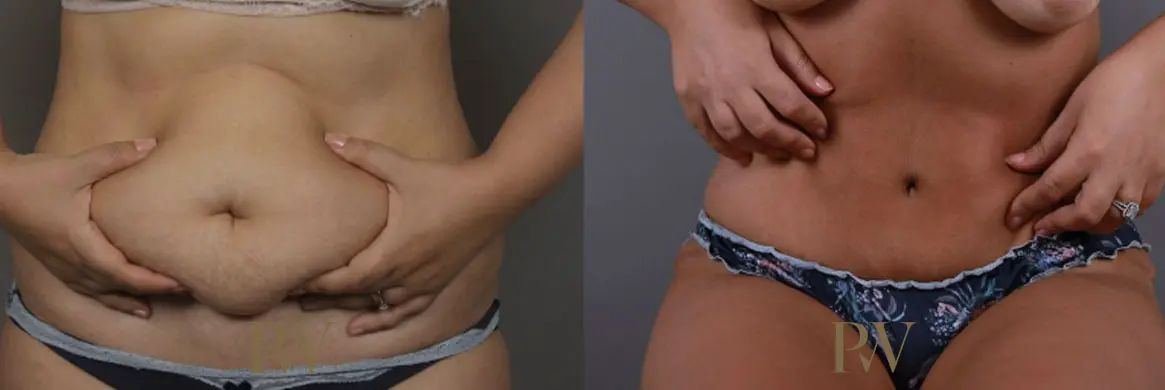
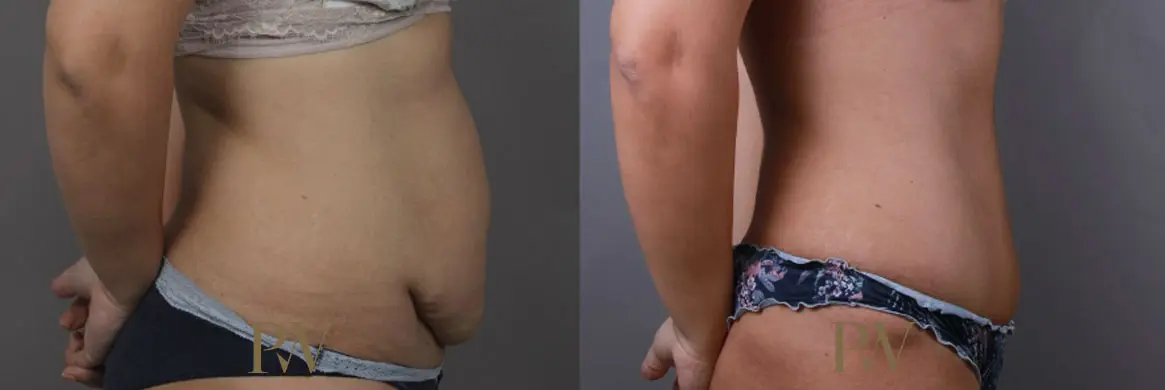
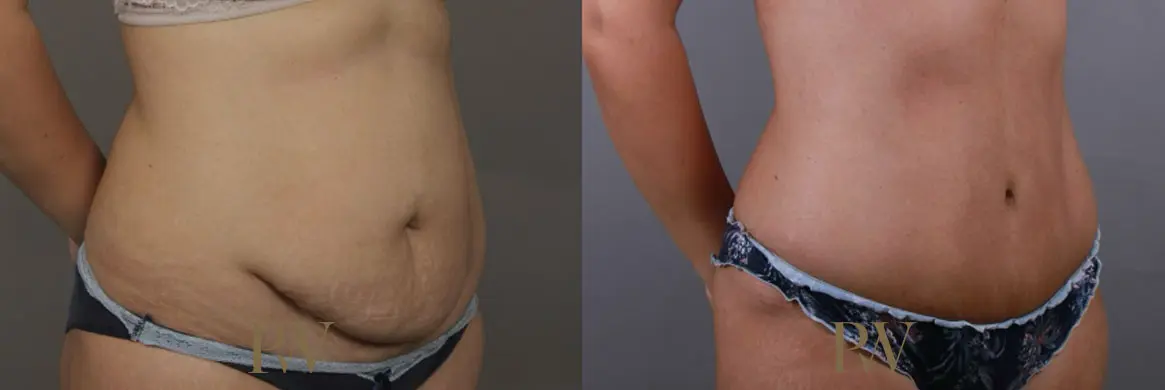
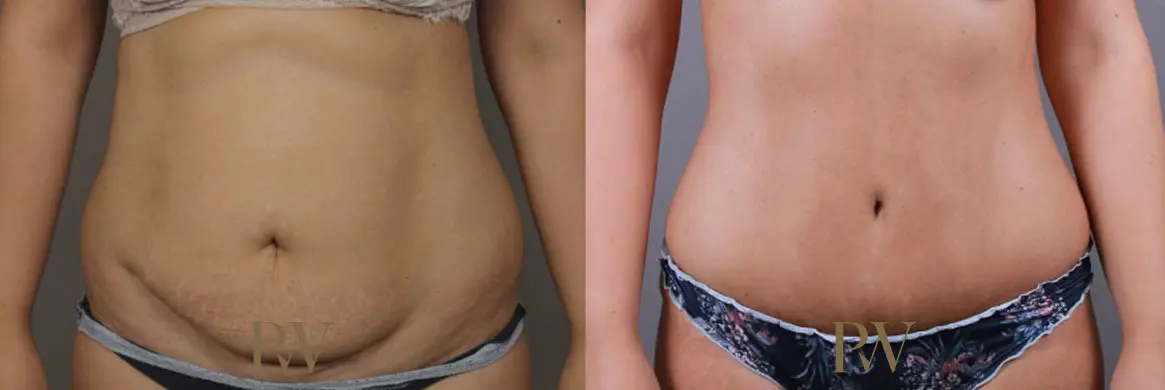
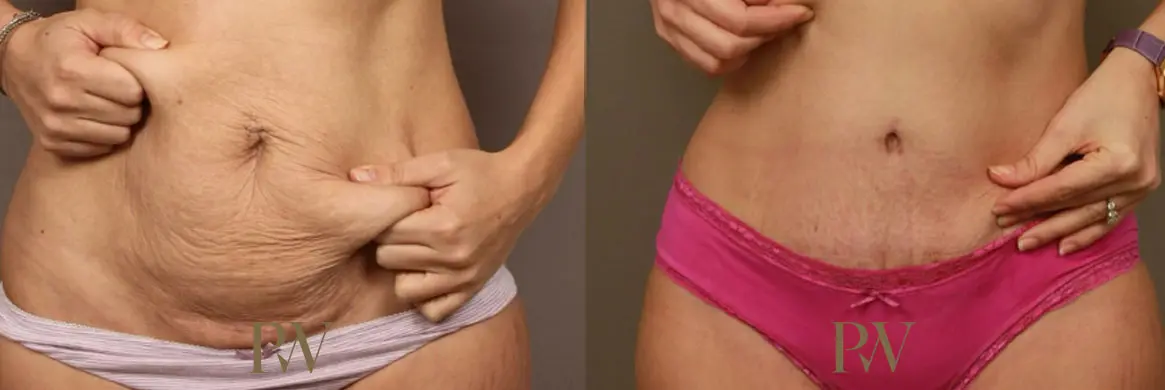
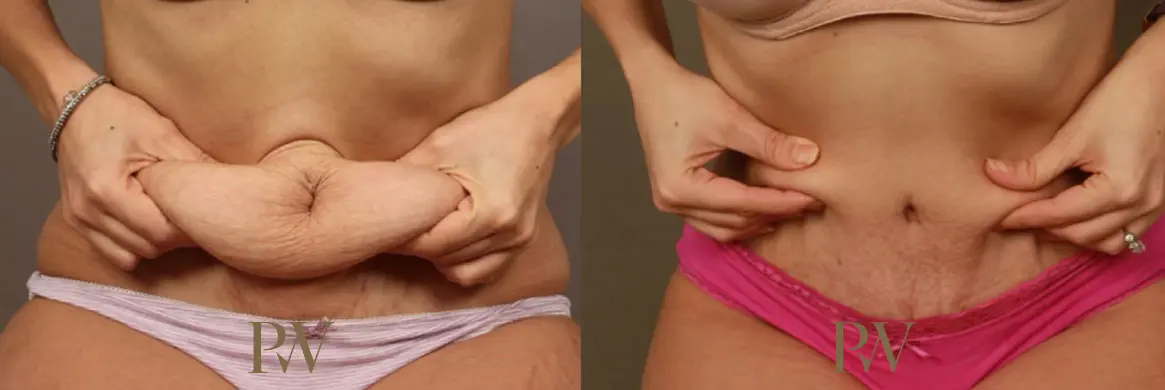
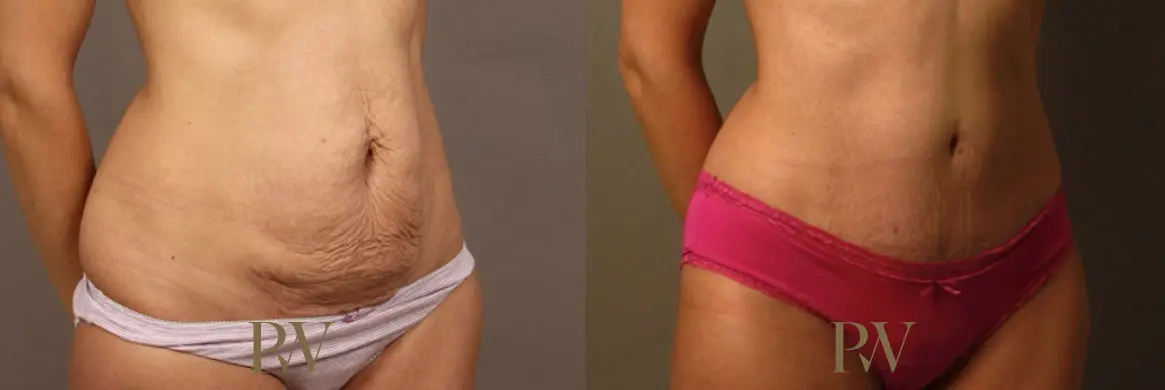
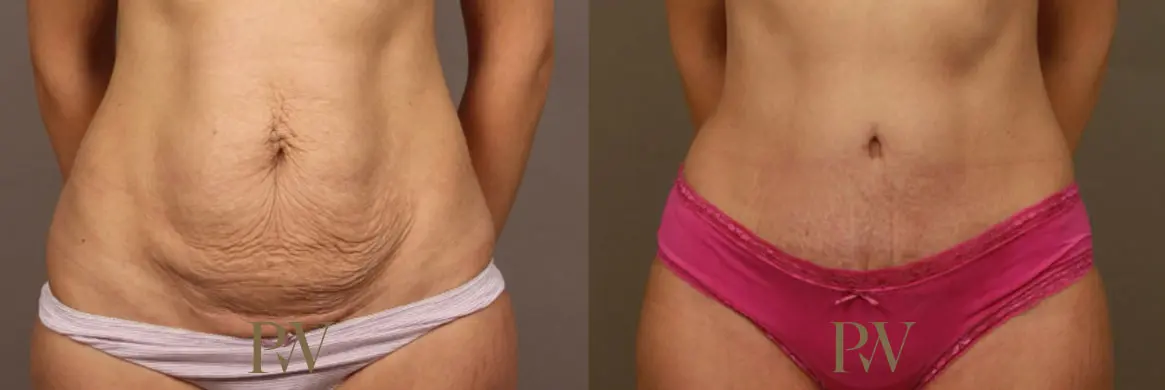
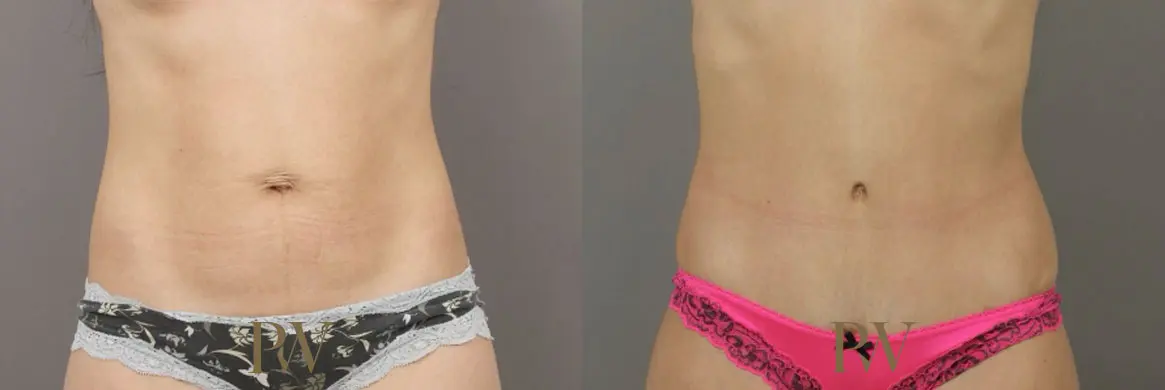
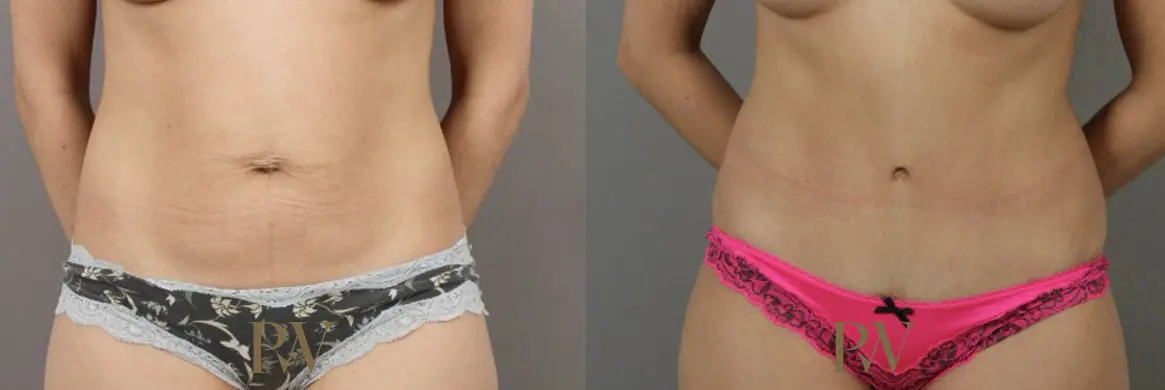
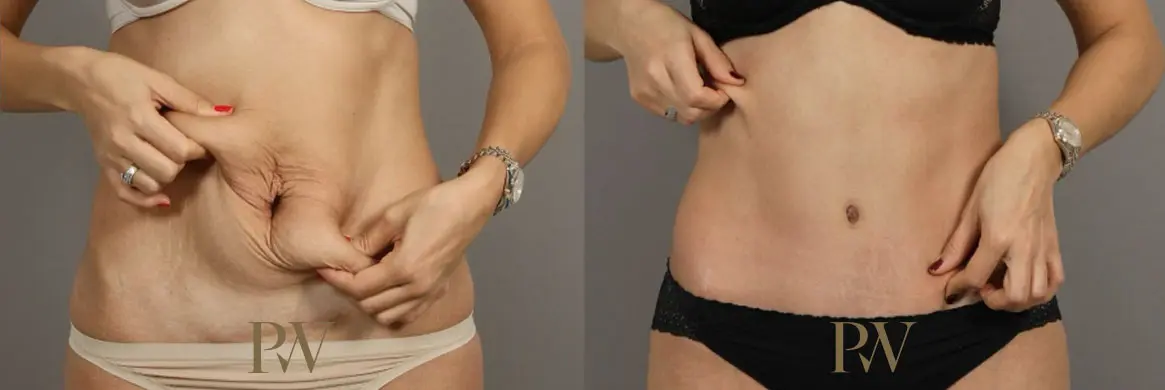
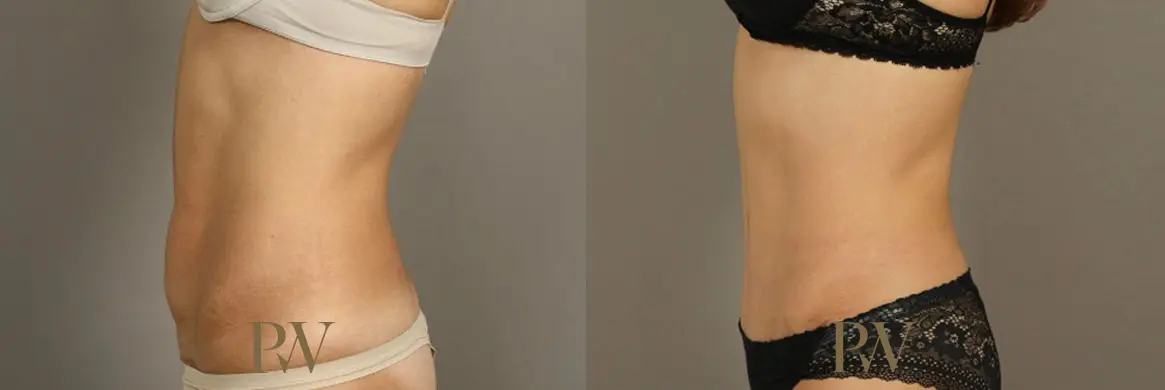
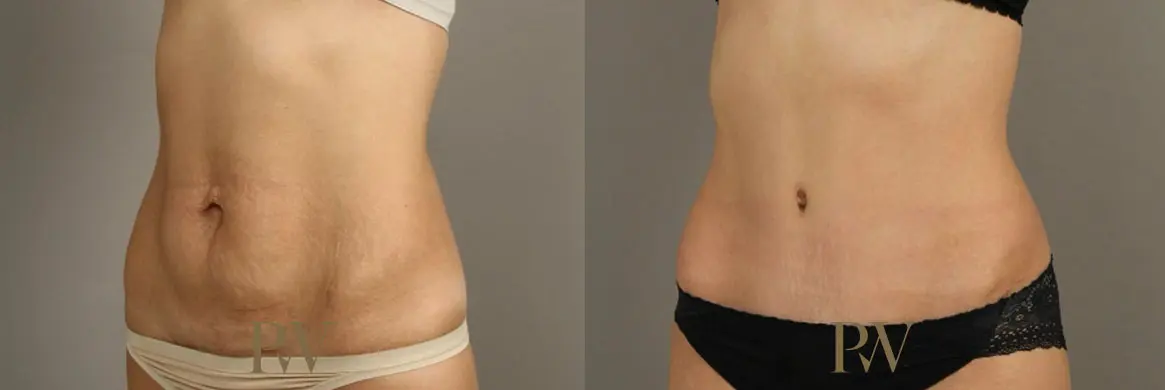
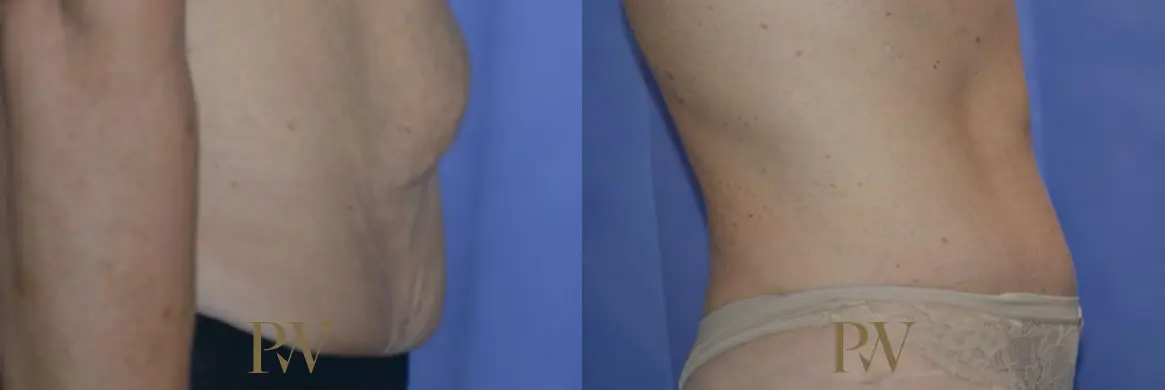
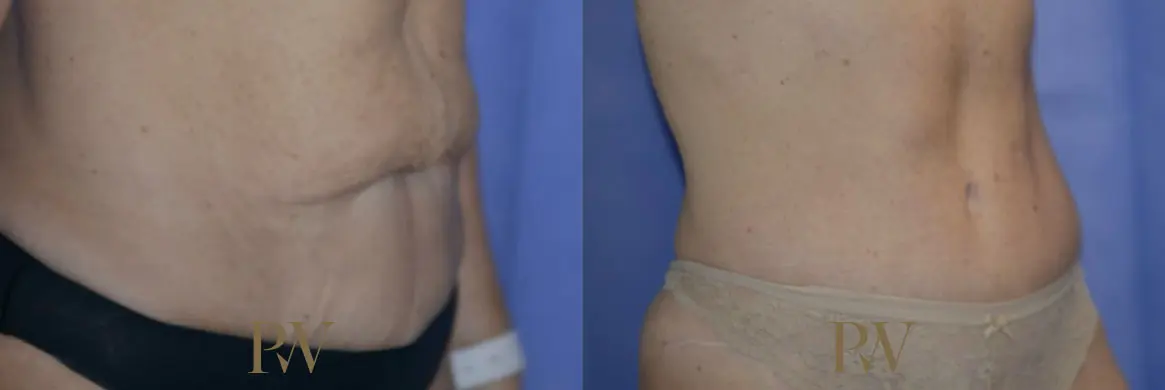
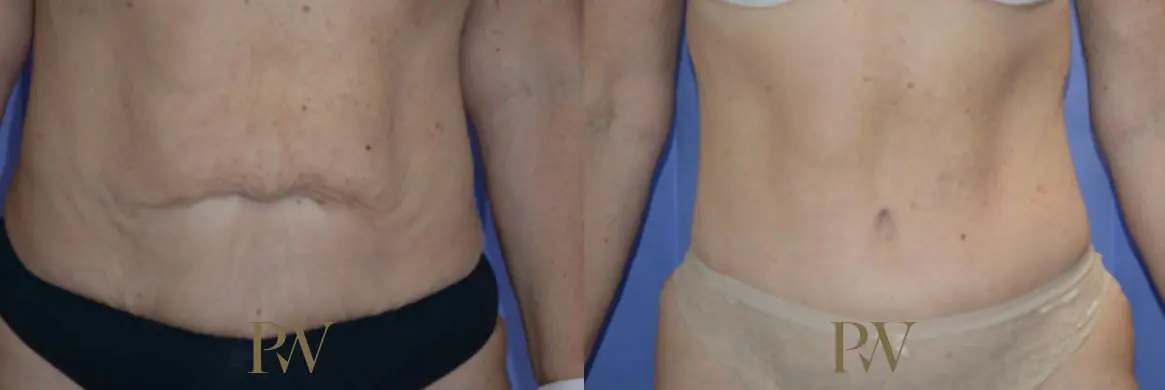
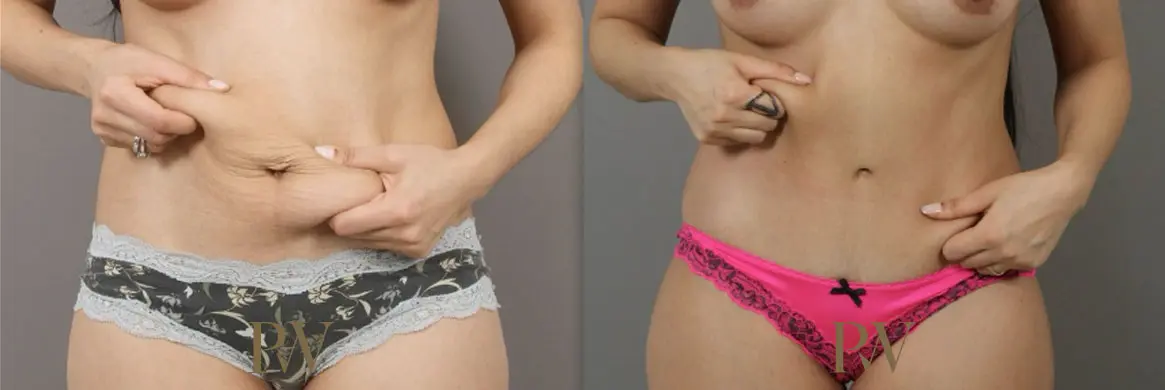
Tummy tuck surgery before and after photos

Mr Paul Wilson - FAQ

FAQ

Frequently Asked Questions

Is there any follow-up aftercare I need to do?

Yes. After your tummy tuck, you will attend scheduled follow-up appointments so your surgeon can monitor healing. Once you are fully healed and have returned to normal activities, maintaining a healthy diet and regular exercise is recommended. Strengthening your core muscles through exercises such as Pilates or gentle abdominal workouts can help support long-term results and enhance abdominal tone.
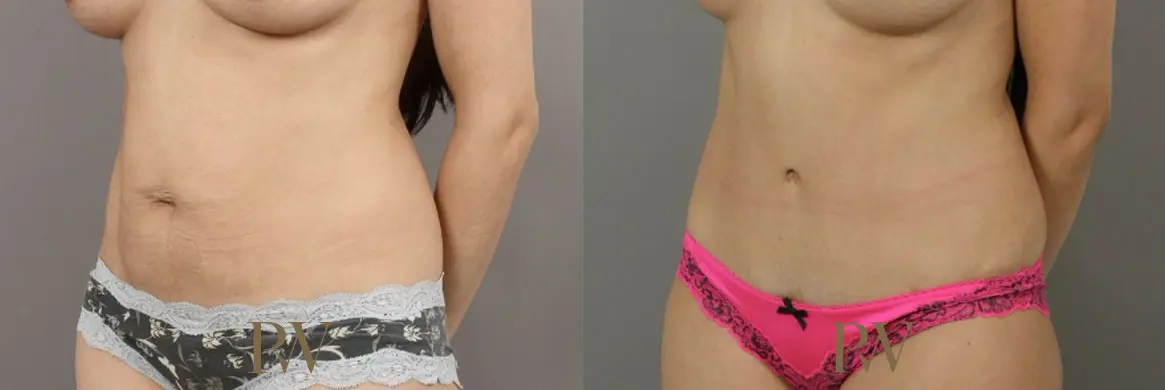
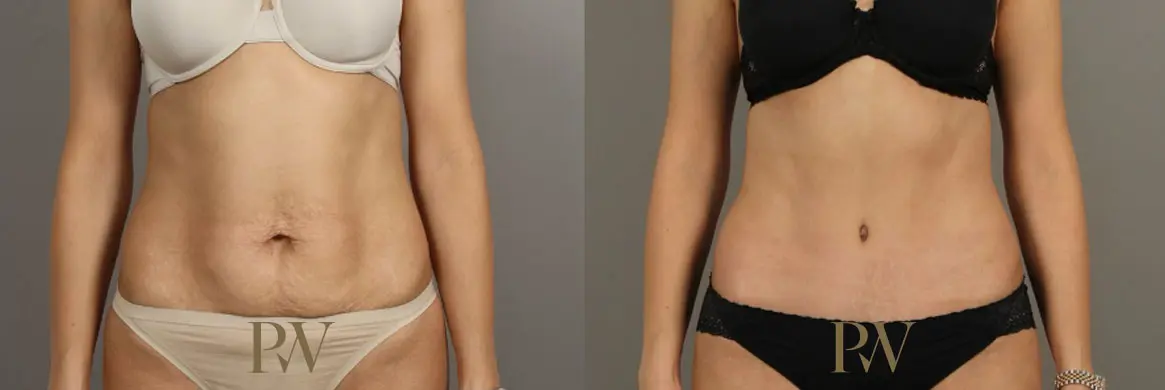
In most cases, tummy tuck surgery is considered a cosmetic procedure and is not routinely available on the NHS. Exceptions may be made in rare situations, such as significant skin overhang that causes persistent infections, hygiene issues, or functional impairment after major weight loss. Eligibility is assessed on a case-by-case basis, and strict criteria apply.

Tummy tuck results are long-lasting when supported by a stable weight and a healthy lifestyle. The tightening of muscles and removal of excess skin is permanent, but future weight fluctuations, pregnancy, or significant changes in fitness can alter the outcome.

Yes, a compression garment is essential following a tummy tuck to ensure a safe and successful recovery. It serves several critical roles: it minimises swelling and bruising, prevents the formation of fluid pockets (seromas), and provides vital support to your repaired abdominal muscles. Furthermore, the constant pressure helps your skin adhere smoothly to its new contours, ensuring the flattest possible result. We suggest you wear it 24/7 for the first three to four weeks, only removing it to shower, followed by several weeks of part-time wear as your body continues to heal and “set” into its new shape.

While not strictly mandatory, Manual Lymphatic Drainage (MLD) is highly recommended to accelerate recovery and optimise the aesthetic results of a tummy tuck. By using a specialised, light-touch technique to move stagnant fluid toward healthy lymph nodes, MLD significantly reduces post-operative swelling, prevents the formation of “lumpy” scar tissue (fibrosis), and lowers the risk of fluid pockets called seromas. Most patients begin sessions within the first week of surgery to alleviate that “tight” feeling and promote smoother skin adhesion, though it is critical to use a therapist specifically certified in post-surgical care rather than a standard massage therapist.

Paul Wilson Aesthetics - Schedule your consultation

Schedule your consultation

Book a consultation with Paul Wilson Aesthetics

Patients choose Paul Wilson Aesthetics not only for the team’s surgical expertise, but also for their thoughtful, honest and patient-centred approach to aesthetic care. To get started, book a consultation where our team will discuss your concerns, outline your goals and determine if a tummy tuck is the right option for you.

Schedule your consultation