Consultation
Your surgeon will begin with a detailed consultation to ensure you feel fully informed and confident before proceeding. This appointment involves a discussion of your concerns, such as excess skin, fullness of the upper arms, difficulty fitting clothing, or changes in arm shape following weight loss or ageing.
Your surgeon will assess your arm anatomy, skin quality, the amount of excess skin and whether fat accumulation is contributing to the overall appearance. This helps determine whether arm-reduction surgery alone is appropriate or whether combining it with liposuction would produce a smoother, more refined contour.
You will also be able to ask questions about expected results, scar placement, recovery and whether the procedure can be combined with other body-contouring treatments.
Anaesthesia and Procedure Time
Arm reduction surgery (Brachioplasty) is usually performed under general anaesthesia. The duration of the procedure varies depending on the amount of skin and fat to be removed and whether liposuction is being used alongside skin excision. Most surgeries take between two to three hours.
Incision Placement
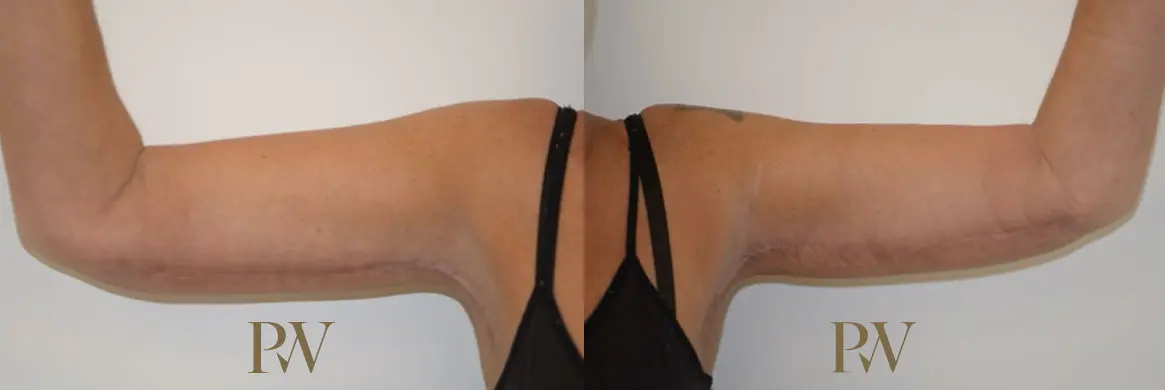
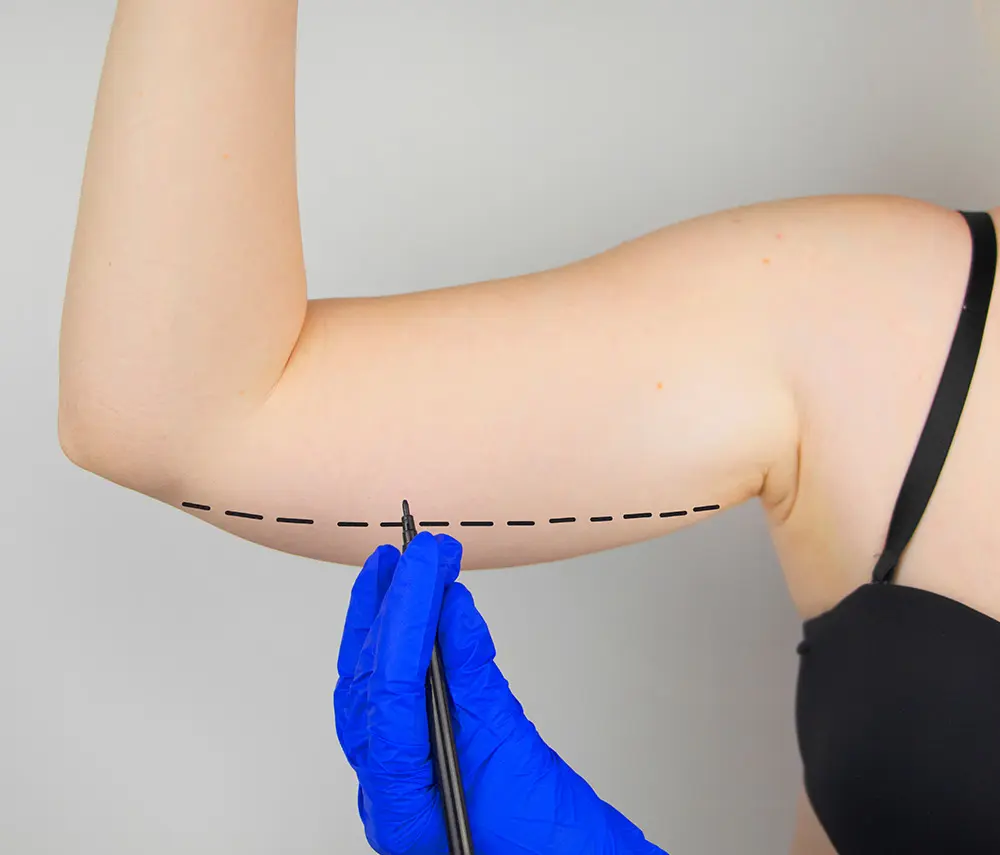
Incisions are carefully positioned along the inner surface of the upper arm to help keep scarring as discreet as possible. Most procedures result in a scar that runs from the elbow into the axilla, though its length depends on how much excess skin needs to be removed.
If upper-arm fullness is also caused by excess fat, liposuction may be performed through small, subtle incisions to refine the contour before the loose skin is excised.
Skin Removal and Tightening
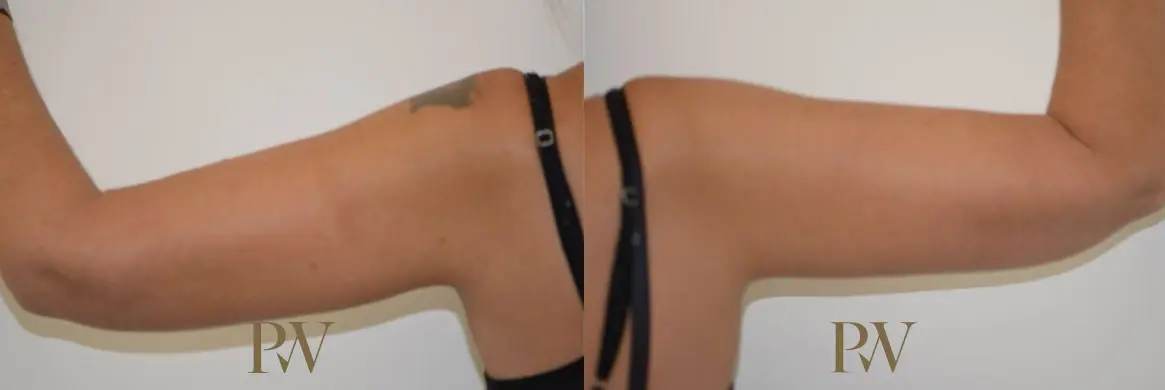
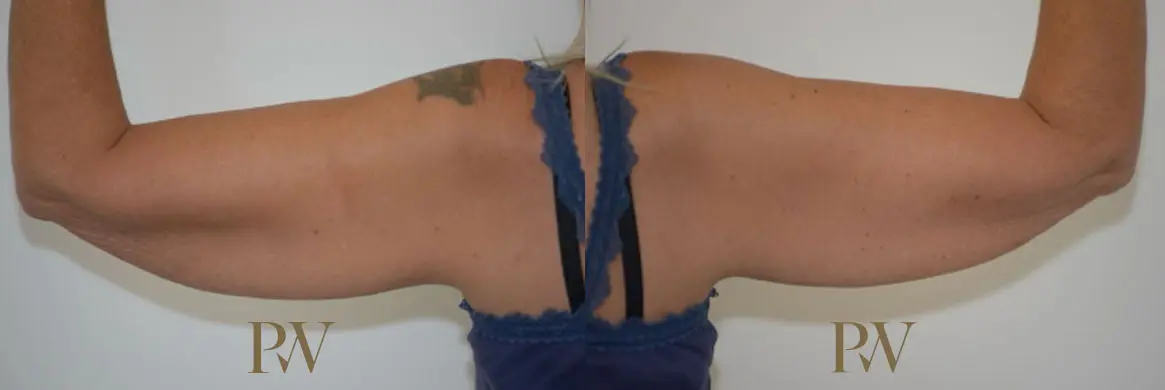
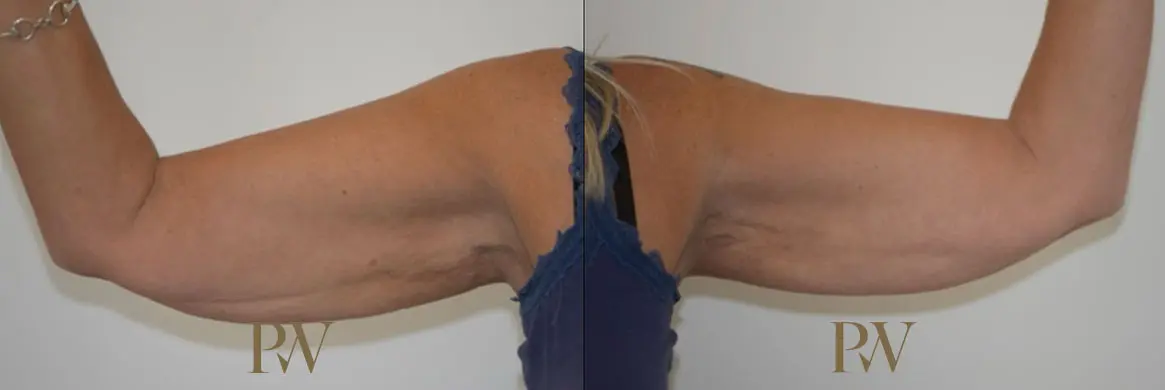
During the procedure, excess skin is removed, and the underlying tissues are tightened to create a slimmer, smoother and more defined arm contour. Liposuction may be performed simultaneously to remove stubborn pockets of fat and enhance the final shape.
By combining skin excision with fat reduction when appropriate, the surgeon can create a more sculpted upper arm that better aligns with your body proportions.
Closing the Incisions
Once the reshaping is complete, the incisions are closed with absorbable sutures and supportive dressings are applied. A compression garment is typically worn after surgery to minimise swelling and help the tissues settle into their new, refined contour.
Scar Management
Your surgeon will provide personalised advice on caring for your scar as it heals. While there will be an incision line, most scars fade and soften significantly over time. Factors such as genetics, skin quality and adherence to scar-care recommendations influence the final appearance.






 Let's connect on Instagram