Treatment breast
Search
Treatment breast
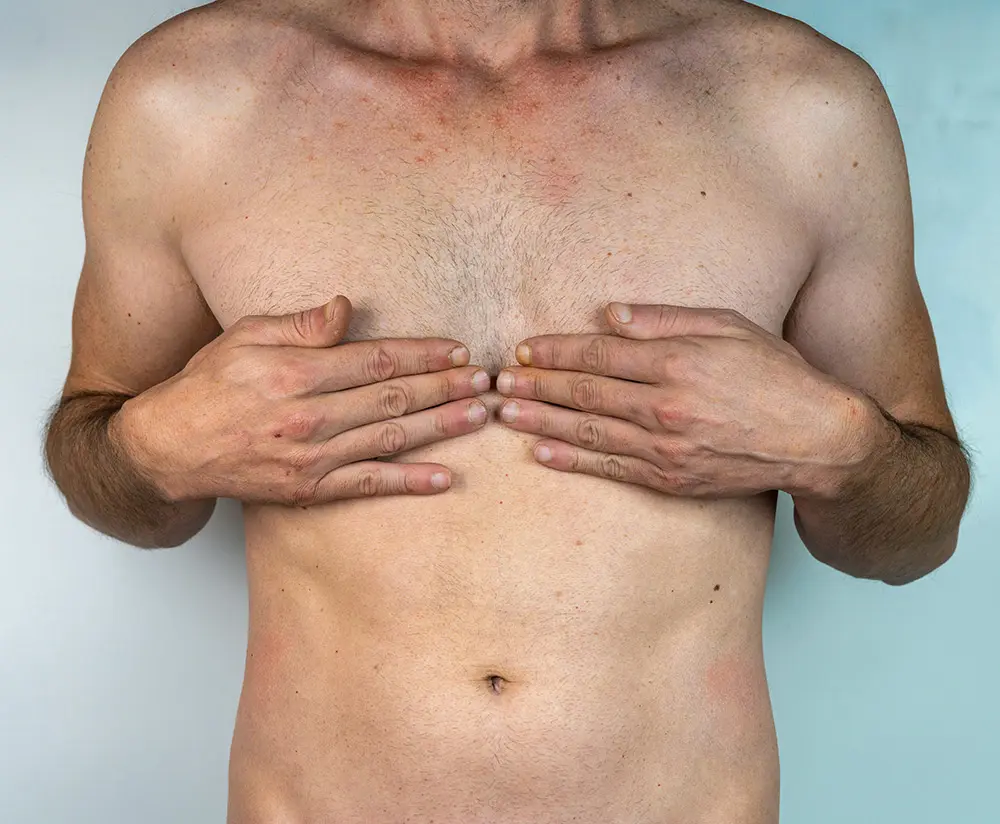
Men typically seek gynecomastia surgery to address concerns such as visible breast enlargement, discomfort and difficulty finding well-fitting clothing. By reshaping the chest, the procedure can significantly improve comfort, confidence and overall quality of life.
With years of experience in gynaecomastia surgery, our skilled team at Paul Wilson Aesthetics can help you achieve your desired result. We utilise advanced techniques such as liposuction and excision to deliver precise contouring and natural-looking results.
About
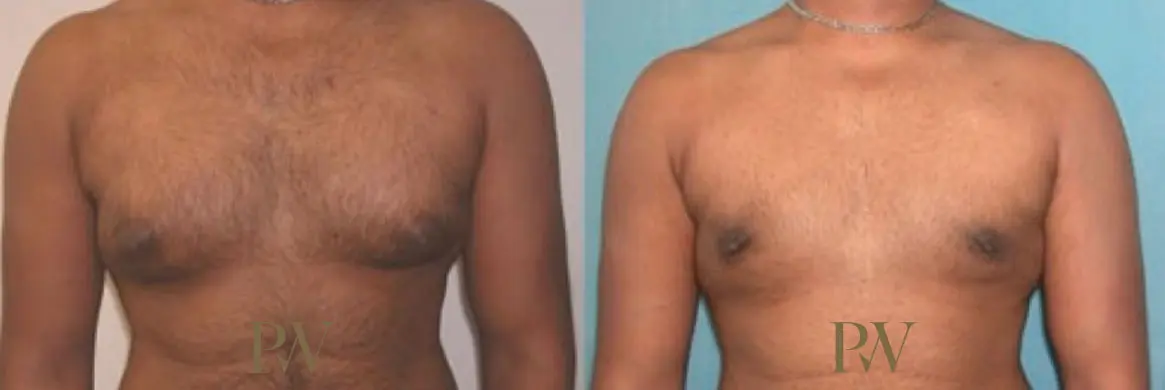
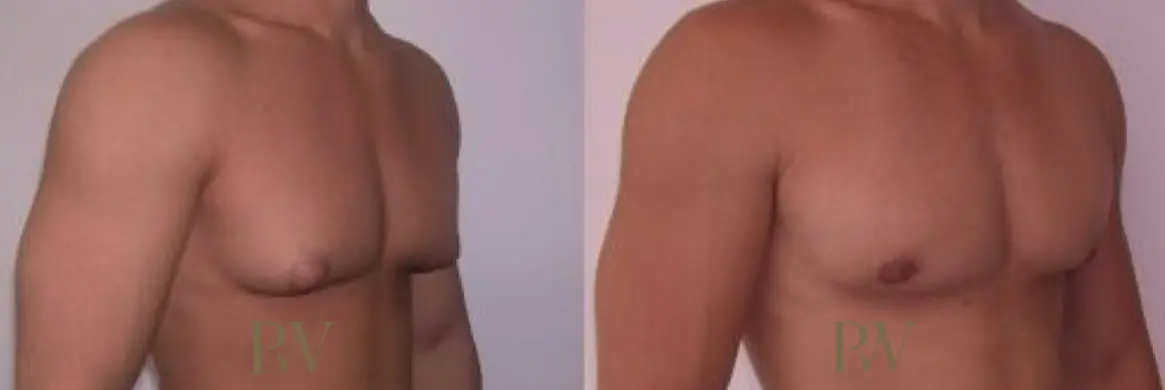
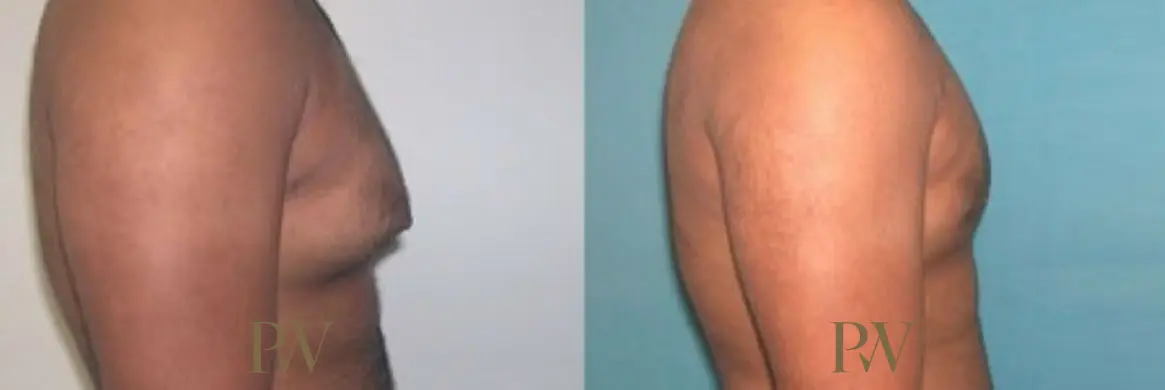
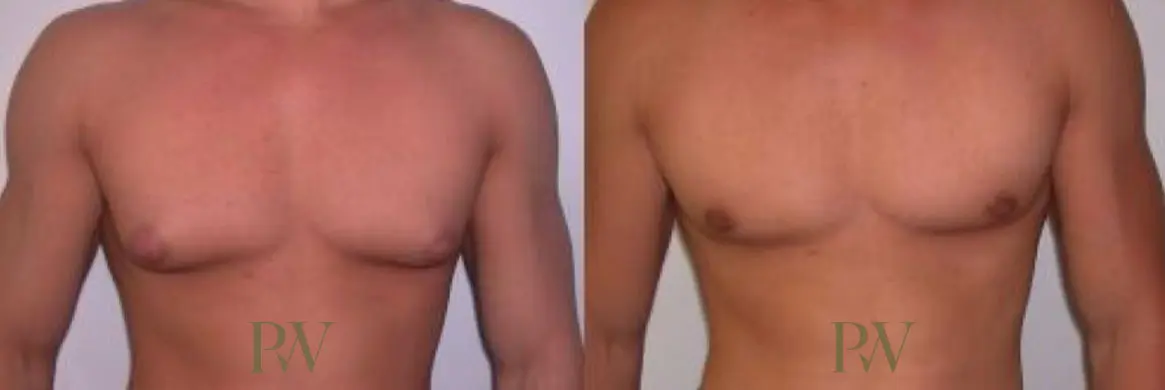
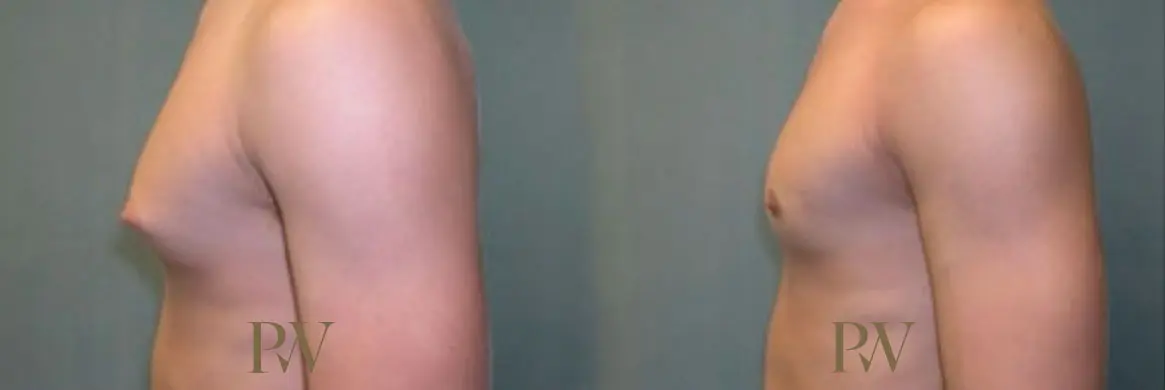
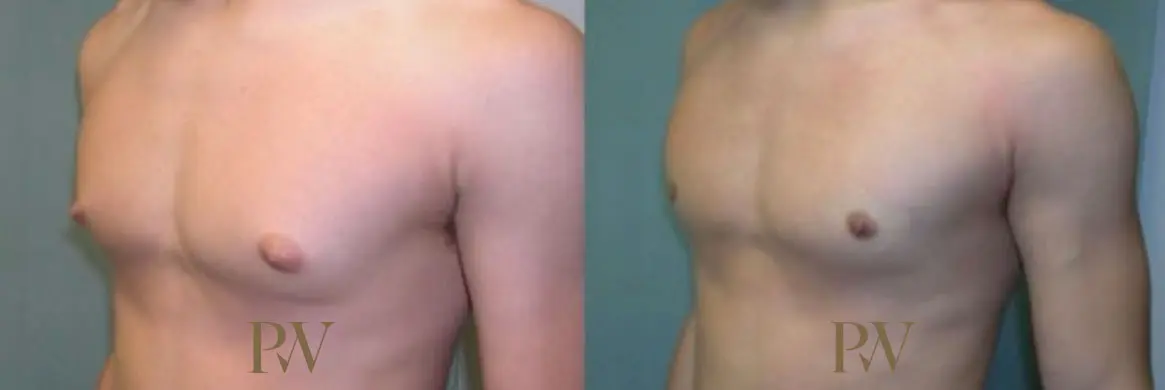
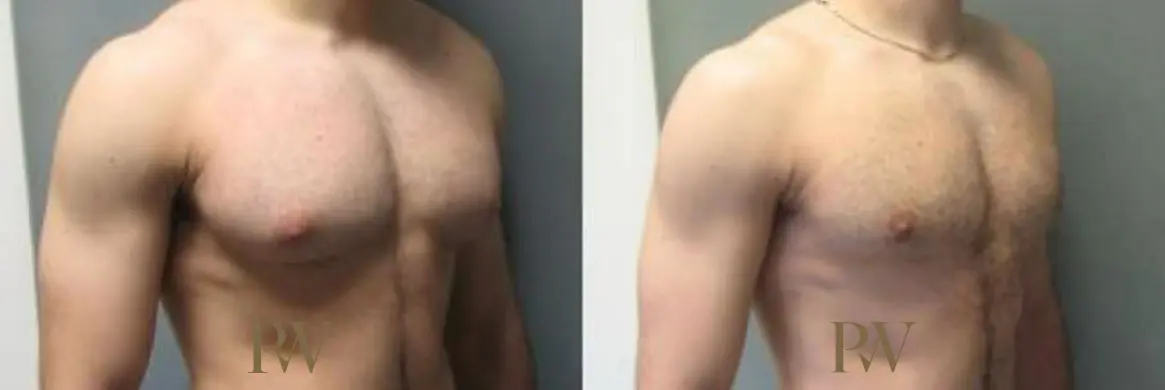
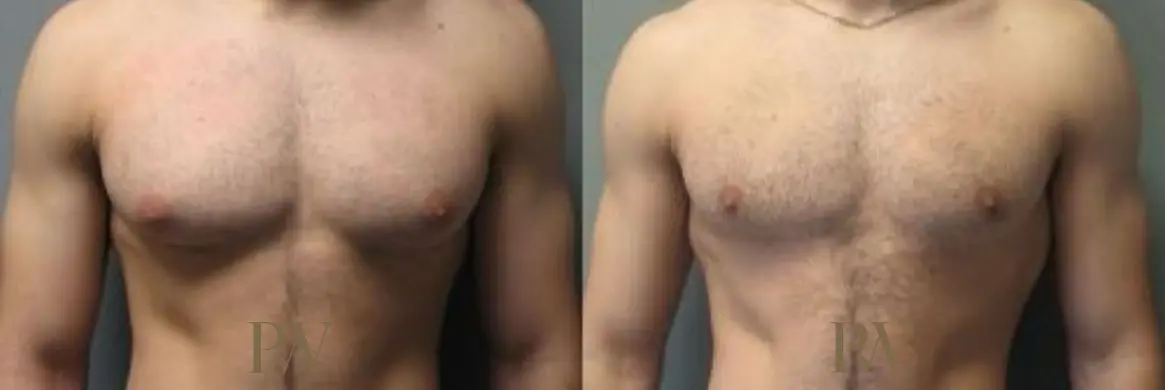
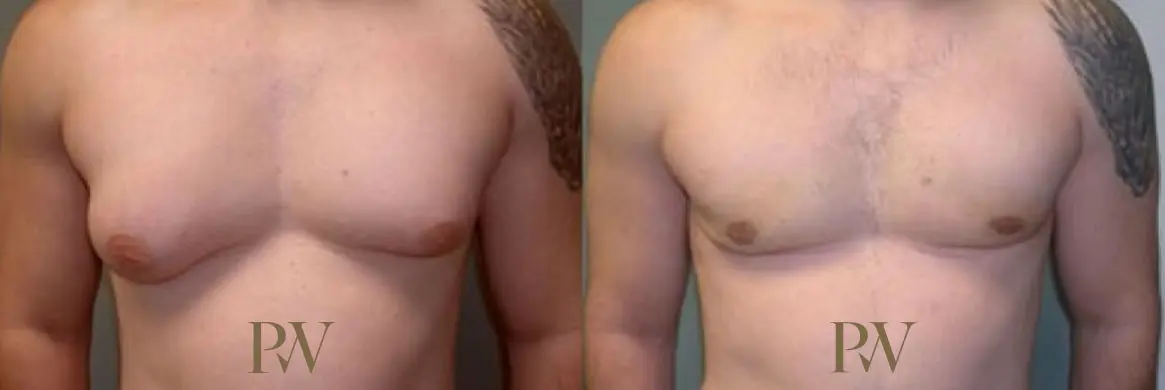
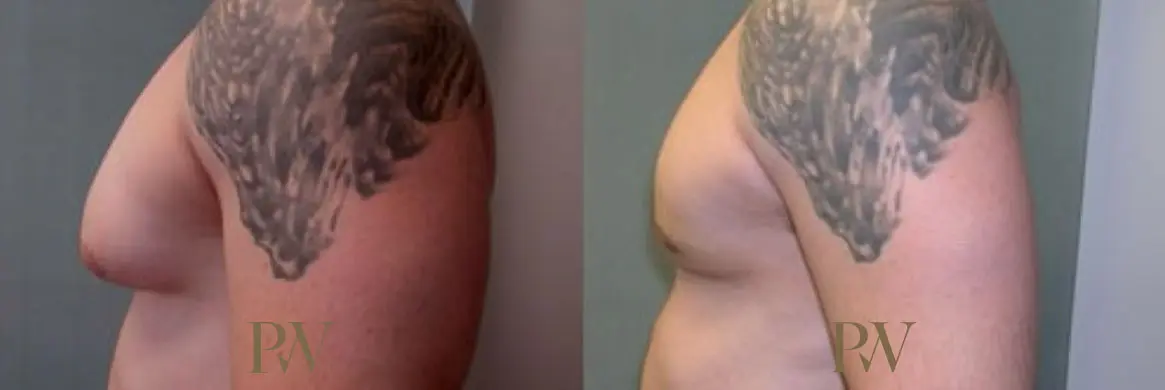
Gynecomastia surgery, also known as male breast reduction, is a procedure designed to remove excess glandular tissue and fat to create a flatter, firmer and more masculine chest contour. It is the most effective treatment for reducing enlarged male breast tissue that does not respond to diet, exercise or weight loss.
During the procedure, excess tissue is removed through excision, liposuction or a combination of both. If required, the nipple–areola complex can be reshaped or reduced and its position adjusted to achieve a more natural and balanced chest appearance. This helps improve chest shape, restore confidence and relieve discomfort sometimes associated with enlarged breast tissue.
benefits
Gynecomastia surgery offers both physical and psychological benefits by reducing excess chest tissue and creating a flatter, firmer and more masculine contour. Benefits may include:
candidates
Gynecomastia surgery may be suitable for individuals who:
What to expect
Your surgeon will begin with a detailed consultation to ensure you feel fully informed and confident before proceeding. This appointment involves discussing concerns about excess chest tissue, including size, firmness, shape, asymmetry, skin quality and any physical discomfort or self-consciousness you may be experiencing.
Your chest anatomy, skin elasticity and overall health will be assessed to determine the best surgical technique. You will also have the opportunity to ask questions about expected results, incision placement, recovery, scarring and whether liposuction, excision or a combination approach is right for you.
Gynecomastia surgery is performed under general anaesthesia. The duration varies depending on the amount of glandular tissue, fat and skin that need to be removed and whether liposuction is used alongside excision.
Incision placement depends on the type and extent of correction required. For cases involving mostly fatty tissue, only very small incisions near the armpit or along the lower chest for liposuction may be needed.
If firm glandular tissue needs to be removed, an incision is typically made along the lower border of the areola to allow precise excision. Where there’s significant excess skin or drooping, additional incisions may be required to reshape and tighten the chest. Your surgeon will recommend the most appropriate incision pattern for your anatomy while ensuring that scars remain as discreet as possible.
Gynecomastia surgery may involve liposuction, glandular excision or a combination of both techniques. Liposuction removes excess fat and smooths the chest contour, particularly around the sides and under the armpits.
Firm glandular tissue, which cannot be treated with liposuction alone, is removed through a small incision to flatten and refine the chest shape. Loose or stretched skin can also be tightened if needed, and enlarged areolas can be reduced to create a more proportionate appearance.
The overall aim is to produce a flatter, firmer and naturally contoured chest that aligns with your body proportions.
After the chest has been reshaped, the incisions are closed with sutures and covered with dressings. A compression garment is usually applied at the end of surgery to minimise swelling, provide support and help the chest settle into its new contour during the early healing phase.
Your surgeon will provide tailored advice on caring for your scars once the incisions have healed. This may include silicone gel or silicone tape, along with gentle massage, to support optimal scar maturation. Scars will gradually fade, soften and improve over the first 12 to 18 months.
Recovery
Recovery varies between individuals and depends on the extent of tissue removal, whether liposuction was used and your body’s natural healing response. While each patient heals at their own pace, most men can return home the day after surgery.
In the early stages, it is normal to experience swelling, bruising, tightness and tenderness across the chest. These symptoms gradually improve over the first few weeks and can be managed with prescribed or over-the-counter pain relief.
A compression garment will be provided and should be worn day and night for several weeks to help reduce swelling, support the healing tissues and encourage a smooth, flatter chest contour.
A well-fitted compression vest is required for several weeks after surgery. This helps minimise swelling, supports the chest as it heals and assists the skin in retracting smoothly over the newly contoured tissue.
Most patients can resume driving within about one week, depending on comfort and upper-body mobility. Many return to work within two weeks, though this varies depending on the role’s physical demands.
Light exercise can usually begin after one month. Strenuous activity, chest workouts, heavy lifting and contact sports should be avoided for at least six weeks to protect the healing tissues and maintain the surgical result.
Improvements in chest shape and comfort are often noticeable early, with results continuing to refine as swelling subsides. Incisions gradually soften and fade over 12–18 months, becoming less visible with time. Final contouring continues to improve as the skin tightens and the tissues settle into their new position.
Scars are typically placed in a peri-areolar fashion (around the nipple areolar complex). This reduces the overall size of an enlarged and puffy nipple areolar complex.
You will receive detailed aftercare instructions tailored to your procedure, including guidance on caring for incisions, managing discomfort and recognising any signs that may require attention. You will also attend scheduled follow-up appointments so your surgeon can monitor your healing and ensure optimal long-term results.
Risks & complications
As with any surgical procedure, gynecomastia surgery carries certain risks. While complications are uncommon, it is important to understand potential risks, which may include:
Your surgeon will discuss all potential risks during your consultation, ensuring you are fully informed before deciding to proceed.
Fees
The cost of gynecomastia surgery in the UK varies depending on several factors, including the amount and type of tissue to be removed, whether liposuction, glandular excision or both are needed and the overall complexity of the procedure. Additional factors such as surgeon fees, hospital or facility charges and the use of anaesthesia may also influence the final price.
A personalised quote will be provided after your consultation and full clinical assessment, once your surgeon has determined the most appropriate treatment plan for your needs and desired outcome.
Results


FAQ
Non-surgical options may help in cases caused by hormonal imbalance, medication use, weight gain or puberty. These include weight loss, resistance training, stopping medications known to cause breast enlargement (under medical supervision) and treating underlying hormonal conditions. However, gynecomastia caused by excess glandular tissue cannot be corrected solely through diet or exercise.
Swelling is most noticeable in the first two to three weeks after surgery and gradually decreases over several months. Most patients see significant improvement by six weeks, with final contour refinement continuing for up to three to six months as the tissues settle.
Recurrence is uncommon when the underlying cause has been addressed. However, gynecomastia can return if hormonal imbalance, significant weight gain, steroid use or certain medications trigger new breast tissue growth. Maintaining a stable weight and avoiding substances linked to gynecomastia can help preserve long-term results.
The procedure typically takes between one and two hours, depending on the amount of glandular tissue, fat and skin being removed and whether liposuction is combined with excision. More complex cases may take longer.
In the early stages, chest shaping comes from proper healing, wearing your compression garment as directed and avoiding strenuous activity until cleared by your surgeon. Once healed, gradual strength training, particularly chest, shoulders and upper-body exercises, can enhance muscle definition and improve overall chest contour.
This is a condition where the male chest appears enlarged due to an accumulation of excess fat rather than the growth of actual glandular breast tissue. This is treated with Vaser Liposuction followed by a compression vest for six weeks.
Schedule your consultation
Patients choose Paul Wilson Aesthetics not only for the team’s surgical expertise, but also for their thoughtful, honest and patient-centred approach to aesthetic care. To get started, book a consultation where our team will discuss your concerns, outline your goals and determine if gynecomastia surgery is the right option for you.
Join us on Instagram
Discover behind-the-scenes moments, patient transformations, expert tips, and the latest in surgical treatments – all in one place.
Gynaecomastia | Before & After
This procedure addresses excess fullness in the male chest caused by gland, fat, or a combination of both.
The aim is not simply to remove tissue, but to improve the overall chest shape for a balanced and natural appearance. As with any operation, success depends on choosing the right technique for the individual`s anatomy and careful surgical planning from the outset.
The initial result is just one stage of the process. Swelling gradually subsides, and the chest continues to refine as healing progresses.
Please take a moment to view the outcome.
Patient images shown with consent.
🏥 Paul Wilson Aesthetics
📍 Northwood Hospital, Bristol, UK
📞 0117 332 1585 | 07480 125 890
📧 info@paulwilsonaesthetics.co.uk
A neck lift is designed to address laxity beneath the chin and along the jawline.
Some patients are less concerned with their face itself, and more with the way their neck has changed over time. Loss of definition, heavier tissue, or loose skin in this area can affect overall facial balance.
A neck lift focuses on restoring a more defined contour through careful surgical planning, with the aim of achieving a result that looks natural for the individual.
As with any procedure, suitability depends on anatomy, skin quality, and the changes being treated.
🏥 Paul Wilson Aesthetics
📍 Northwood Hospital, Bristol, UK
📞 0117 332 1585 | 07480 125 890
📧 info@paulwilsonaesthetics.co.uk
Augmentation Mastopexy | Before & After
Her primary concern was not size, but rather the degree of ptosis (drooping) and the altered shape of her breasts.
This distinction is important, as it fundamentally changes the surgical approach.
In this instance, the breasts required lifting and reshaping, not merely augmentation. We discussed achievable outcomes, the degree of support the existing tissues could provide, and the appropriate implant volume to achieve optimal results once the breasts were repositioned. The procedure combined a mastopexy with implants to address these issues concurrently, with the aim of creating a more balanced overall appearance.
These procedures require a meticulous approach. The patient`s initial anatomy, tissue quality, and the extent of lift required all influence the surgical plan.
The result shown here is the outcome of that process, although healing continues well beyond the initial stages.
Patient images shown with consent.
🏥 Paul Wilson Aesthetics
📍 Northwood Hospital, Bristol, UK
📞 0117 332 1585 | 07480 125 890
📧 info@paulwilsonaesthetics.co.uk
#paulwilsonaesthetics #augmentationmastopexy #breastliftwithimplants #breastsurgerybristol #northwoodhospital
Abdominoplasty | Before & After
The abdomen can be one of the most challenging areas to restore after the tissues have been stretched. Even in individuals who are otherwise fit and healthy, excess skin and reduced support can persist.
In a suitable patient, abdominoplasty can improve the abdomen`s shape by removing excess tissue and addressing the underlying support where necessary. The aim is not to create an artificial appearance, but to restore a contour that feels more proportionate to the rest of the body.
As with any surgery, healing is an integral part of the process. Swelling subsides over time, scars soften gradually, and the final result continues to improve.
See the result in more detail.
Patient images shown with consent.
🏥 Paul Wilson Aesthetics
📍 Northwood Hospital, Bristol, UK
📞 0117 332 1585 | 07480 125 890
📧 info@paulwilsonaesthetics.co.uk
INDIRECT LIP LIFT + TRANSNASAL ALAR CINCH — REVISION CASE ✨
Top: before. Bottom: after revision.
This patient presented after a previous lip procedure left him with an excessively long upper lip at 18mm, minimal vermillion show, and a wide alar base disrupting central facial harmony.
Post-revision: philtral length reduced to 12mm — a 6mm correction into ideal proportion (12–15mm is the youthful range for men) — paired with a refined, narrower nasal base.
Two procedures, one harmonious result:
🔸 Indirect Lip Lift (Subnasal Bullhorn) — precise excision of skin beneath the nose to shorten the upper lip, increase pink lip show, and restore the cupid’s bow. No filler.
🔸 Transnasal Alar Cinching Suture — a rhinoplasty technique specialised by Mr Wilson. A hidden suture passed through the nose draws the alae medially, narrowing flared nostrils with no visible external scarring — a major advantage over traditional alar base reduction.
Revision work demands exact measurements, respect for existing scar tissue, and meticulous management of altered tension vectors. There is no margin for over-correction.
The synergy is what creates harmony: a shorter lip without a refined base looks disproportionate; a narrowed base alone leaves the lower face heavy. Together — balanced, masculine, natural.
Procedure by Paul Wilson Aesthetics at Northwood Hospital.
📍 Consultations — link in bio
#LipLift #BullhornLipLift #AlarBaseReduction #TransnasalCinch #Rhinoplasty RevisionSurgery PaulWilsonAesthetics NorthwoodHospital FacialHarmony MaleAesthetics BeforeAndAfter
✨ Revision Rhinoplasty at Paul Wilson Aesthetics ✨
Precision. Expertise. Artistry.
Revision rhinoplasty is one of the most technically demanding procedures in facial plastic surgery — and it’s a cornerstone of our practice at Northwood Hospital. Patients travel to us from across the country because secondary nasal surgery requires a level of skill, planning, and experience that few surgeons offer.
Every revision case is unique. Scar tissue, altered anatomy, and previous structural changes mean there’s no room for a one-size-fits-all approach. We rebuild with care — restoring both function and the natural, balanced result patients hoped for the first time.
🔬 National experts in revision rhinoplasty
📍 Northwood Hospital
👃 Functional + aesthetic refinement
💙 Patient-centered care from consultation to recovery
If your first rhinoplasty didn’t deliver the result you deserved, a second opinion can change everything.
📩 DM us or visit the link in bio to book a consultation.
#RevisionRhinoplasty #Rhinoplasty #PaulWilsonAesthetics #NorthwoodHospital #FacialPlasticSurgery NoseJob SecondaryRhinoplasty PlasticSurgery BeforeAndAfter FacialHarmony
✨ Hairline Lowering / Foreheadplasty ✨
Measuring up for a beautifully balanced result 📏
📍 Northwood Hospital, Bristol
🔗 Link in bio to book your consultation
Welcome to Paul Wilson Aesthetics — where surgical precision meets artistry. Led by Mr Paul Wilson, our clinic specialises in advanced facial and aesthetic procedures designed to enhance your natural features and restore facial harmony. With years of expertise and a meticulous, patient-first approach, we’re proud to be a trusted name for those seeking refined, natural-looking results.
All surgical procedures are carried out at Northwood Hospital, Bristol 🏥 — a private hospital known for its exceptional standards of care, comfort, and clinical excellence.
One of our signature procedures? Hairline lowering surgery (foreheadplasty).
A high or elongated forehead can throw off the natural proportions of the face — and for many of our patients, it’s something they’ve felt self-conscious about for years. Hairline lowering brings the hairline forward in a single procedure, instantly restoring balance to the upper third of the face.
What it can do:
🌿 Reduce forehead height by up to 2.5cm in one procedure
🌿 Create softer, more feminine facial proportions
🌿 Frame the face beautifully
🌿 Deliver immediate, natural-looking results
Every journey at Paul Wilson Aesthetics begins with precise measurements and a personalised consultation — because no two faces are the same, and careful planning is what turns a good result into a stunning one.
Ready to feel more confident in your reflection? 💌
📍 Northwood Hospital, Bristol
🔗 Link in bio to book your consultation
#HairlineLowering #Foreheadplasty #PaulWilsonAesthetics #BristolSurgeon #NorthwoodHospital FacialHarmony AestheticSurgery CosmeticSurgery FacialProportions HairlineSurgery BristolAesthetics ConfidenceBoost BeforeAndAfter
Sometimes, the first signs of ageing appear around the eyes.
Excess skin or heaviness in the upper eyelids, or puffiness beneath the eyes, can make the face look more tired than it feels. Blepharoplasty is designed to address these changes with a careful, tailored approach to the upper eyelids, lower eyelids, or both.
The aim is not to change the eyes` appearance, but to restore a fresher, more open look while ensuring the result is natural and in harmony with the rest of the face.
As always, the most suitable surgical plan depends on the individual, their anatomy, and the underlying cause of their concerns.
🏥 Paul Wilson Aesthetics
📍 Northwood Hospital, Bristol, UK
📞 0117 332 1585 | 07480 125 890
📧 info@paulwilsonaesthetics.co.uk
Foreheadplasty | Before & After
This type of surgery is less about changing a feature and more about restoring balance.
Where the forehead feels too dominant, lowering the hairline can alter the proportions of the upper face in a meaningful way. The procedure, often referred to as forehead reduction or hairline lowering, advances the scalp to reduce forehead height, with the plan carefully tailored to the individual.
As always, what matters most is choosing the right operation for the right reason, then allowing time for healing and scar maturation afterwards.
See the results for yourself.
Patient images shown with consent.
🏥 Paul Wilson Aesthetics
📍 Northwood Hospital, Bristol, UK
📞 0117 332 1585 | 07480 125 890
📧 info@paulwilsonaesthetics.co.uk
The setting matters, but so do the people within it.
At Northwood Hospital, patients are supported by a team whose role goes far beyond logistics. Their priority is to create an environment that feels calm, professional, and reassuring from the moment you arrive.
Excellent surgical care is never delivered by one person alone. It depends on experienced theatre staff, nursing teams, hospital support, and clear communication at every stage.
This is the team that helps make that positive experience possible.
🏥 Paul Wilson Aesthetics
📍 Northwood Hospital, Bristol, UK
📞 0117 332 1585 | 07480 125 890
📧 info@paulwilsonaesthetics.co.uk
Augmentation Mastopexy | Before & After
Over time, she felt her breasts had lost fullness, shape, and position. Her main concern was not simply size, but the way her breasts sat and the lack of support in the upper part of the breast.
We discussed the changes she had noticed and the type of result that would feel balanced for her figure. The plan was to restore upper fullness and improve breast position in a way that looked proportionate and in keeping with her frame. To achieve this, I combined a breast lift with implants, allowing both shape and volume to be addressed in the same operation.
Augmentation mastopexy is a procedure that requires precision and judgement. The tissues need to be managed carefully, and the surgical plan must be tailored to the individual anatomy, rather than following a standard formula.
The early result is only part of the process. The breasts will continue to settle, soften, and refine as they heal over time.
Patient images shown with consent.
🏥 Paul Wilson Aesthetics
📍 Northwood Hospital, Bristol, UK
📞 0117 332 1585 | 07480 125 890
📧 info@paulwilsonaesthetics.co.uk
Abdominoplasty | Before & After
Changes to the abdomen can involve multiple concerns simultaneously. Excess skin, reduced abdominal wall support, and an altered overall contour can all affect how this area sits in relation to the rest of the body.
In this case, the aim of surgery was to improve the abdominal contour in a way that looked balanced and suited the individual. As always, this begins with a careful assessment, a clear plan, and an honest discussion about what surgery can realistically achieve.
Healing takes time. Swelling settles gradually, scars continue to mature, and the result refines over the following months.
Take a closer look at the result.
Patient images shown with consent.
🏥 Paul Wilson Aesthetics
📍 Northwood Hospital, Bristol, UK
📞 0117 332 1585 | 07480 125 890
📧 info@paulwilsonaesthetics.co.uk