


Join us on Instagram
Discover behind-the-scenes moments, patient transformations, expert tips, and the latest in surgical treatments – all in one place.
 Let's connect on Instagram
VASER liposuction or traditional liposuction? It’s a question we’re asked a lot.
Both can be effective options for removing unwanted fat and improving body shape, but they work in different ways. VASER uses ultrasound energy before the fat is removed and can allow for more detailed contouring. Traditional liposuction may be more suitable when larger areas or volumes need to be treated.
There isn’t one option that is right for everyone. Your anatomy, skin quality, treatment area and the result you’re hoping to achieve all need to be considered.
During your consultation, Mr Paul Wilson will talk you through the options and recommend the approach best suited to you.
📍 Northwood Hospital, Bristol | The London Welbeck Hospital
☎️ Office: 0117 332 1585
📱 Call or WhatsApp: 07414 163133
✉️ info@paulwilsonaesthetics.co.uk
#VASERLiposuction #Liposuction #Vaser #BodyContouring #PaulWilsonAesthetics

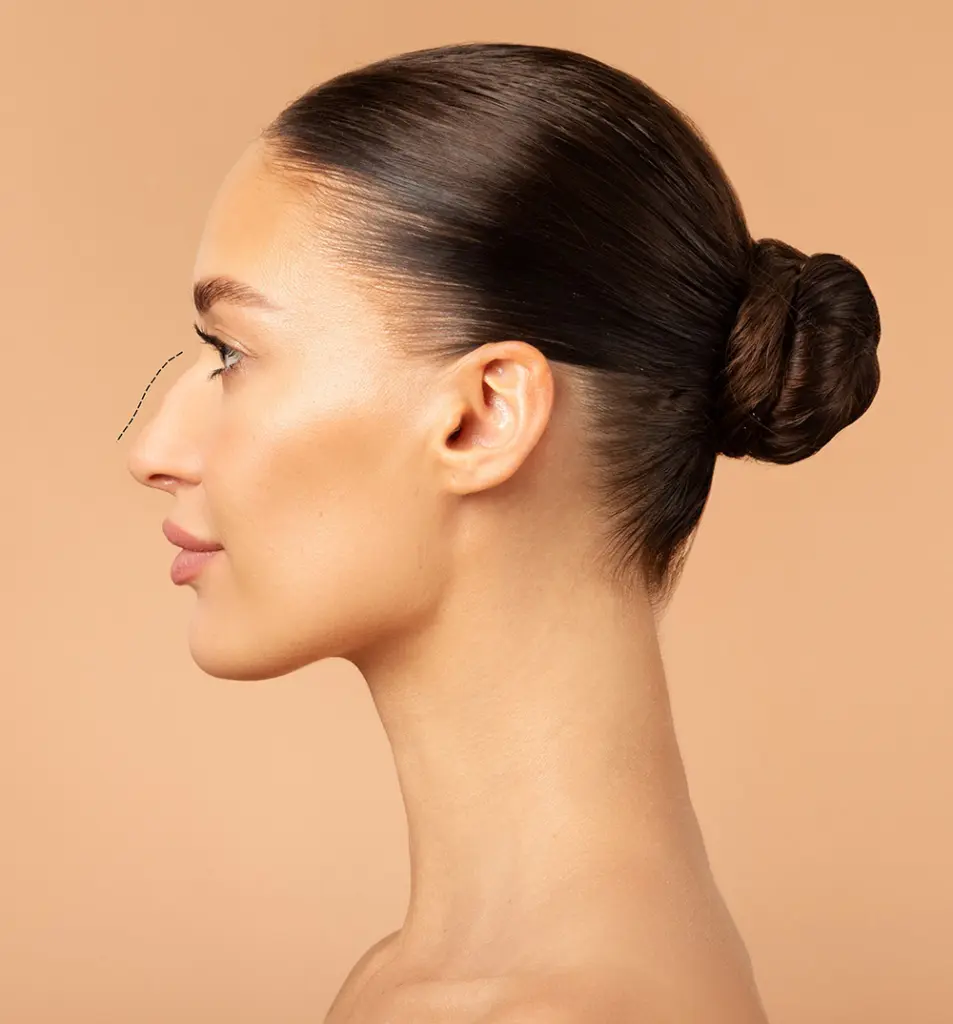
Preservation rhinoplasty is about refining the nose while preserving its natural character and key structures where appropriate.
This lovely patient is 29 years old and is now 18 months post surgery. Her result shows a smoother bridge and a more refined tip, creating a softer, more balanced profile while keeping everything in harmony with her face.
Most importantly, she’s delighted with her result.
Swipe to view the result from another angle and learn more about preservation rhinoplasty.
Every rhinoplasty is planned individually following consultation.
Images shared with the patient’s full consent.
📍 Northwood Hospital, Bristol | The London Welbeck Hospital
☎️ Office: 0117 332 1585
📱 Call or WhatsApp: 07414 163133
✉️ info@paulwilsonaesthetics.co.uk
#preservationrhinoplasty #rhinoplasty #rhinoplastybeforeandafter #paulwilsonaesthetics
Before and immediately after preservation rhinoplasty.
These operating-theatre photographs show the change in profile directly after surgery. The bridge has been carefully refined while maintaining a natural shape that remains in keeping with the rest of the face.
Preservation rhinoplasty uses techniques designed to retain as much of the nose’s natural structure as possible while making the planned changes to its shape.
At this stage, swelling is already present and will continue to change during recovery, so this should not be viewed as the final result.
As with any rhinoplasty, the surgical plan is tailored to the individual patient’s anatomy and the changes they would like to achieve.
Images shared with patient consent. Individual results will vary.
📍 Northwood Hospital, Bristol | The London Welbeck Hospital
☎️ Office: 0117 332 1585
📱 Call or WhatsApp: 07414 163133
✉️ info@paulwilsonaesthetics.co.uk
#PreservationRhinoplasty #Rhinoplasty #NoseSurgery #PaulWilsonAesthetics
A refreshed, natural result at six months.
This lovely 69-year-old patient came to see me hoping to improve the signs of ageing around her eyes, cheeks, jawline and neck, while still looking like herself.
She underwent a face and neck lift, upper and lower eyelid blepharoplasty, dermal fat grafting to the upper eyelids to improve hollowing, and silicone cheek implants to add support through the mid-face.
At her six-month review, she was delighted with the outcome, and I am very pleased with how naturally everything has settled.
Images shared with the patient’s full consent.
📍 Northwood Hospital, Bristol | The London Welbeck Hospital
☎️ Office: 0117 332 1585
📱 Call or WhatsApp: 07414 163133
✉️ info@paulwilsonaesthetics.co.uk
#FaceAndNeckLift #deepplanefacelift #Blepharoplasty #FacialRejuvenation #paulwilsonaesthetics
A change in volume, while still keeping the result in proportion.
Breast augmentation is about much more than simply choosing a size. Implant width, profile and projection are all considered alongside the patient’s existing breast tissue, chest width and personal preferences.
The aim for this patient was to add volume and upper pole fullness while creating a shape that complemented her frame.
Every patient is different, which is why every surgical plan is individual.
Images shared with patient consent.
📍 Northwood Hospital, Bristol | The London Welbeck Hospital
☎️ Office: 0117 332 1585
📱 Call or WhatsApp: 07414 163133
✉️ info@paulwilsonaesthetics.co.uk
#BreastAugmentation #BreastImplants #BreastSurgery #PaulWilsonAesthetics
Choosing to have surgery is a big decision, so feeling listened to and supported throughout the process really matters.
Thank you to this patient for taking the time to share such kind feedback about her body contouring experience with Paul and the team. It is always lovely to know that a patient felt informed, reassured and in safe hands from their first consultation onwards.
📍 Northwood Hospital, Bristol | The London Welbeck Hospital
☎️ Office: 0117 332 1585
📱 Call or WhatsApp: 07414 163133
✉️ info@paulwilsonaesthetics.co.uk
#BodyContouring #PatientReview #PatientExperience #PlasticSurgery #PaulWilsonAesthetics
Two different operations, planned to create one balanced result.
This lovely patient came to see me with significant developmental breast asymmetry and a tuberous breast appearance. It had understandably affected her confidence, particularly when choosing bras and swimwear.
Her aim was for both breasts to look and feel as similar as possible. As each breast required a different approach, the surgery was carefully planned to achieve a more balanced result.
The surgical plan:
◽ Left breast: subfascial augmentation using a 315cc Silimed silicone implant
◽ Right breast: augmentation and reduction mastopexy using a 225cc implant, with 375g of breast tissue removed
I always explain that improving breast shape means accepting scars. These will continue to settle with time.
At six months, I am very pleased with the balance we have achieved and, most importantly, she is delighted with her result.
Images shared with the patient’s kind permission. Individual results vary.
📍 Northwood Hospital, Bristol | The London Welbeck Hospital
☎️ Office: 0117 332 1585
📱 Call or WhatsApp: 07414 163133
✉️ info@paulwilsonaesthetics.co.uk
#BreastAsymmetry #BreastAsymmetryCorrection #TuberousBreast #BreastAugmentation #paulwilsonaesthetics
Made it to Northwood on two wheels this morning 🚴♂️
Most of the team here are quite used to seeing me arrive by bike. I cycle into work whenever I can, as it’s a great way to enjoy some fresh air, fit in a little exercise and start the day feeling energised.
Now for a quick change out of the Lycra and on with the working day!
#paulwilsonaesthetics #cycletowork
Only three appointments remaining.
Once these appointments have been filled, you can request to join our priority cancellation list.
Meet Consultant Plastic Surgeon Mr Paul Wilson at Northwood Hospital, Bristol, on Saturday 12th September.
These complimentary 15–20 minute introductory appointments offer an opportunity to meet Paul, discuss the surgery you are considering, ask initial questions and understand the next steps.
This is an introductory appointment rather than a full clinical consultation. Advance booking is essential.
To request one of the remaining appointments:
DM us
WhatsApp: 07414 163133
Office: 0117 332 1585
Email: info@paulwilsonaesthetics.co.uk
#PaulWilsonAesthetics #NorthwoodHospital #Bristol #AestheticSurgery #PlasticSurgery
A result worth revisiting.
Photographed just over two months following a deep plane facelift and neck lift, this result shows a fresher, more supported appearance without changing the patient’s character.
The surgery addressed the cheeks, early jowling and neck, creating a smoother transition through the lower face and jawline.
With the patient’s short hairstyle, the area around the ears is particularly visible, making the discreet appearance of the incisions an important part of this result.
The aim of facelift surgery is not to create a different face. It is to help the patient look refreshed while still looking like themselves.
What would you most like to know about deep plane facelift surgery?
Shared with patient consent.
📍 Northwood Hospital, Bristol | The London Welbeck Hospital
☎️ Office: 0117 332 1585
📱 Call or WhatsApp: 07414 163133
✉️ info@paulwilsonaesthetics.co.uk
#DeepPlaneFacelift #NeckLift #FaceliftResults #NaturalResults #PaulWilsonAesthetics
Considering aesthetic surgery and unsure where to begin?
Join us at Northwood Hospital, Bristol, on Saturday 12th September for a complimentary 15–20 minute introductory appointment with Consultant Plastic Surgeon Mr Paul Wilson.
With extensive experience across facial, breast and body surgery, Paul offers a considered and individual approach to every patient.
You are welcome to discuss procedures including:
• Rhinoplasty
• Facelift and facial surgery
• Facial implants
• Hairline lowering
• Breast surgery
• Abdominoplasty and body contouring
• VASER liposuction
• Arm and thigh lifts
This relaxed one-to-one conversation provides an opportunity to meet Paul, ask initial questions, discuss whether the procedure may be appropriate for you and understand the next steps in your surgical journey.
This is an introductory appointment rather than a full clinical consultation.
Appointments are available between 10am and 2pm. Advance booking is essential, and a limited number of appointments are available.
To request an appointment:
WhatsApp: 07414 163133
Office: 0117 332 1585
Email: info@paulwilsonaesthetics.co.uk
Or send us a DM.
Please include the procedure you are considering and whether you would prefer a morning or afternoon appointment.
#PaulWilsonAesthetics #NorthwoodHospital #Bristol #AestheticSurgery #PlasticSurgery
Choosing a surgeon for rhinoplasty involves more than considering the procedure itself. Experience, surgical approach, aftercare and the wider clinical team all form part of the decision.
Mr Wilson has more than 30 years of experience in facial surgery, including extensive experience in rhinoplasty. His practice has evolved from structural rhinoplasty to also incorporating preservation techniques, allowing the surgical plan to be adapted according to the patient’s anatomy and individual concerns.
A significant proportion of his rhinoplasty practice also involves secondary or revision surgery. These procedures are often more complex because the nasal structure may have already been altered by previous surgery, making careful assessment and detailed planning particularly important.
Patients undergoing surgery at Northwood Hospital are supported by an experienced surgical, anaesthetic and nursing team throughout their treatment journey. From the initial consultation and pre-operative assessment to surgery and long-term follow-up, the aim is to provide continuity of care within one clinical setting.
Ultimately, choosing a rhinoplasty surgeon is a personal decision. Patients should feel comfortable asking about experience, techniques, expected outcomes, limitations, risks and aftercare before deciding whether to proceed.
🏥 Paul Wilson Aesthetics
📍 Northwood Hospital, Bristol, UK
📞 0117 332 1585 | 07480 125 890
📧 info@paulwilsonaesthetics.co.uk