Book A Consultation

Treatment face

Ear Reshaping (Otoplasty) Surgery in the UK

Enhance facial harmony and boost confidence with otoplasty. This ear reshaping surgery alters the size, shape or position of the ears, addressing concerns such as prominent ears, asymmetry or irregularities caused by injury or congenital conditions.

Ear reshaping surgery, also known as otoplasty, is a procedure designed to alter the shape, position or proportion of the ears by reshaping or repositioning the underlying cartilage. It can be performed in both adults and children and is commonly used to address concerns such as prominent ears or asymmetry.

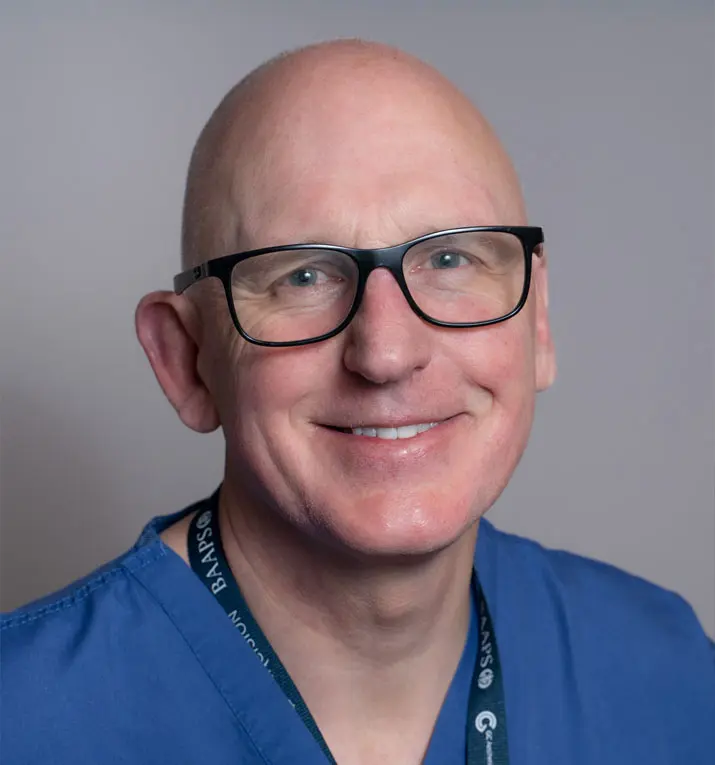
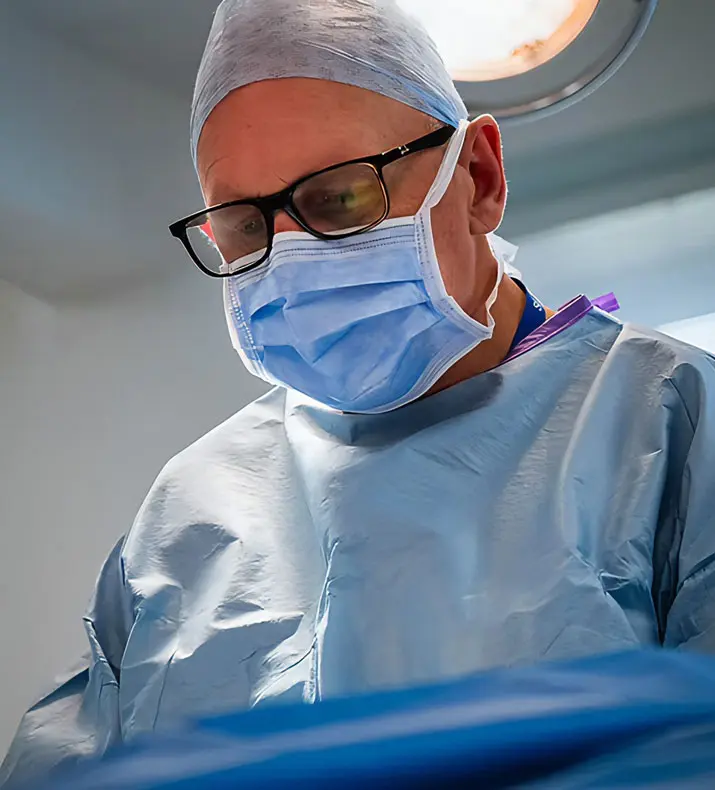
At Paul Wilson Aesthetics, otoplasty is performed by Mr Paul Wilson, a surgeon with extensive experience in facial aesthetic surgery. He combines advanced techniques with a considered aesthetic eye to develop a personalised treatment plan tailored to each patient’s needs.

About

What is otoplasty?

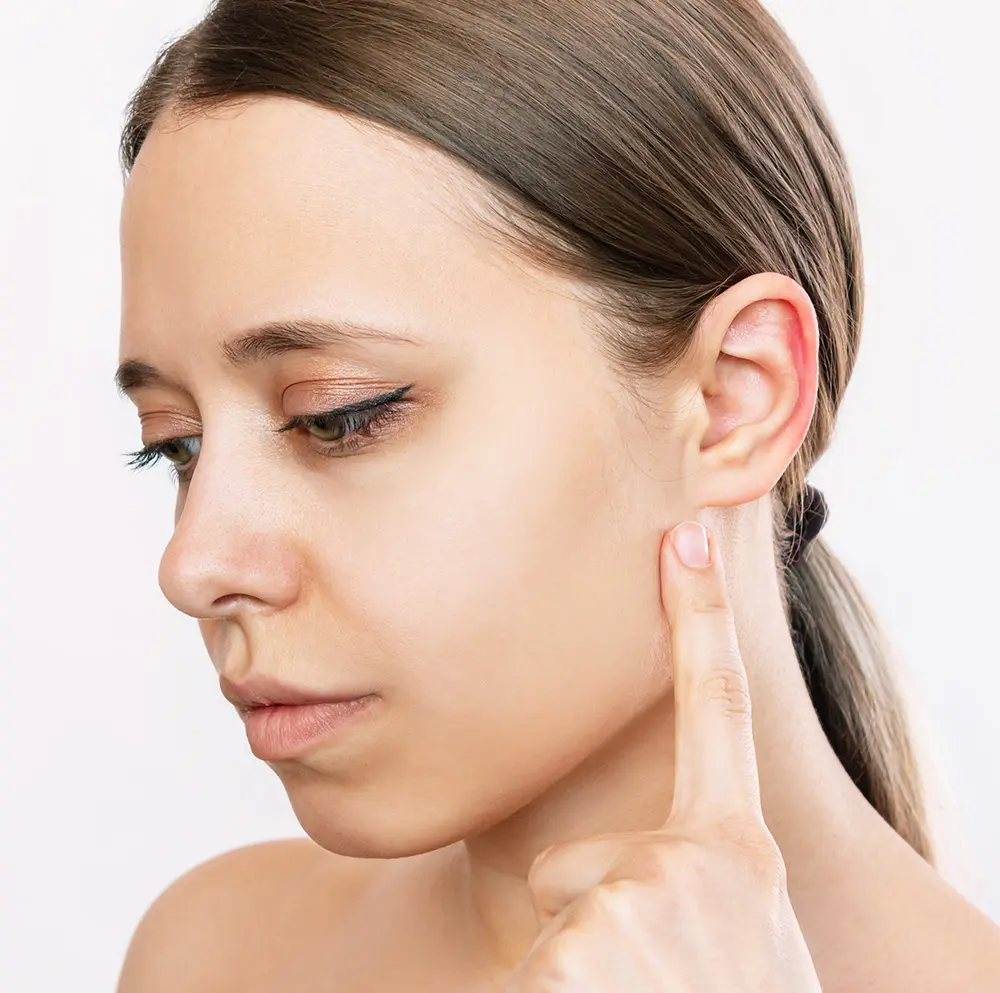
Otoplasty, also known as ear reshaping, is a procedure performed to improve the position, shape or projection of the ears. Prominent ears, sometimes referred to as “bat ears”, are usually the result of natural variations in ear anatomy, such as a poorly defined antihelical fold, an enlarged conchal bowl, or a combination of both.

Although prominent ears do not affect hearing, they can influence confidence and self-esteem, particularly during childhood and adolescence. Otoplasty addresses these structural characteristics by reshaping or repositioning the ear cartilage to achieve a more balanced appearance that sits naturally in proportion with the rest of the face.

Otoplasty Surgery | Ears Pinned Back Surgery | Otoplasty Procedure

benefits

What are the benefits of ear reshaping?

Ear reshaping surgery may offer a number of benefits, including:

candidates

Who is a good candidate for otoplasty?

Ear reshaping surgery may be suitable for individuals who:

What to expect

What to expect during otoplasty?

Consultation

During your consultation, Mr Wilson will assess the structure, position and asymmetry of your ears. He will discuss your concerns, review your medical history and explore your aesthetic goals to determine whether ear reshaping surgery is suitable for you.

This consultation is your opportunity to ask questions, explore your options and ensure you feel fully informed and confident before deciding whether to proceed.

Anaesthesia and Procedure Time

Ear reshaping surgery typically takes around 1.5 to 2.5 hours, depending on the extent of correction required.

For adult patients, the procedure is most commonly performed under local anaesthesia with sedation to ensure comfort throughout surgery. In children, otoplasty is usually carried out under general anaesthesia. Mr Wilson will confirm the expected duration of your procedure during your consultation.

Surgery

During otoplasty, incisions are placed discreetly behind the ear to minimise visible scarring.

Depending on the ear’s anatomy, surgery may involve creating or refining the antihelical fold by reshaping or reinforcing the inner ear cartilage with sutures to achieve a natural curve.

In cases where the conchal bowl is overly prominent, a small amount of excess cartilage may be removed and the remaining cartilage repositioned closer to the head. Often, both the antihelical fold and the conchal bowl are addressed during the same procedure to achieve the desired result.

Closure

Mr Wilson carefully reshapes the ear cartilage and secures it in its new position with permanent clear nylon sutures. Once the desired correction has been achieved, the incisions are closed, and a protective bandage is applied to support healing.


Recovery

Recovery and results of ear reshaping

Recovery following ear reshaping surgery varies between individuals.

What to expect

After surgery, it is normal to experience mild swelling, bruising and tenderness around the ears. These effects are usually most noticeable during the first few days and typically settle within one to two weeks. A protective dressing or headband may be worn for several days to support healing and protect the ears while the tissues stabilise.

Initial results are often visible once the bandages are removed, revealing a more proportionate ear shape and position.

Activity and movement

Most patients can return to work and light daily activities within five to seven days. Strenuous exercise, heavy lifting and contact sports should be avoided for several weeks to reduce the risk of complications and protect the ears during healing. Your surgeon will advise when it is safe to gradually resume normal activities.

Follow-up care and long-term results

Follow-up appointments will be arranged to monitor healing and ensure recovery is progressing as expected. Final results are typically achieved within 6-12 weeks, once swelling has fully settled.

With proper care, otoplasty delivers long-lasting results, allowing patients to enjoy renewed confidence and satisfaction with their appearance.

Otoplasty Surgery | Otoplasty Procedure | Ear Reshaping Surgery

Risks & complications

Risks and potential complications of otoplasty

As with any surgical procedure, otoplasty carries some risks and potential complications. These may include:

Your surgeon will discuss all potential risks during your consultation, ensuring you are fully informed before deciding to proceed.

Fees

How much does ear reshaping cost?

The cost of otoplasty depends on the complexity of the procedure. Factors such as the extent of correction required and the type of anaesthesia used may also influence the overall cost.

Your surgeon will discuss all pricing details during your consultation, ensuring that you have a clear understanding of what is required before making any decisions.

Results

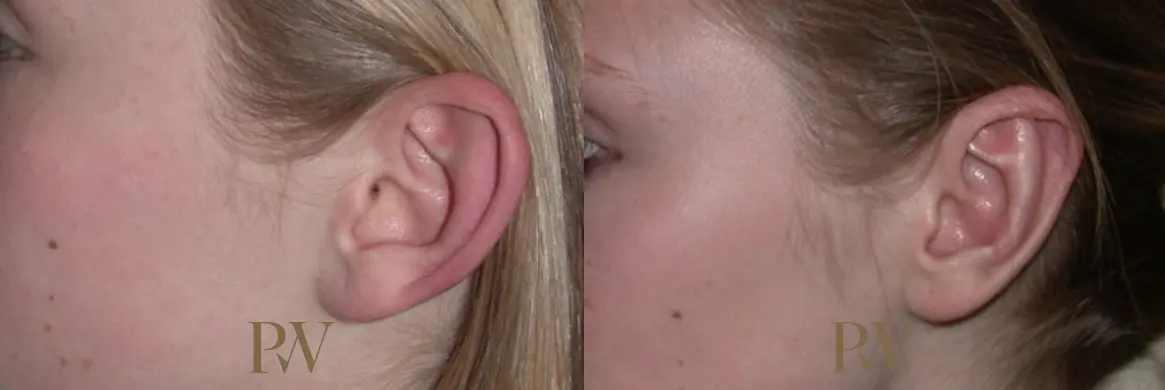
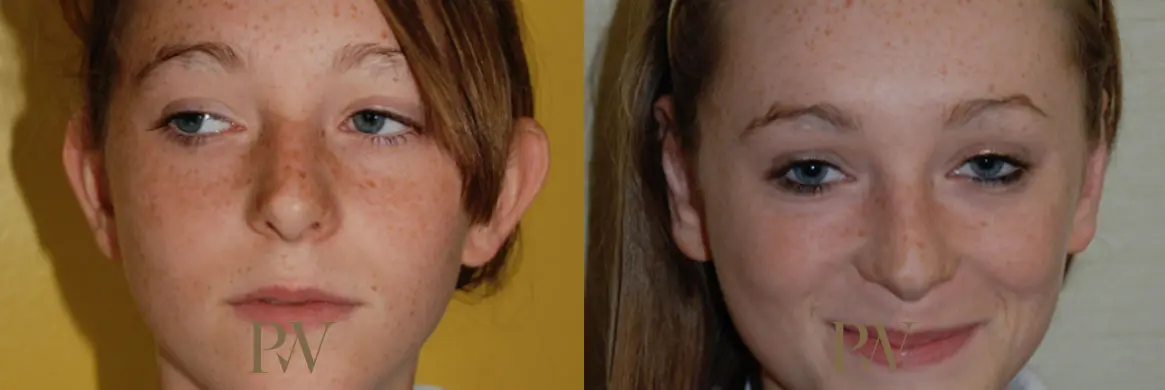
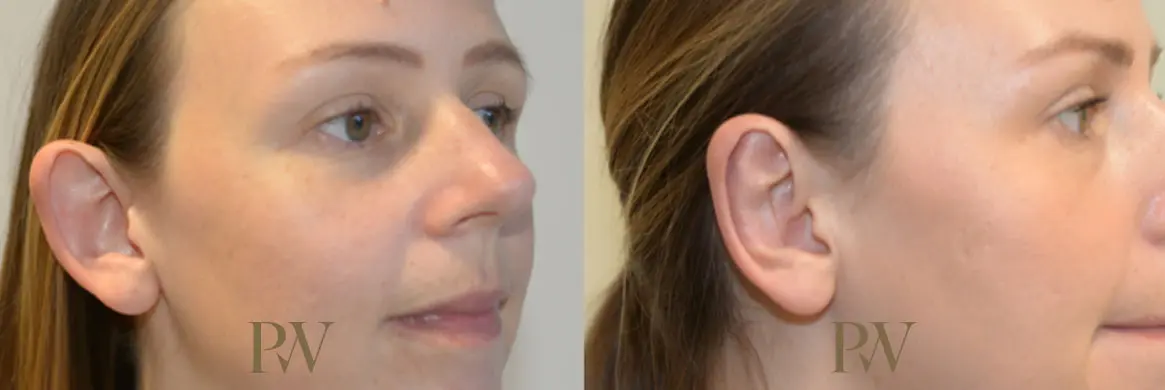
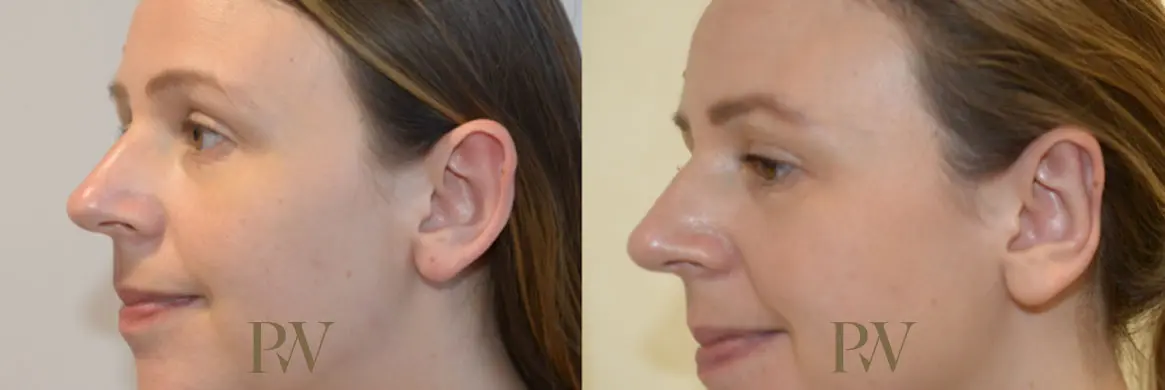
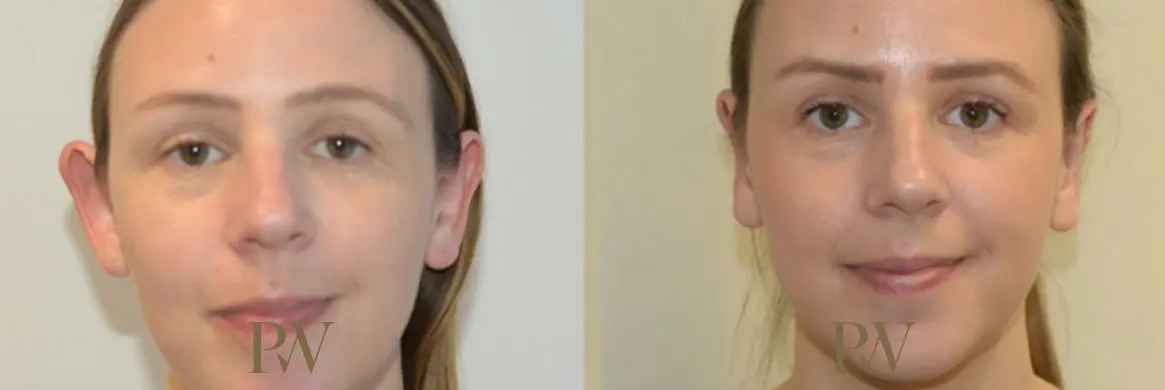
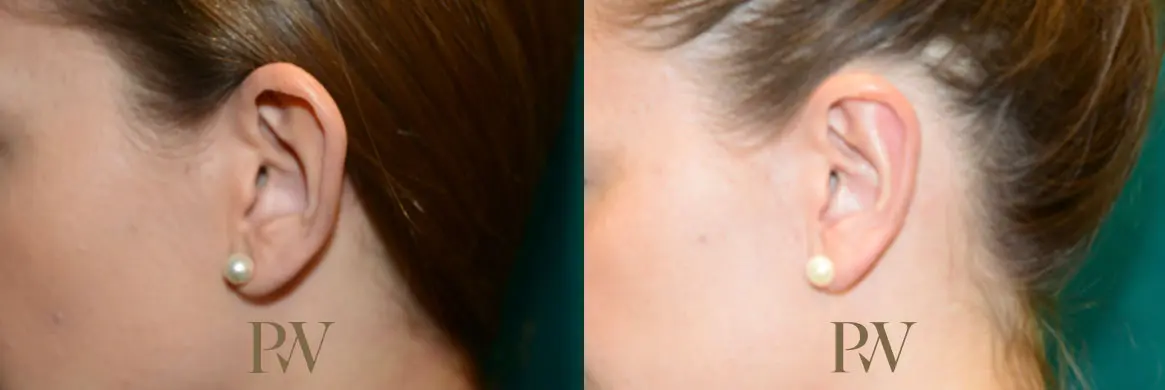
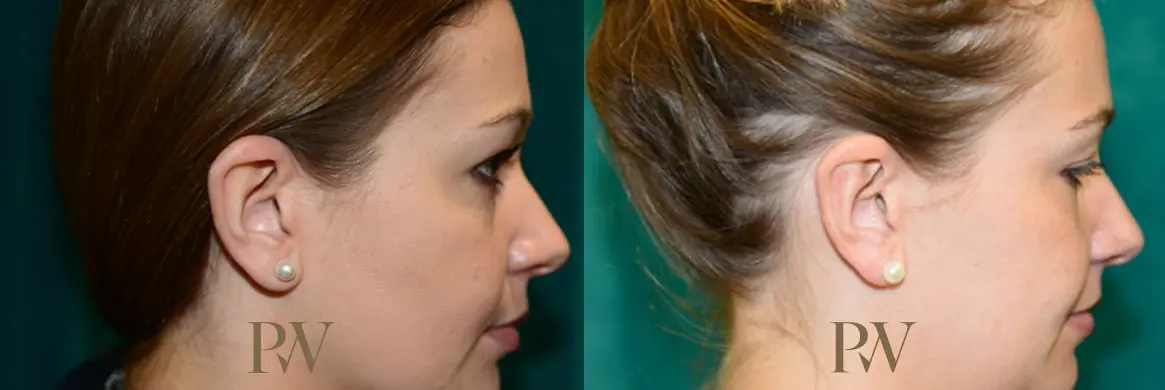
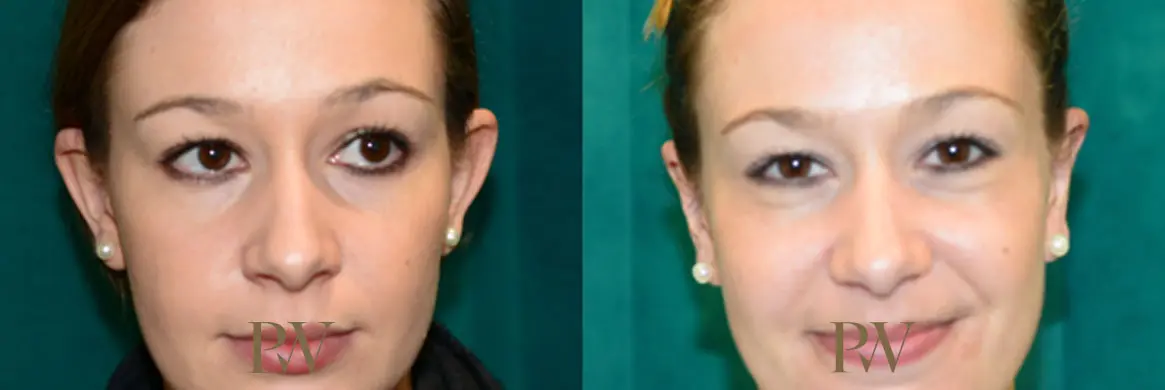
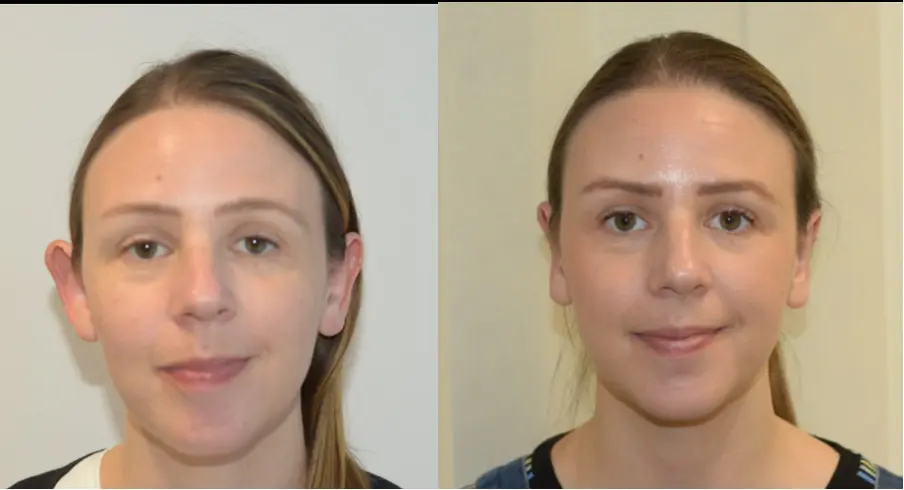
Otoplasty before and after photos

Mr Paul Wilson - FAQ

FAQ

Frequently Asked Questions

How long does otoplasty take?

Otoplasty typically takes 1.5 to 2.5 hours to complete, depending on the complexity of the correction required. The duration may vary based on whether one or both ears are being treated and the surgical techniques used. During your consultation, Mr Wilson will provide a tailored estimate based on your specific requirements.

Most patients can return to work or school within 7 days after otoplasty, depending on the type of work they do and their overall recovery process. For office-based or non-strenuous jobs, this timeline is typically sufficient. However, those with physically demanding jobs may require additional time to heal. Mr Wilson will assess your recovery during follow-up appointments and advise you when it is safe to resume your normal routine.

The downtime after otoplasty is usually around one week. During this period, patients may experience swelling, bruising and mild discomfort around the ears. A supportive bandage or headband is often worn to protect the ears and maintain their new position. While light activities can be resumed within a few days, strenuous exercises and contact sports should be avoided for 4-6 weeks to ensure optimal healing.

The first follow-up appointment is usually scheduled within 7 days after surgery to remove any dressings and check the healing progress. Additional follow-ups may occur at 2 weeks, 6 weeks and 3 months, depending on your recovery and specific case. Mr Wilson and his team will monitor your healing and ensure you’re satisfied with the results, providing guidance throughout the recovery process.

In most cases, otoplasty results are permanent, and patients do not need to repeat the procedure. The cartilage in the ears is reshaped and secured during surgery, ensuring long-lasting improvements. However, significant trauma or injury to the ears could alter the results. Following post-operative care instructions and avoiding activities that may risk ear damage can help maintain the outcome. Mr Wilson will discuss these aspects during your consultation.

Most patients are advised to wear a supportive headband for several days to one week after surgery to protect the ears and maintain their new position. In some cases, Mr Wilson may recommend continuing to wear the headband at night for an additional period to support healing. The exact duration will depend on your individual procedure and how your ears are healing.

After otoplasty, patients are advised to sleep on their back with their head slightly elevated to minimise swelling and avoid pressure on the ears. Sleeping on your side should be avoided during the early stages of recovery as this can affect healing and cause discomfort. Using extra pillows or a travel pillow may help keep your head in a stable position while you sleep.

Light activities such as gentle walking can usually be resumed within a few days after surgery. However, strenuous exercise, heavy lifting and contact sports should be avoided for 4-6 weeks to reduce the risk of swelling, bleeding or injury to the ears. Mr Wilson will advise when it is safe to gradually return to exercise based on your recovery at follow-up appointments.

Paul Wilson Aesthetics - Schedule your consultation

Schedule your consultation

Book a consultation with Paul Wilson Aesthetics

Patients choose Paul Wilson Aesthetics not only for the team’s surgical expertise, but also for their thoughtful, honest and patient-centred approach to aesthetic care. To get started, book a consultation where our team will discuss your concerns, outline your goals and determine if ear reshaping surgery is the right option for you.

Schedule your consultation