Book A Consultation

Treatment breast

Arm Reduction (Brachioplasty) in the UK

Restore a slimmer, more sculpted arm contour with arm reduction surgery. This procedure is designed to remove excess skin and fat from the upper arms to create a firmer, smoother and more defined shape.

Many people seek arm reduction surgery to address concerns such as loose or hanging skin after weight loss, age-related skin laxity, persistent upper-arm fullness, or difficulty finding clothing that fits comfortably.

By removing excess skin and fat and tightening the underlying tissues, the procedure enhances arm shape, improves comfort and restores confidence in wearing sleeveless or fitted garments.

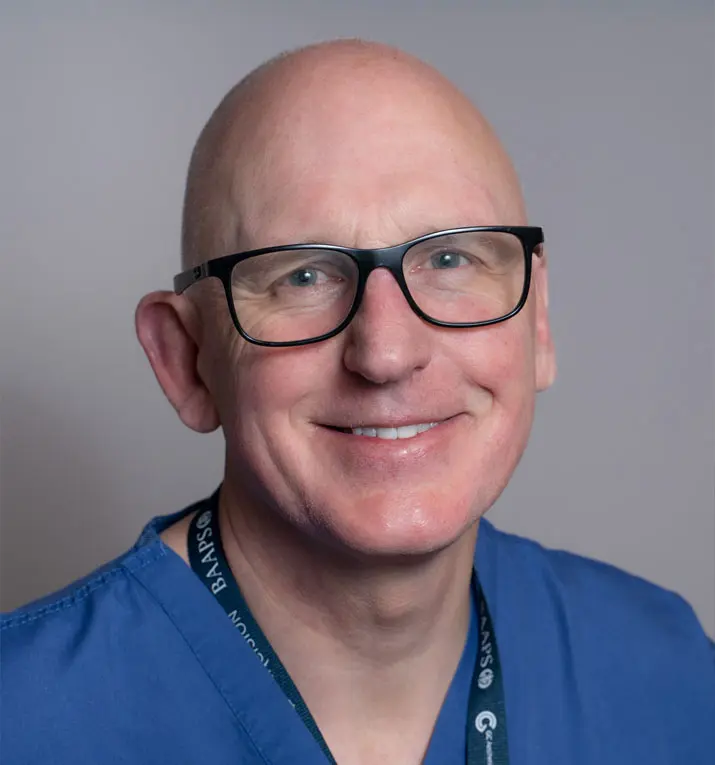
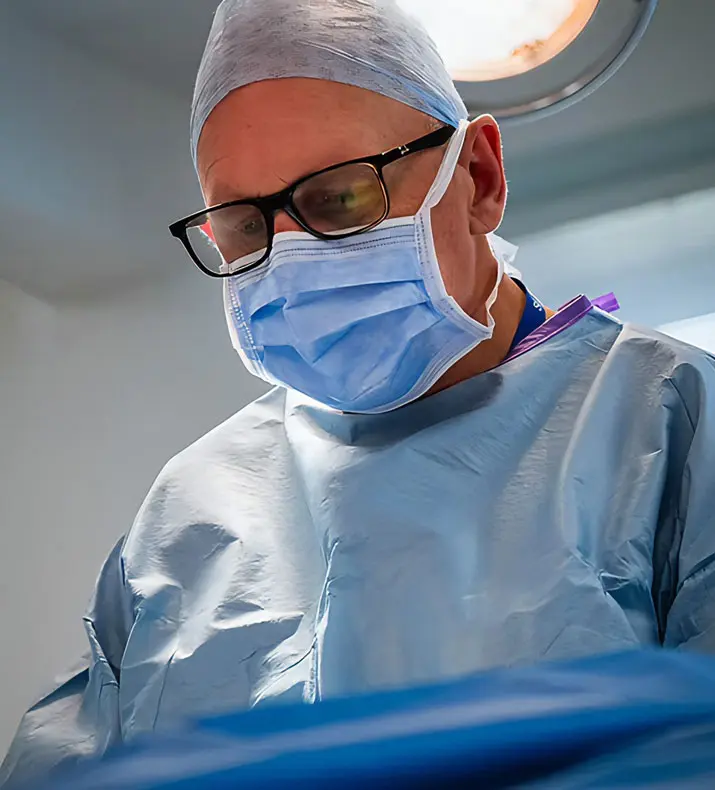
At Paul Wilson Aesthetics, Mr. Paul Wilson has numerous years of experience in arm reduction surgery and can help you achieve smoother, firmer and more sculpted upper arms.

About

What is arm reduction surgery?

Arm reduction surgery, also known as an arm lift or brachioplasty, is a procedure that reshapes and refines the upper arms by removing excess skin and reducing excess fat. This helps create a smoother, firmer and more contoured arm appearance, particularly for individuals bothered by sagging tissue or “bingo wings” that do not improve with exercise.

During the procedure, your surgeon removes redundant skin and tightens the underlying tissues to restore a more toned arm shape. Liposuction may also be used, either on its own or in combination with skin removal, to address stubborn pockets of fat and enhance overall definition.

The goal is to achieve a natural, balanced contour that improves arm proportions, restores confidence in wearing sleeveless or fitted clothing and enhances comfort during everyday movement.

Arm Lift Surgery | Brachioplasty | Arm Reduction Surgery

benefits

What are the benefits of arm reduction surgery?

Arm reduction surgery offers both aesthetic and functional benefits by removing excess skin, reducing unwanted fat and reshaping the underlying tissues of the upper arm. These changes can create a firmer, smoother and more defined arm contour that many people find difficult to achieve through exercise alone.

Benefits may include:

candidates

Who is a good candidate for arm reduction surgery?

Arm reduction surgery may be suitable for individuals in good health who want to improve the shape, contour, or proportion of their upper arms. You may be a good candidate if you:

What to expect

What to expect during arm reduction surgery?

Consultation

Your surgeon will begin with a detailed consultation to ensure you feel fully informed and confident before proceeding. This appointment involves a discussion of your concerns, such as excess skin, fullness of the upper arms, difficulty fitting clothing, or changes in arm shape following weight loss or ageing.

Your surgeon will assess your arm anatomy, skin quality, the amount of excess skin and whether fat accumulation is contributing to the overall appearance. This helps determine whether arm-reduction surgery alone is appropriate or whether combining it with liposuction would produce a smoother, more refined contour.

You will also be able to ask questions about expected results, scar placement, recovery and whether the procedure can be combined with other body-contouring treatments.

Anaesthesia and Procedure Time

Arm reduction surgery (Brachioplasty) is usually performed under general anaesthesia. The duration of the procedure varies depending on the amount of skin and fat to be removed and whether liposuction is being used alongside skin excision. Most surgeries take between two to three hours.

Incision Placement

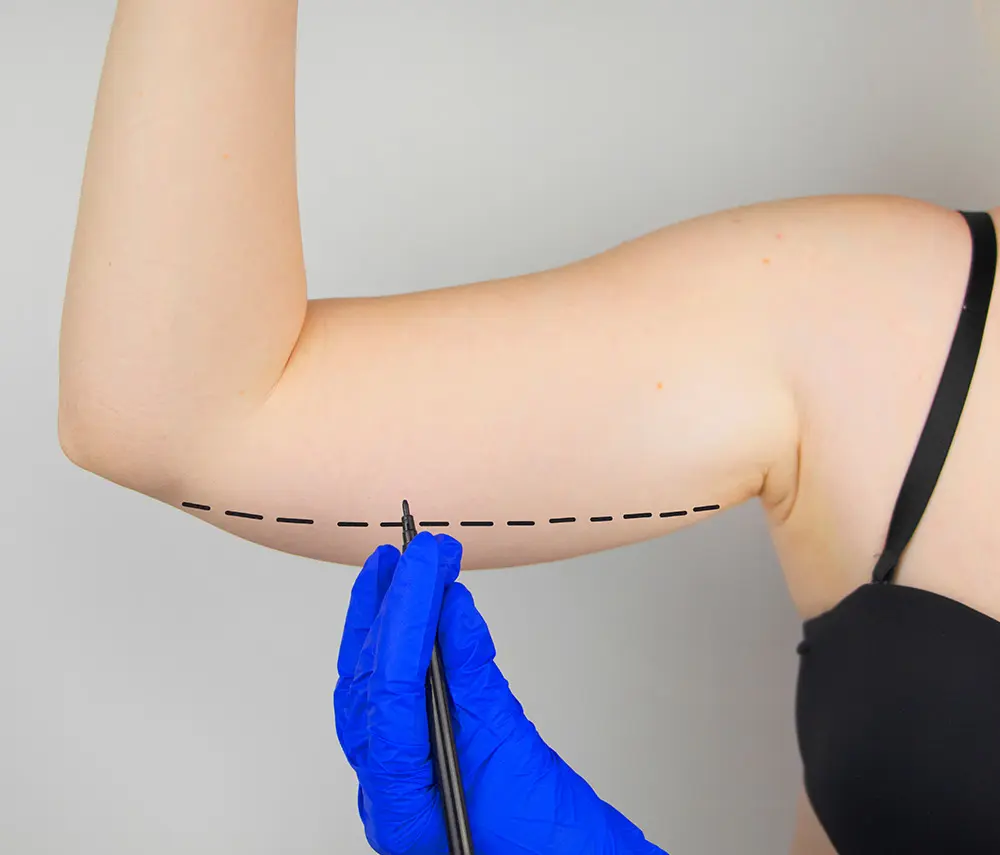
Incisions are carefully positioned along the inner surface of the upper arm to help keep scarring as discreet as possible. Most procedures result in a scar that runs from the elbow into the axilla, though its length depends on how much excess skin needs to be removed.

If upper-arm fullness is also caused by excess fat, liposuction may be performed through small, subtle incisions to refine the contour before the loose skin is excised.

Skin Removal and Tightening

During the procedure, excess skin is removed, and the underlying tissues are tightened to create a slimmer, smoother and more defined arm contour. Liposuction may be performed simultaneously to remove stubborn pockets of fat and enhance the final shape.

By combining skin excision with fat reduction when appropriate, the surgeon can create a more sculpted upper arm that better aligns with your body proportions.

Closing the Incisions

Once the reshaping is complete, the incisions are closed with absorbable sutures and supportive dressings are applied. A compression garment is typically worn after surgery to minimise swelling and help the tissues settle into their new, refined contour.

Scar Management

Your surgeon will provide personalised advice on caring for your scar as it heals. While there will be an incision line, most scars fade and soften significantly over time. Factors such as genetics, skin quality and adherence to scar-care recommendations influence the final appearance.


Recovery

Recovery and results of arm reduction surgery

Recovery after arm reduction surgery varies from person to person and depends on the extent of skin removal, whether liposuction was performed and your body’s natural healing response.

What to expect

Swelling, bruising and a feeling of tightness along the upper arms are very common during the early stages of healing. These symptoms gradually improve over the first two to three weeks. Mild discomfort, numbness, or changes in sensation can occur around the incision line as the tissues settle, and these can be managed with prescribed or over-the-counter pain relief.

It is normal for the arms to feel firm or tender initially, especially after liposuction. Keeping the arms elevated when possible can help reduce swelling in the early postoperative period.

Dressings and compression garments

A supportive compression garment will be provided and should be worn continuously for several weeks. This garment helps minimise swelling, supports the healing tissues and assists the skin in contouring smoothly around the newly shaped arm. Dressings will cover the incision line, and your surgeon will give instructions on when they can be changed or removed.

Activity and movement

Most patients can resume light daily activities within a few days, such as gentle household tasks. Driving is usually possible after about one week, provided arm mobility is comfortable and unrestricted.
Returning to work depends on the nature of your job. Many patients return within one to two weeks, although physically demanding roles may require more time.

Exercise should be reintroduced gradually. Light walking is encouraged early on, but strenuous activity, heavy lifting, upper-body workouts and contact sports must be avoided for at least six weeks to protect the healing incisions and prevent strain on the arms.

Scars and long-term results

The incision typically runs along the inner surface of the upper arm, extending from the underarm to the elbow. Scars initially appear firm or raised but soften and fade over 12–18 months. Scar quality depends partly on individual healing, genetics and adherence to aftercare instructions.

As swelling settles, the arms become noticeably slimmer, smoother and more defined. Final results continue to improve over several months as the skin contracts and the tissues refine.

Follow-up care

You will receive personalised aftercare instructions, including how to care for the incision line, manage swelling and identify any signs that may require attention. Scheduled follow-up appointments allow your surgeon to monitor healing, assess scar development and ensure your results progress as expected.

Arm Lift Surgery | Brachioplasty | Arm Reduction Surgery

Risks & complications

Risks and potential complications of arm reduction surgery

As with any surgical procedure, arm reduction (brachioplasty) carries certain risks. While complications are uncommon, it is important to be aware of potential risks, which may include:

Your surgeon will discuss all potential risks during your consultation, ensuring you are fully informed before deciding to proceed.

Fees

What is the cost of arm reduction surgery in the UK?

The cost of arm reduction surgery in the UK varies depending on several factors, including the amount of excess skin and fat to be removed, whether liposuction is required and the overall complexity of the procedure. Additional considerations, such as surgeon fees, hospital or facility costs can also influence the total price.

A personalised quote will be provided after your consultation and once your surgeon has determined the most appropriate treatment plan for your goals and anatomy.

Results

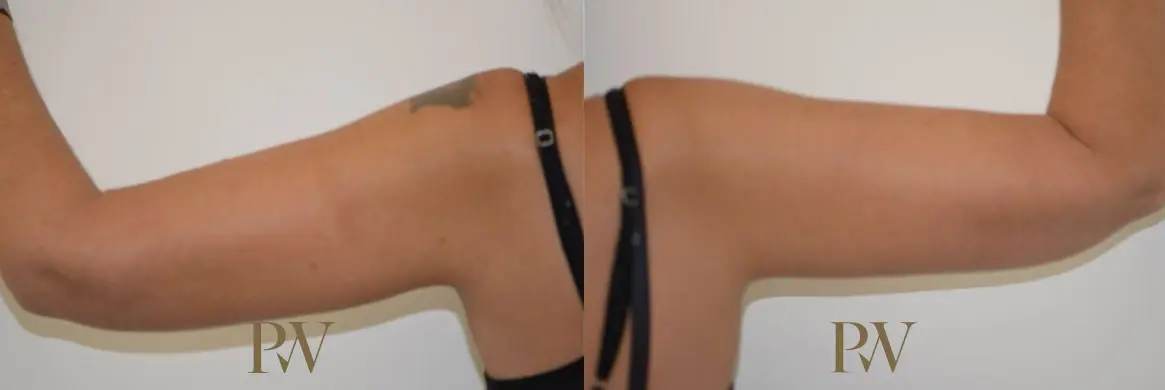
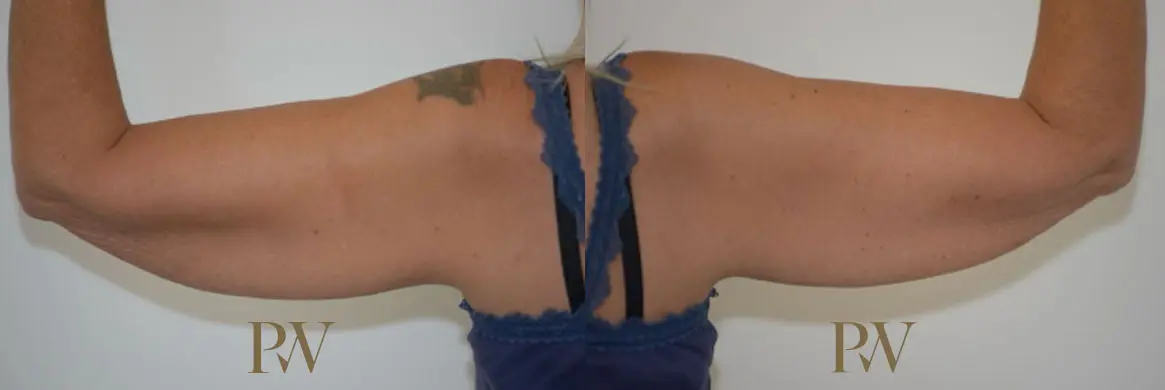
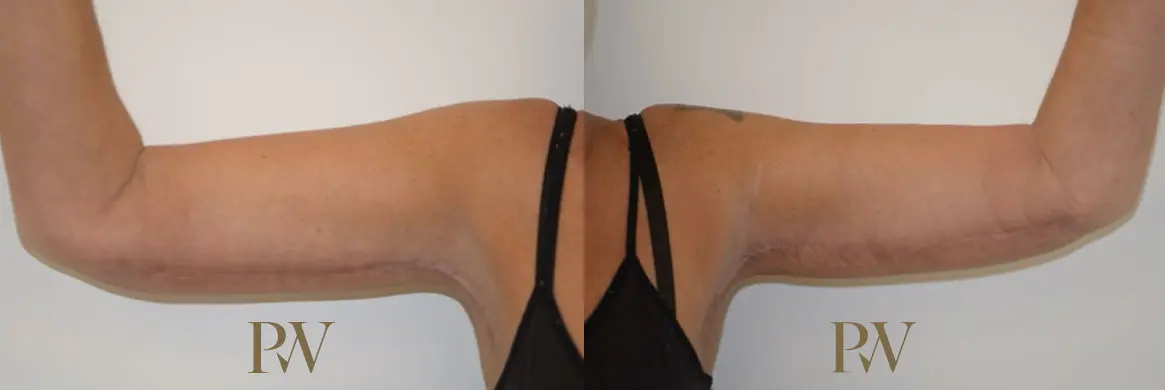
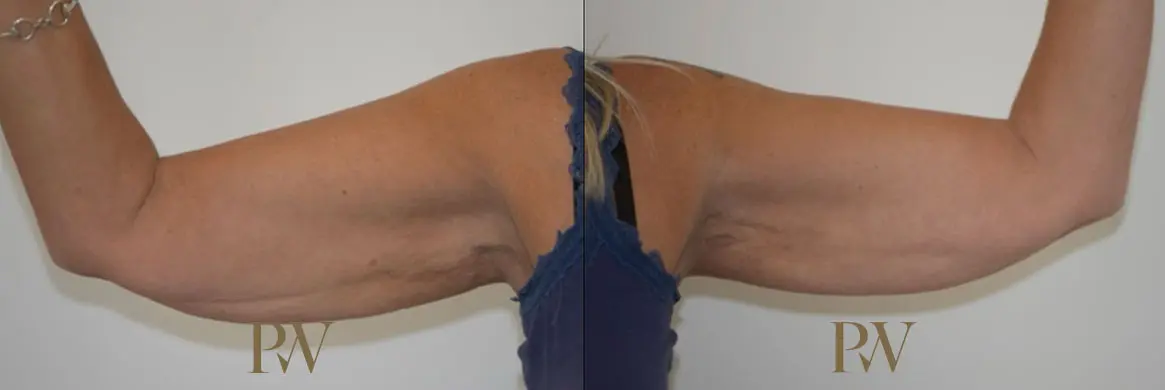
Arm reduction surgery before and after photos

Mr Paul Wilson - FAQ

FAQ

Frequently Asked Questions

How long does it take to recover from arm reduction surgery?

Most patients can return to light daily activities within one to two weeks. Swelling and bruising gradually settle over the first few weeks, while strenuous exercise and heavy lifting should be avoided for at least six weeks. Final results take several months to fully develop as the tissues heal and the scars mature.

Yes. Arm reduction surgery results in a scar that typically extends from the underarm to the elbow along the inner or back surface of the upper arm. The length and appearance of the scar depend on how much excess skin needs to be removed and how your body heals.

The results of arm reduction surgery are long-lasting, provided you maintain a stable weight. Removed skin and fat do not return; however, natural ageing and significant weight fluctuations can affect skin firmness over time. Maintaining a healthy lifestyle and stable body weight can help preserve your results for many years.

Paul Wilson Aesthetics - Schedule your consultation

Schedule your consultation

Book a consultation with Paul Wilson Aesthetics

Patients choose Paul Wilson Aesthetics not only for the team’s surgical expertise, but also for their thoughtful, honest and patient-centred approach to aesthetic care. To get started, book a consultation where our team will discuss your concerns, outline your goals and determine if a deep plane facelift is the right option for you.

Schedule your consultation