Book A Consultation

Treatment face

Eyelid Surgery (Blepharoplasty) in the UK

Restore a refreshed, more youthful appearance with blepharoplasty. This procedure is designed to remove excess skin, fat and, when needed, muscle from the eyelids to create a smoother, more open and rejuvenated eye contour.

Many people seek blepharoplasty to address concerns such as drooping eyelids, puffiness, under-eye bags, visual obstruction or a constantly tired appearance. By reshaping the upper and/or lower eyelids, the procedure can significantly improve both aesthetic appearance and, in some cases, functional vision. This helps enhance confidence, comfort, and overall quality of life.

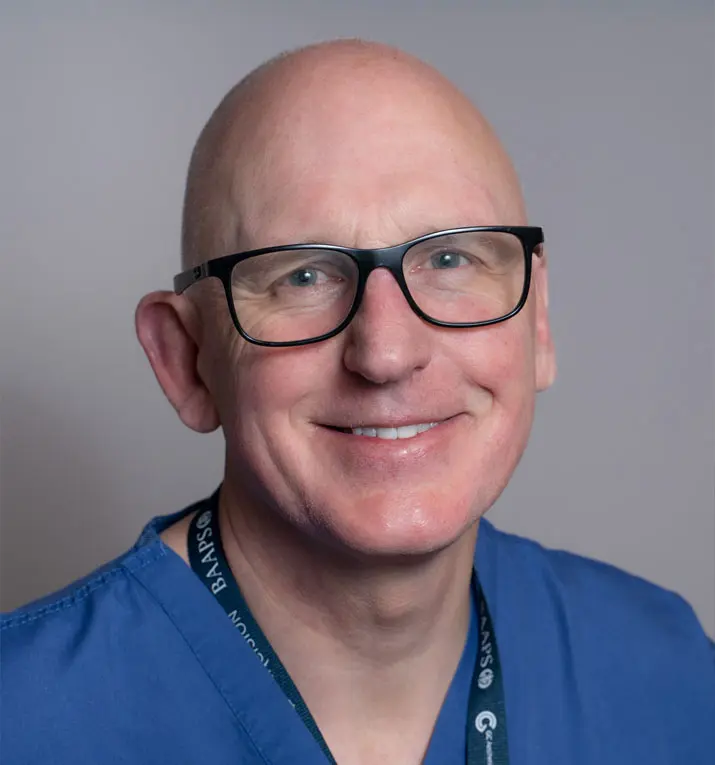
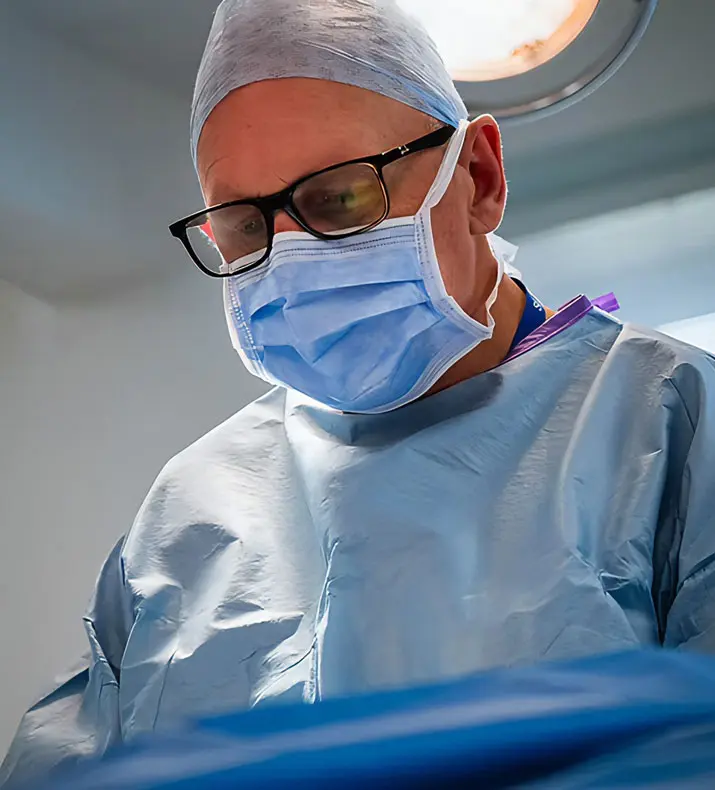
At Paul Wilson Aesthetics, Mr. Paul Wilson has extensive expertise in facial aesthetics and eyelid surgery. He combines advanced techniques with meticulous attention to detail to deliver natural-looking results tailored to your unique anatomy and aesthetic goals.

About

What is blepharoplasty surgery?

Blepharoplasty, also known as eyelid surgery, is a procedure designed to improve the appearance and function of the upper eyelids, lower eyelids or both. It works by removing or repositioning excess skin, fat and sometimes muscle to create a smoother, more lifted and refreshed eye contour.

During the procedure, your surgeon carefully reshapes the eyelid area to address concerns such as drooping upper lids, puffiness, under-eye bags or skin laxity that may contribute to a tired or aged appearance. In some cases, upper eyelid blepharoplasty can also improve vision by reducing excess skin that hangs over the lash line.

The goal is to achieve a natural, rejuvenated look that enhances facial harmony, restores a more alert appearance and, for some patients, improves visual function.

Blepharoplasty Surgery | Eyelid Surgery | Blepharoplasty

Types

Types of blepharoplasty surgery

Blepharoplasty can be performed on the upper eyelids, lower eyelids, or both, depending on your concerns and desired results.

Upper Eyelid Blepharoplasty

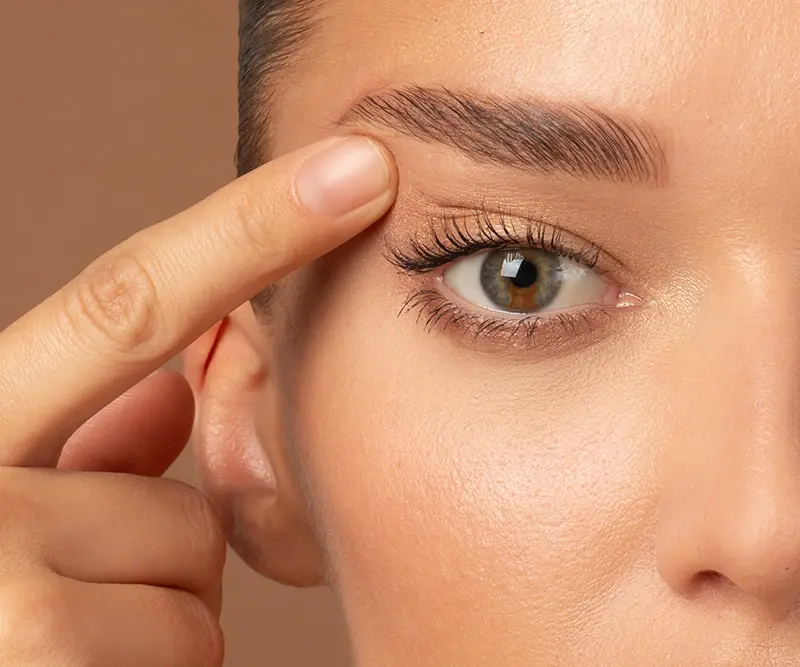
Upper blepharoplasty is the most common type of eyelid surgery. It focuses on removing excess skin from the upper eyelid, which can create heaviness, hooding or a tired appearance.

In some cases, small pockets of fat that bulge forward can also be removed or repositioned to achieve a smoother, more defined upper eyelid contour. This procedure can enhance the eye shape and, for some patients, improve vision if excess skin obstructs their field of view.

Lower Eyelid Blepharoplasty

Lower blepharoplasty is a more involved procedure that targets under-eye bags, puffiness and sagging. The operation is highly effective at reducing eye bags by removing or repositioning excess fat.

Some skin may also be tightened or trimmed; however, this must be done carefully, as removing too much skin can pull the lower lid downward. While it improves smoothness and contour, wrinkle reduction is less predictable because only a limited amount of skin can be safely removed.

benefits

What are the benefits of blepharoplasty surgery?

Blepharoplasty offers both aesthetic and functional benefits by removing excess skin, tightening underlying tissues and improving the overall contour of the eyelids. Depending on whether the upper, lower or both lids are treated, benefits may include:

candidates

Who is a good candidate for blepharoplasty surgery?

Blepharoplasty may be suitable for individuals in good general health who wish to address concerns related to ageing or changes around the eyes. You may be a good candidate if you:

What to expect

What to expect during blepharoplasty surgery?

Consultation

Your surgeon will begin with a thorough consultation to ensure you feel fully informed, comfortable and confident before deciding to proceed. This appointment includes a detailed discussion about your concerns, such as drooping upper lids, puffiness or bags beneath the eyes, excess skin, changes related to ageing or sun damage and any impact these issues may have on your vision or confidence.

Your eyelid anatomy, skin quality, muscle tone and the presence of excess fat will be assessed to determine whether upper blepharoplasty, lower blepharoplasty or a combination of both is most appropriate. You will have the opportunity to ask questions about the likely results, incision placement, recovery, scarring and whether blepharoplasty can be safely combined with other facial procedures if desired.

Anaesthesia and Procedure Time

Upper eyelid surgery is typically performed under local anaesthetic as a day procedure, making it a straightforward option for many patients. Lower eyelid surgery is a more involved operation and is usually performed under general anaesthesia. The duration of surgery depends on whether one or both eyelids are being treated, but most procedures take one to two hours.

Incision Placement

Incisions for upper and lower blepharoplasty are placed carefully to achieve effective results while keeping scars as discreet as possible.

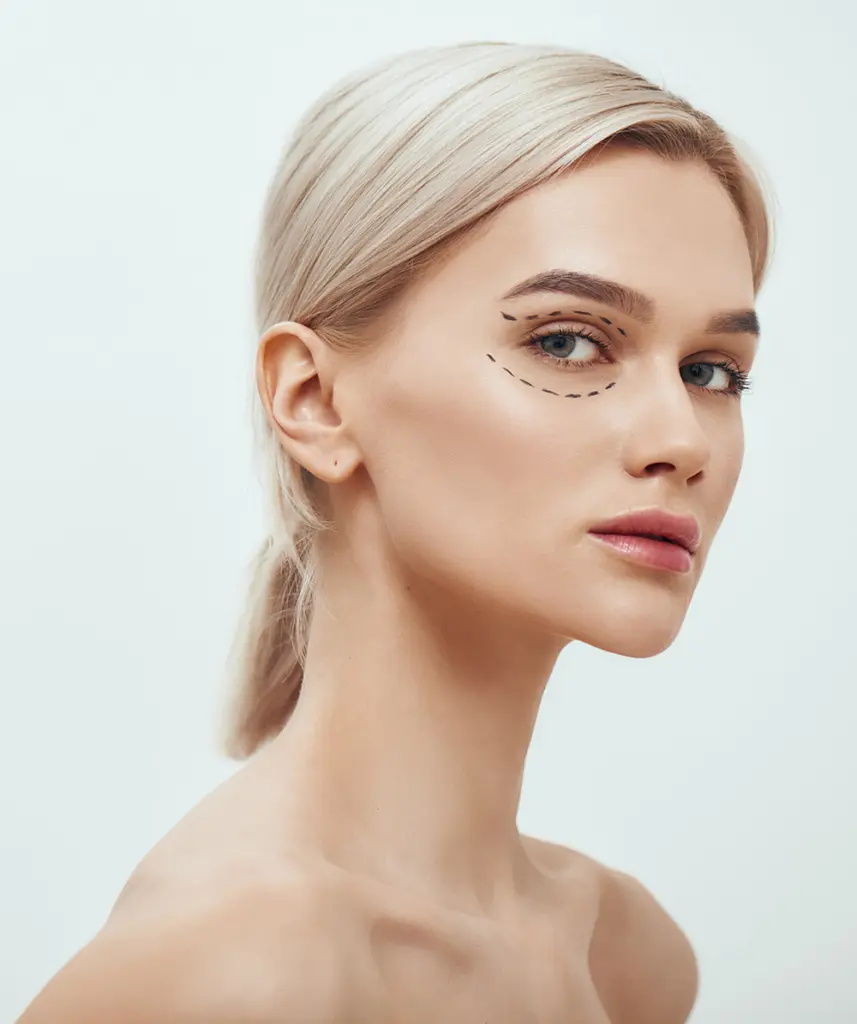
For upper eyelid surgery, a small crescent of excess skin is removed from the natural upper lid crease or hairline area, allowing the lid to open more fully and appear smoother and more refreshed.

For lower eyelid surgery, an incision is made just beneath the eyelashes. Through this incision, the skin and underlying muscle are gently lifted to allow removal or repositioning of bulging fat, as well as tightening of any loose skin. The amount of skin that can safely be removed is carefully controlled to avoid pulling the lower lid downward.

Tissue Tightening and Eyelid Reshaping

In upper blepharoplasty, redundant skin (and occasionally excess fat) is removed to restore a clearer, more open eyelid contour. This helps improve hooding and reduces the tired or heavy appearance of the eyes.

In lower blepharoplasty, the procedure focuses on reducing or repositioning fat that causes eye bags. Loose skin is tightened, and the lid is smoothed to create a more rested, youthful appearance. In some cases, muscle tightening may also be performed.

Blepharoplasty may be performed alone or combined with other facial procedures, such as a brow lift or facelift, for a more comprehensive rejuvenation.

Closing the Incisions

Once the necessary adjustments have been made, the incisions are closed with fine sutures. Dressings may be applied, although upper eyelid surgery often requires minimal external dressing. Cold compresses are typically recommended in the early postoperative period to reduce swelling.

Scar Management

Your surgeon will provide personalised advice on caring for the incisions once initial healing has occurred. Scars typically sit within the natural eyelid crease or just below the lash line and fade to become barely noticeable over time.


Recovery

Recovery and results of blepharoplasty surgery

Recovery varies from person to person and depends on whether the procedure involves the upper, lower, or both eyelids. While healing times vary, most patients can return home the same day or shortly after surgery.

What to expect

Swelling and bruising around the eyes are very common in the first few days following blepharoplasty. Upper eyelid swelling typically settles within about a week, while lower eyelid swelling or bruising may take one to two weeks to resolve. Mild tightness, dryness or sensitivity in the eyelids is normal and can be managed with prescribed ointments, lubricating drops or over-the-counter pain relief.

If deep stitches are placed at the outer corner of the eye during lower eyelid surgery, some localised discomfort may persist a little longer as the area heals. If chemosis (swelling of the conjunctiva) occurs, steroid eye drops will be prescribed.

Dressings and eye care

Cold compresses are usually recommended in the first few days to help minimise swelling and bruising. Your surgeon may also prescribe lubricating eye drops or ointments to keep your eyes comfortable, particularly if they feel dry or sensitive when you blink.

Activity and movement

Most patients can resume light daily activities within a few days, and most people feel comfortable driving again after about a week. Work can often be resumed once bruising has settled and you feel ready, which for many patients is around 7–10 days.

Strenuous activity, heavy lifting, bending forward and exercise should be avoided for at least two weeks, as these can increase swelling or pressure around the eyes. Contact sports or activities with a risk of facial impact should be avoided for several weeks longer, as advised by your surgeon.

Scars and long-term results

Upper eyelid incisions sit within the natural crease and usually heal to a fine, barely visible line. Lower eyelid incisions, placed just below the lash line, also tend to fade very well over time.
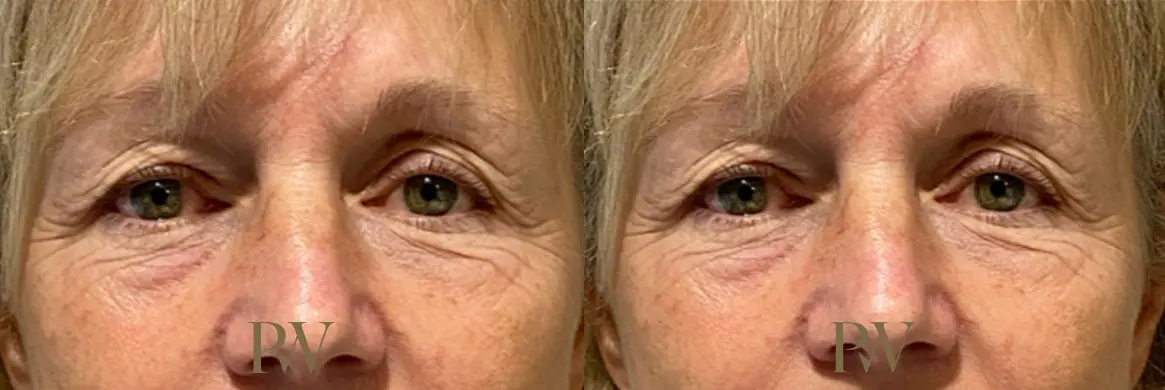
Most bruising and swelling fade within one to two weeks, while final results continue to refine over several months as tissues settle. Improvements in eyelid contour, smoothness and overall eye appearance become more noticeable as swelling resolves.

Follow-up care

You will receive tailored postoperative instructions, including how to clean the incision sites, apply ointments and protect your eyes during healing. Scheduled follow-up appointments allow your surgeon to monitor progress, remove any necessary sutures and ensure the eyelids are healing as expected.

Blepharoplasty Surgery | Eyelid Surgery | Upper Blepharoplasty | Lower Blepharoplasty

Risks & complications

Risks and potential complications of blepharoplasty surgery

As with any surgical procedure, blepharoplasty carries certain risks. While complications are uncommon, it is important to be aware of potential risks, which may include:

Your surgeon will discuss all potential risks during your consultation, ensuring you are fully informed before deciding to proceed.

Fees

What is the cost of blepharoplasty surgery in the UK?

The cost of blepharoplasty surgery in the UK varies depending on whether the upper eyelids, lower eyelids or both are being treated, as well as the complexity of the procedure. Factors such as the amount of skin or fat to be removed, whether muscle tightening is required, and the need for general or local anaesthesia can also influence pricing. Additional costs may include surgeon fees, hospital or facility charges.

A personalised quote will be provided after your consultation and once your surgeon has determined the most appropriate approach to achieve your aesthetic goals.

Results

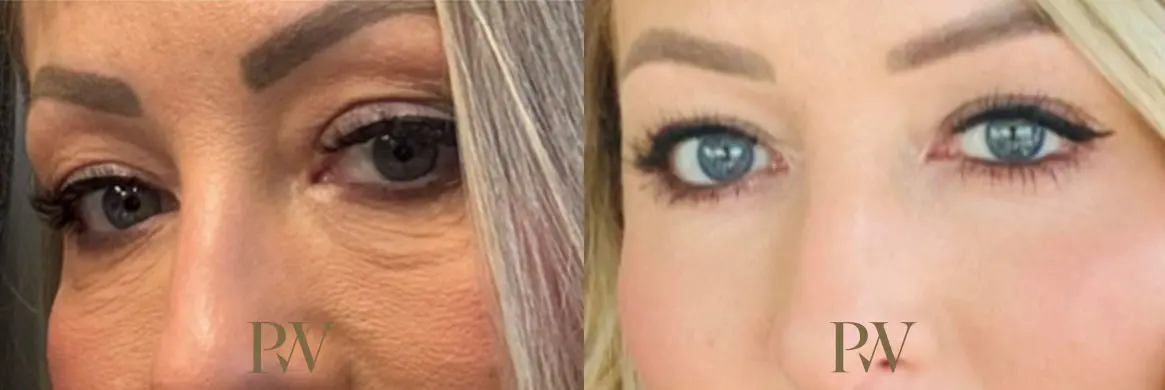
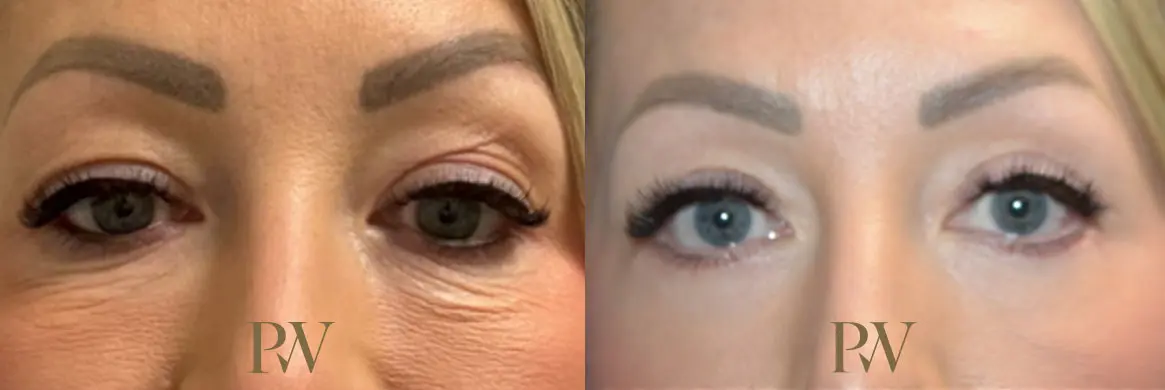
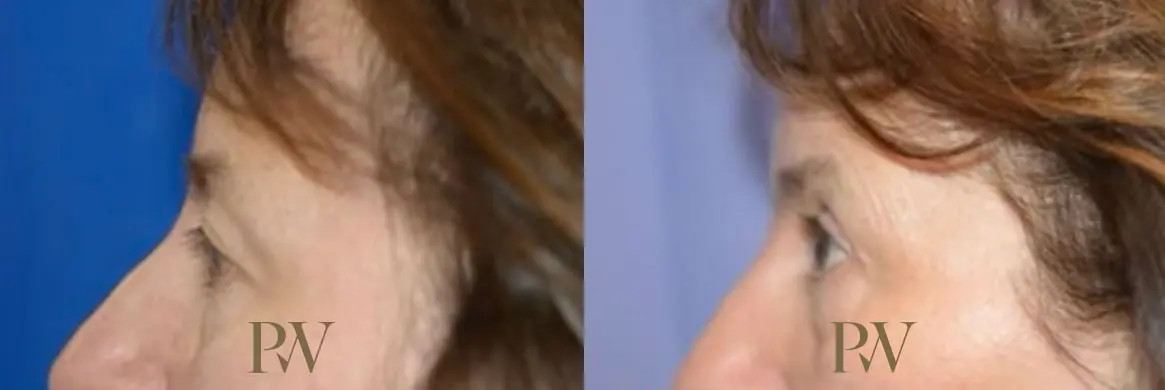
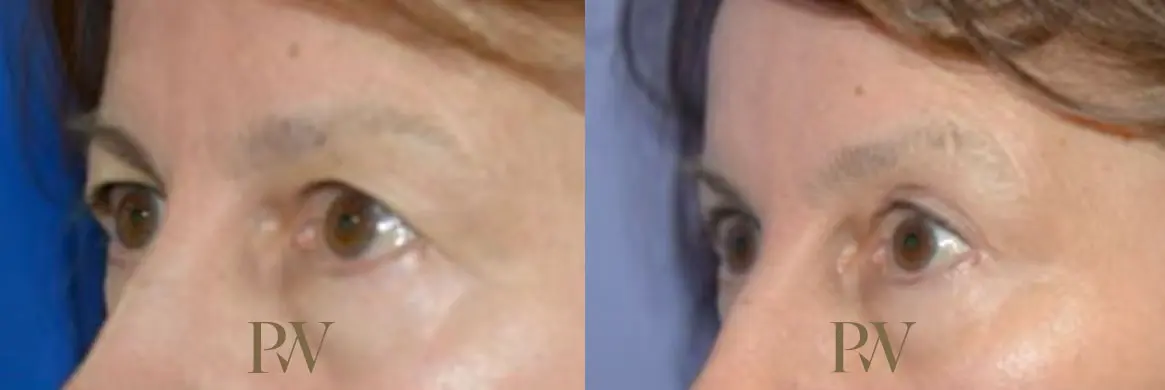
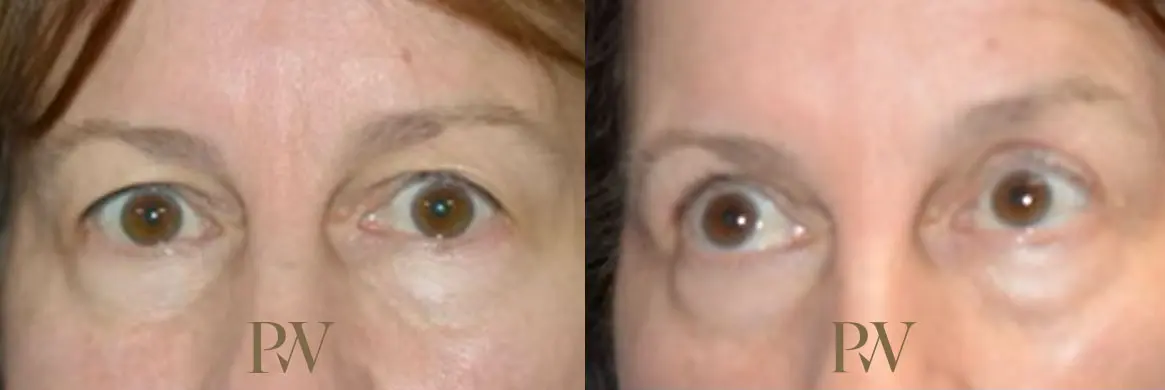
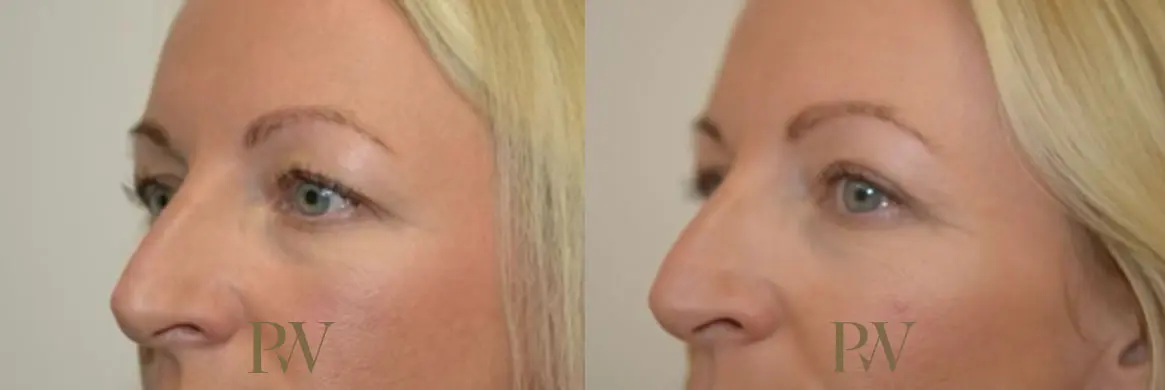
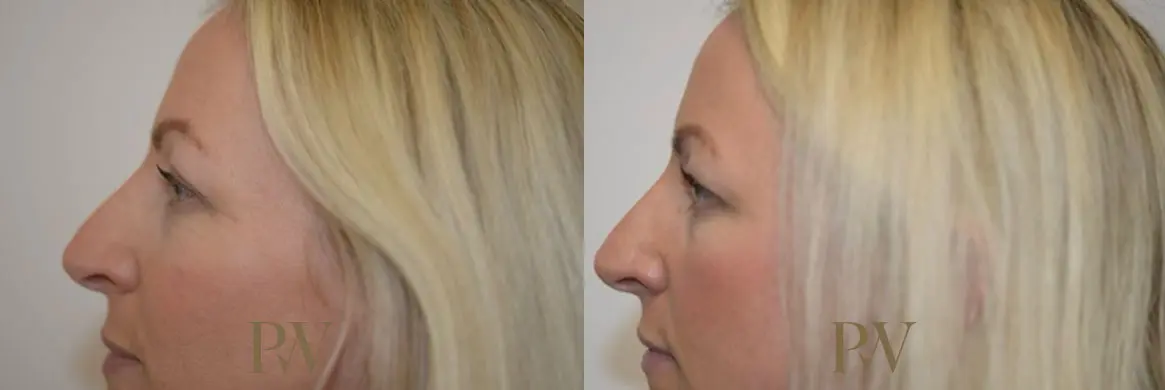
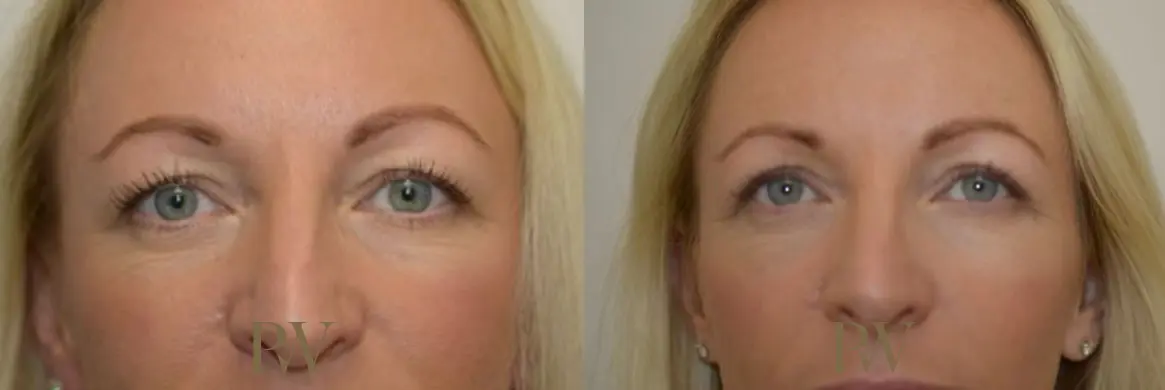
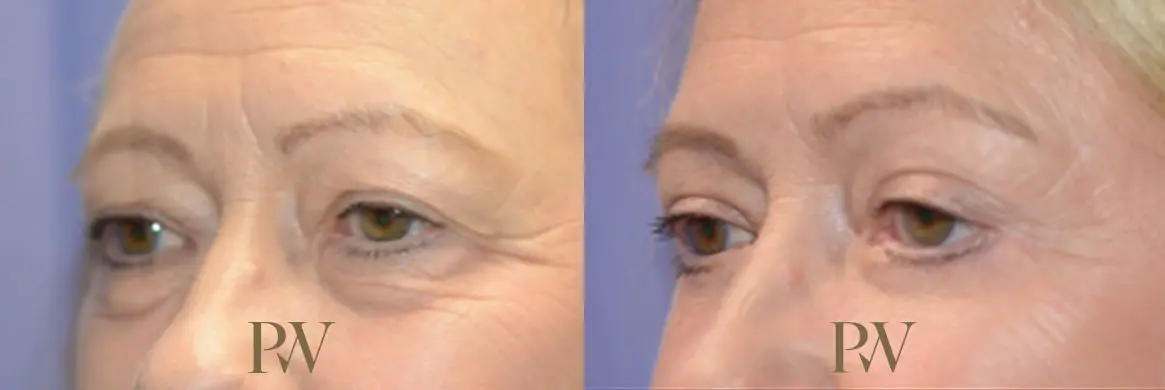
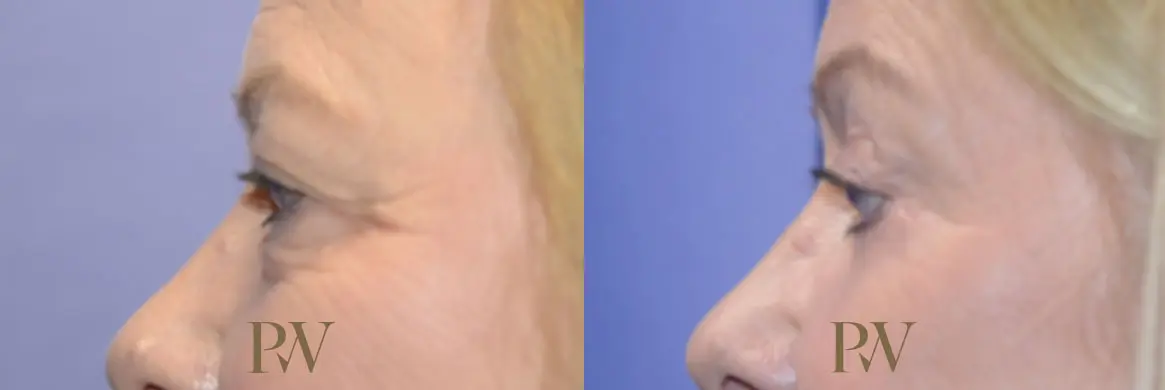
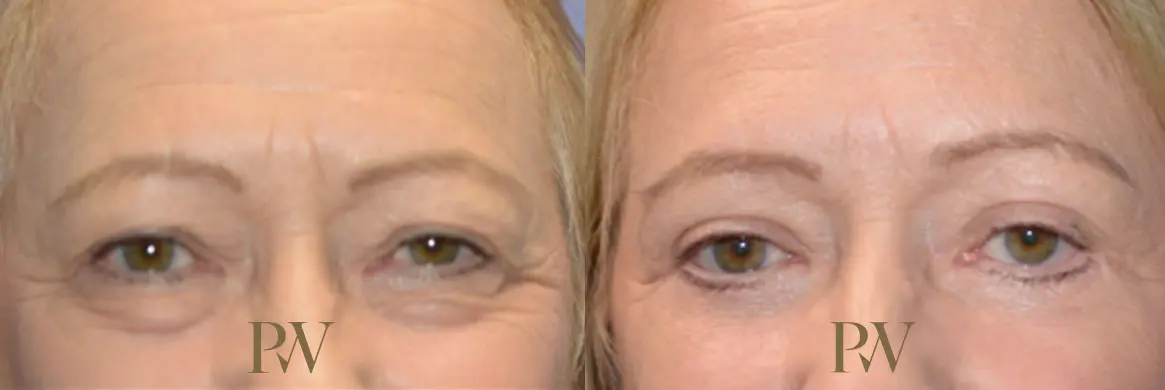
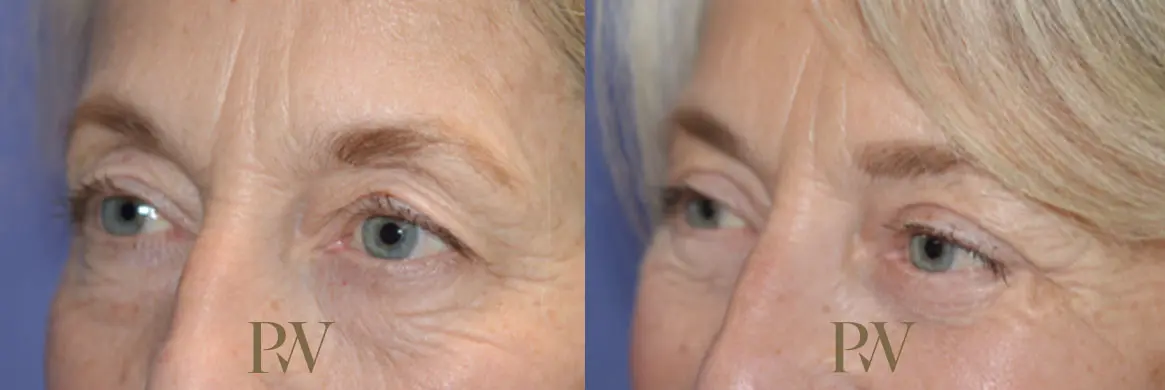
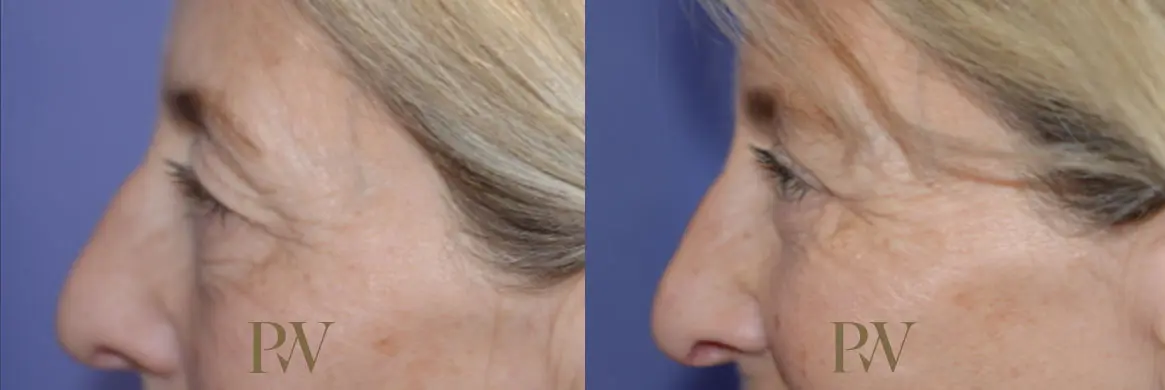
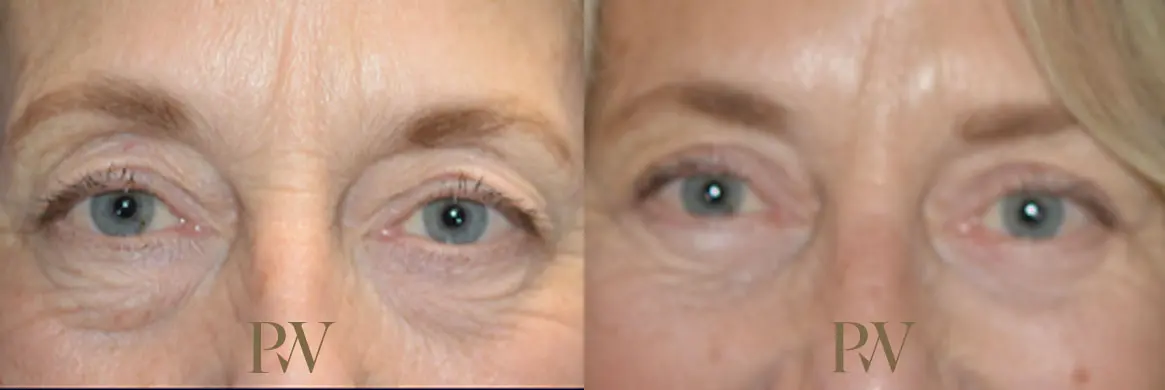
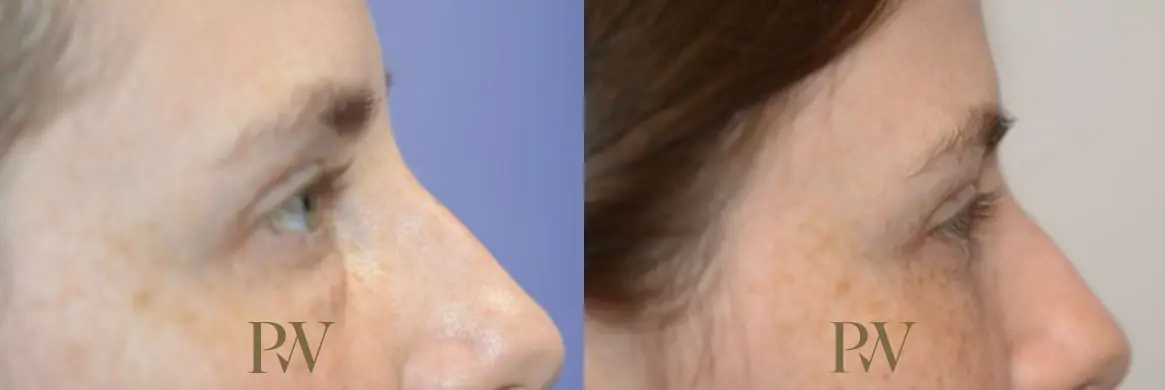
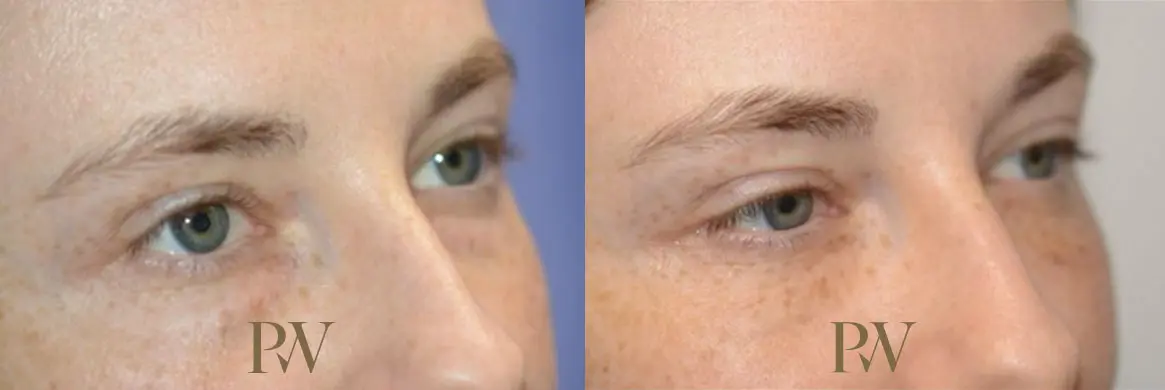
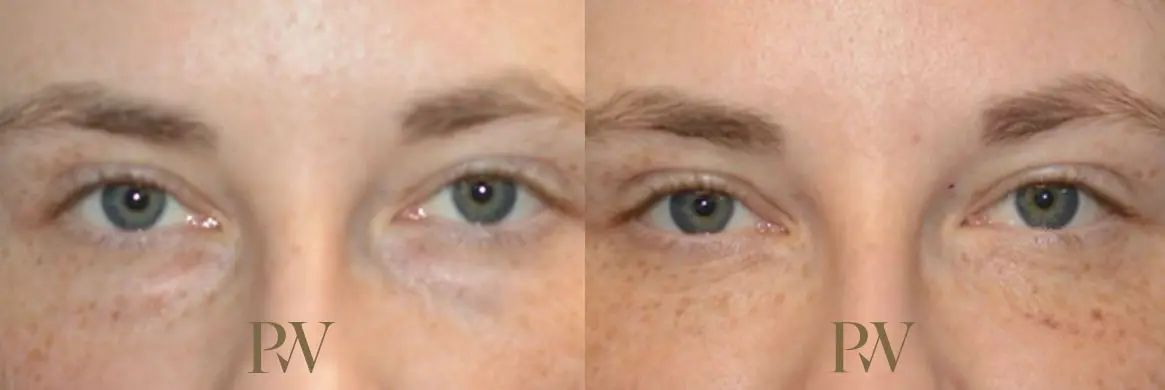
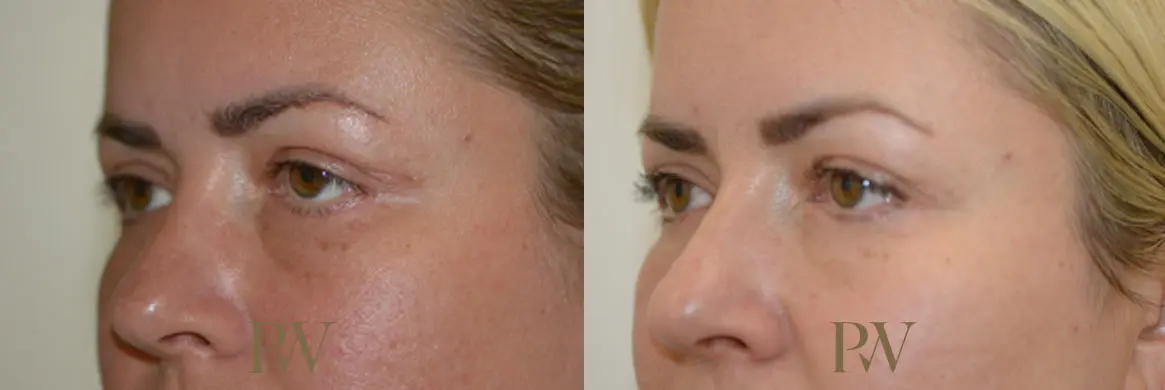
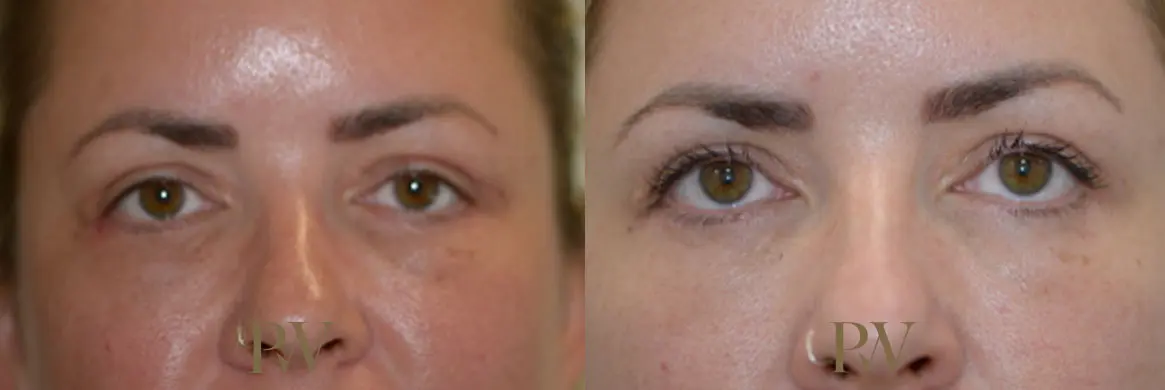
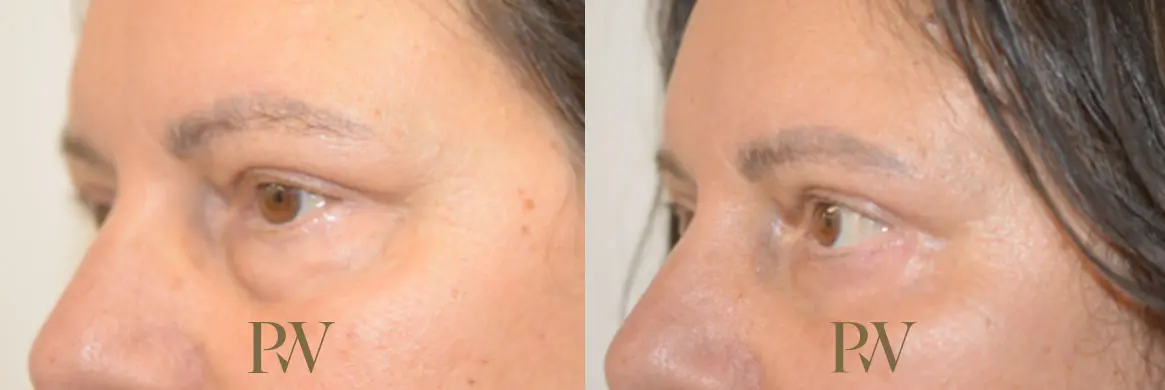
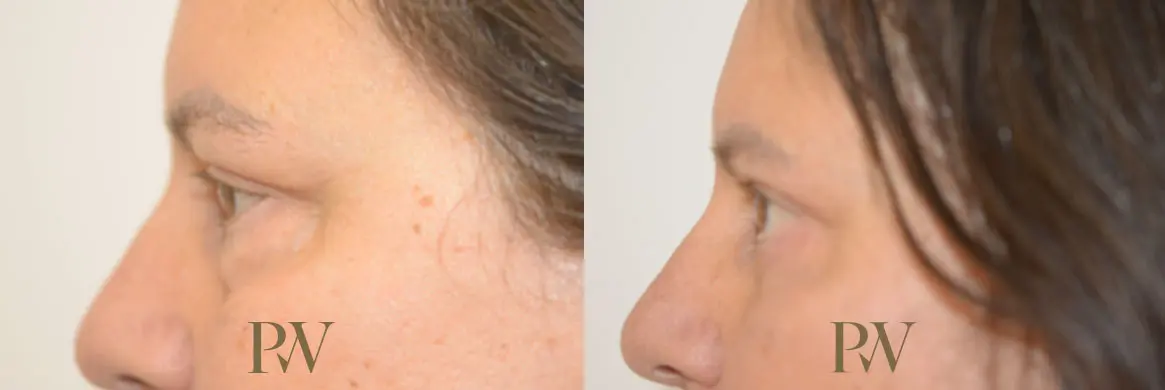
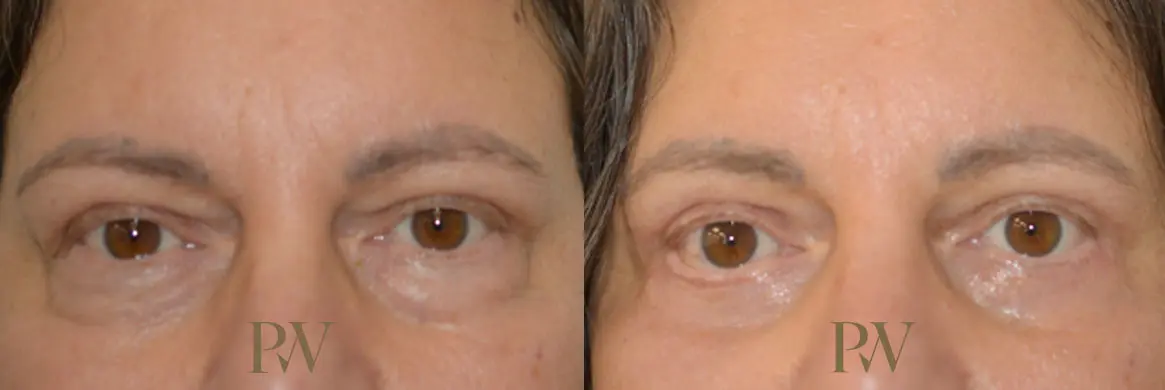
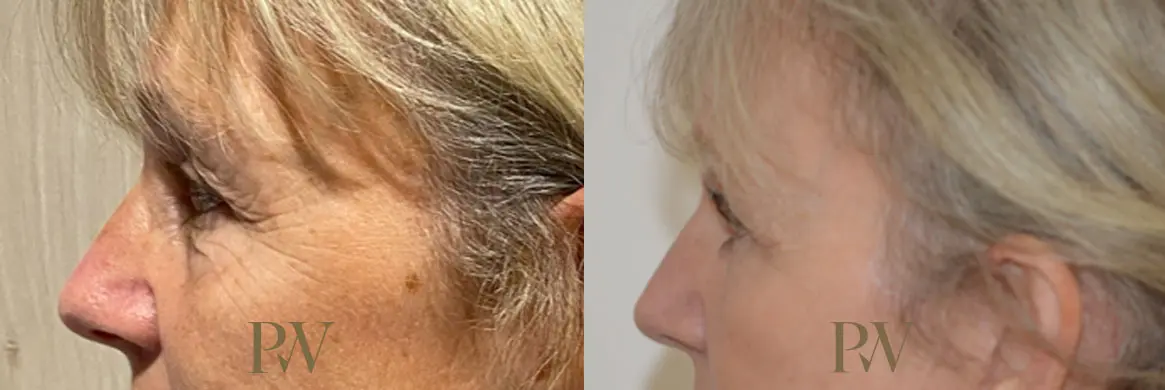
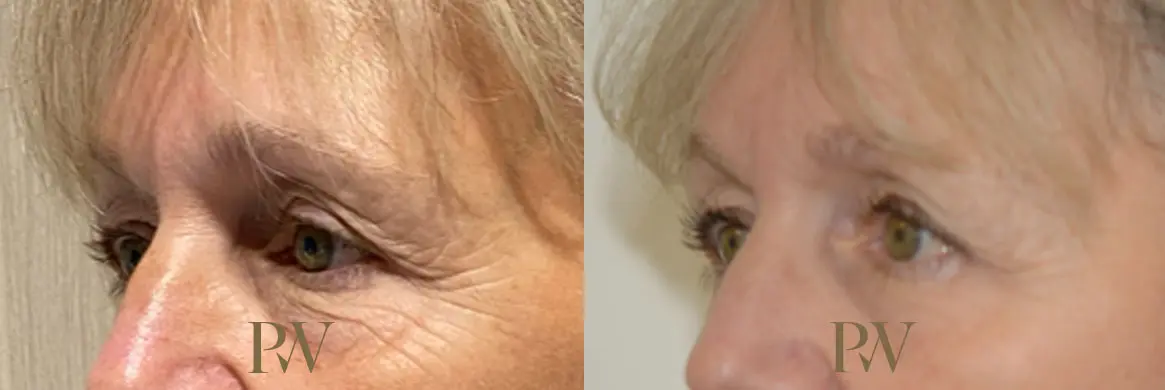
Blepharoplasty before and after photos

Mr Paul Wilson - FAQ

FAQ

Frequently Asked Questions

At what age can you get a blepharoplasty?

There is no strict age requirement for blepharoplasty. Most patients choose to get the procedure in their 40s, 50s or 60s, when signs of ageing around the eyes become more noticeable. However, younger patients may be suitable if they have hereditary eyelid concerns such as puffiness, heaviness or excess skin.

Temporary dryness or irritation is common after blepharoplasty and usually improves as the eyelids heal. Lubricating drops or ointments are often recommended during the early recovery period. Long-term dry eyes are uncommon, and your surgeon will assess your tear function and eyelid anatomy during consultation to minimise this risk.

Lower blepharoplasty results typically last 10–15 years and in many cases even longer. While ageing continues naturally, the removal or repositioning of excess fat and skin provides a long-term reduction in under-eye bags and a smoother contour. Maintaining good skincare and sun protection can help extend the longevity of your results.

Initial recovery usually takes 1–2 weeks, during which most swelling and bruising settle.Many patients feel comfortable returning to work after about a week. The eyelids continue to refine over several months, and final results are typically visible by 3–6 months once all swelling has resolved.

Upper and lower eyelid surgery is often performed with a facelift and a temporal brow lift for more comprehensive rejuvenation. Your surgeon will explain which combination is best suited to your concerns and goals.

Occasionally, secondary blepharoplasty may be required if there is residual excess skin or fat bags or lateral hooding. Your surgeon will advise you on your suitability for this procedure.

Paul Wilson Aesthetics - Schedule your consultation

Schedule your consultation

Book a consultation with Paul Wilson Aesthetics

Patients choose Paul Wilson Aesthetics not only for the team’s surgical expertise, but also for their thoughtful, honest and patient-centred approach to aesthetic care. To get started, book a consultation where our team will discuss your concerns, outline your goals and determine if a deep plane facelift is the right option for you.

Schedule your consultation