Book A Consultation

Treatment breast

Gynecomastia Surgery (Male Breast Reduction) in the UK

Reduce enlarged male breast tissue and restore a more defined chest shape with gynecomastia surgery. This procedure removes excess glandular tissue, fat and skin to create a flatter, firmer and more masculine contour.

Men typically seek gynecomastia surgery to address concerns such as visible breast enlargement, discomfort and difficulty finding well-fitting clothing. By reshaping the chest, the procedure can significantly improve comfort, confidence and overall quality of life.

With years of experience in gynaecomastia surgery, our skilled team at Paul Wilson Aesthetics can help you achieve your desired result. We utilise advanced techniques such as liposuction and excision to deliver precise contouring and natural-looking results.

About

What is gynecomastia surgery?

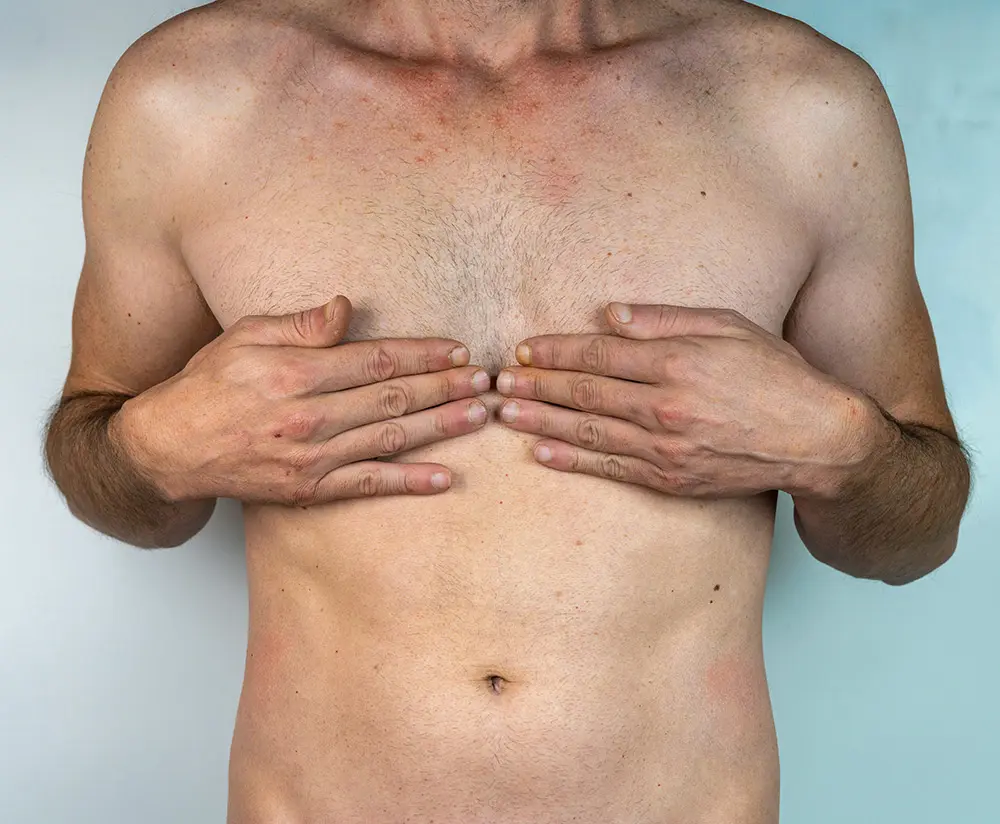
Gynecomastia surgery, also known as male breast reduction, is a procedure designed to remove excess glandular tissue and fat to create a flatter, firmer and more masculine chest contour. It is the most effective treatment for reducing enlarged male breast tissue that does not respond to diet, exercise or weight loss.

During the procedure, excess tissue is removed through excision, liposuction or a combination of both. If required, the nipple–areola complex can be reshaped or reduced and its position adjusted to achieve a more natural and balanced chest appearance. This helps improve chest shape, restore confidence and relieve discomfort sometimes associated with enlarged breast tissue.

Gynecomastia Surgery | Gynecomastia Surgery Cost | Male Breast Reduction Cost UK

benefits

What are the benefits of gynecomastia surgery?

Gynecomastia surgery offers both physical and psychological benefits by reducing excess chest tissue and creating a flatter, firmer and more masculine contour. Benefits may include:

candidates

Who is a good candidate for gynecomastia surgery?

Gynecomastia surgery may be suitable for individuals who:

What to expect

What to expect during gynecomastia surgery?

Consultation

Your surgeon will begin with a detailed consultation to ensure you feel fully informed and confident before proceeding. This appointment involves discussing concerns about excess chest tissue, including size, firmness, shape, asymmetry, skin quality and any physical discomfort or self-consciousness you may be experiencing.

Your chest anatomy, skin elasticity and overall health will be assessed to determine the best surgical technique. You will also have the opportunity to ask questions about expected results, incision placement, recovery, scarring and whether liposuction, excision or a combination approach is right for you.

Anaesthesia and Procedure Time

Gynecomastia surgery is performed under general anaesthesia. The duration varies depending on the amount of glandular tissue, fat and skin that need to be removed and whether liposuction is used alongside excision.

Incision Placement

Incision placement depends on the type and extent of correction required. For cases involving mostly fatty tissue, only very small incisions near the armpit or along the lower chest for liposuction may be needed.

If firm glandular tissue needs to be removed, an incision is typically made along the lower border of the areola to allow precise excision. Where there’s significant excess skin or drooping, additional incisions may be required to reshape and tighten the chest. Your surgeon will recommend the most appropriate incision pattern for your anatomy while ensuring that scars remain as discreet as possible.

Tissue Removal and Chest Reshaping

Gynecomastia surgery may involve liposuction, glandular excision or a combination of both techniques. Liposuction removes excess fat and smooths the chest contour, particularly around the sides and under the armpits.

Firm glandular tissue, which cannot be treated with liposuction alone, is removed through a small incision to flatten and refine the chest shape. Loose or stretched skin can also be tightened if needed, and enlarged areolas can be reduced to create a more proportionate appearance.

The overall aim is to produce a flatter, firmer and naturally contoured chest that aligns with your body proportions.

Closing the Incisions

After the chest has been reshaped, the incisions are closed with sutures and covered with dressings. A compression garment is usually applied at the end of surgery to minimise swelling, provide support and help the chest settle into its new contour during the early healing phase.

Scar Management

Your surgeon will provide tailored advice on caring for your scars once the incisions have healed. This may include silicone gel or silicone tape, along with gentle massage, to support optimal scar maturation. Scars will gradually fade, soften and improve over the first 12 to 18 months.


Recovery

Recovery and results of gynecomastia surgery

Recovery varies between individuals and depends on the extent of tissue removal, whether liposuction was used and your body’s natural healing response. While each patient heals at their own pace, most men can return home the day after surgery.

What to expect

In the early stages, it is normal to experience swelling, bruising, tightness and tenderness across the chest. These symptoms gradually improve over the first few weeks and can be managed with prescribed or over-the-counter pain relief.

A compression garment will be provided and should be worn day and night for several weeks to help reduce swelling, support the healing tissues and encourage a smooth, flatter chest contour.

Compression vest

A well-fitted compression vest is required for several weeks after surgery. This helps minimise swelling, supports the chest as it heals and assists the skin in retracting smoothly over the newly contoured tissue.

Activity and movement

Most patients can resume driving within about one week, depending on comfort and upper-body mobility. Many return to work within two weeks, though this varies depending on the role’s physical demands.

Light exercise can usually begin after one month. Strenuous activity, chest workouts, heavy lifting and contact sports should be avoided for at least six weeks to protect the healing tissues and maintain the surgical result.

Scars and long-term results

Improvements in chest shape and comfort are often noticeable early, with results continuing to refine as swelling subsides. Incisions gradually soften and fade over 12–18 months, becoming less visible with time. Final contouring continues to improve as the skin tightens and the tissues settle into their new position.

Scars are typically placed in a peri-areolar fashion (around the nipple areolar complex). This reduces the overall size of an enlarged and puffy nipple areolar complex.

Follow-up care

You will receive detailed aftercare instructions tailored to your procedure, including guidance on caring for incisions, managing discomfort and recognising any signs that may require attention. You will also attend scheduled follow-up appointments so your surgeon can monitor your healing and ensure optimal long-term results.

Gynecomastia Surgery | Gynecomastia Surgery Cost | Male Breast Reduction

Risks & complications

Risks and potential complications of gynecomastia surgery

As with any surgical procedure, gynecomastia surgery carries certain risks. While complications are uncommon, it is important to understand potential risks, which may include:

Your surgeon will discuss all potential risks during your consultation, ensuring you are fully informed before deciding to proceed.

Fees

What is the cost of gynecomastia surgery (male breast reduction) in the UK?

The cost of gynecomastia surgery in the UK varies depending on several factors, including the amount and type of tissue to be removed, whether liposuction, glandular excision or both are needed and the overall complexity of the procedure. Additional factors such as surgeon fees, hospital or facility charges and the use of anaesthesia may also influence the final price.

A personalised quote will be provided after your consultation and full clinical assessment, once your surgeon has determined the most appropriate treatment plan for your needs and desired outcome.

Results

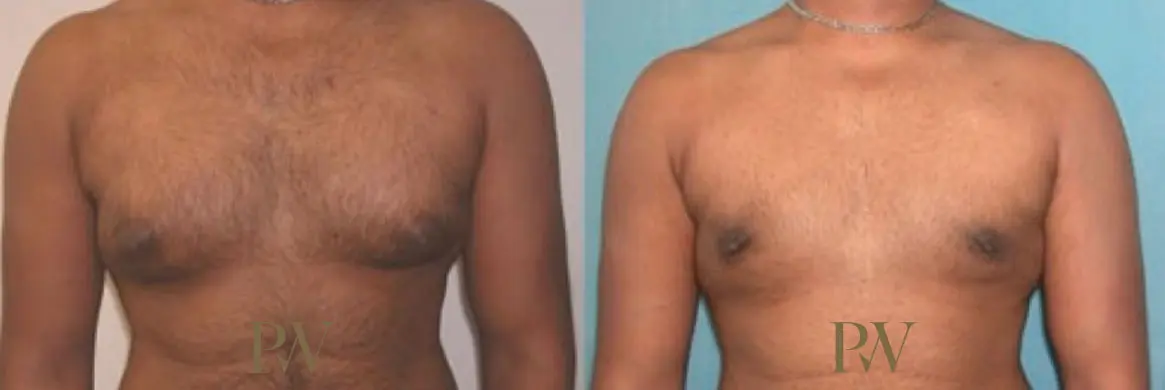
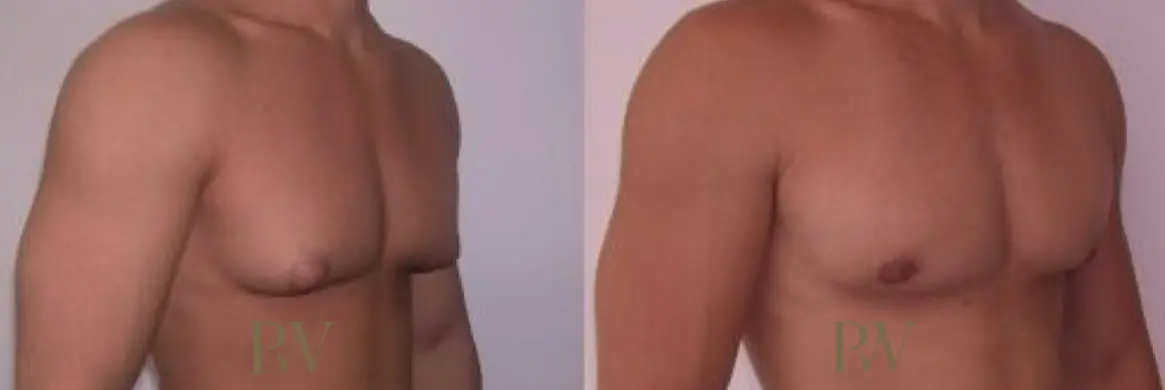
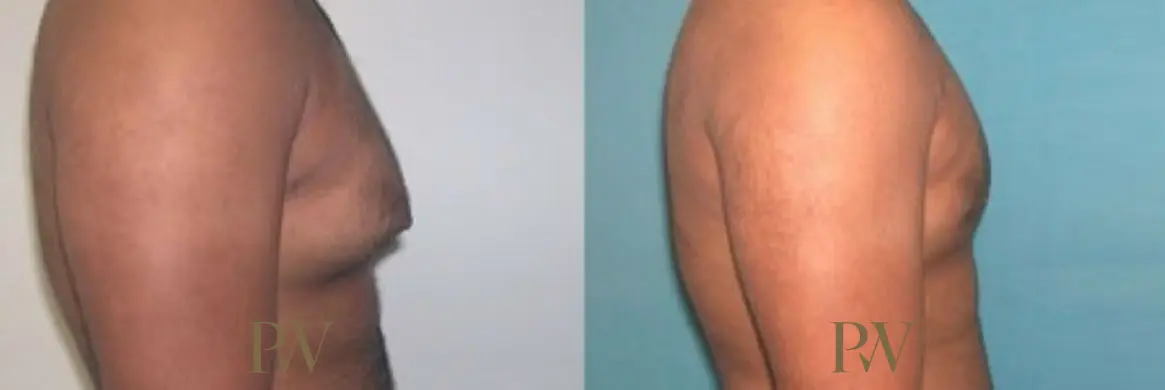
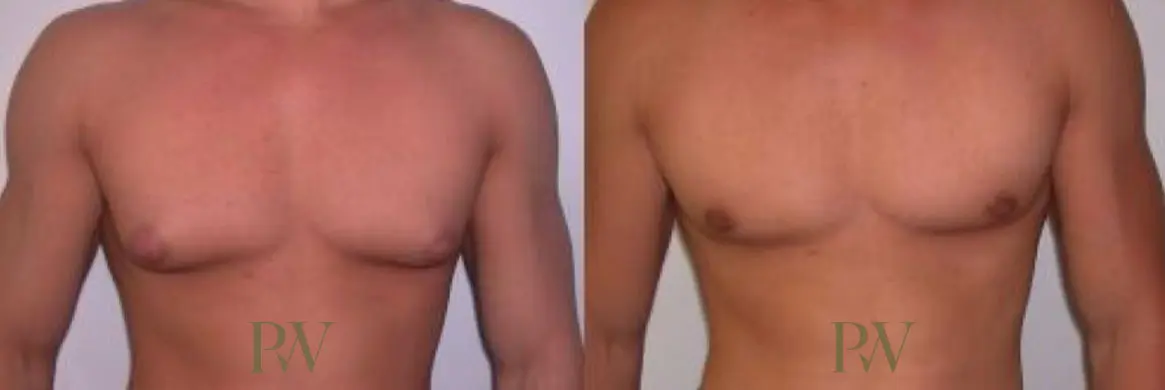
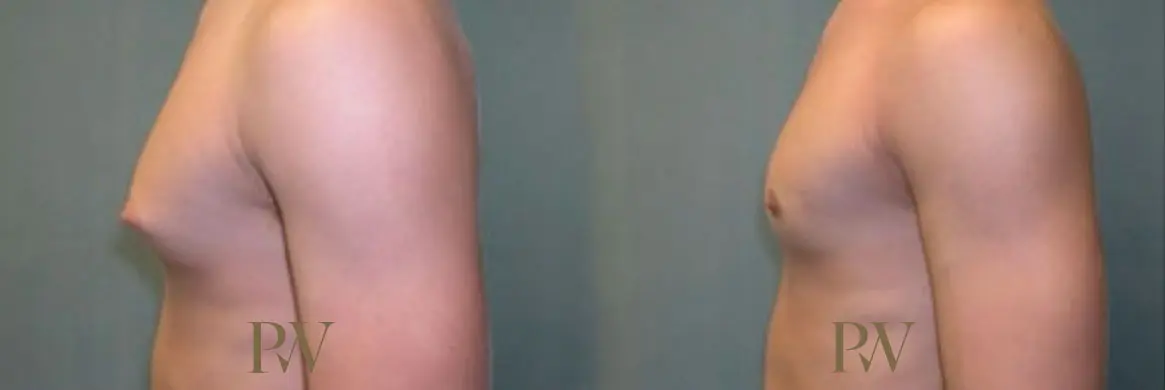
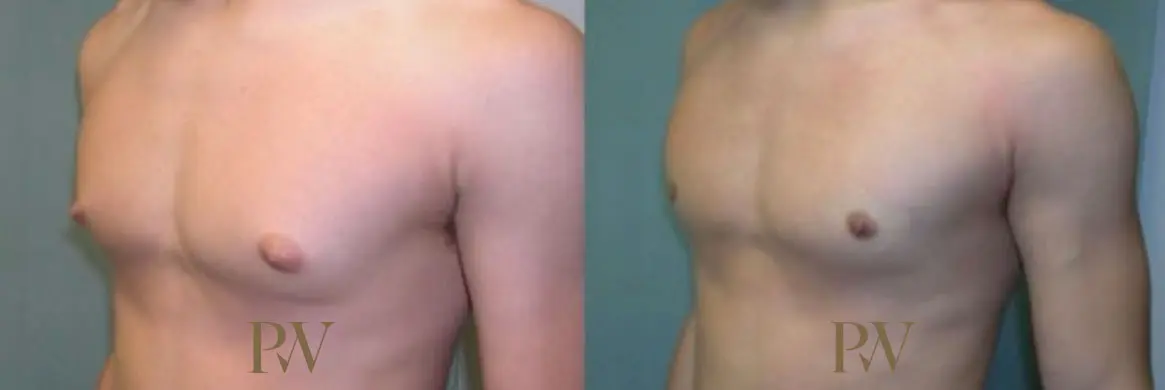
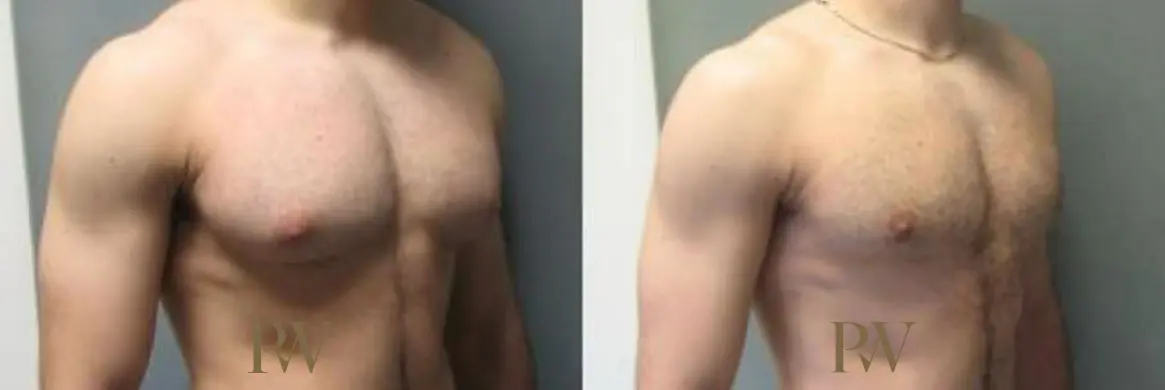
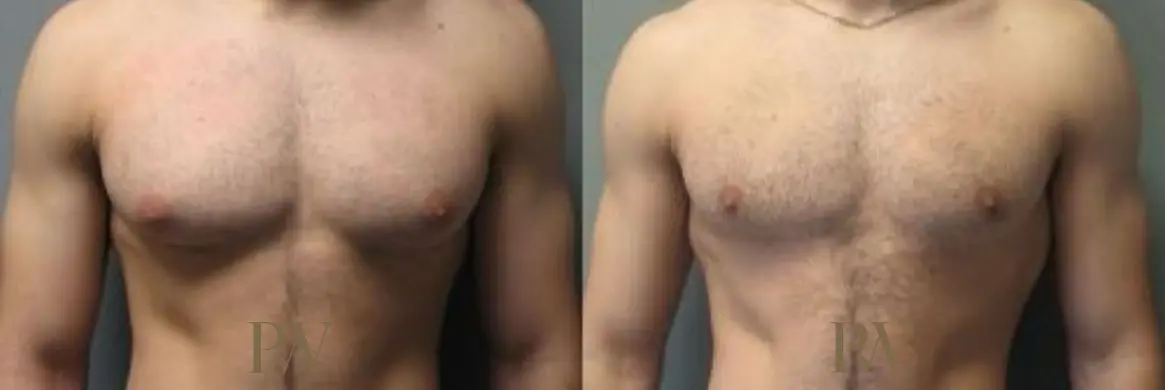
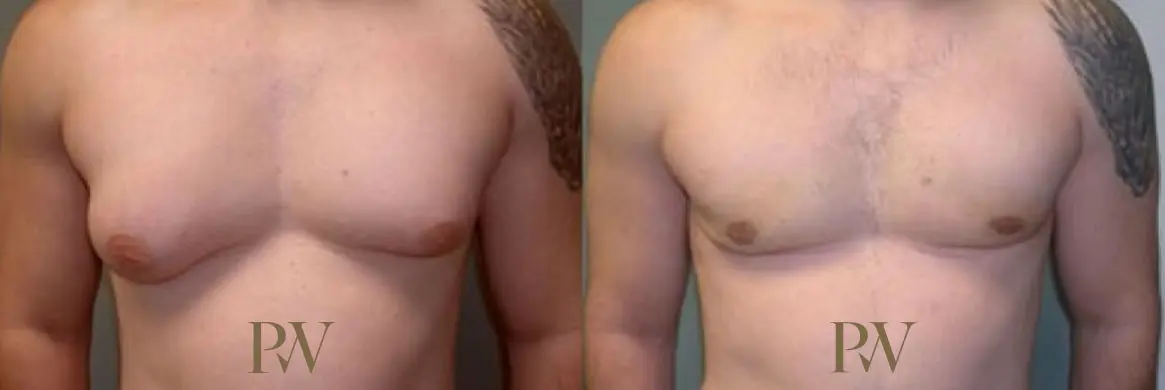
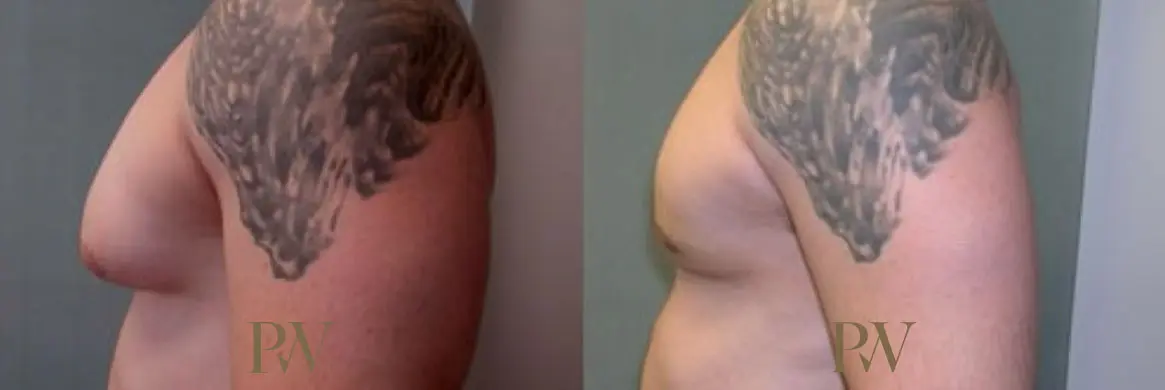
Gynecomastia surgery before and after photos

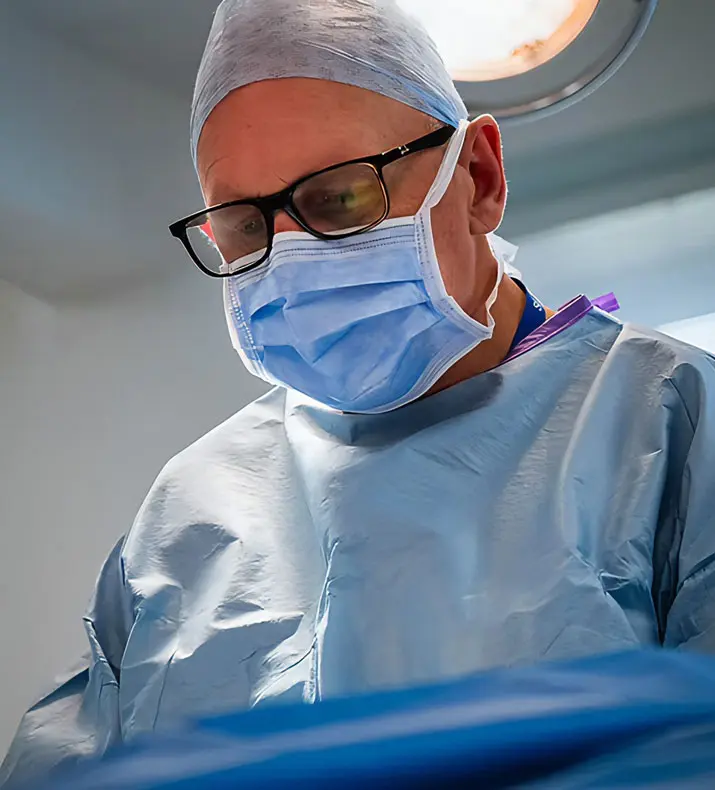
Mr Paul Wilson - FAQ

FAQ

Frequently Asked Questions

How can I get rid of gynecomastia without surgery?

Non-surgical options may help in cases caused by hormonal imbalance, medication use, weight gain or puberty. These include weight loss, resistance training, stopping medications known to cause breast enlargement (under medical supervision) and treating underlying hormonal conditions. However, gynecomastia caused by excess glandular tissue cannot be corrected solely through diet or exercise.

Swelling is most noticeable in the first two to three weeks after surgery and gradually decreases over several months. Most patients see significant improvement by six weeks, with final contour refinement continuing for up to three to six months as the tissues settle.

Recurrence is uncommon when the underlying cause has been addressed. However, gynecomastia can return if hormonal imbalance, significant weight gain, steroid use or certain medications trigger new breast tissue growth. Maintaining a stable weight and avoiding substances linked to gynecomastia can help preserve long-term results.

The procedure typically takes between one and two hours, depending on the amount of glandular tissue, fat and skin being removed and whether liposuction is combined with excision. More complex cases may take longer.

In the early stages, chest shaping comes from proper healing, wearing your compression garment as directed and avoiding strenuous activity until cleared by your surgeon. Once healed, gradual strength training, particularly chest, shoulders and upper-body exercises, can enhance muscle definition and improve overall chest contour.

This is a condition where the male chest appears enlarged due to an accumulation of excess fat rather than the growth of actual glandular breast tissue. This is treated with Vaser Liposuction followed by a compression vest for six weeks.

Paul Wilson Aesthetics - Schedule your consultation

Schedule your consultation

Book a consultation with Paul Wilson Aesthetics

Patients choose Paul Wilson Aesthetics not only for the team’s surgical expertise, but also for their thoughtful, honest and patient-centred approach to aesthetic care. To get started, book a consultation where our team will discuss your concerns, outline your goals and determine if a deep plane facelift is the right option for you.

Schedule your consultation