Consultation
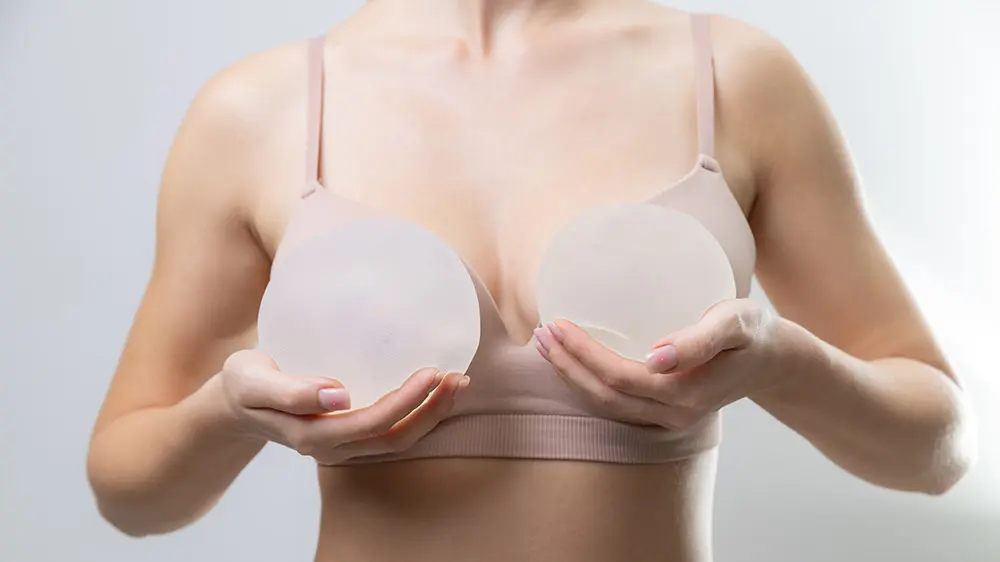
Every patient will undergo a comprehensive consultation with their surgeon to ensure they feel fully informed, comfortable and confident before proceeding with surgery. During your consultation, your surgeon will discuss your goals and guide you through all suitable implant options, including size, shape, profile and placement.
As part of your assessment, your anatomy, skin quality, existing breast tissue and overall health will be carefully evaluated to determine the most appropriate surgical approach. You will also have the opportunity to ask questions about the procedure.
VECTRA 3D Imaging
As part of your consultation, 3D photographs will be taken using advanced VECTRA imaging. These images can be digitally morphed in real time to show how different implant shapes, sizes and profiles may look on your body. This allows you to visualise potential outcomes and make confident, informed decisions about your surgery.
Anaesthesia and Procedure Time
Breast augmentation is performed under general anaesthesia and typically takes between one and two hours. This is dependent on the complexity of the case and whether additional procedures are being performed at the same time.
Implant Placement and Surgical Technique
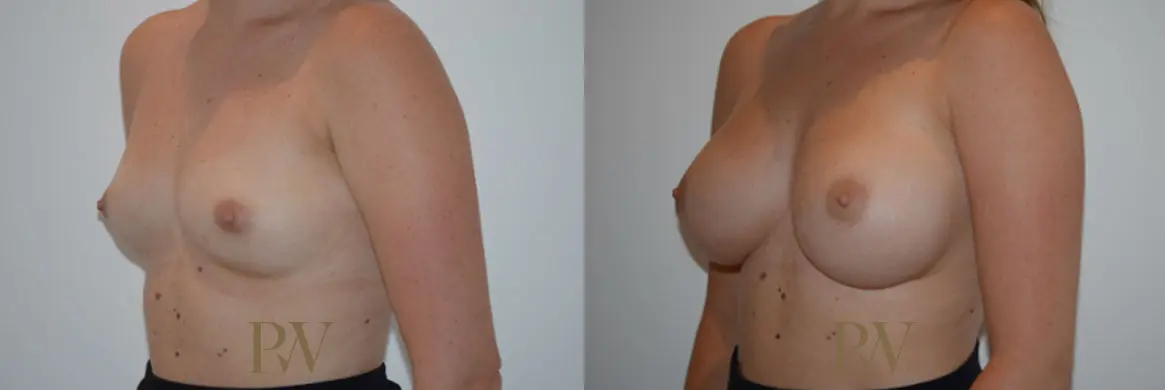
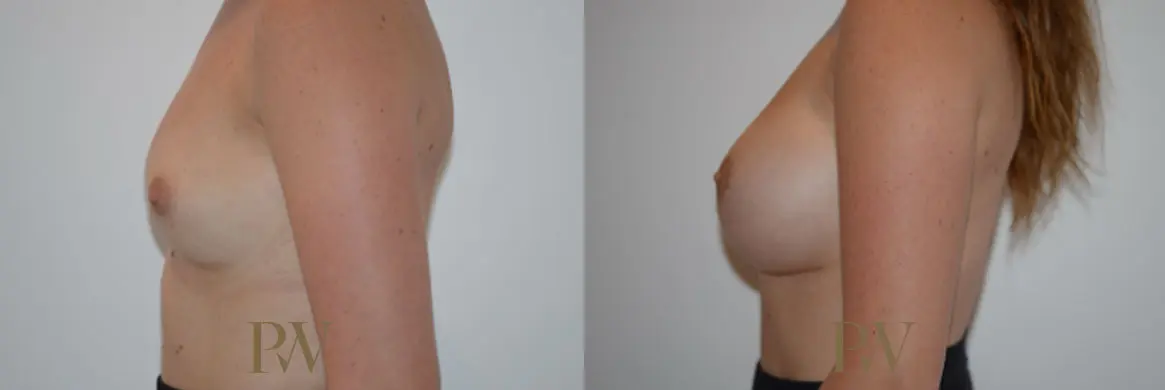
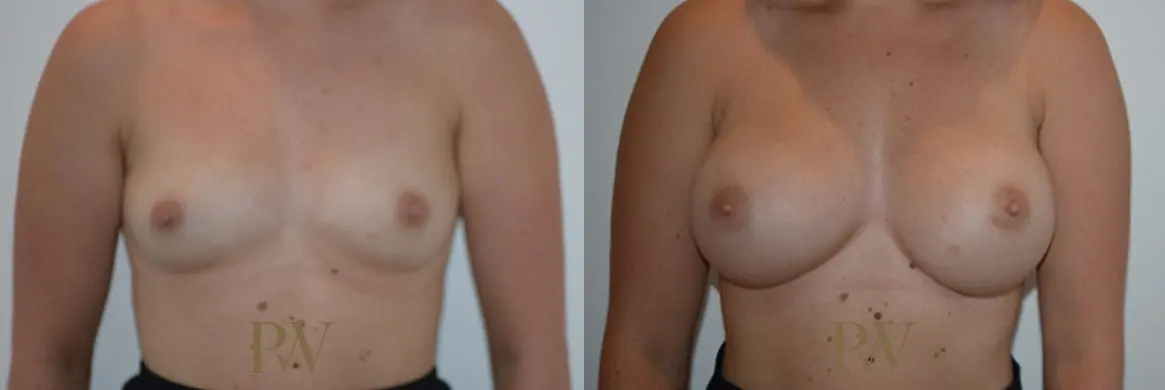
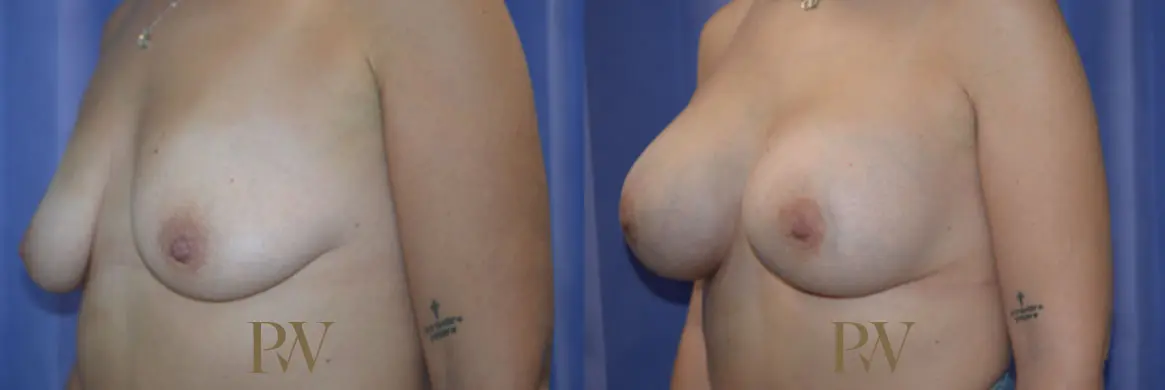
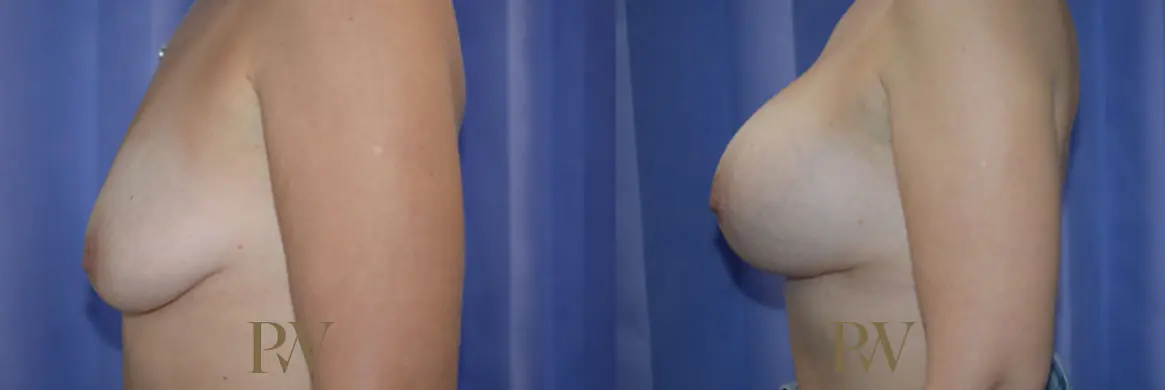
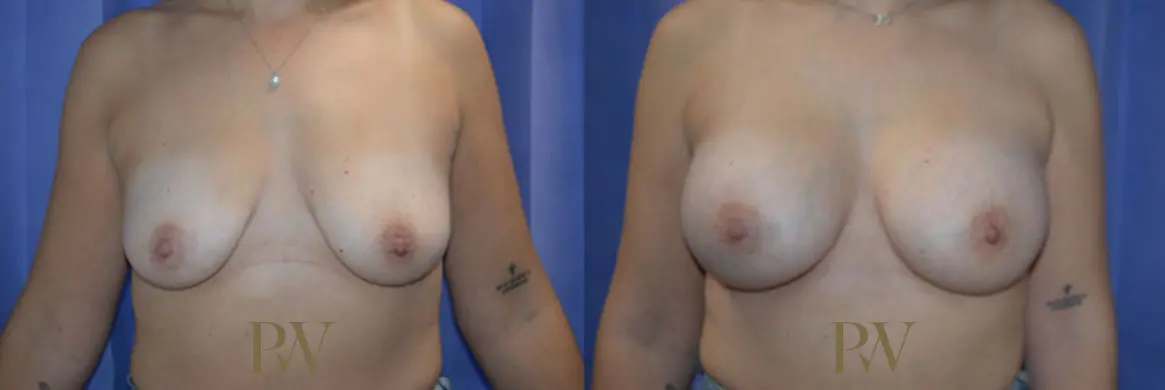
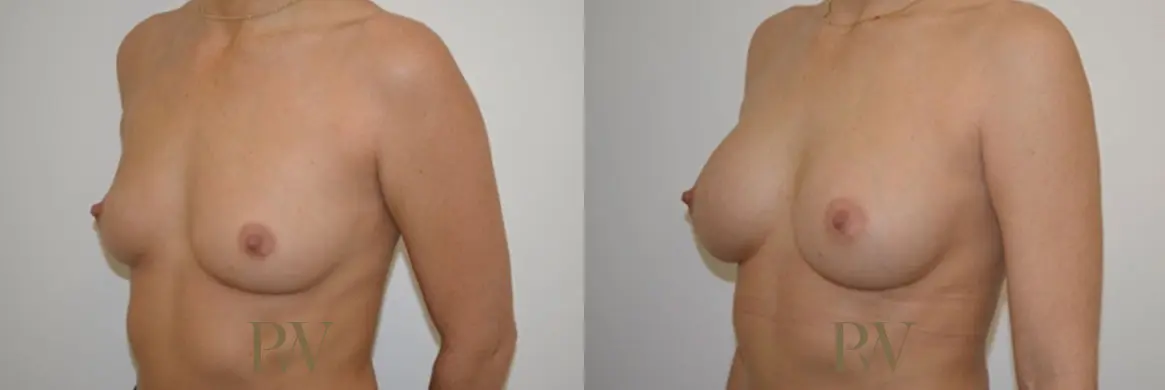
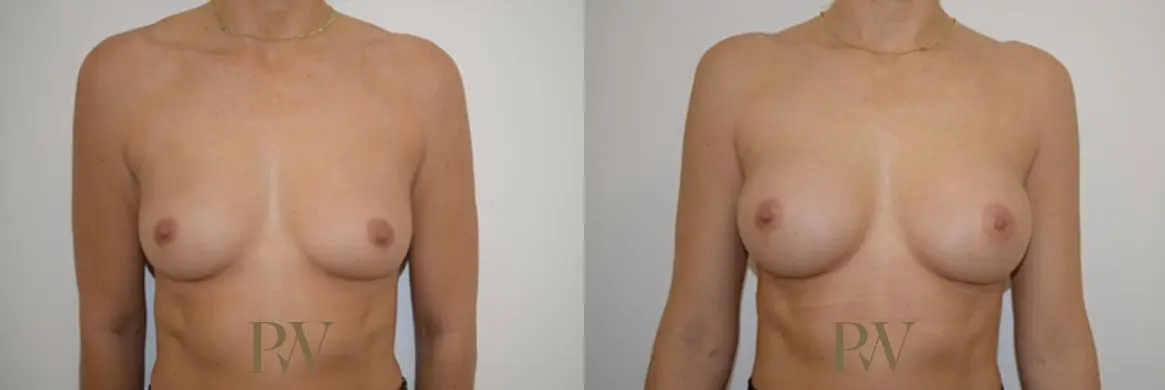
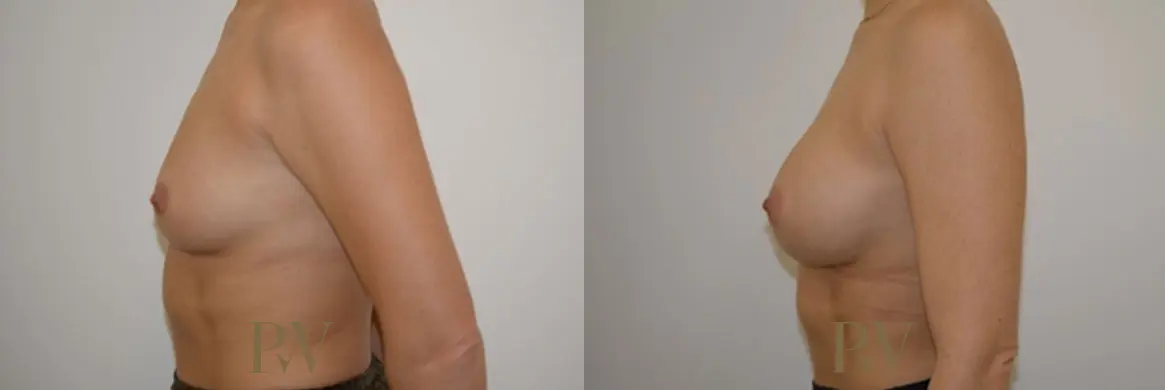
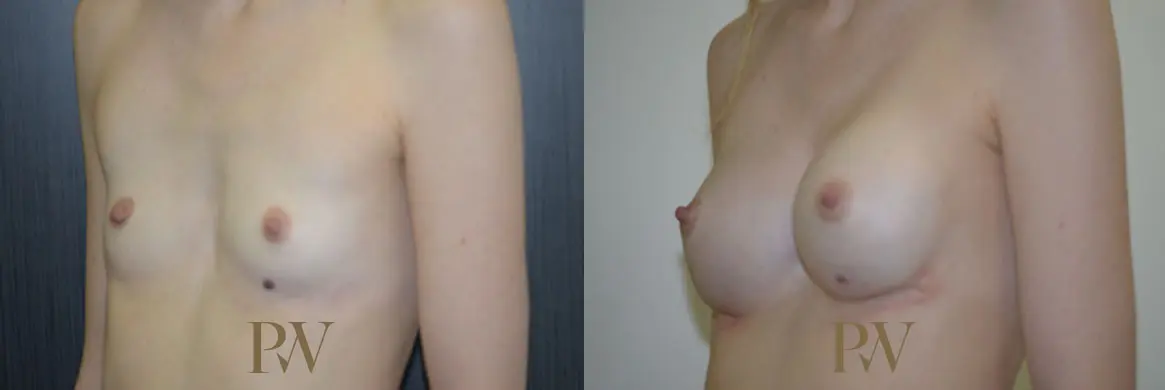
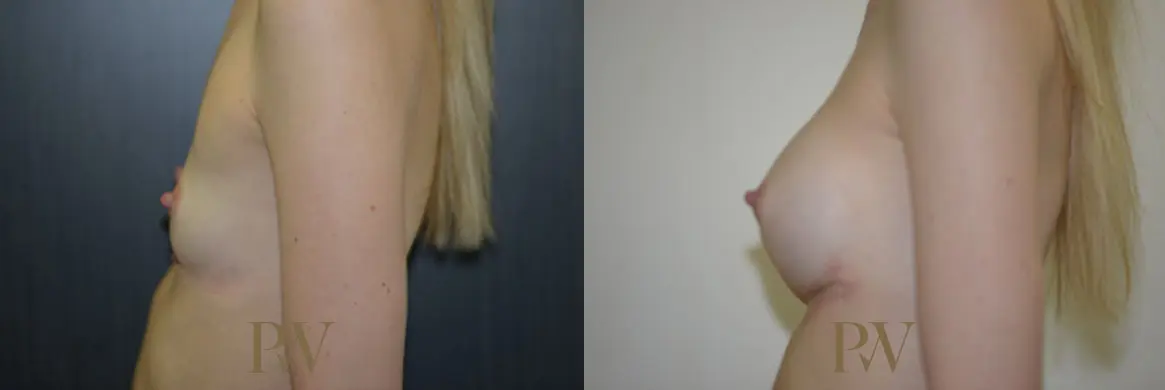
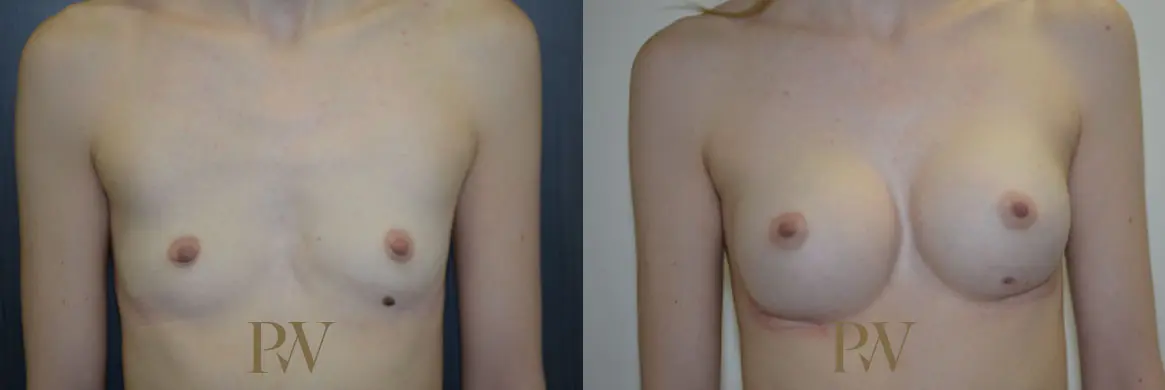
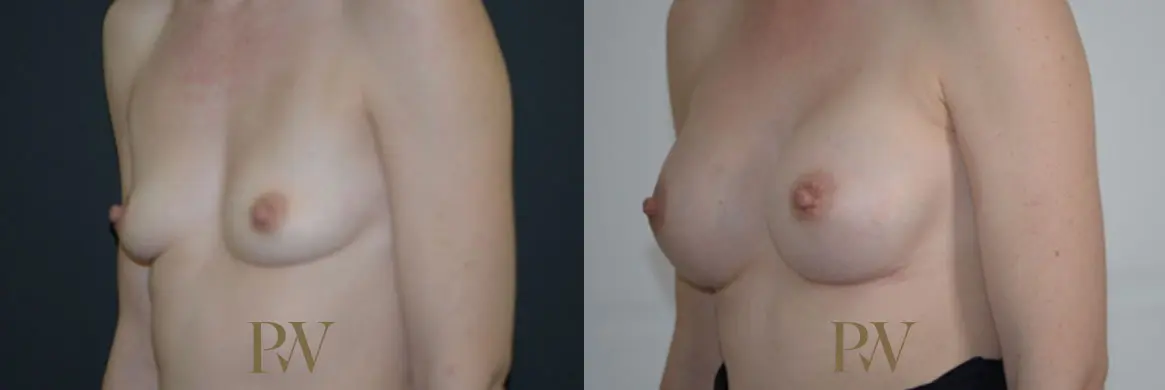
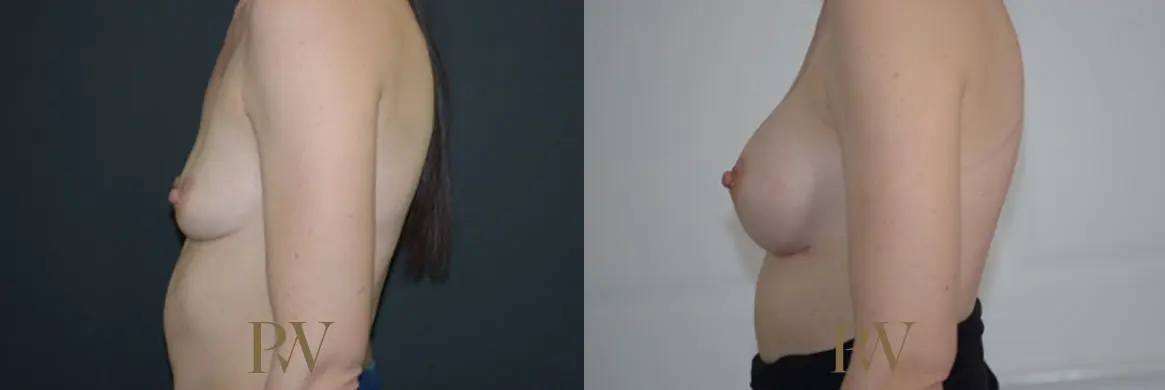
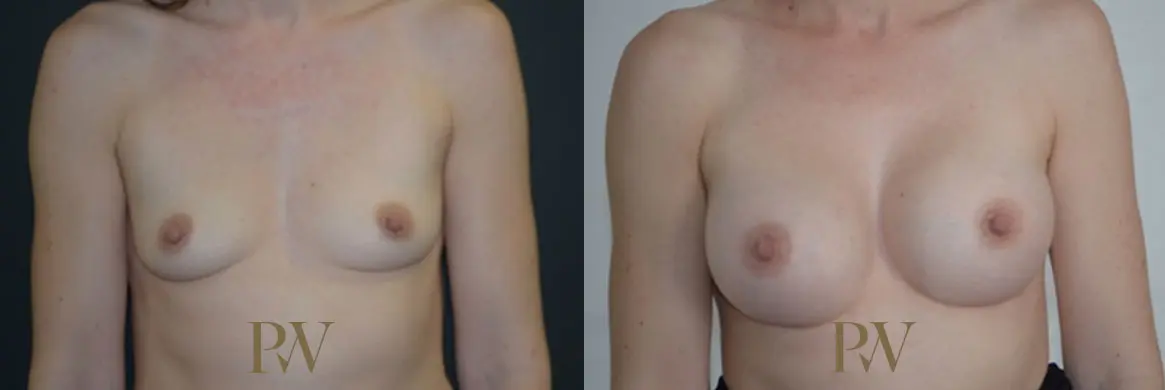
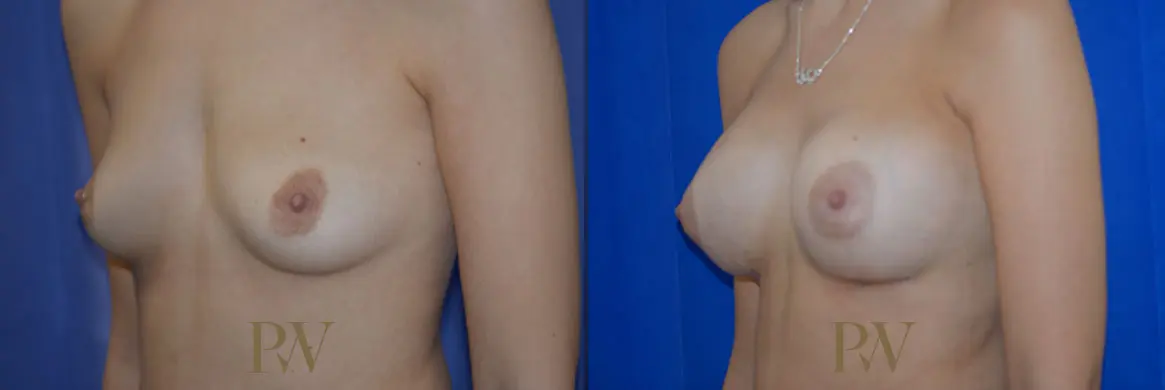
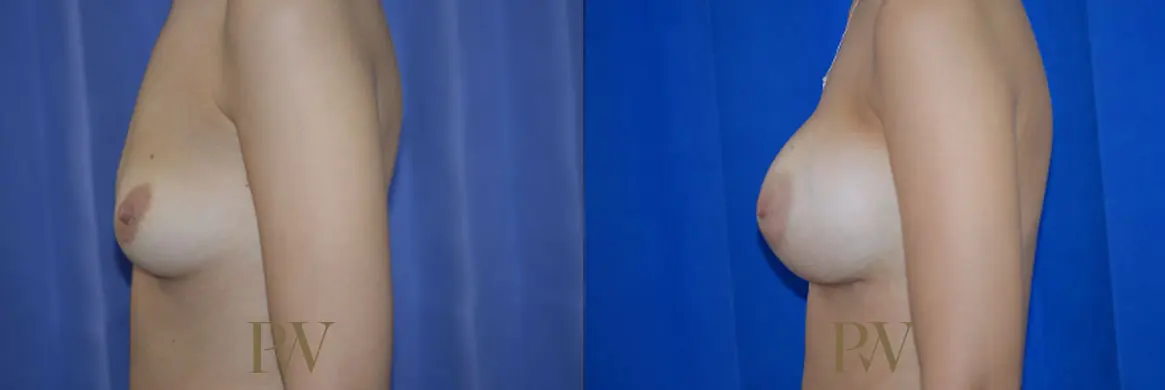
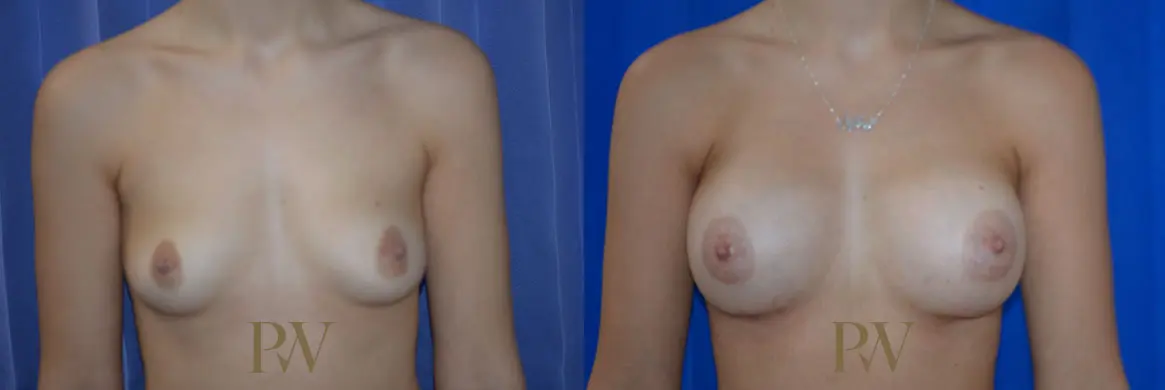
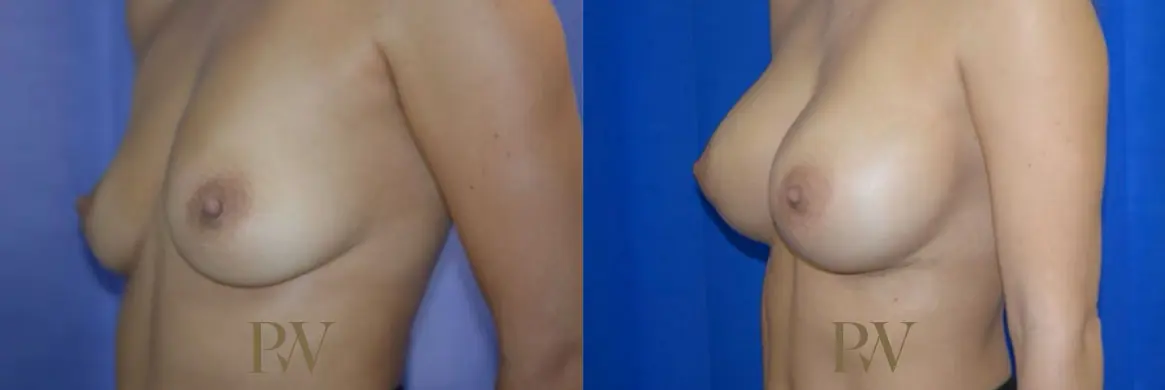
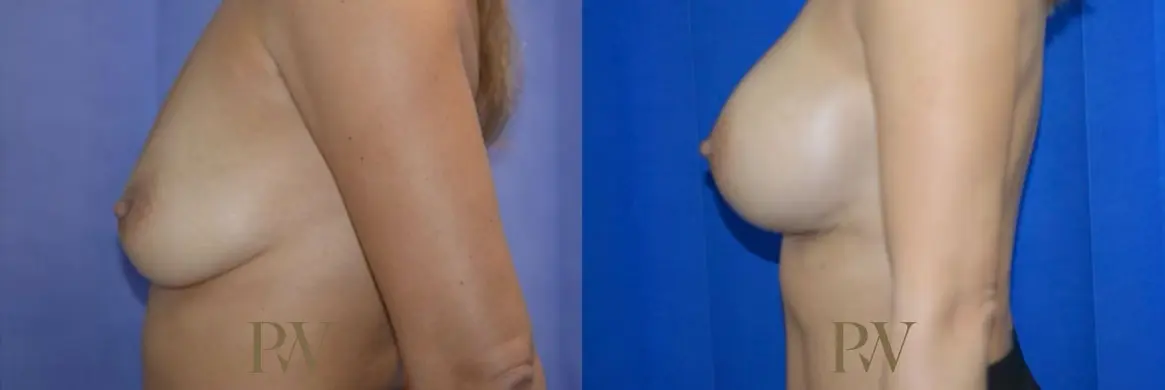
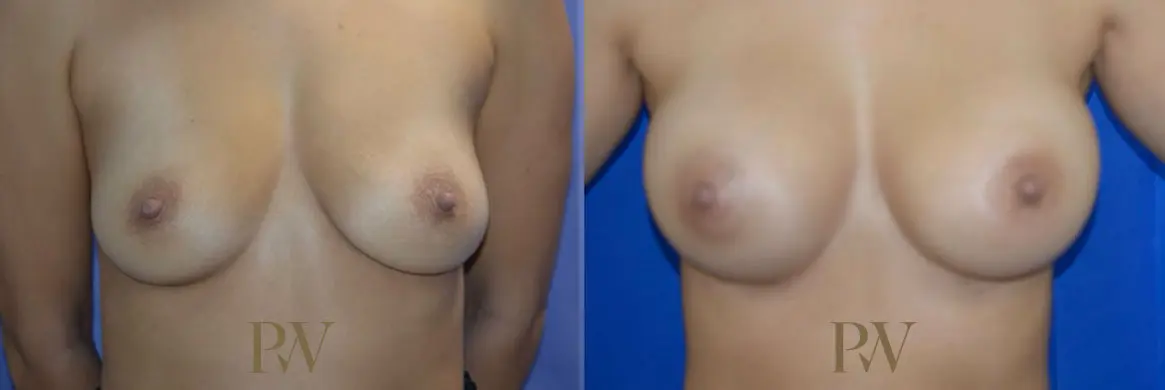
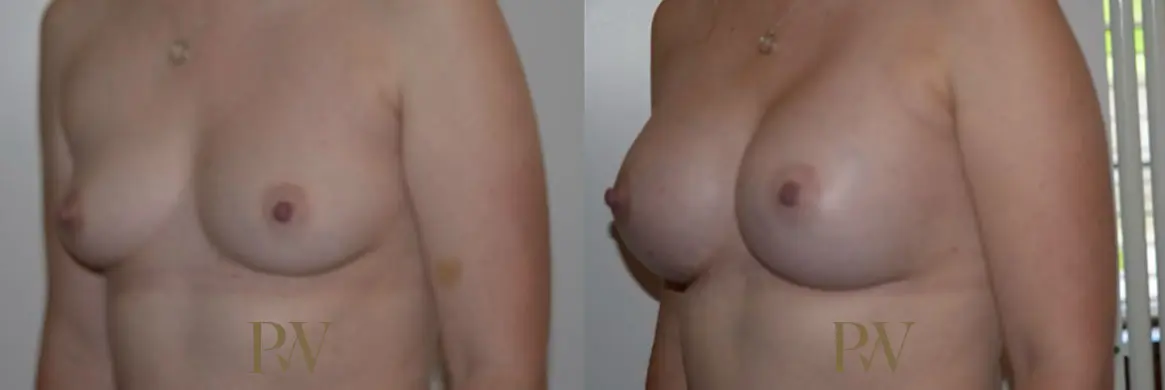
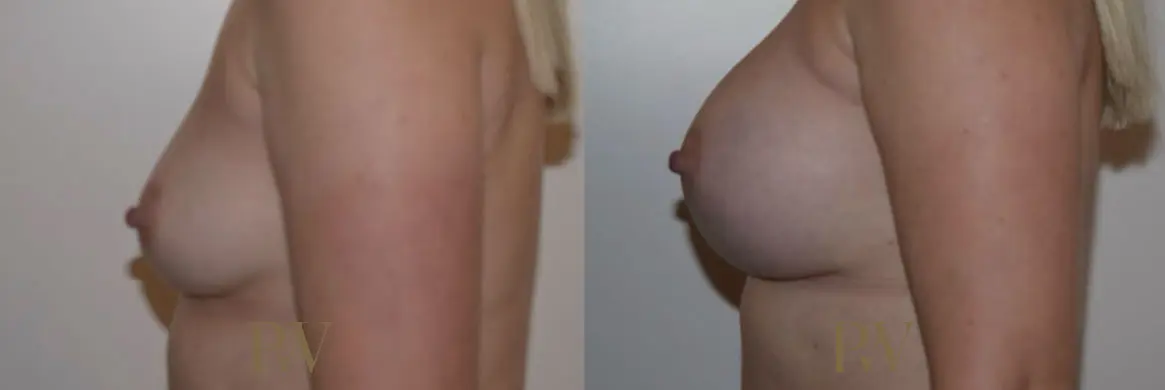
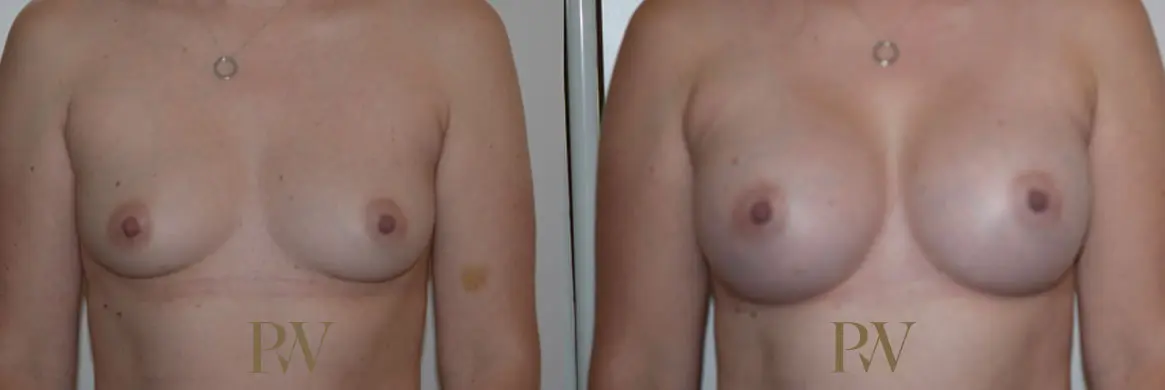
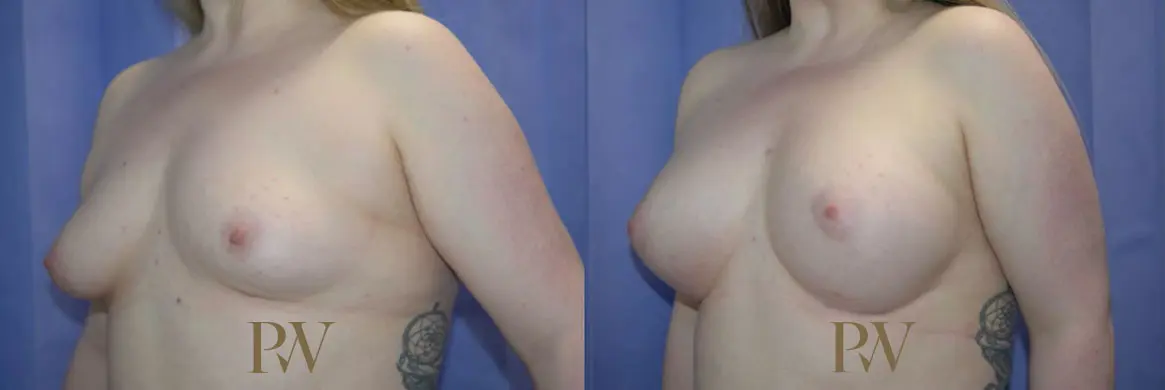
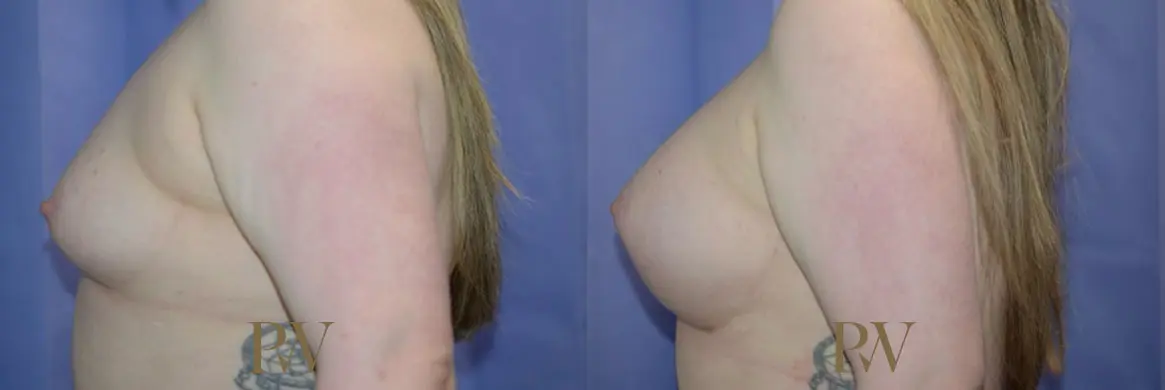
During the breast augmentation surgery, Mr Paul Wilson offers the sub-fascial, subglandular and dual plane techniques. With the dual plane technique, the implant is positioned partly beneath the chest muscle and halfway underneath the breast gland.
With the sub-fascial technique, implants are placed beneath the fascia and above the muscle, offering excellent support and natural movement while minimising muscle disruption. Of the three approaches, sub-fascial typically produces the most natural-looking results. Your surgeon will use the most suitable technique based on your anatomy and goals.
Incisions are usually placed in discreet locations, most commonly within the natural crease beneath the breast. This positioning helps minimise visible scarring and allows precise implant placement.
Implant Insertion and Shaping
Once the implant pocket has been created, the chosen implants are inserted and positioned to achieve optimal symmetry, projection and shape.
Closure and Dressings
The incisions are closed using fine sutures, and sterile dressings are applied. Drains are commonly placed to reduce the risk of fluid build-up in the early postoperative period. A supportive surgical bra will also be applied to help protect the implants and support early healing.
Scar Management
Your surgeon will provide advice on scar care once the incisions have healed. This may include silicone gel, moisturising products or gentle massage. Scar management will be reviewed during your follow-up appointments to ensure optimal long-term healing.





 Let's connect on Instagram