


Join us on Instagram
Discover behind-the-scenes moments, patient transformations, expert tips, and the latest in surgical treatments – all in one place.
 Let's connect on Instagram
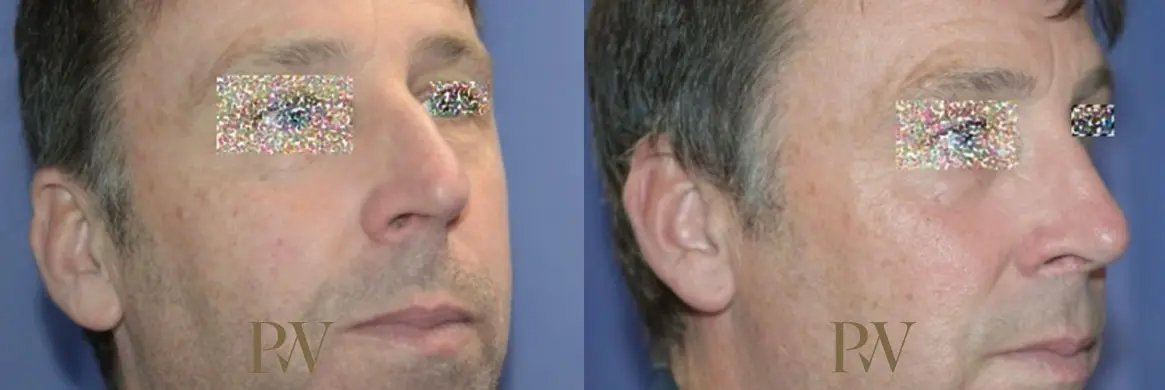
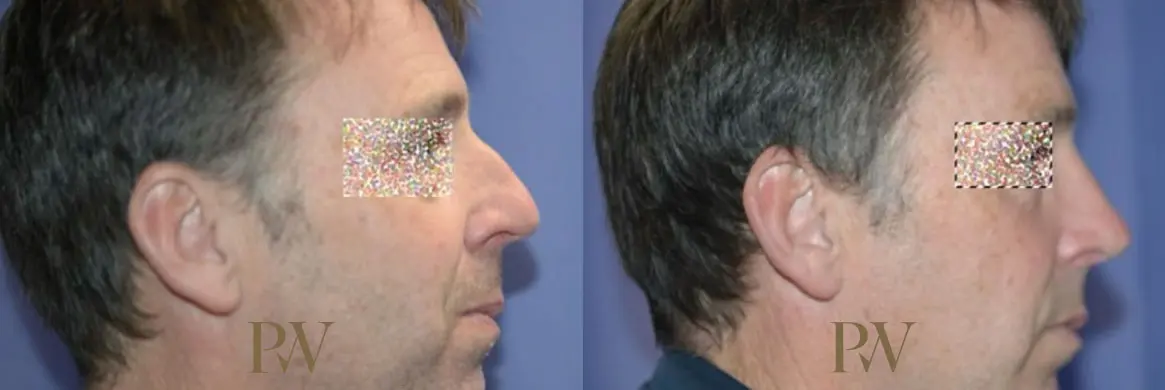
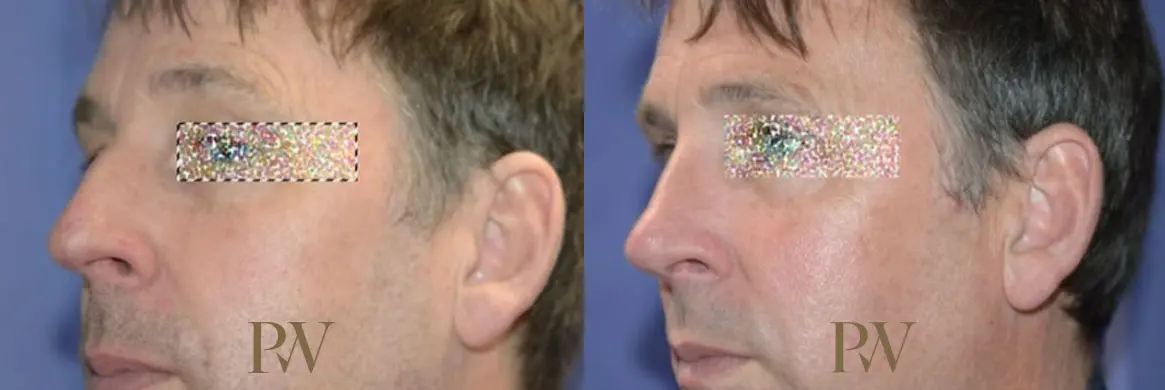
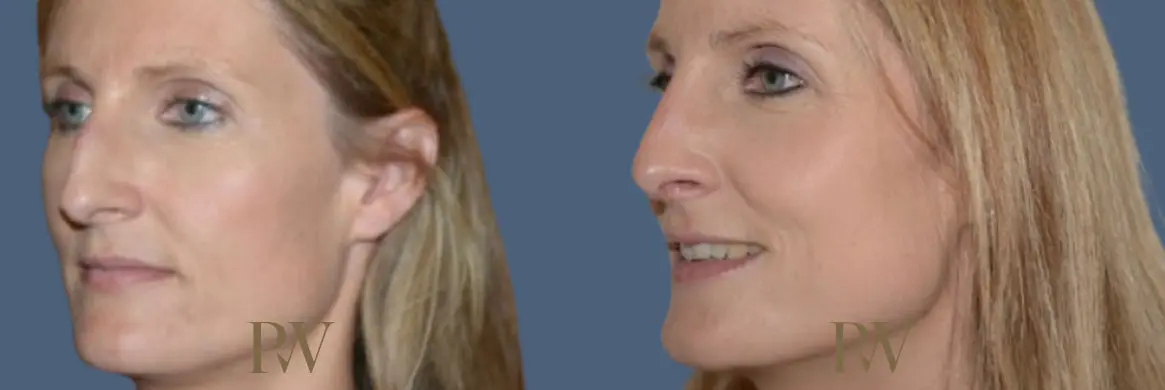
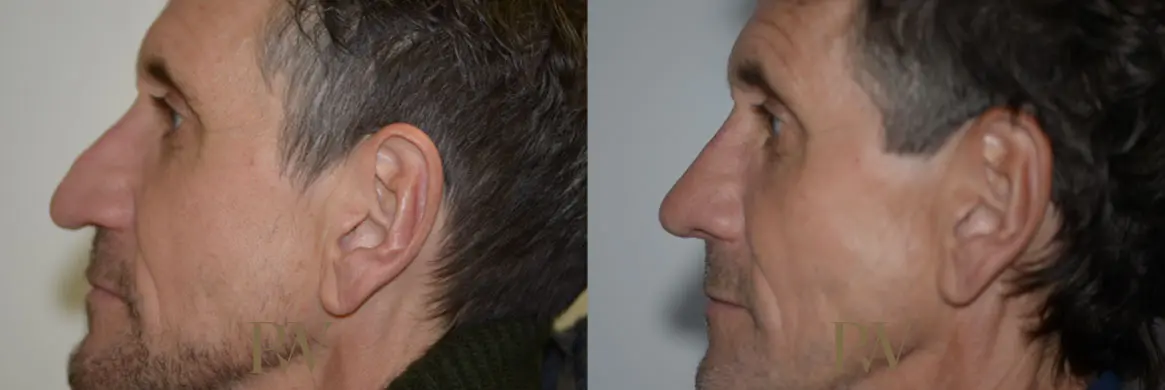
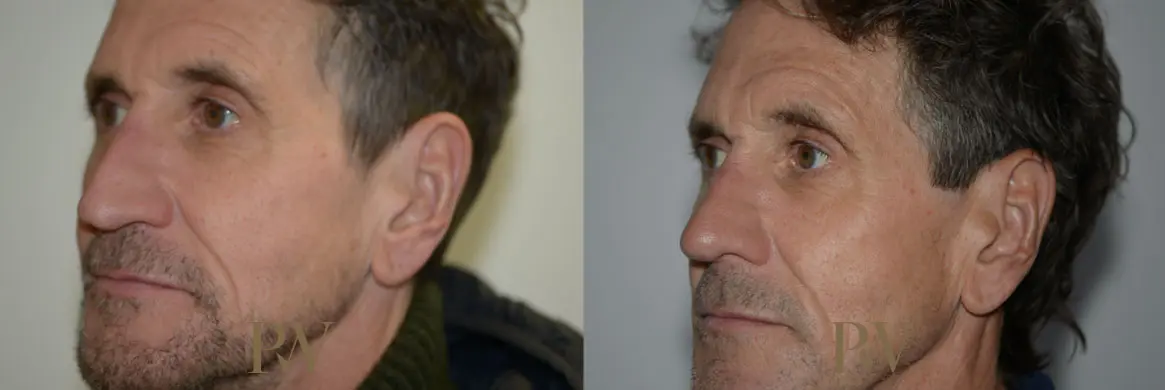
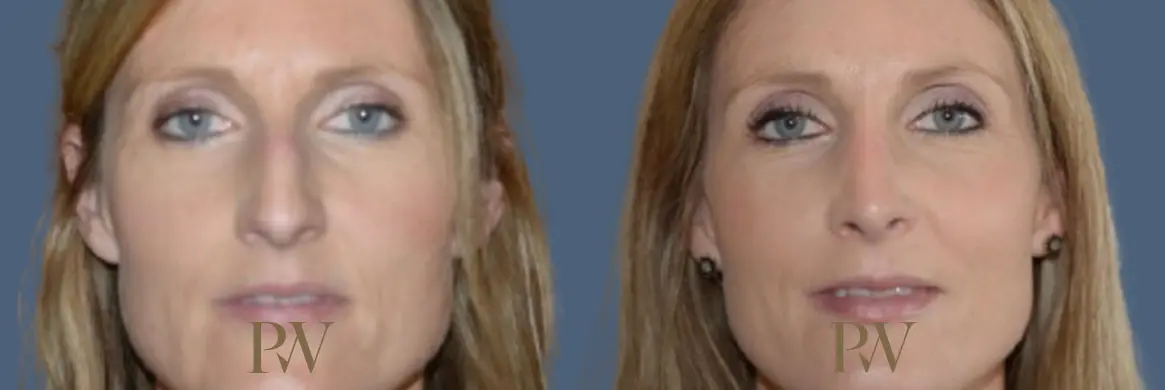
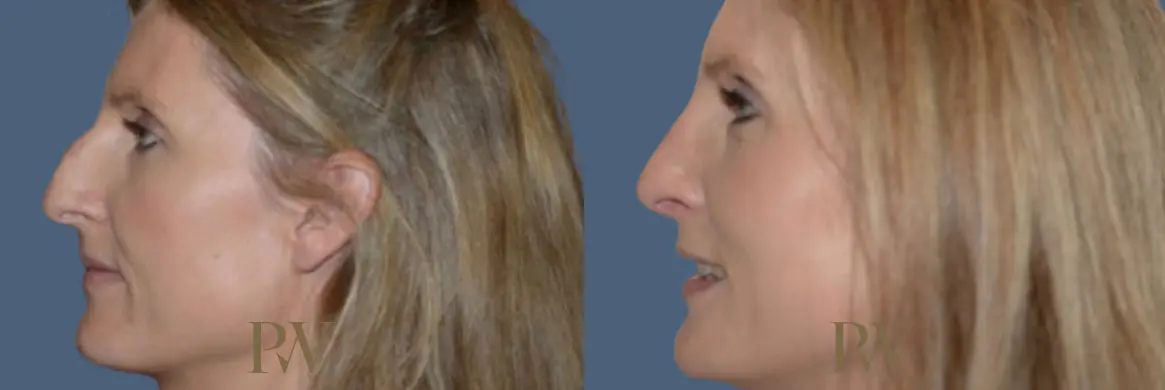
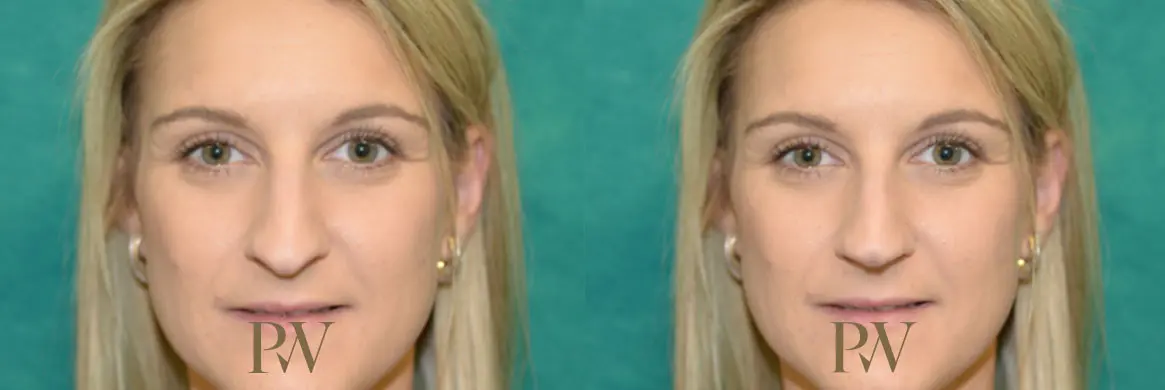
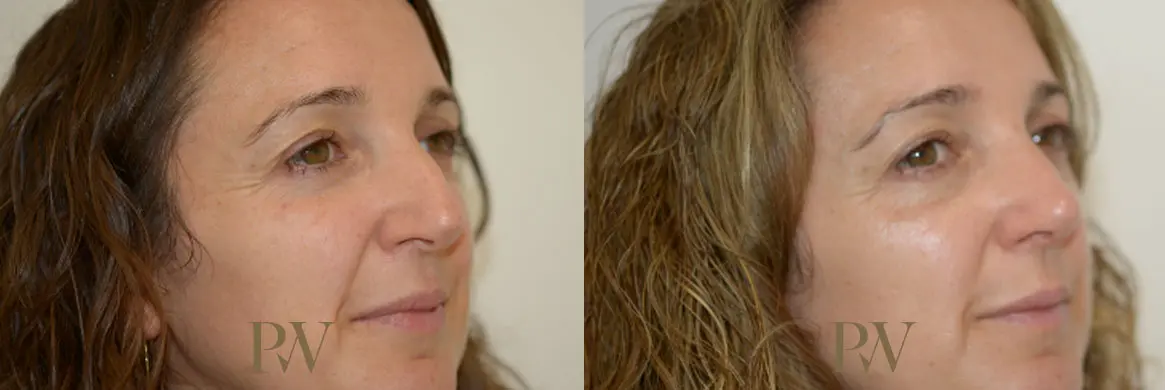
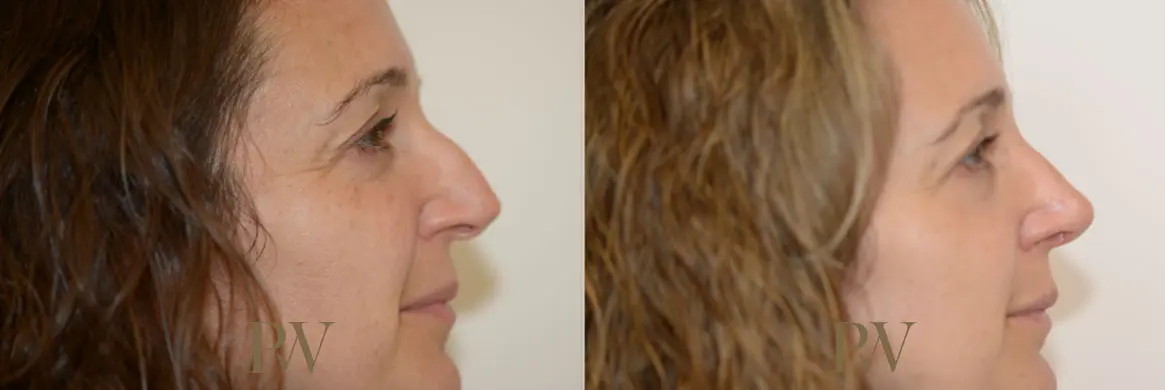
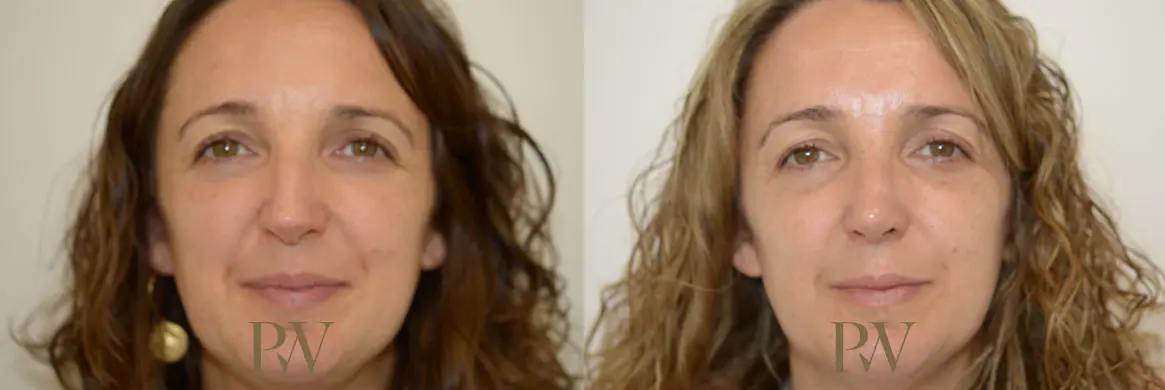
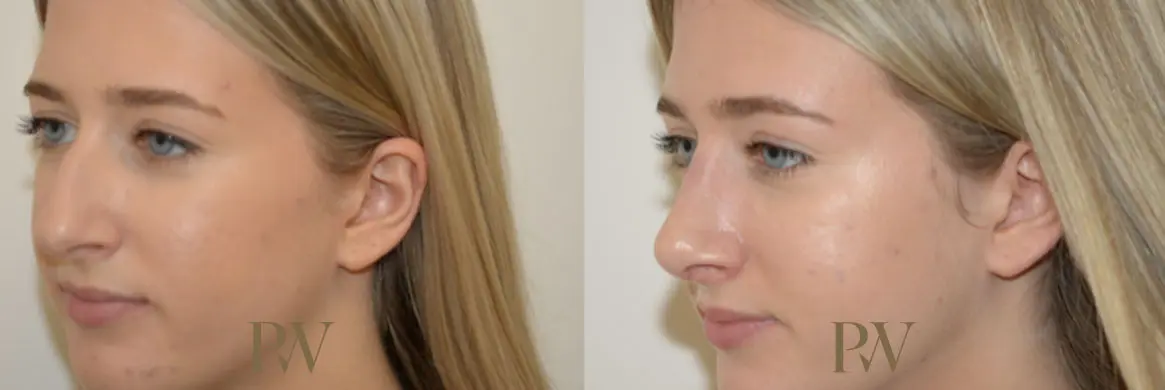
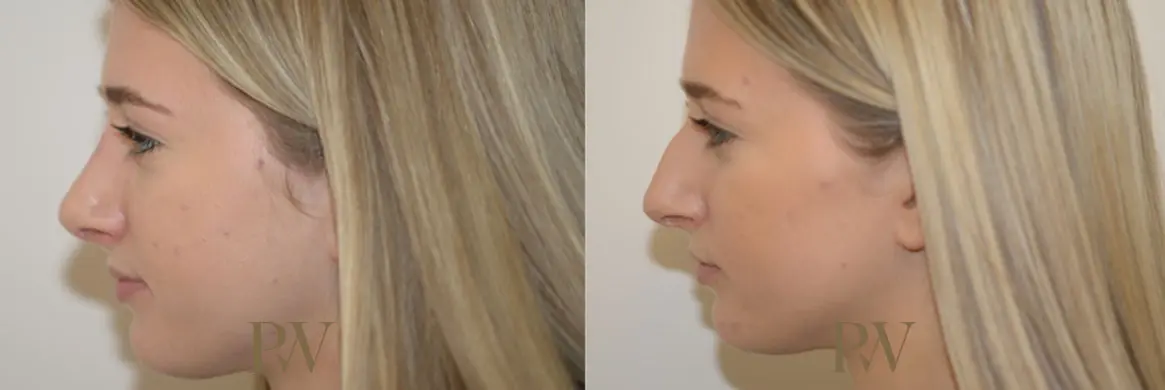
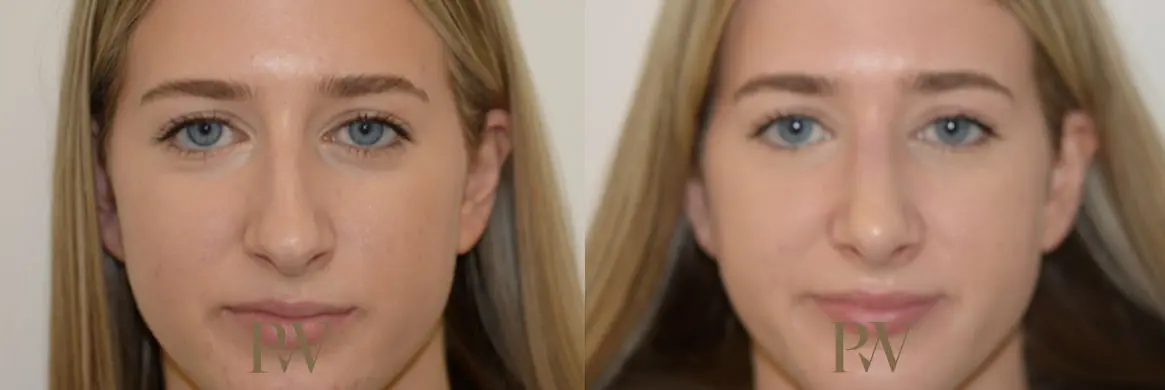
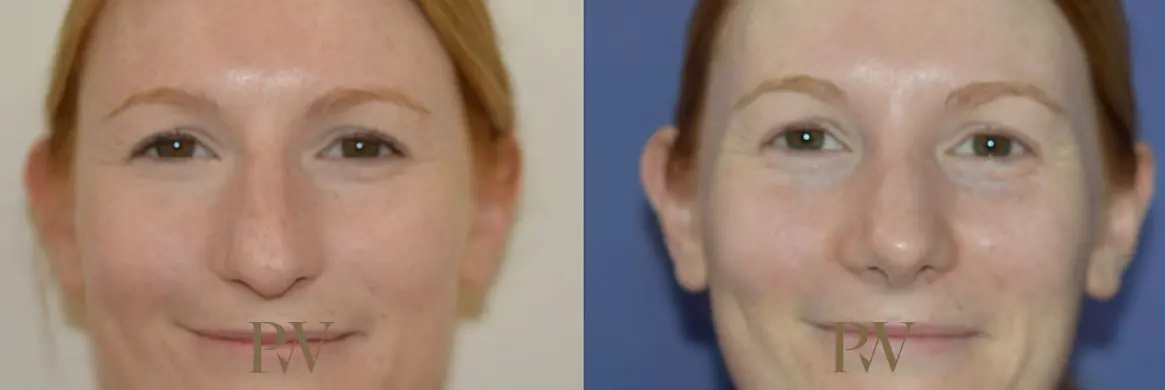
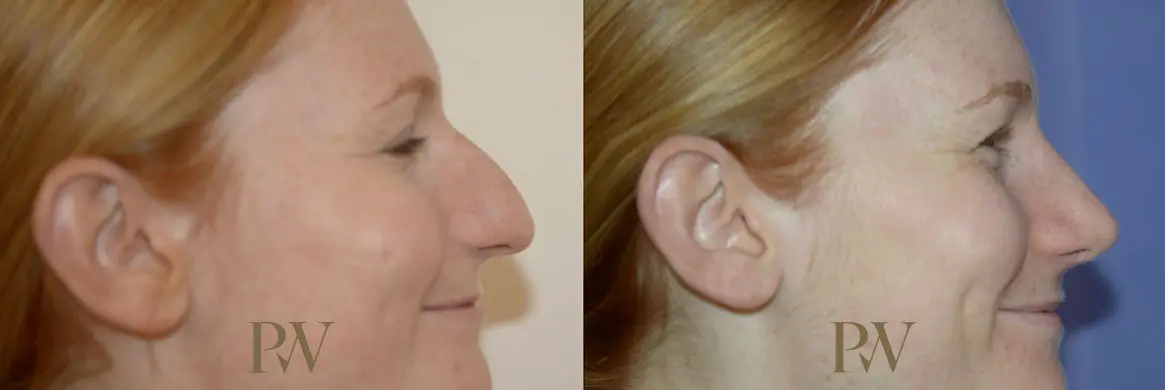
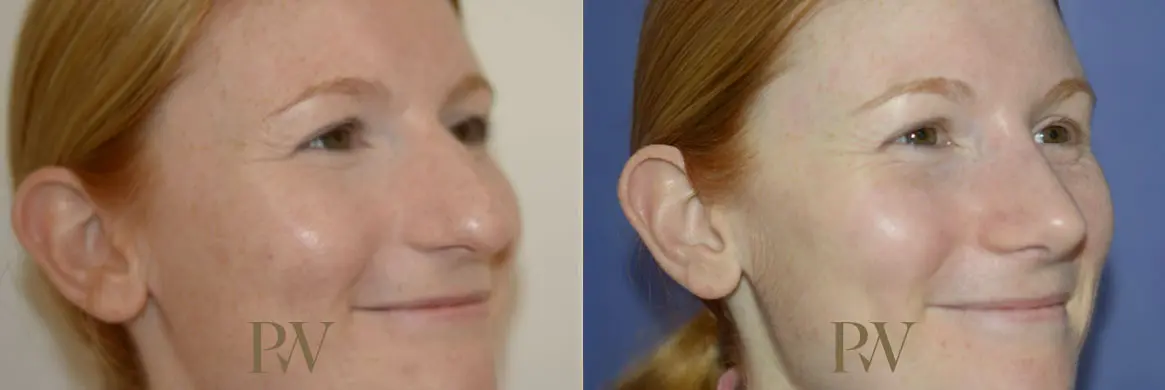
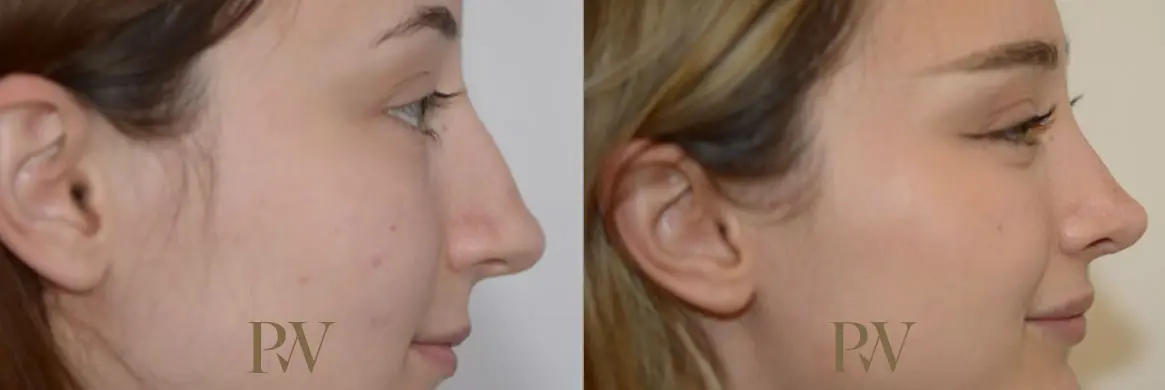
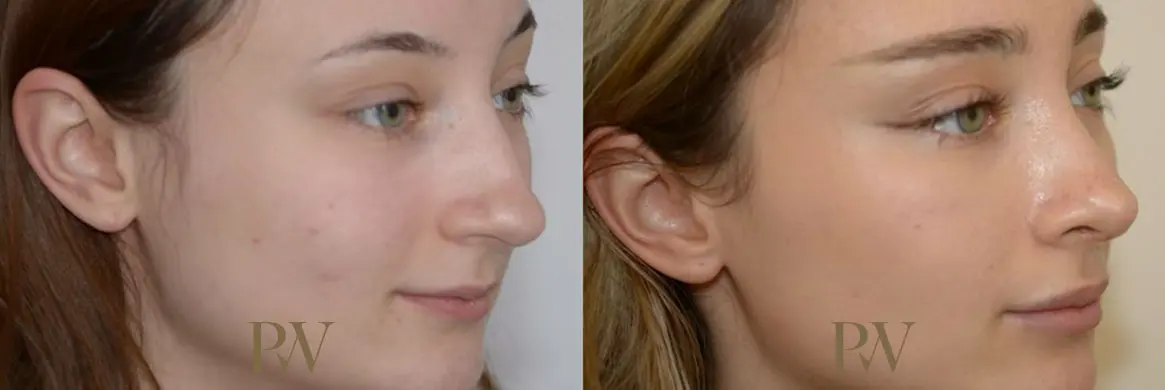
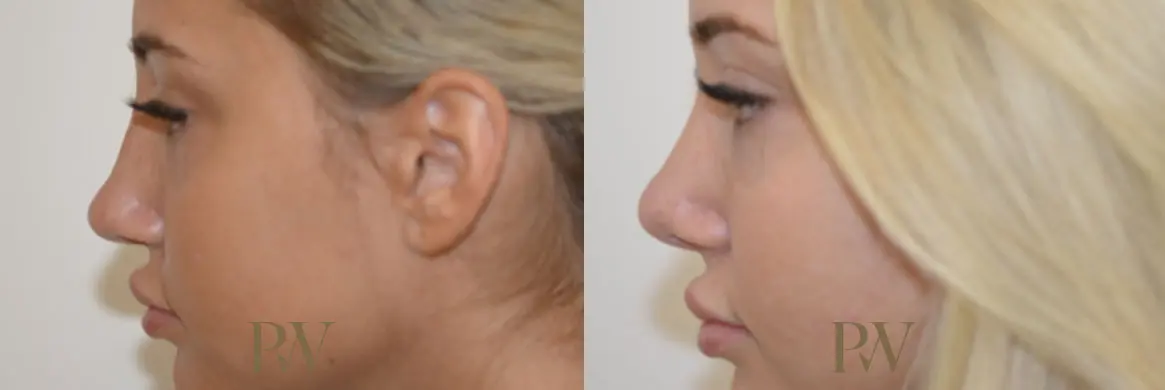
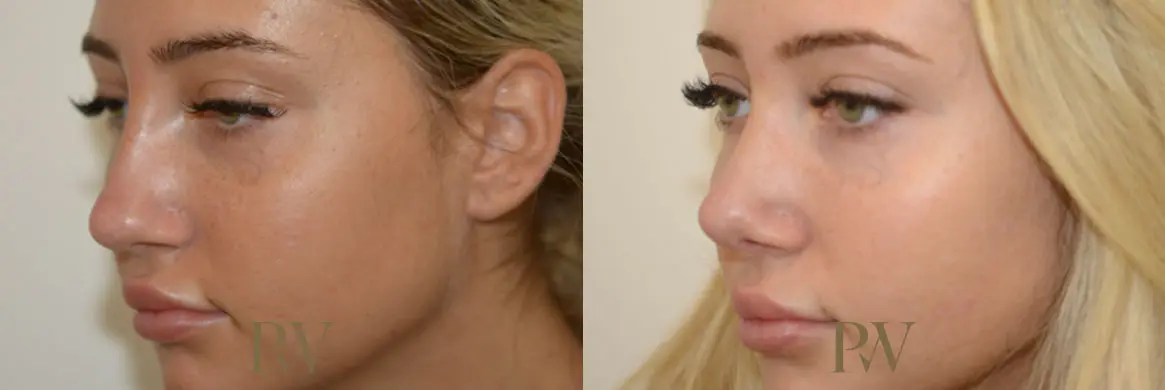
One result, seen from different angles.
With septo-rhinoplasty, it is important to consider how the nose sits within the whole face, not only how it looks from the side.
In this case, surgery addressed the dorsal hump and tip projection while maintaining a result that remained in keeping with the patient’s natural features.
The profile shows the change most clearly, while the oblique views demonstrate how the new shape complements this lovely patient’s natural features.
Swipe to see the result from each angle.
Photos used with patients kind consent.
📍 Northwood Hospital, Bristol
📍 The London Welbeck Hospital
☎️ Office: 0117 332 1585
📱 Call or WhatsApp: 07414 163133
✉️ info@paulwilsonaesthetics.co.uk
#rhinoplasty #septorhinoplasty #septoplasty #paulwilsonaesthetics

Weight loss affects every body differently.
For some people, the biggest change is around the face and neck. For others, it may be the upper arms, breasts, abdomen or thighs. Sometimes it is one area; sometimes several.
Surgery after significant weight loss is never one-size-fits-all. Depending on your anatomy and concerns, options may include a facelift and neck lift, brachioplasty, thigh lift, abdominoplasty or breast surgery. VASER may also be considered for targeted body contouring where appropriate.
The aim is to address the changes that weight loss can leave behind and create a treatment plan that feels right for you.
Swipe through to explore some of the areas that can be affected.
All photos used with patients kind consent.
📍 Northwood Hospital, Bristol
📍 The London Welbeck Hospital
☎️ Office: 0117 332 1585
📱 Call or WhatsApp: 07414 163133
✉️ info@paulwilsonaesthetics.co.uk
#surgeryafterweightloss #weightlosssuccess #glp1 #weightlosssurgery #paulwilsonaesthetics
This lovely 30-year-old patient came to see me hoping to move from an AA cup towards natural B/C cup proportions.
Her priority was to add shape and volume while keeping the result balanced with her slim frame.
We used Vectra 3D imaging during the planning process and selected 295cc high-profile Silimed True Texture Natural-Biodiesign implants.
The photographs show her before surgery and at 12 months, once the implants had settled and the result had matured.
Implant selection is about much more than volume alone. Chest width, existing breast tissue, body proportions and the patient’s preferred look all need to be considered carefully.
Every patient and every result is different. A consultation is needed to discuss what may be suitable for you.
Photos used with patients kind consent.
📍 Northwood Hospital, Bristol
📍 The London Welbeck Hospital
☎️ Office: 0117 332 1585
📱 Call or WhatsApp: 07414 163133
✉️ info@paulwilsonaesthetics.co.uk
#BreastAugmentation #BreastImplants #PaulWilsonAesthetics
Thinking about breast augmentation? Your consultation with Mr Paul Wilson is the first step.
Mr Wilson will talk you through your goals, expectations and the options available to you. Every patient’s breast anatomy is different, so the choice of implant needs to be tailored to your individual shape, proportions and desired result. You will have the opportunity to discuss different implant types, sizes and profiles, as well as what to expect from surgery and recovery.
Vectra 3D imaging will also be used during your consultation to help visualise how different implant sizes and shapes may look on your individual frame. It’s a useful tool for discussing your options and ensuring your treatment plan is tailored to your anatomy and goals.
It’s also a chance to ask questions, understand your options and feel fully informed before making any decision—there’s no pressure to decide on the day.
To book a consultation, please contact us using the details below:
📍 Northwood Hospital, Bristol
📍 The London Welbeck Hospital
☎️ Office: 0117 332 1585
📱 Call or WhatsApp: 07414 163133
✉️ info@paulwilsonaesthetics.co.uk
#breastaugmentation #paulwilsonaesthetics #northwoodhospital #londonwelbeckhospital
It was lovely to catch up with my patient again this week at her six-week postoperative review.
This was not a straightforward implant exchange.
Her original breast implants had been in place for 18 years. Over time, she had developed capsular contracture, a waterfall deformity and breast ptosis, meaning the breast tissue had dropped away from the implants.
Simply replacing the implants would not have corrected all of these concerns.
During surgery, the old implants and capsules were removed. A mastopexy was then performed to lift and reshape the breast tissue, before placing 365cc high-profile round Silimed implants.
These photographs were taken just six weeks after surgery, so this is still a very early result. There is some swelling and the scars are continuing to settle, but the improvement in breast position, shape and proportion can already be seen.
Revision breast surgery requires careful planning. The condition of the capsule, the quality of the breast tissue, the nipple position and the choice of implant all need to be considered together.
Her result will continue to develop over the coming months, and I look forward to following her progress.
📍 Northwood Hospital, Bristol
📍 The London Welbeck Hospital
☎️ Office: 0117 332 1585
📱 Call or WhatsApp: 07414 163133
✉️ info@paulwilsonaesthetics.co.uk
Photographs shared with patient consent. Individual results and recovery will vary.
#BreastRevision #BreastImplantExchange #Mastopexy #breastaug #paulwilsonaesthetics @northwood_hospital
We are pleased to announce that Mr Paul Wilson will be holding his first consultation clinic at The London Welbeck Hospital on Friday 23 October.
Mr Wilson is a Consultant Plastic Surgeon with more than 35 years of surgical experience, including over 16 years as a consultant. He specialises in facial, breast and body aesthetic surgery, with particular interests in rhinoplasty, facial rejuvenation and complex revision surgery.
Consultations are available for a wide range of procedures, including facelifts, neck lifts, facial implants, hairline lowering, breast surgery, VASER liposuction, body contouring and mummy makeovers.
To book your consultation with Mr Wilson, please enquire via the link in our bio or via the information below.
📍 Northwood Hospital, Bristol | The London Welbeck Hospital
☎️ Office: 0117 332 1585
📱 Call or WhatsApp: 07414 163133
✉️ info@paulwilsonaesthetics.co.uk
#newlocation #paulwilsonaesthetics #thelondonwelbeckhospital
FACELIFT AFTER WEIGHT LOSS
Significant weight loss can leave behind loose skin, reduced facial volume and a loss of definition through the face and neck.
Following her weight-loss journey, this lovely patient underwent a deep plane facelift and neck lift to address generalised tissue laxity, descended cheeks and a softened jawline.
Shown here six weeks after surgery, she has a more defined jawline and neck, restored cheek volume and softened nasolabial folds—all while maintaining a natural, refreshed appearance.
Thank you to my patient for kindly allowing me to share her results.
📍 Northwood Hospital, Bristol | The London Welbeck Hospital
☎️ Office: 0117 332 1585
📱 Call or WhatsApp: 07414 163133
✉️ info@paulwilsonaesthetics.co.uk
#deepplanefacelift #necklift #paulwilsonaesthetics
A lovely review from a patient who recently underwent hairline lowering surgery with us at Northwood Hospital Bristol.✨
We understand that patients can feel nervous when considering surgery. From the initial phone enquiry to the consultation, surgery and aftercare, our aim is to make the entire experience feel as comfortable, supportive and stress free as possible.
We are delighted to hear how positive this patient’s experience was and how happy they are with their results.
Thank you for trusting Paul and the team with your care and for sharing such kind words.
If you are considering hairline lowering surgery and would like to explore your options, please contact us to arrange a consultation.
📍 Northwood Hospital, Bristol | The London Welbeck Hospital
☎️ Office: 0117 332 1585
📱 Call or WhatsApp: 07414 163133
✉️ info@paulwilsonaesthetics.co.uk
#HairlineLowering #ForeheadReduction #PatientReview #PatientExperience #PaulWilsonAesthetics
A small change beneath the chin can make a surprisingly big difference to the whole profile.
The neck and jawline are areas where a few millimetres really matter. Fullness beneath the chin can soften the jawline and blur the natural transition between the face and neck, even in someone who is otherwise at a healthy, stable weight.
One of the reasons I like using VASER in this area is the control it gives me. Ultrasound energy is used to loosen the fat before it is carefully removed, allowing me to work precisely around the natural contours of the chin, jaw and neck.
The aim is not to remove as much fat as possible or create an overly sharp, unnatural result. It is about removing the right amount in the right places, refining the angle between the neck and chin, revealing more of the jawline and keeping everything balanced with the patient’s face.
These photographs show the same patient from two different angles. Notice the reduction in fullness beneath the chin, the clearer jawline and the smoother transition into the neck.
VASER can be particularly well suited to this area when localised fat is the main concern and the skin quality is appropriate. Every patient is different, which is why careful assessment and planning are so important.
If you are considering neck or jawline contouring and would like to understand what may be suitable for you, please get in touch to arrange a consultation.
📍 Northwood Hospital, Bristol | The London Welbeck Hospital
☎️ Office: 0117 332 1585
📱 Call or WhatsApp: 07414 163133
✉️ info@paulwilsonaesthetics.co.uk
Individual results vary.
Photos shared with patient consent.
#VASERLiposuction #NeckContouring #JawlineContouring #ChinLiposuction #paulwilsonaesthetics
VASER liposuction or traditional liposuction? It’s a question we’re asked a lot.
Both can be effective options for removing unwanted fat and improving body shape, but they work in different ways. VASER uses ultrasound energy before the fat is removed and can allow for more detailed contouring. Traditional liposuction may be more suitable when larger areas or volumes need to be treated.
There isn’t one option that is right for everyone. Your anatomy, skin quality, treatment area and the result you’re hoping to achieve all need to be considered.
During your consultation, Mr Paul Wilson will talk you through the options and recommend the approach best suited to you.
📍 Northwood Hospital, Bristol | The London Welbeck Hospital
☎️ Office: 0117 332 1585
📱 Call or WhatsApp: 07414 163133
✉️ info@paulwilsonaesthetics.co.uk
#VASERLiposuction #Liposuction #Vaser #BodyContouring #PaulWilsonAesthetics
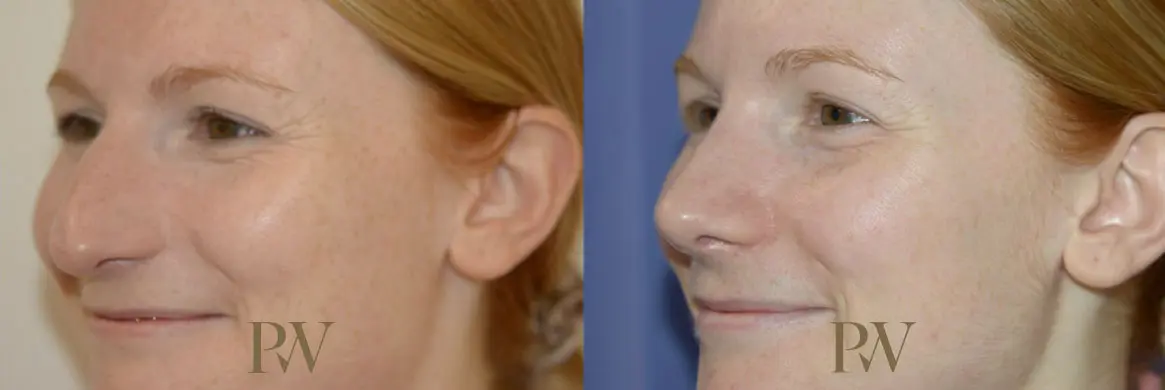
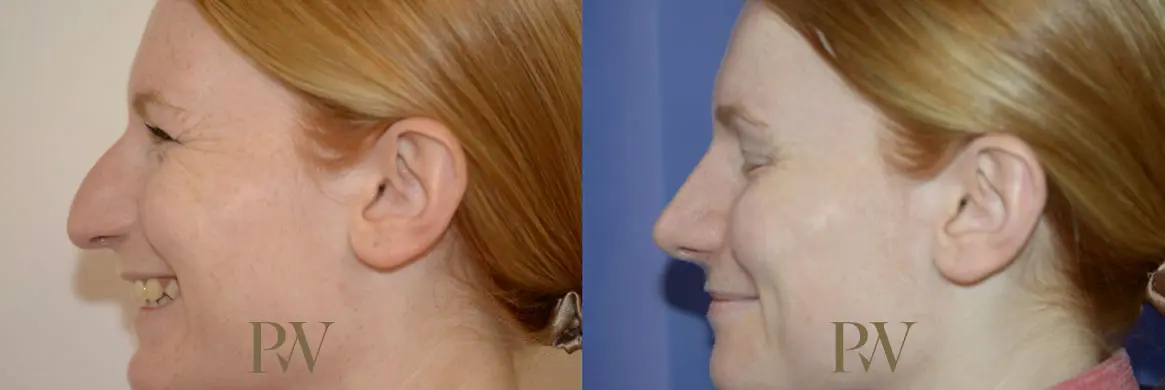
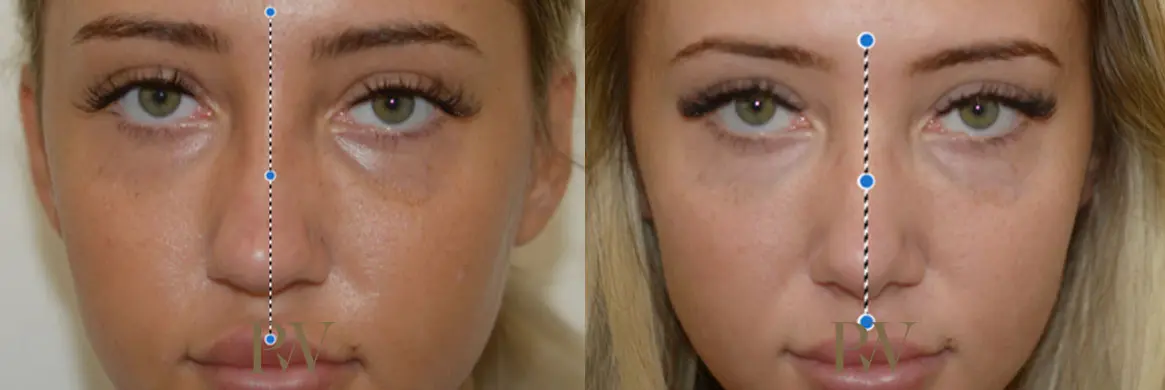
Preservation rhinoplasty is about refining the nose while preserving its natural character and key structures where appropriate.
This lovely patient is 29 years old and is now 18 months post surgery. Her result shows a smoother bridge and a more refined tip, creating a softer, more balanced profile while keeping everything in harmony with her face.
Most importantly, she’s delighted with her result.
Swipe to view the result from another angle and learn more about preservation rhinoplasty.
Every rhinoplasty is planned individually following consultation.
Images shared with the patient’s full consent.
📍 Northwood Hospital, Bristol | The London Welbeck Hospital
☎️ Office: 0117 332 1585
📱 Call or WhatsApp: 07414 163133
✉️ info@paulwilsonaesthetics.co.uk
#preservationrhinoplasty #rhinoplasty #rhinoplastybeforeandafter #paulwilsonaesthetics
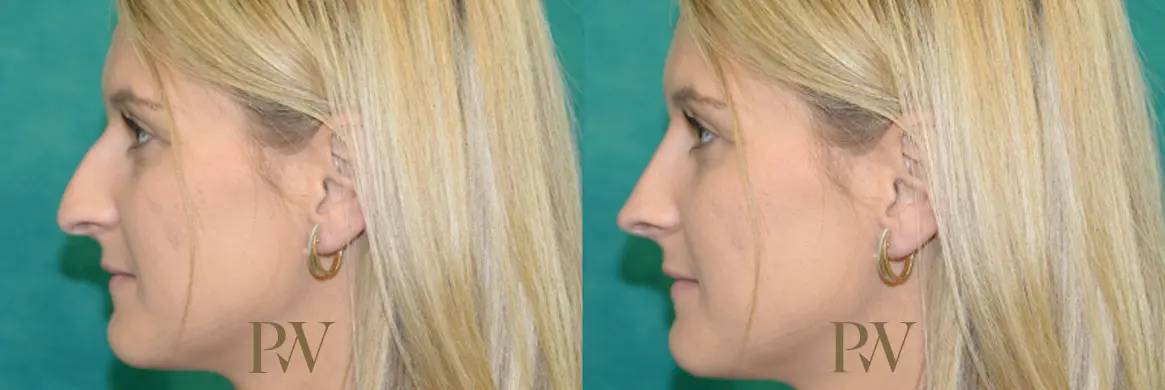
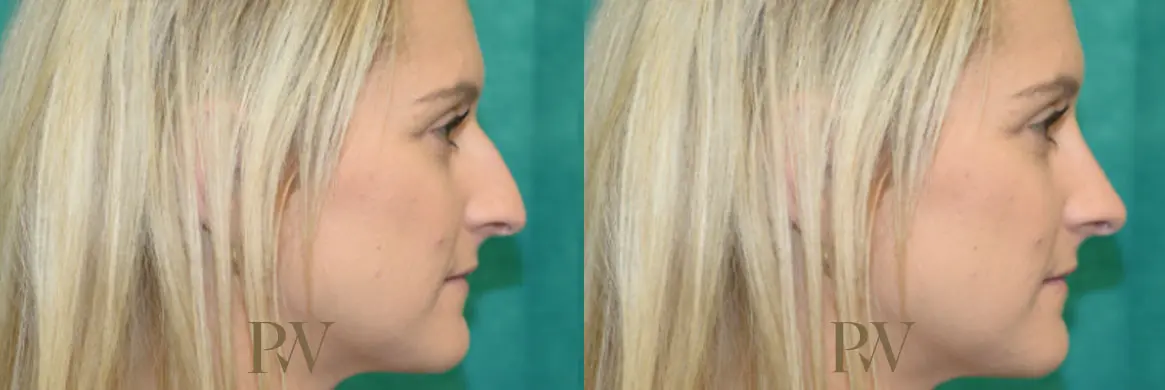
Before and immediately after preservation rhinoplasty.
These operating-theatre photographs show the change in profile directly after surgery. The bridge has been carefully refined while maintaining a natural shape that remains in keeping with the rest of the face.
Preservation rhinoplasty uses techniques designed to retain as much of the nose’s natural structure as possible while making the planned changes to its shape.
At this stage, swelling is already present and will continue to change during recovery, so this should not be viewed as the final result.
As with any rhinoplasty, the surgical plan is tailored to the individual patient’s anatomy and the changes they would like to achieve.
Images shared with patient consent. Individual results will vary.
📍 Northwood Hospital, Bristol | The London Welbeck Hospital
☎️ Office: 0117 332 1585
📱 Call or WhatsApp: 07414 163133
✉️ info@paulwilsonaesthetics.co.uk
#PreservationRhinoplasty #Rhinoplasty #NoseSurgery #PaulWilsonAesthetics