Treatment body

Post Weight Loss Surgery

TrustScore 4.8 | 54 reviews

5.0 | 128 Reviews

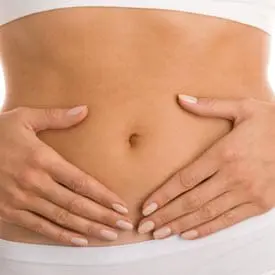
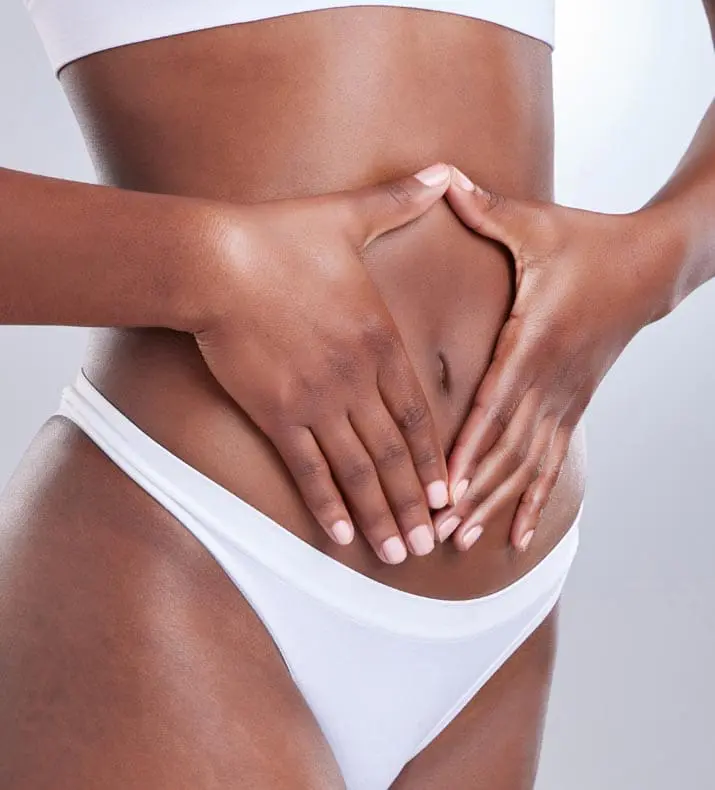
Post weight loss surgery, also known as body contouring after weight loss, is a transformative procedure designed for individuals who have achieved significant weight loss through diet, exercise, or bariatric surgery but are left with excess, sagging skin.

This condition often affects the abdomen, arms, thighs, chest, and other areas, causing discomfort, hygiene challenges, and self-consciousness. The surgery sculpts and tightens the body, removing redundant skin and enhancing contours, allowing patients to fully embrace the results of their weight loss journey.

Paul Wilson Aesthetics - Post Weight Loss Surgery Benefits 2

About

What is post weight loss surgery?

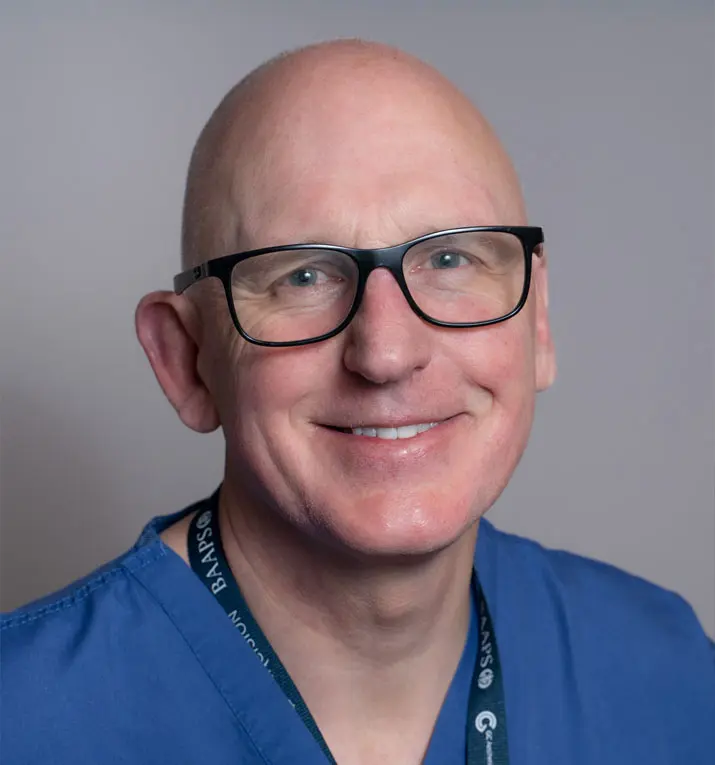
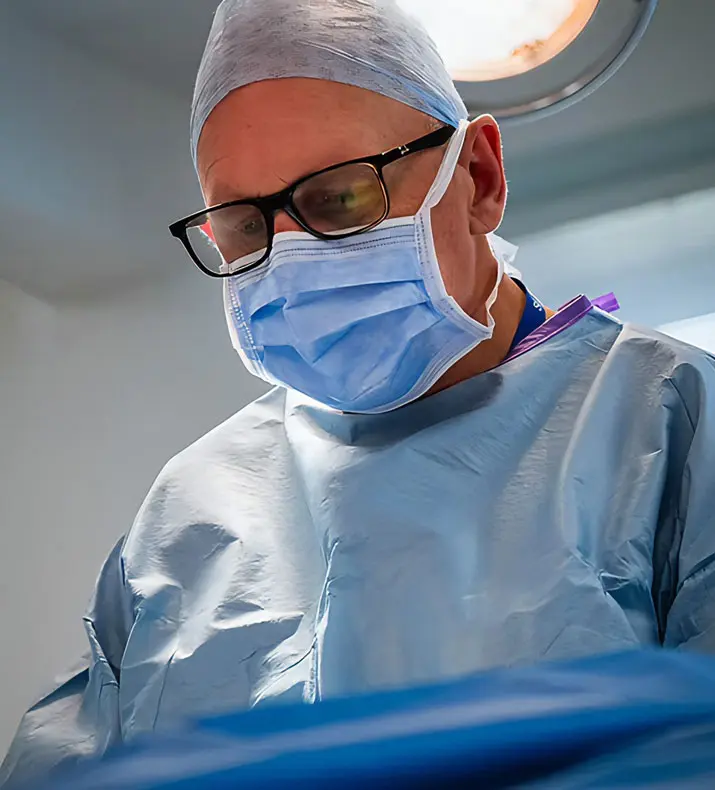
Mr Paul Wilson is an esteemed aesthetic plastic surgeon who is frequently requested for this surgery because of his expertise in complex body contouring procedures. With a patient-centred approach, Mr Wilson tailors each treatment to the individual’s unique anatomy and goals, ensuring natural-looking, harmonious results. His advanced surgical techniques minimise scarring and promote efficient recovery, helping patients achieve a smoother, firmer and more proportionate appearance. Mr Wilson’s compassionate care, meticulous attention to detail, and proven track record in delivering outstanding outcomes make him a trusted choice for those seeking a skilled surgeon to complete their transformation. Whether addressing a single area, or performing multiple procedures, Mr Wilson helps patients feel confident and comfortable in their new bodies.

Excess skin occurs after a period of weight gain because the skin stretches to accommodate the increased body size. Over time, this stretching can damage the skin’s elasticity and collagen, making it less able to retract once the weight is lost. When significant weight is shed, particularly in a short period, the skin cannot often tighten back to its original shape. This then leads to loose, sagging skin. Factors such as age, genetics, and the duration of weight gain also influence the skin’s ability to bounce back. This excess skin can cause discomfort and hinder mobility, prompting many individuals to consider post weight loss surgery.

This procedure is highly customisable, addressing specific areas where excess skin is most problematic. Patients often combine procedures for a comprehensive transformation. Mr Wilson develops a tailored surgical plan based on the patient’s unique anatomy, concerns, and goals.

A tummy tuck (abdominoplasty) removes loose skin from the abdomen while tightening weakened abdominal muscles, creating a flatter, firmer mid-section. Incisions are usually placed low on the stomach for minimal visibility.

An arm lift removes sagging skin and reshapes the arms for a slimmer, more toned appearance. This procedure most often addresses the upper arms, but can be adapted depending on the patient’s individual concerns. Incisions are placed along the inner arm for discreet scarring.

A thigh lift removes skin from the inner thighs, outer thighs, or both, refining contours and improving mobility.

A bra-line back lift removes a section of skin and sub-cutaneous fat from the redundant mobile excess skin in the upper back.

Breast surgery can be performed on both men and women, carrying out a breast reduction to remove excess skin on both the breasts. Women often combine this procedure with a breast uplift (mastopexy), or an augmentation mastopexy (breast lift with the insertion of implants). The aim of the surgery is to restore a natural-looking, youthful breast area.

With any of these procedures, liposuction may be included to help remove stubborn deposits of fat, refining body contours and improving the overall outcome. In cases of significant sagging, a lower body lift may be recommended. This complex procedure addresses the abdomen, flanks, hips and buttocks in one surgery for a complete transformation.

Mr Wilson prioritises minimising scarring and ensuring a natural, balanced outcome. Advanced techniques, such as strategic incision placement and precise suturing, enhance healing and aesthetics.


benefits

What are the benefits of post weight loss surgery?

This life-changing procedure provides a range of physical and emotional benefits, including:

Paul Wilson Aesthetics - Post Weight Loss Surgery Overview

Recovery

Recovery and results of post weight loss surgery

Patients may feel some swelling, bruising and soreness in the treated areas, immediately after surgery. Compression garments are provided to reduce swelling and support healing. In some cases, drains are applied temporarily to prevent fluid build-up. At 1-2 weeks most patients can resume light activities but should avoid strenuous movement. At 4-6 weeks, many can return to work and light exercise, though lifting and intense exercise should still be limited. Swelling subsides significantly at 6-8 weeks, and the final contours start to emerge. Normal activities, including exercise can typically be resumed with Mr Wilson’s approval.

Fees

How much does post weight loss surgery cost?

PRICES STRAT FROM

Please enquire

The cost of each post weight loss surgery is tailored to the individual procedure, please enquire within.

Mr Paul Wilson - FAQ

FAQ

Frequently Asked Questions

How long does otoplasty take?

Otoplasty typically takes 1.5 to 2.5 hours to complete, depending on the complexity of the correction required. The duration may vary based on whether one or both ears are being treated and the surgical techniques used. During your consultation, Mr Wilson will provide a tailored estimate based on your specific requirements.

Most patients can return to work or school within 7 days after otoplasty, depending on the type of work they do and their overall recovery process. For office-based or non-strenuous jobs, this timeline is typically sufficient. However, those with physically demanding jobs may require additional time to heal. Mr Wilson will assess your recovery during follow-up appointments and advise you when it is safe to resume your normal routine.

The downtime after otoplasty is usually around one week. During this period, patients may experience swelling, bruising and mild discomfort around the ears. A supportive bandage or headband is often worn to protect the ears and maintain their new position. While light activities can be resumed within a few days, strenuous exercises and contact sports should be avoided for 4-6 weeks to ensure optimal healing.

The first follow-up appointment is usually scheduled within 7 days after surgery to remove any dressings and check the healing progress. Additional follow-ups may occur at 2 weeks, 6 weeks and 3 months, depending on your recovery and specific case. Mr Wilson and his team will monitor your healing and ensure you’re satisfied with the results, providing guidance throughout the recovery process.

In most cases, otoplasty results are permanent, and patients do not need to repeat the procedure. The cartilage in the ears is reshaped and secured during surgery, ensuring long-lasting improvements. However, significant trauma or injury to the ears could alter the results. Following post-operative care instructions and avoiding activities that may risk ear damage can help maintain the outcome. Mr Wilson will discuss these aspects during your consultation.

Most patients are advised to wear a supportive headband for several days to one week after surgery to protect the ears and maintain their new position. In some cases, Mr Wilson may recommend continuing to wear the headband at night for an additional period to support healing. The exact duration will depend on your individual procedure and how your ears are healing.

After otoplasty, patients are advised to sleep on their back with their head slightly elevated to minimise swelling and avoid pressure on the ears. Sleeping on your side should be avoided during the early stages of recovery as this can affect healing and cause discomfort. Using extra pillows or a travel pillow may help keep your head in a stable position while you sleep.

Light activities such as gentle walking can usually be resumed within a few days after surgery. However, strenuous exercise, heavy lifting and contact sports should be avoided for 4-6 weeks to reduce the risk of swelling, bleeding or injury to the ears. Mr Wilson will advise when it is safe to gradually return to exercise based on your recovery at follow-up appointments.

Paul Wilson Aesthetics - Schedule your consultation

Schedule your consultation

Book a consultation with Paul Wilson Aesthetics

Patients choose Paul Wilson Aesthetics not only for the team’s surgical expertise, but also for their thoughtful, honest and patient-centred approach to aesthetic care. To get started, book a consultation where our team will discuss your concerns, outline your goals and determine if ear reshaping surgery is the right option for you.

Schedule your consultation