What to expect during a deep plane facelift?
Consultation
During your consultation, your surgeon will conduct a thorough assessment of your face and neck, identifying areas of sagging, volume loss and changes in skin quality. They will review your medical history, discuss your aesthetic goals and explain how a deep plane facelift can reposition the deeper facial tissues for a natural, long-lasting lift.
Your surgeon will also outline what to expect during recovery and will provide personalised advice on how to prepare for surgery. Typical incision placement will be discussed, and photographs may be taken to assist with planning and to help guide the surgical approach.
This appointment is your opportunity to ask questions, explore your treatment options and feel fully informed and confident before proceeding.
Anaesthesia and Procedure Time
A deep plane facelift is performed under general anaesthesia. When carried out on its own, the procedure typically takes around three to four hours, depending on the extent of lifting required.
When facial fat grafting is combined with a deep plane facelift, the overall procedure time is usually four to six hours, as both the deep structural lifting of the face and the precise placement of grafted fat are completed in the same operation. Your surgeon will confirm the expected duration of your procedure during your consultation, based on your individual treatment plan.
Surgery
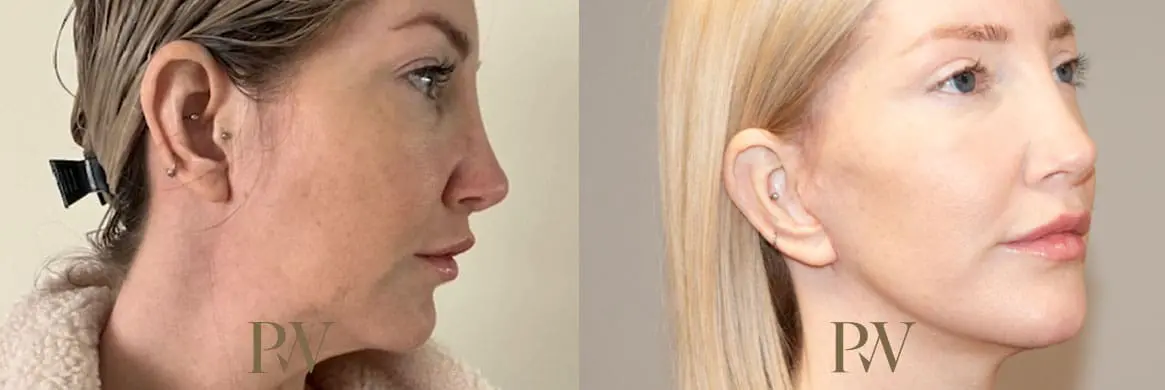
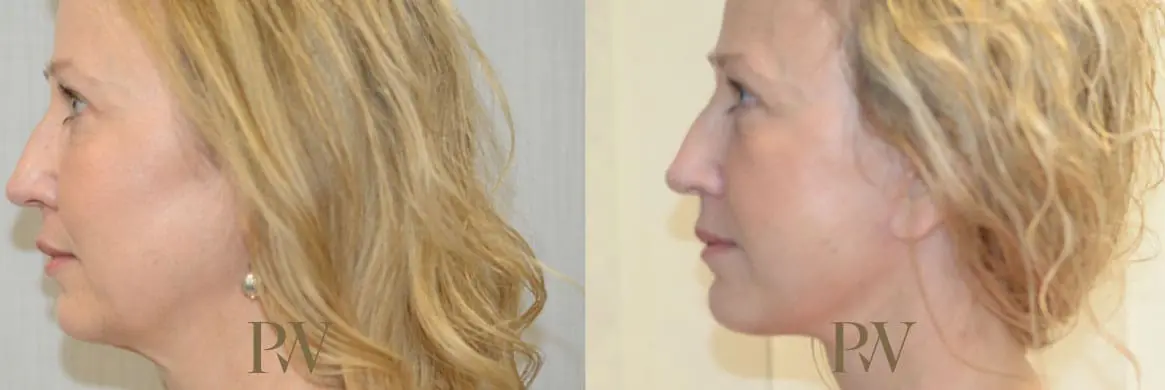
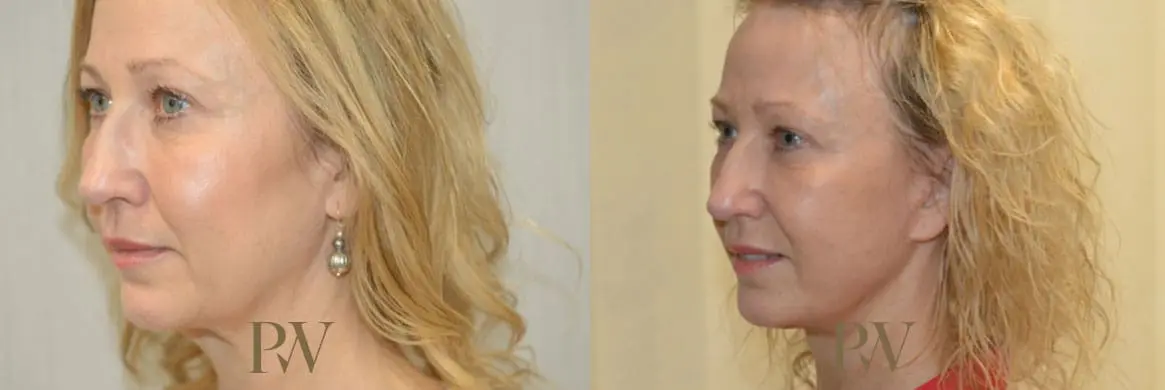
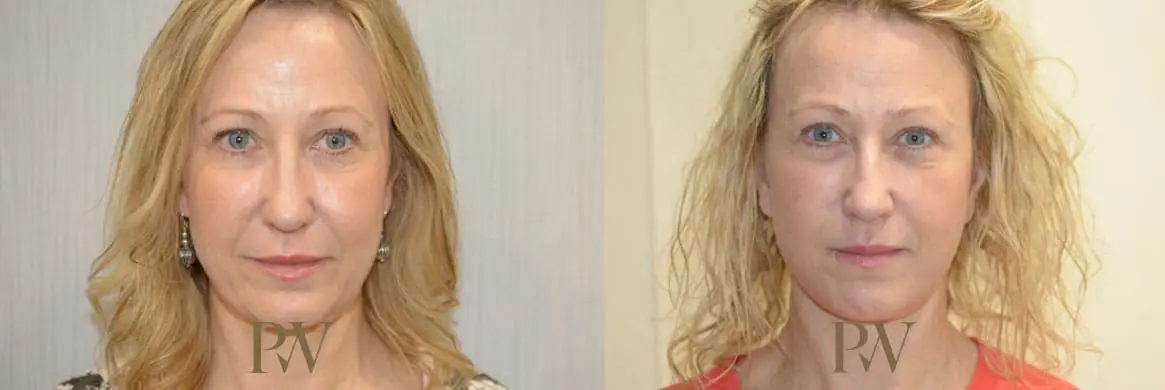
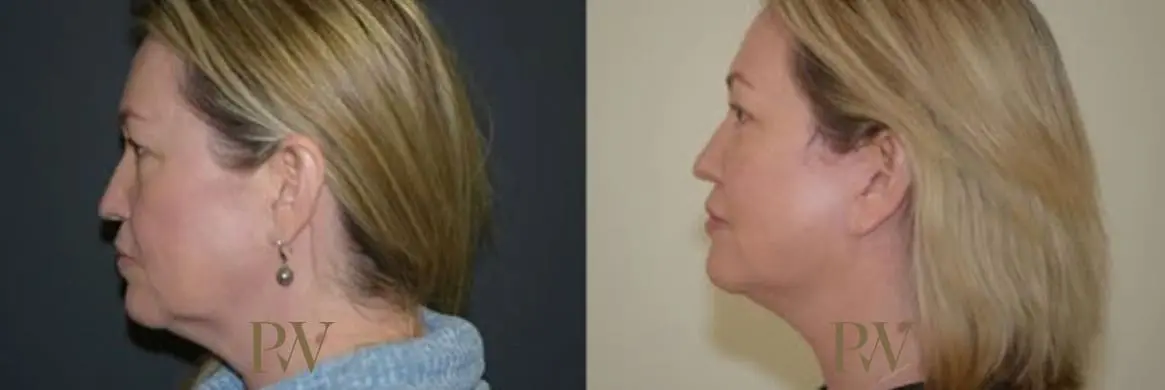
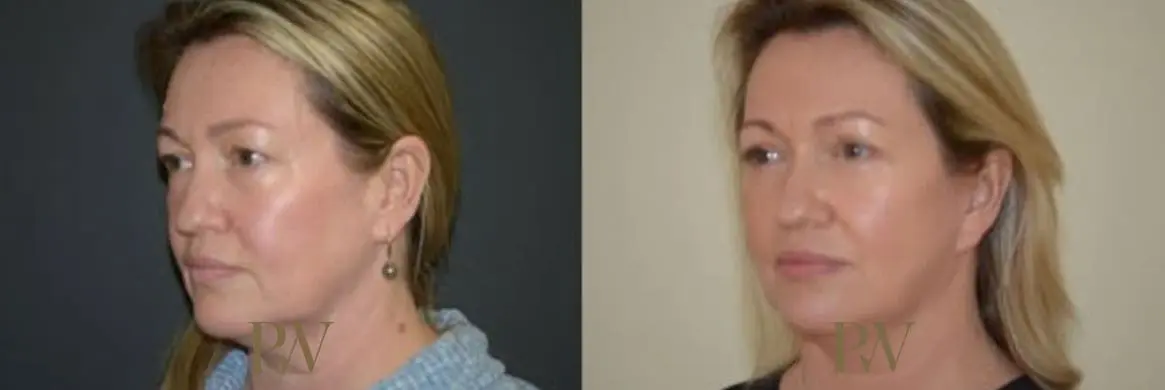
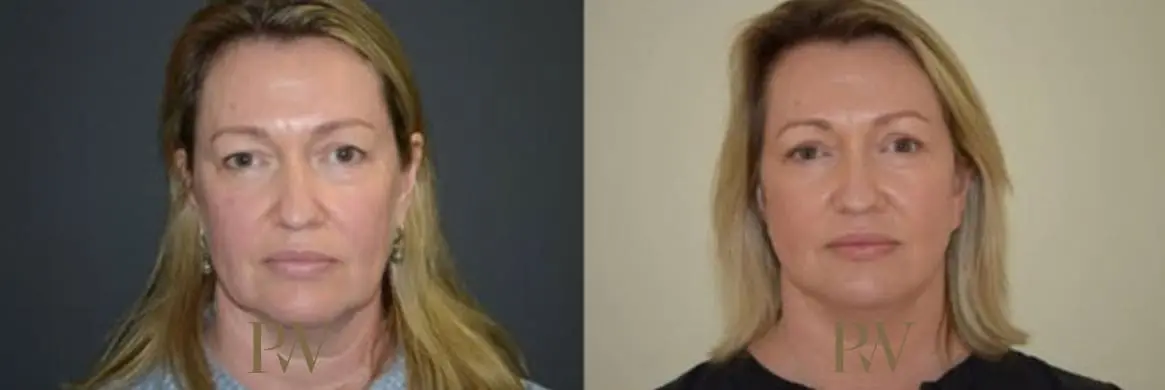
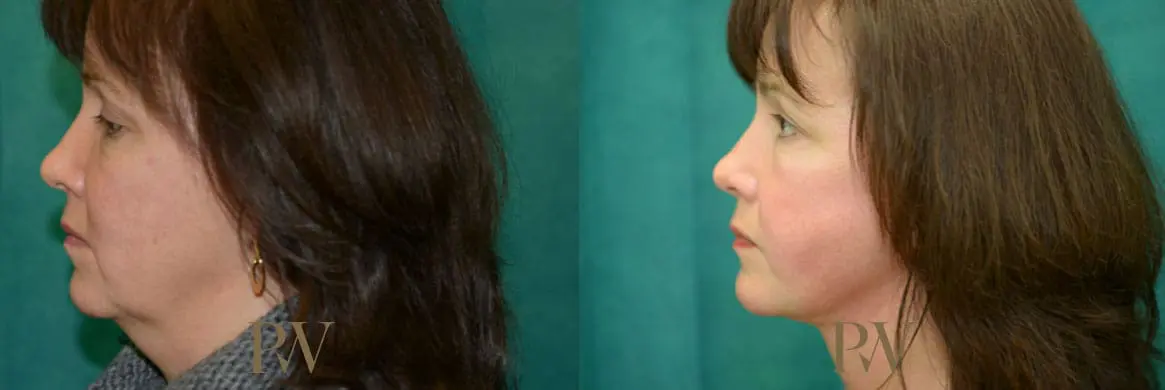
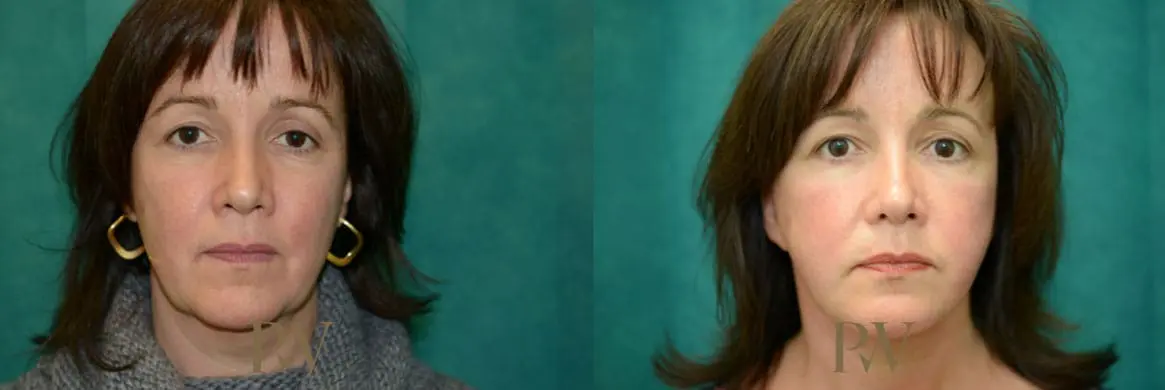
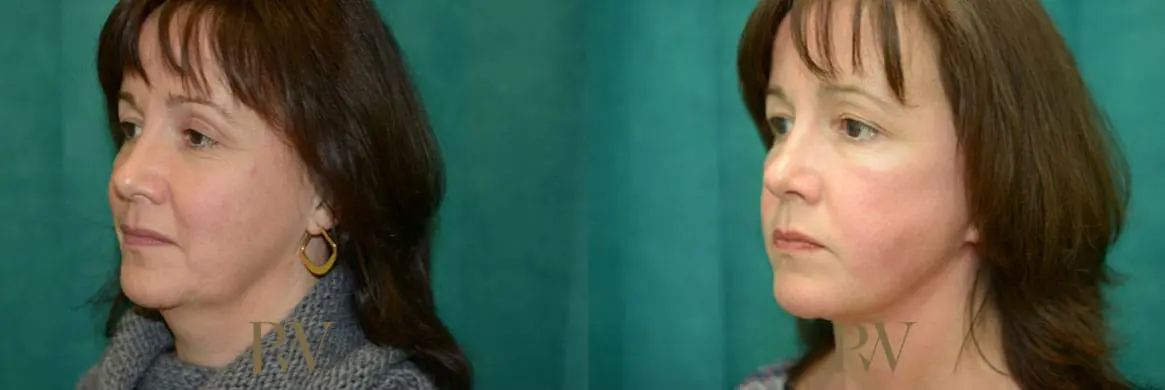
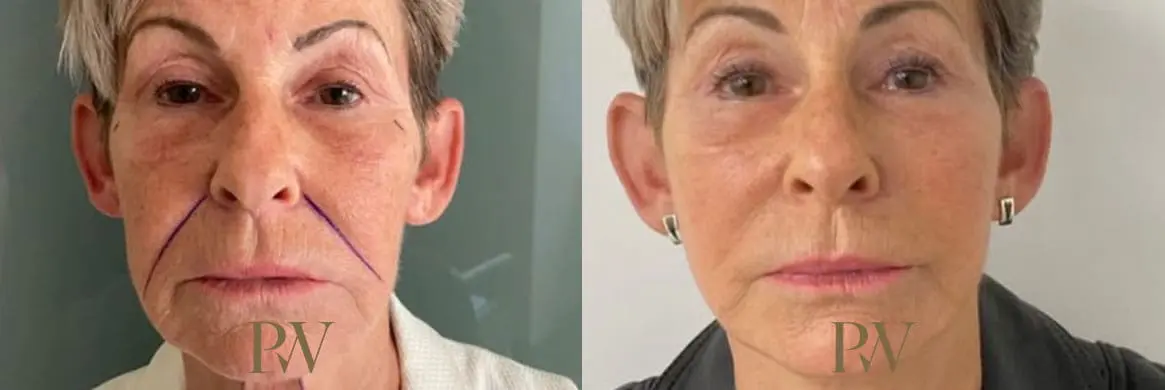
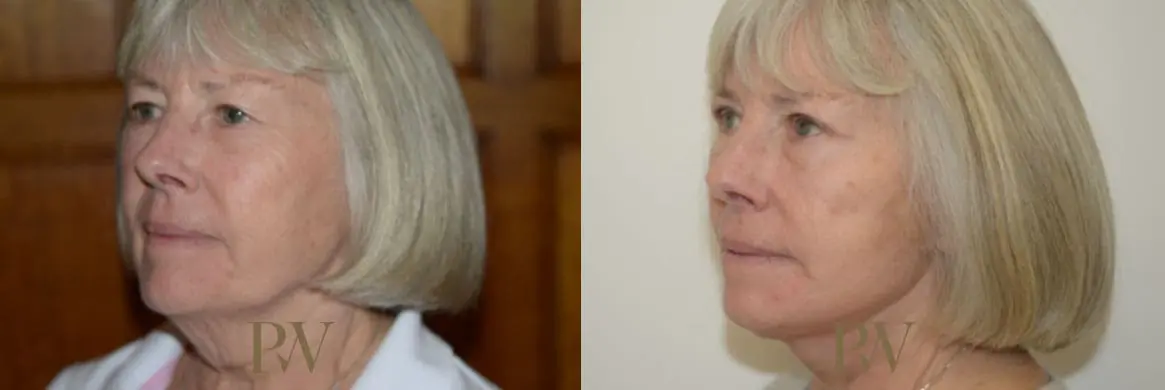
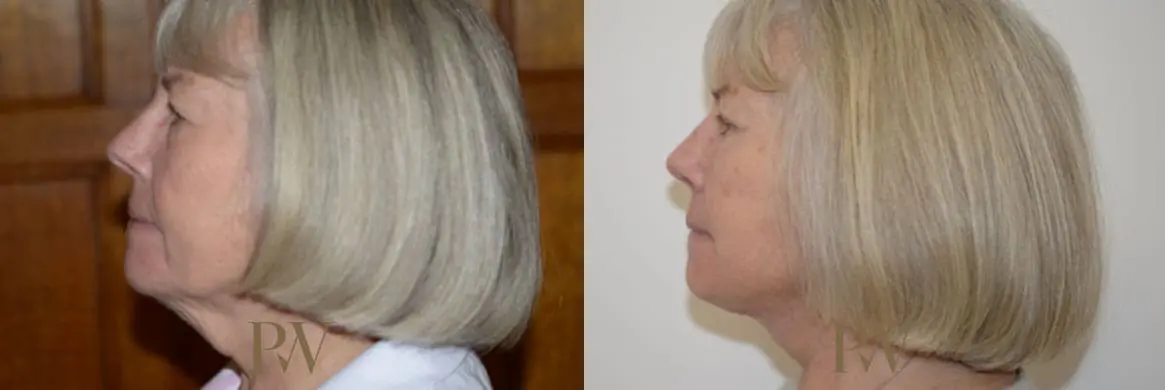
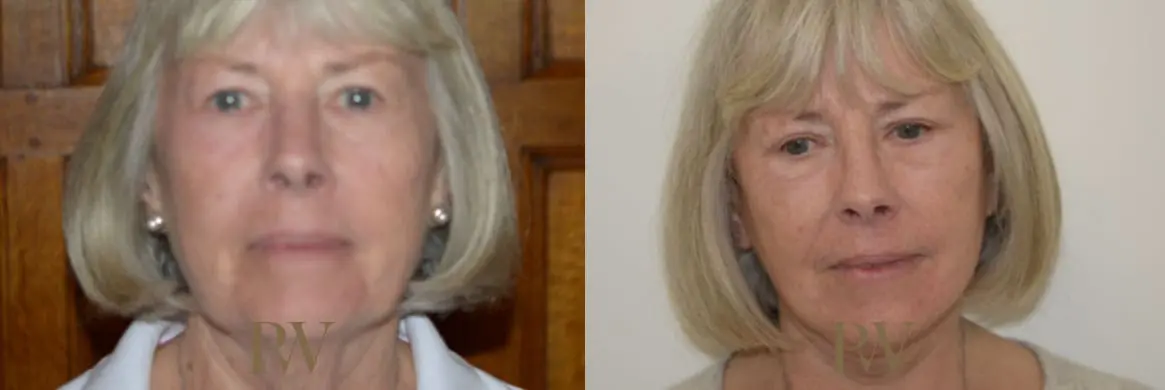
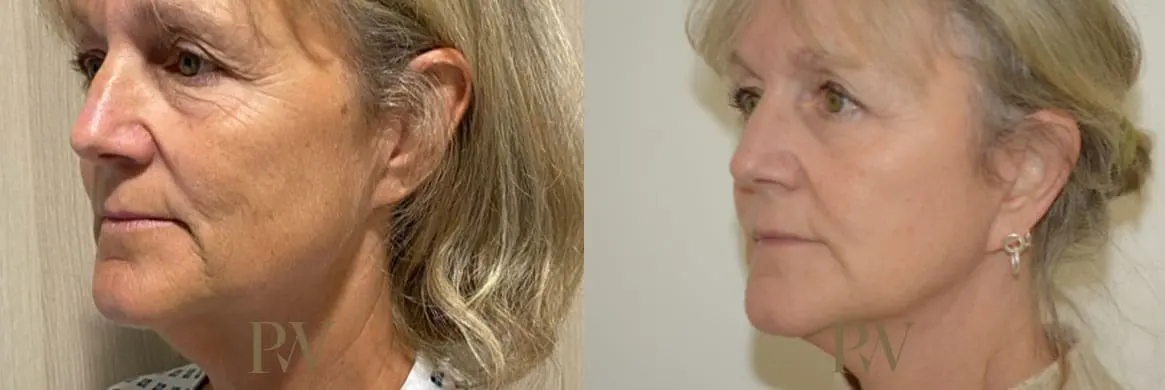
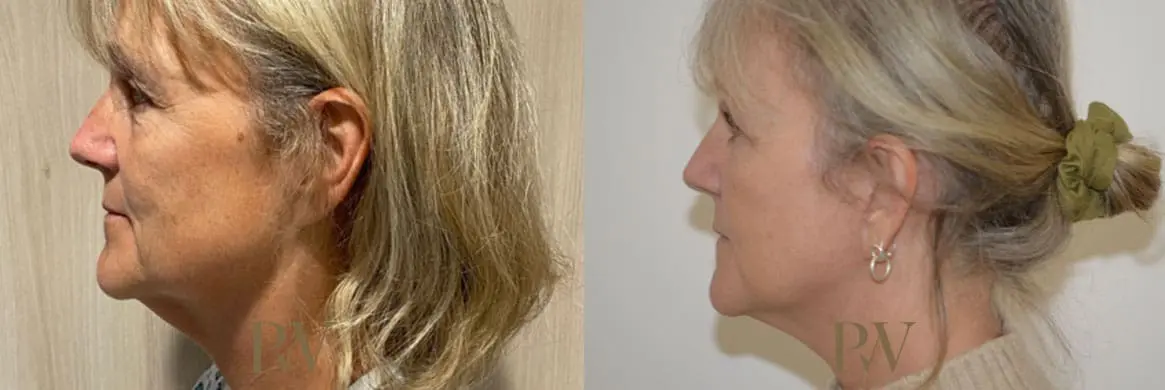
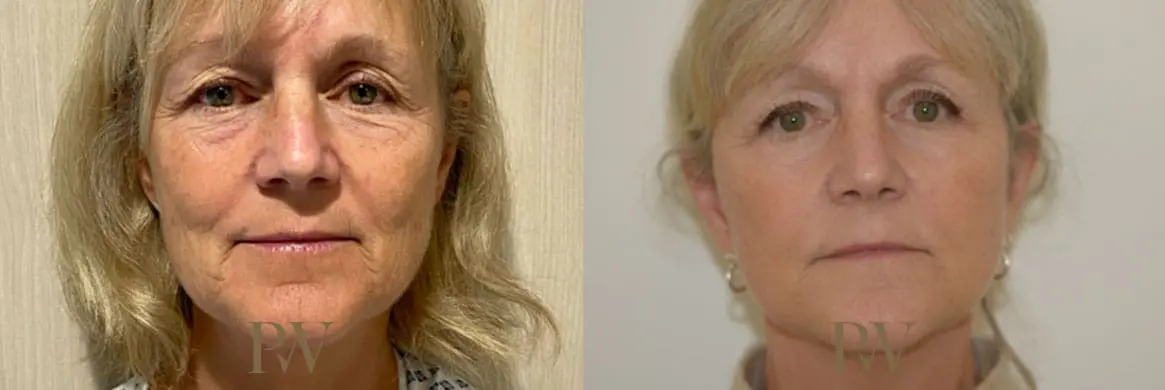
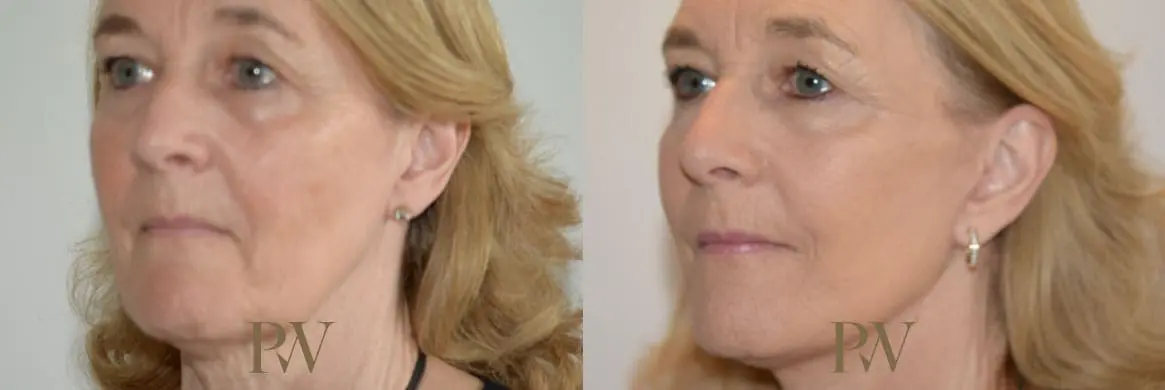
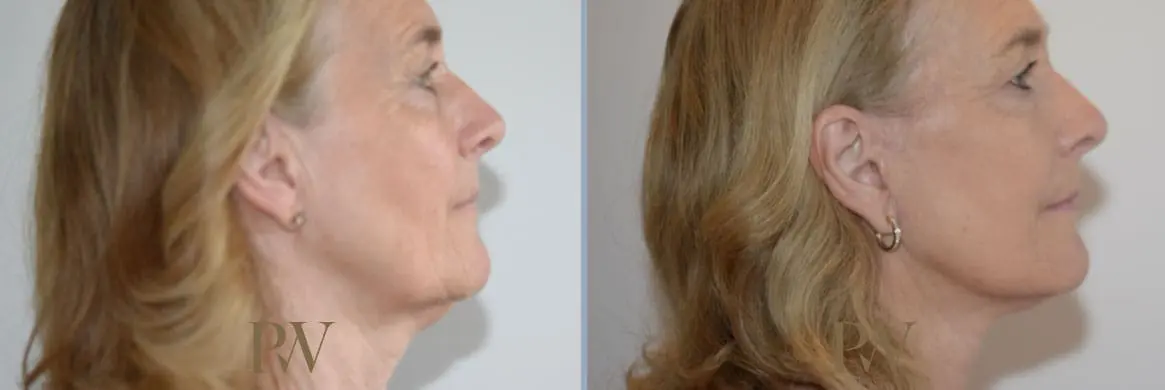
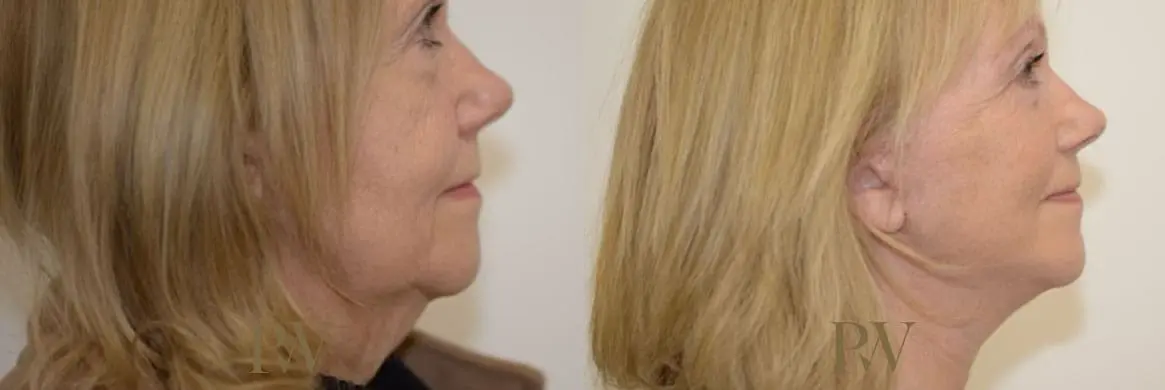
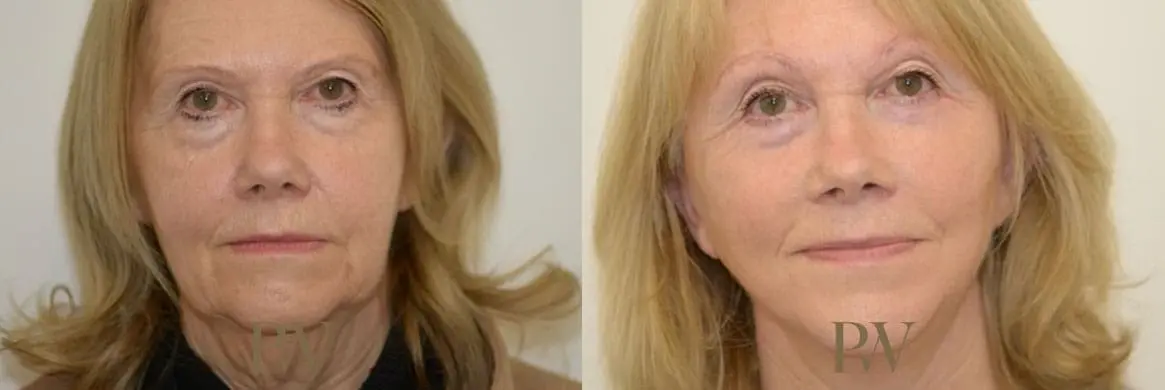
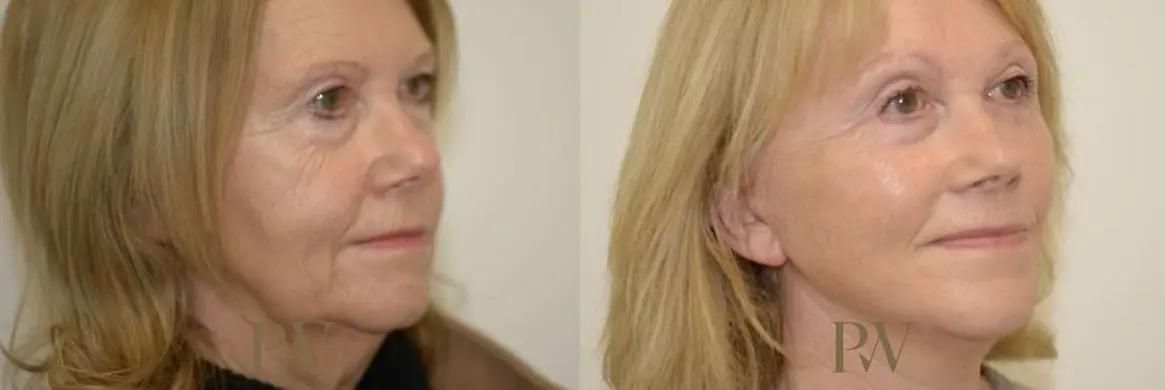
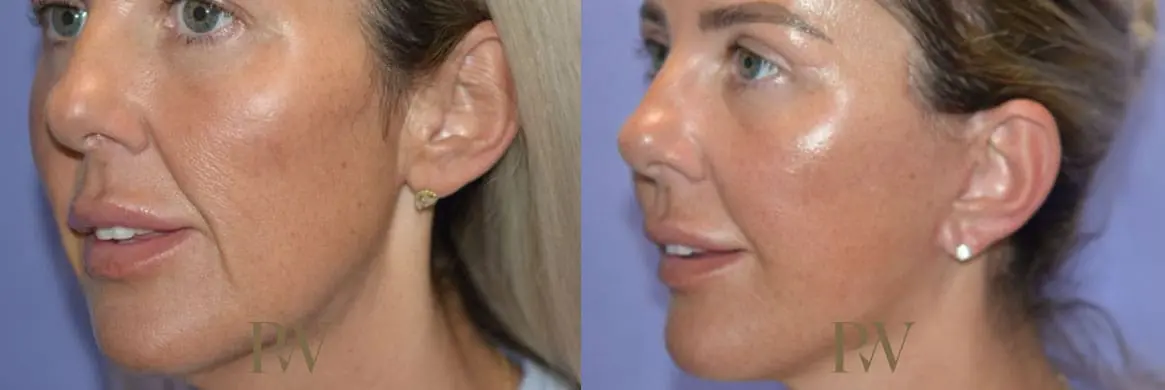
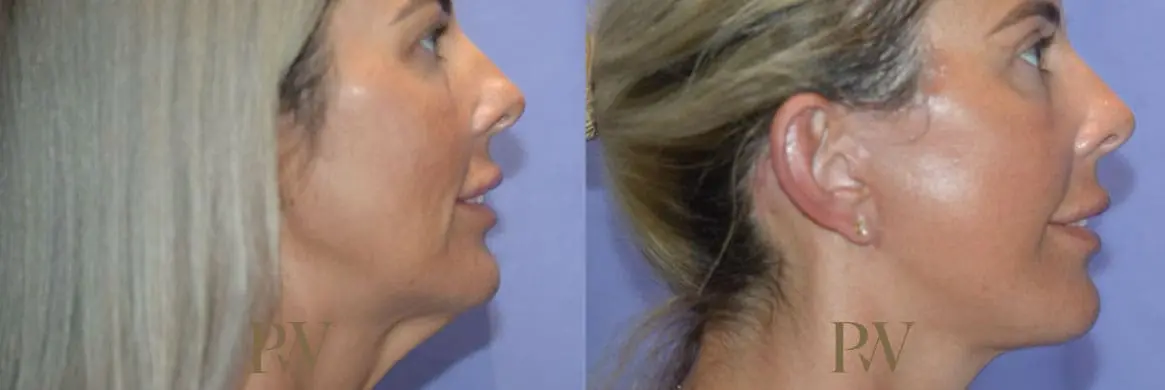
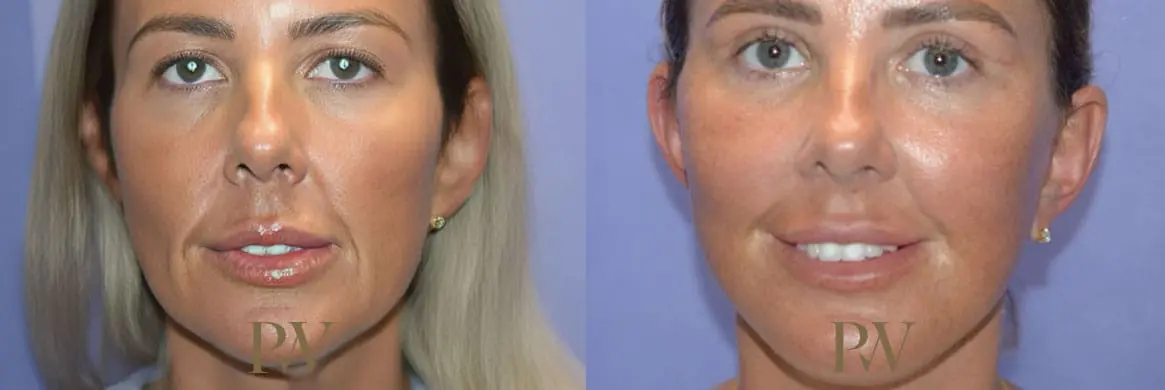
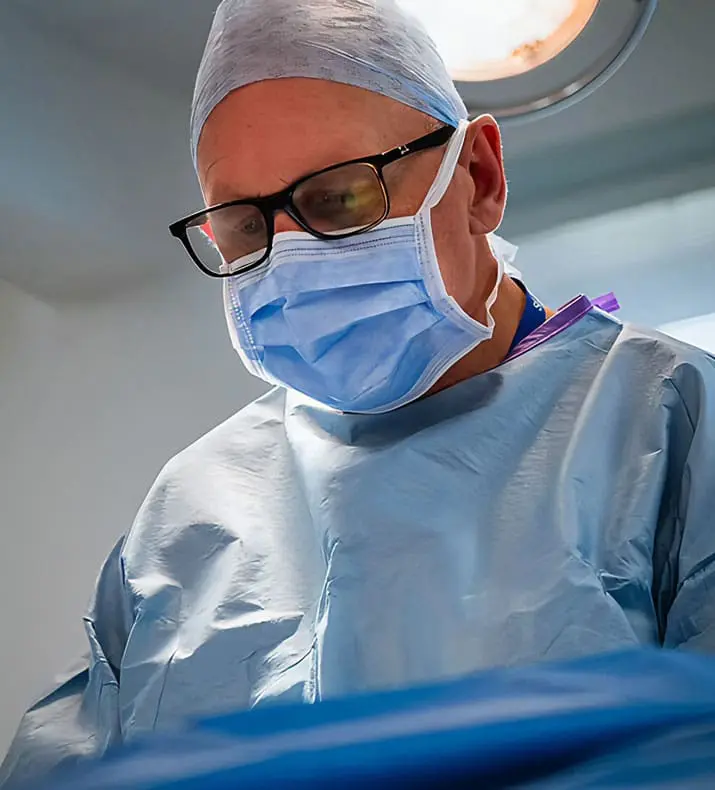
During the procedure, the surgeon works beneath the deeper support layers of the face, gently releasing the ligaments that contribute to sagging. Both the skin and the deeper SMAS layer are lifted together as a single unit, allowing the cheeks, jowls and neck to be repositioned in a natural upward direction. This approach creates a more youthful contour without the tight or “pulled” appearance associated with traditional facelifts.
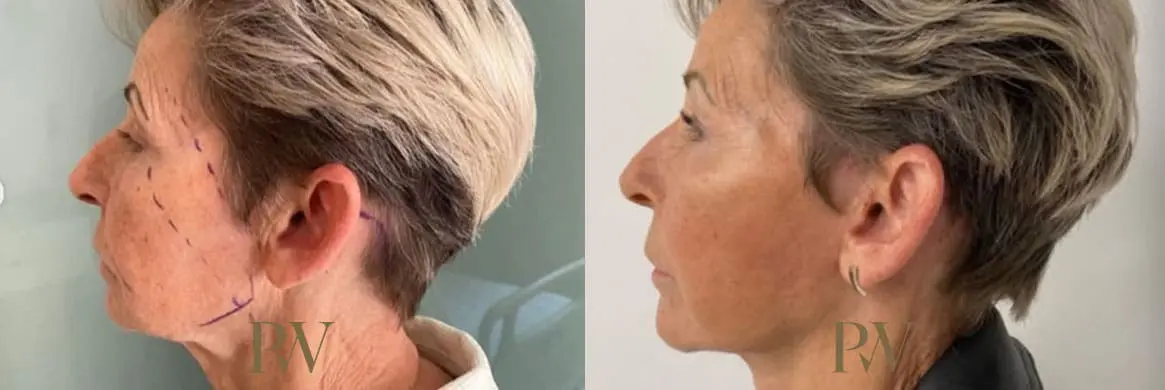
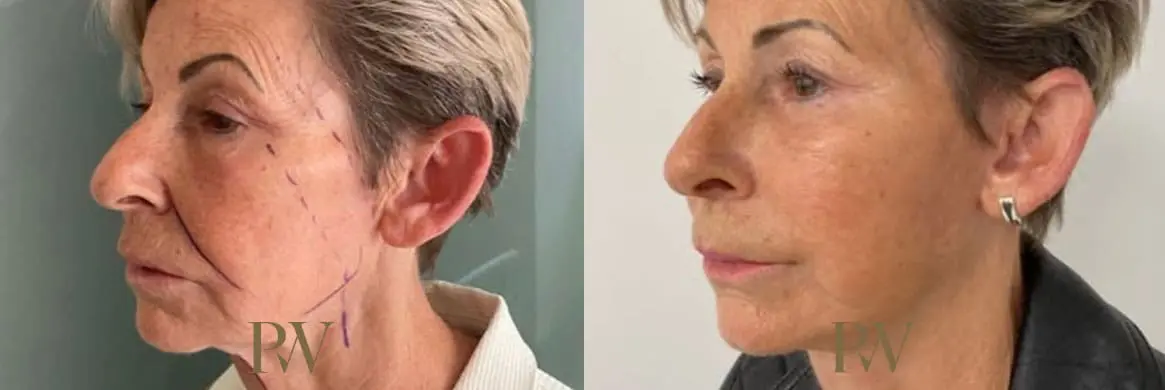
For a deep plane facelift, incisions are carefully placed so they are as discreet as possible, typically within the hairline, around the front of the ear and behind the ear.
Optional: facial fat grafting
When facial fat grafting is performed alongside the deep plane facelift, a small volume of fat is gently harvested from donor areas such as the abdomen, flanks, or thighs using fine cannulas.
The fat is then carefully purified and injected into targeted facial areas such as the temples, cheeks, under-eye region and around the mouth. This restores volume, softens contours and improves overall skin quality.
Closure
Once lifting (and any facial fat grafting) is complete, the facial tissues are carefully re-draped without tension, and the incisions are closed using fine sutures. Temporary drains may be placed to help prevent fluid build-up, and light compression dressings are applied to support healing. In some cases, a haemostatic net may also be used to minimise swelling and reduce the risk of bruising or haematoma.










 Let's connect on Instagram