Consultation
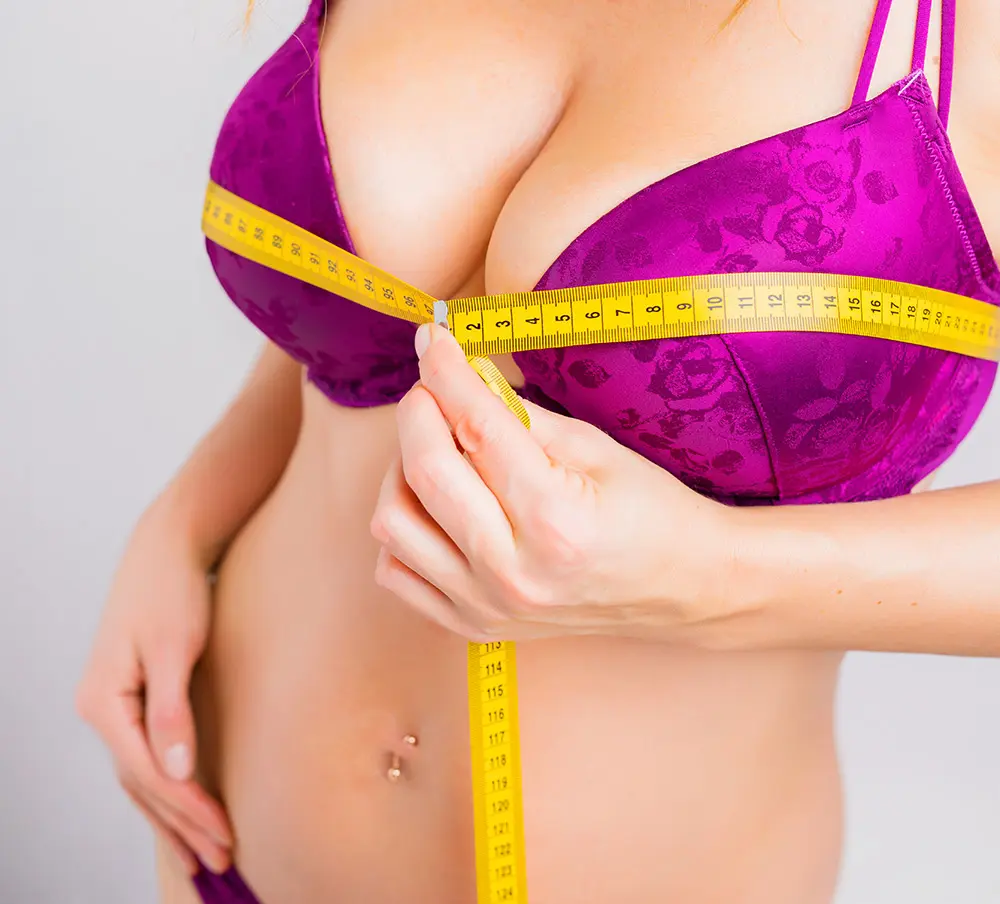
Every patient will undergo a full consultation with their surgeon to ensure they feel informed and confident before proceeding. Your surgeon will discuss your goals for surgery and assess your breast size, weight, shape, symmetry, skin elasticity and any physical discomfort you’re experiencing.
Your surgeon will also evaluate your anatomy, skin quality, breast tissue and overall health to determine the best surgical approach. You will also have the opportunity to ask questions about scarring, recovery, incision patterns and expected outcomes.
Anaesthesia and Procedure Time
Breast reduction surgery is performed under general anaesthesia. The procedure typically takes two to four hours but varies depending on the amount of tissue being removed and the specific technique used.
Incision Placement
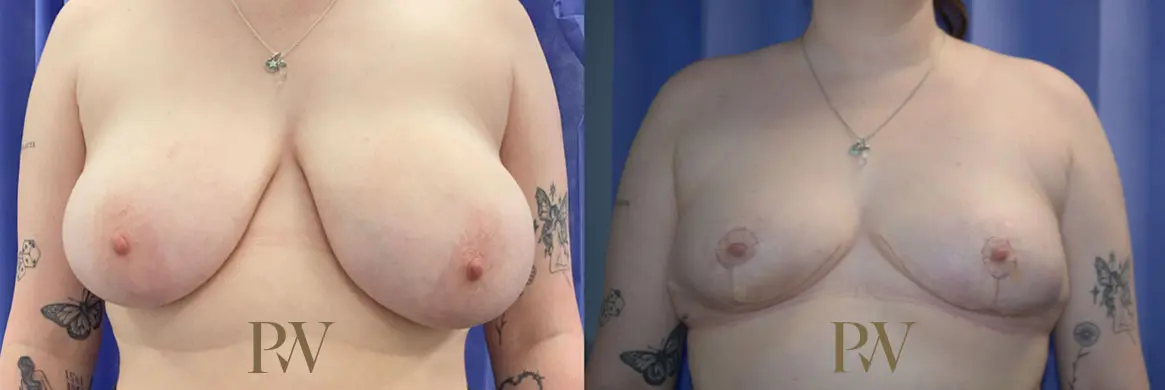
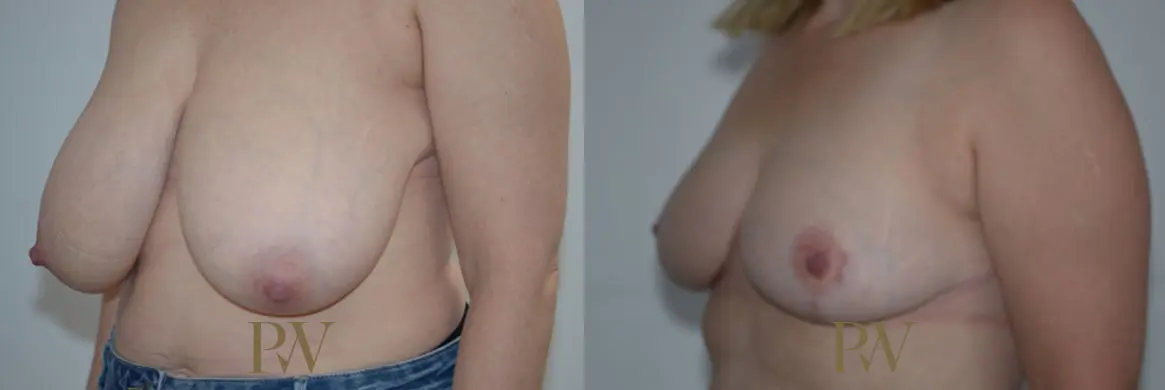
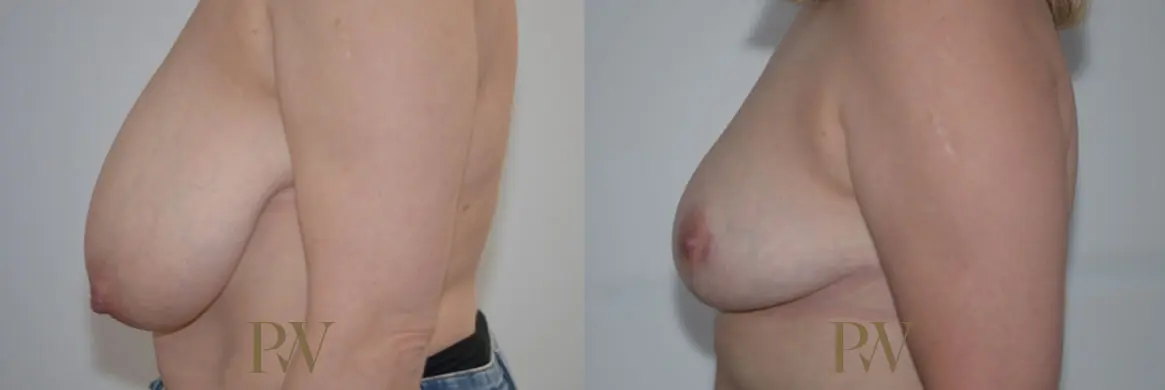
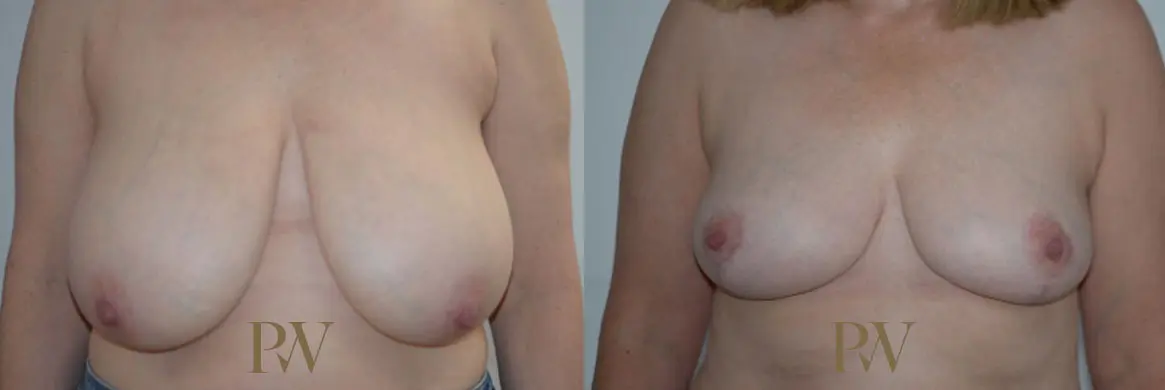
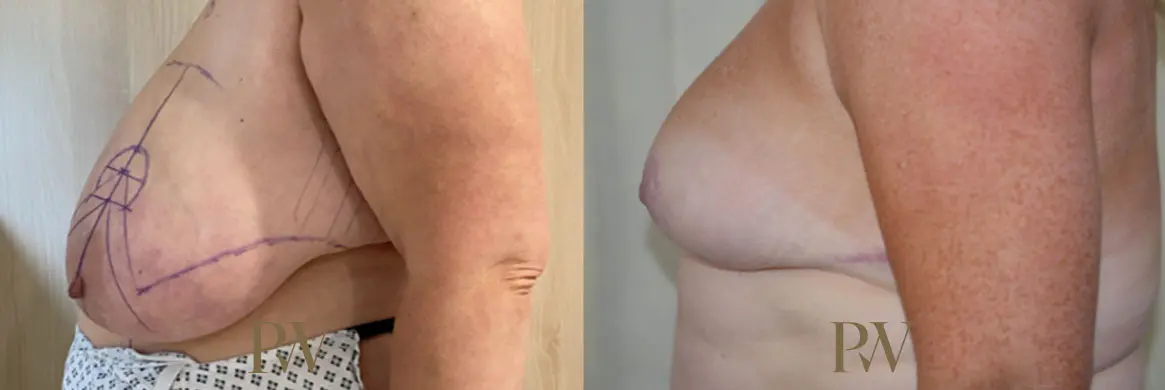
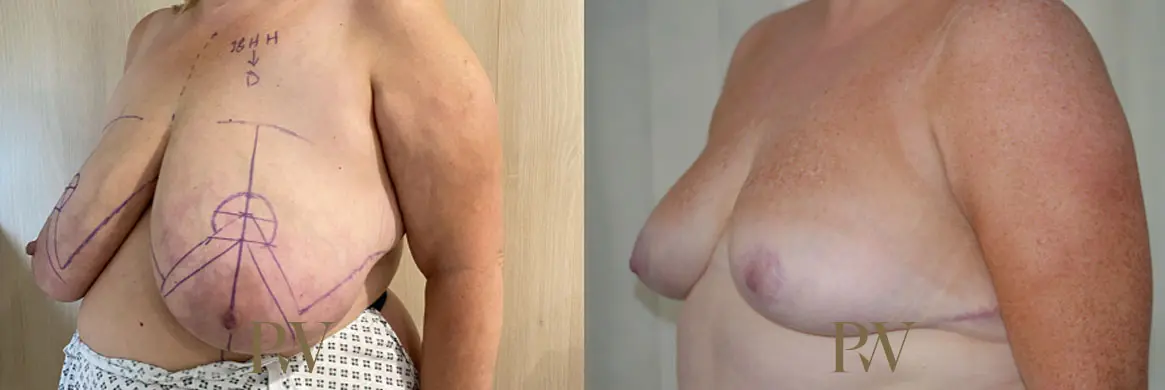
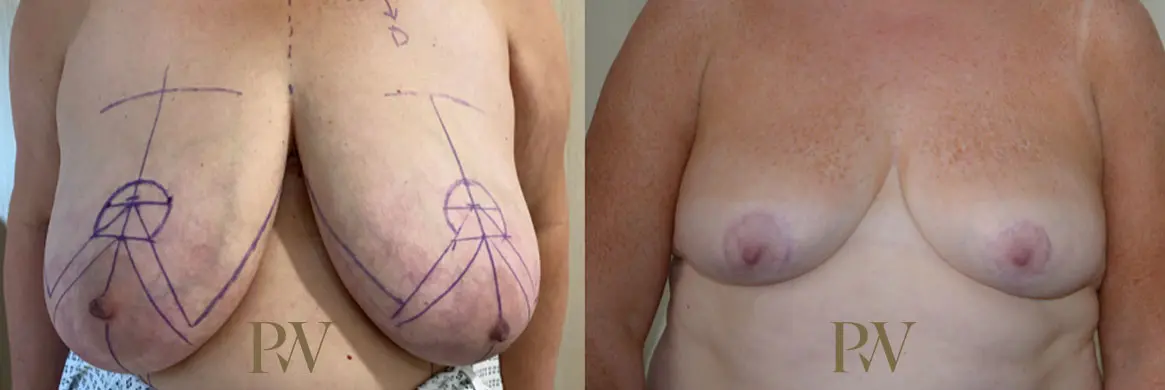
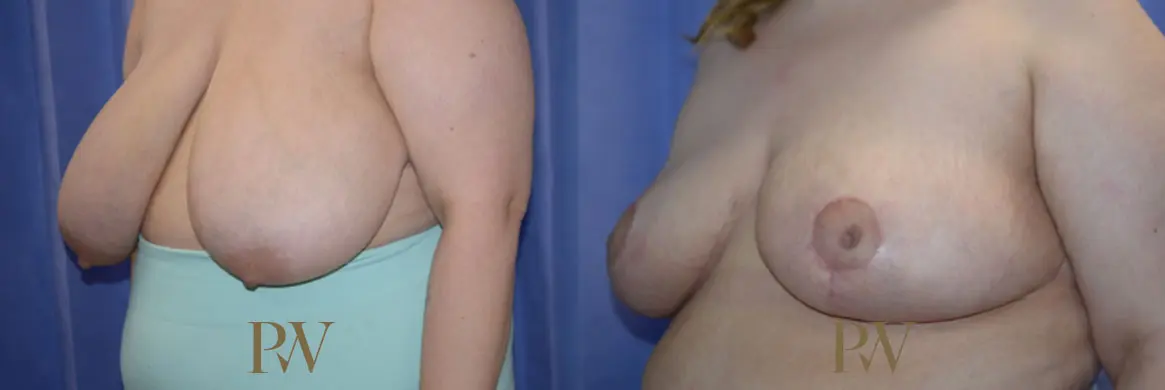
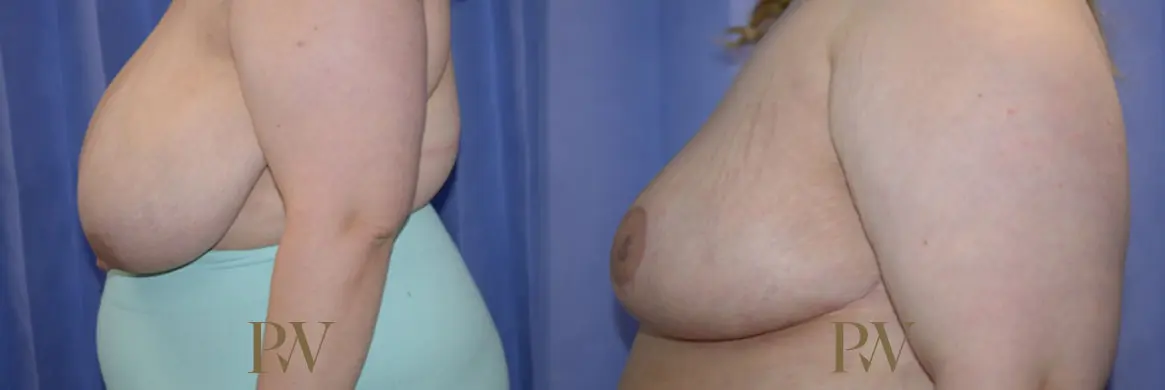
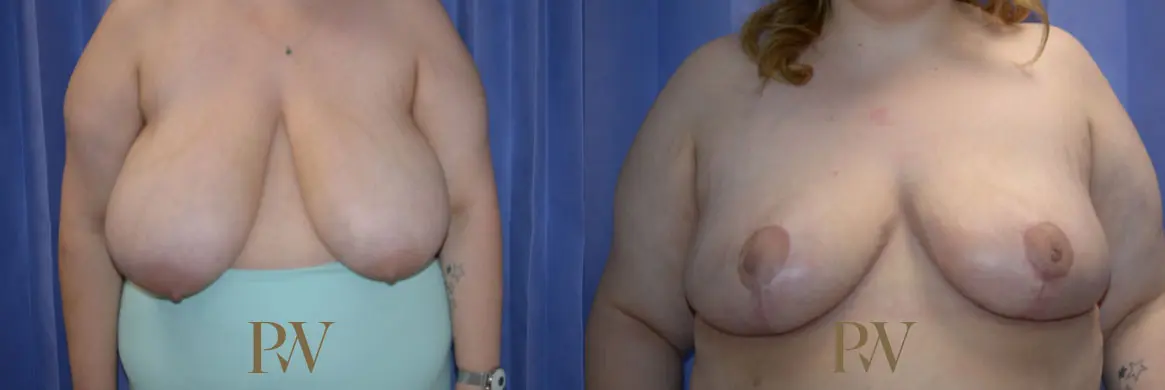
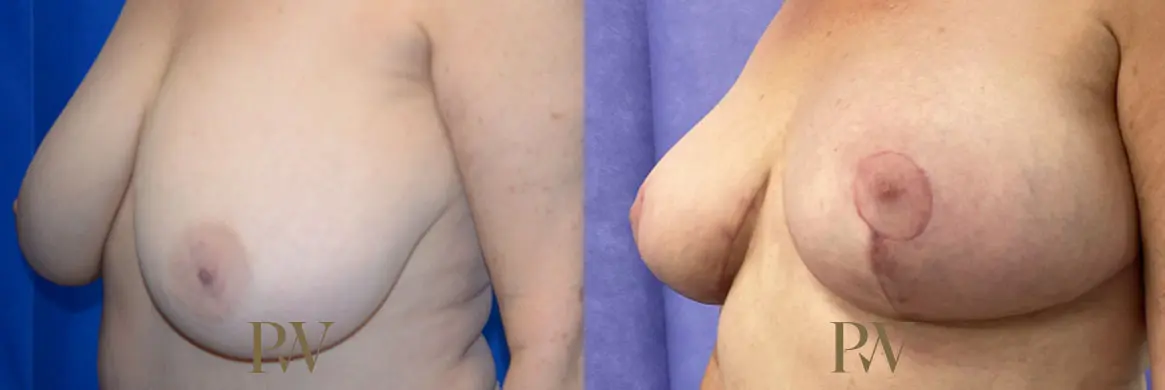
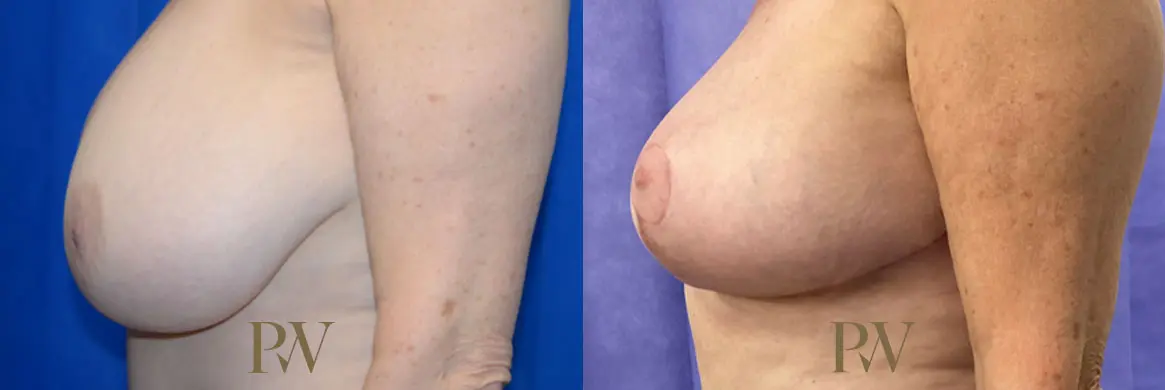
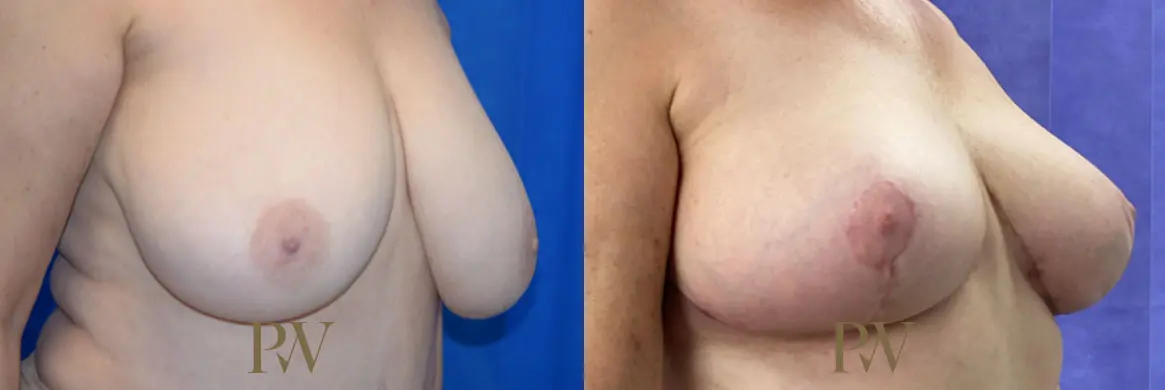
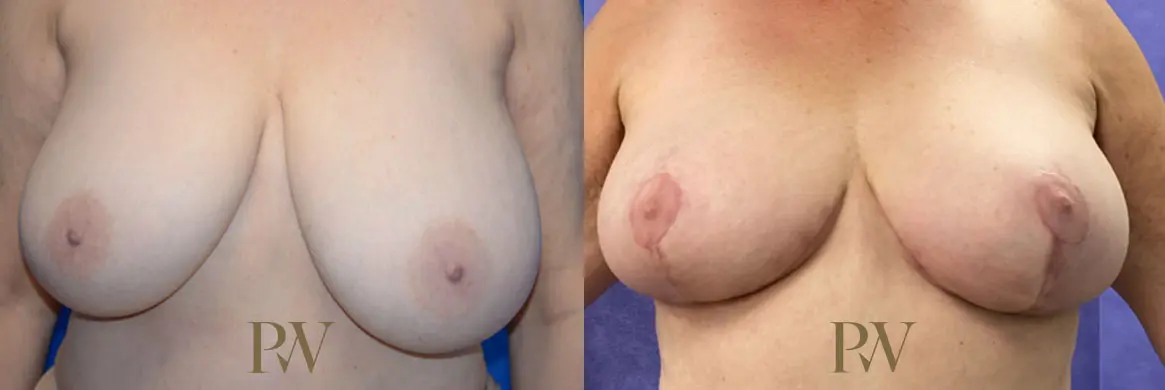
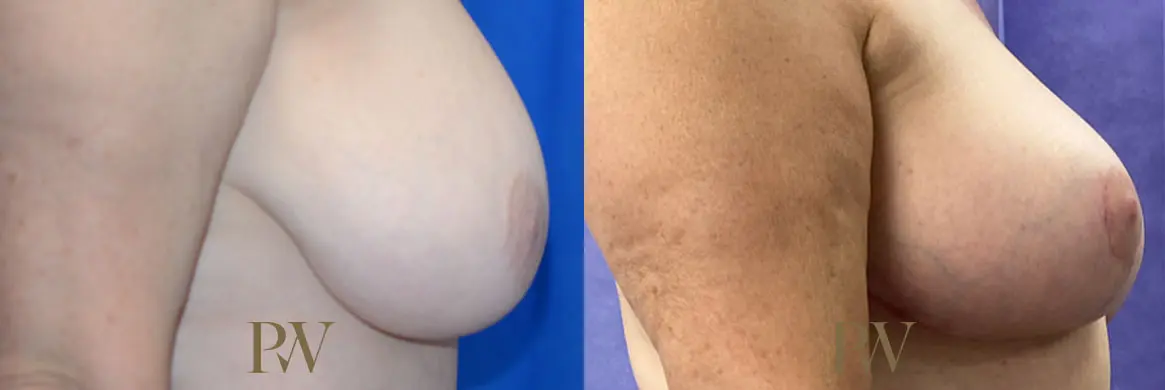
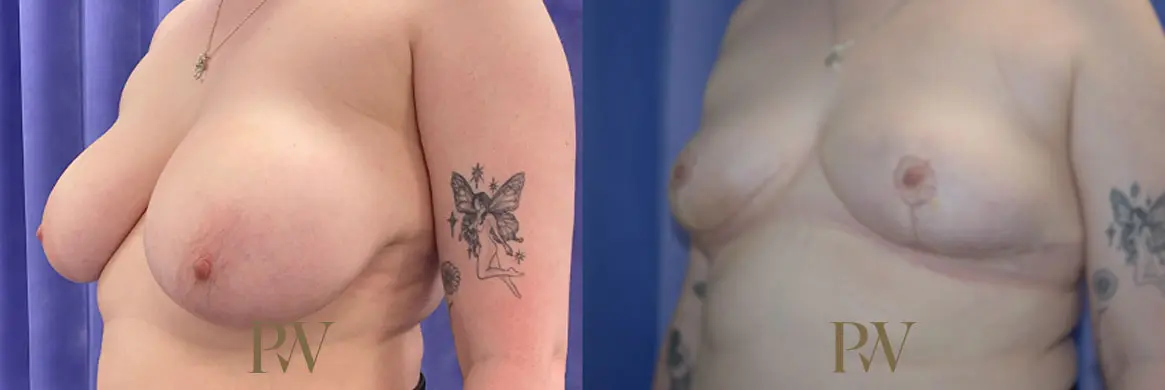
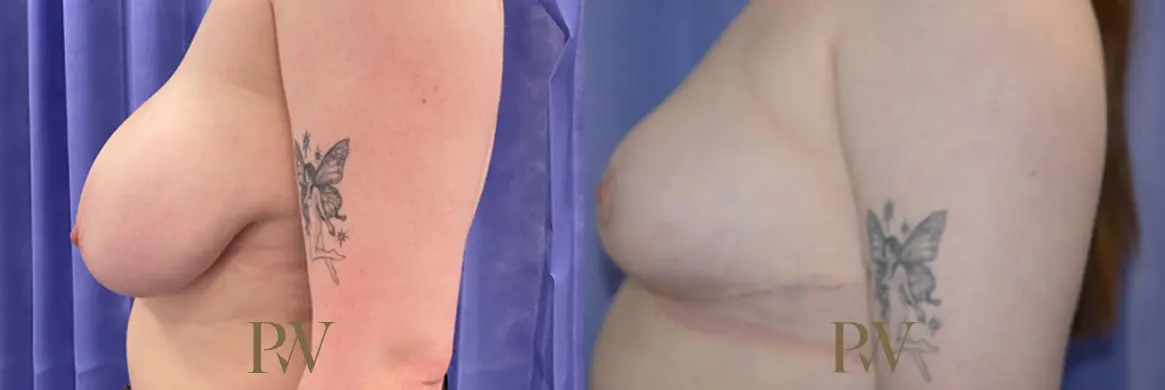
Breast reduction most commonly uses a vertical (“lollipop”) incision, which runs around the areola and vertically down to the breast crease. This technique results in shorter scars and often provides a more projected, long-lasting breast shape.
In some cases, a Wise pattern (“anchor”) incision may be required. This adds a horizontal scar within the breast crease for patients needing a more significant reduction. Your surgeon will recommend the most appropriate incision pattern for your anatomy and goals.
Tissue Removal and Breast Reshaping
Breast reduction surgery removes excess fat, glandular tissue and skin to create smaller and lighter breasts. The breast tissue is reshaped internally, and the nipple–areola complex is moved to a more natural, youthful position while remaining attached to its blood supply and nerves.
The areola can also be reduced in size if enlarged. In many cases, liposuction is used alongside the main procedure to refine the contour of the chest, particularly around the sides of the breasts and the area in front of the armpits.
For patients with softer, fattier breast tissue, a breast reduction performed using liposuction alone may be possible. Whether this approach is suitable depends on your anatomy, skin quality and the amount of reduction required.
Closing the Incisions
Once the breast tissue has been reshaped and the excess skin removed, the incisions are closed with sutures. Dressings and a supportive bra are applied to minimise swelling and help the breasts settle into their new shape.
Scar Management
Your surgeon will provide personalised advice on how to care for your scars to support optimal healing. This may include silicone gel or tape, moisturising products or gentle massage once healed. Scar appearance continues to improve over 12–18 months.









 Let's connect on Instagram