Treatment face
Search
Join us on Instagram
Discover behind-the-scenes moments, patient transformations, expert tips, and the latest in surgical treatments – all in one place.
 Let's connect on Instagram
Meet the Team | Karen
Karen is often the first person you`ll speak to when you contact the clinic.
She plays a central role in coordinating consultations and guiding patients through each stage of their journey. From arranging appointments to answering practical questions, Karen ensures the process feels organised and clear from the start.
Surgery can feel like a significant step, and having someone experienced and approachable at the other end of the phone can make all the difference. Karen works closely with Mr Wilson to ensure communication remains consistent and patients feel supported throughout.
🏥 Paul Wilson Aesthetics
📍 Northwood Hospital, Bristol, UK
📞 0117 332 1585 | 07480 125 890
📧 info@paulwilsonaesthetics.co.uk
#paulwilsonaesthetics #bristolplasticsurgeon #consultantplasticsurgeonuk #meettheteam #bristolclinic

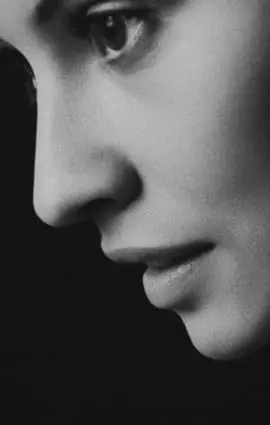
Liquid Rhinoplasty | Is Surgery Always Necessary?
I`m often asked if surgery is the only way to reshape the nose.
In some cases, the answer is no.
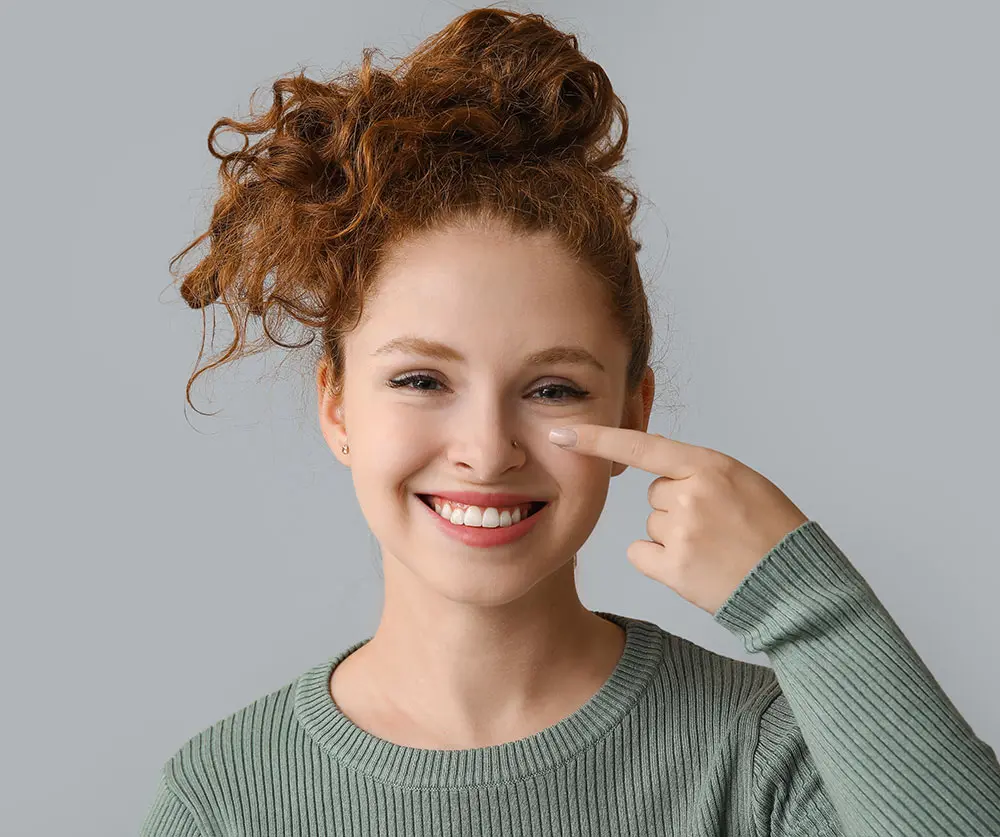
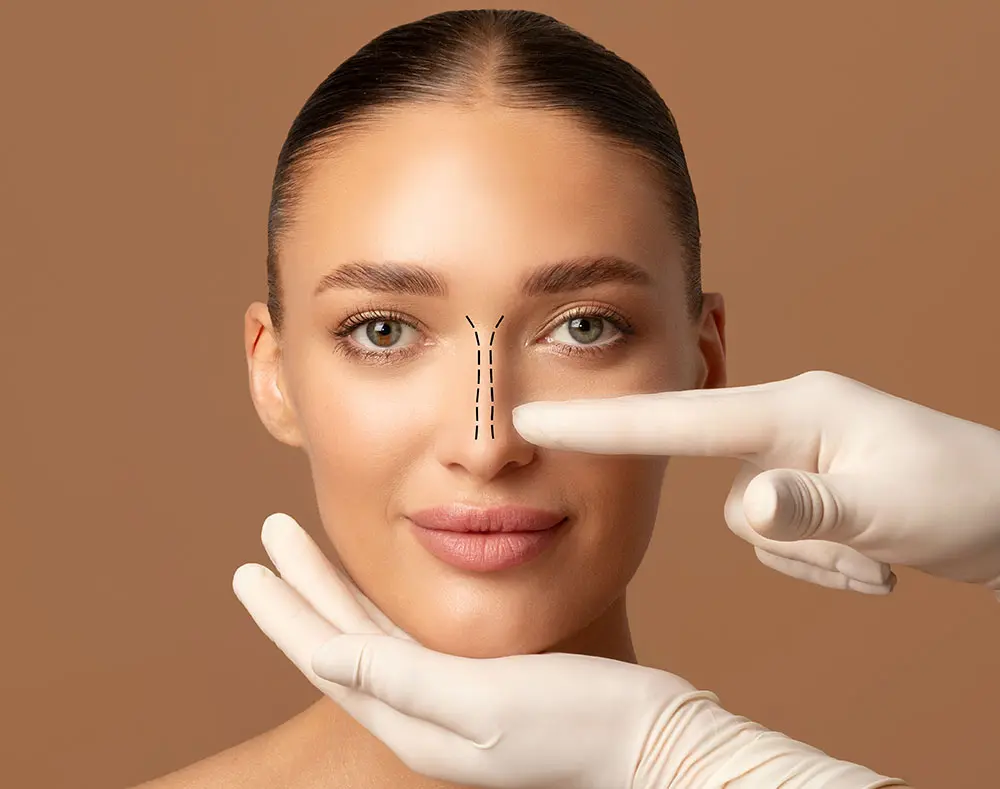
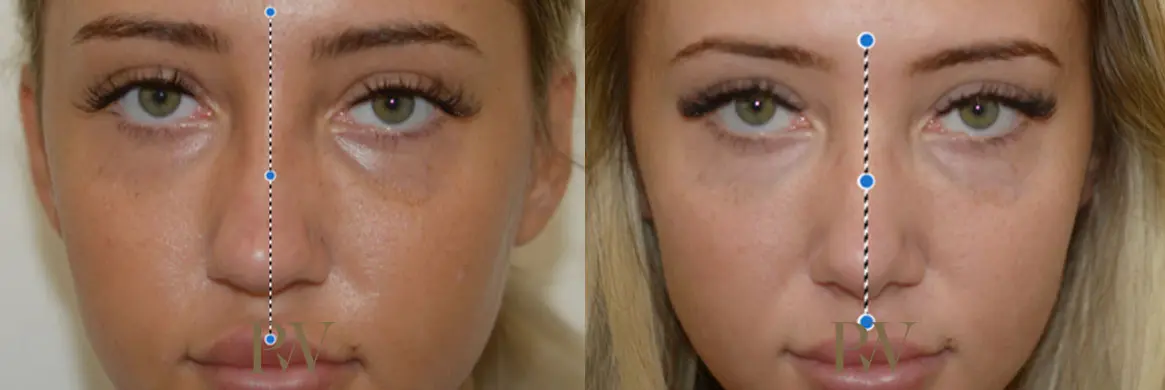
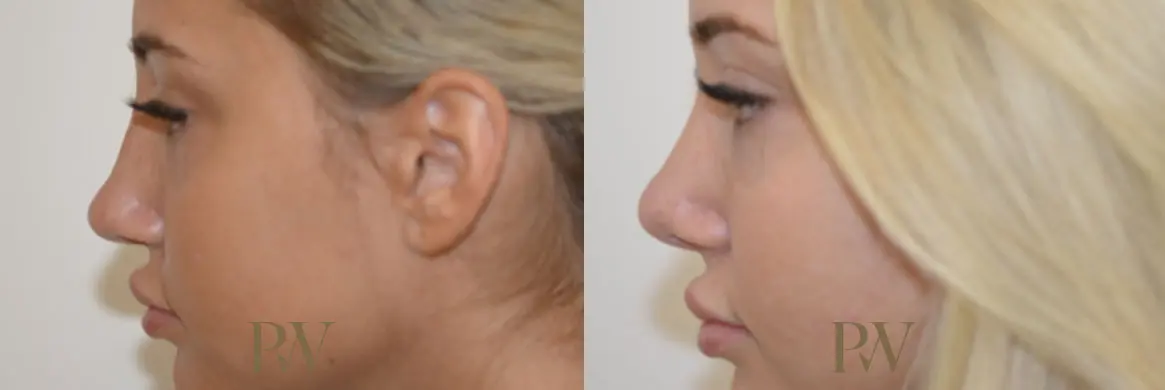
For a small bump, a shallow dip along the bridge, or a lack of definition at the tip, carefully placed filler can sometimes improve balance without the need for an operation.
It`s important to understand the treatment`s capabilities and limitations. Filler adds volume; it cannot make the nose smaller. Indeed, in some cases, it can make the nose appear straighter by adjusting the contour rather than reducing its size.
It`s also not suitable for everyone. The nose has a complex blood supply, and the treatment requires careful assessment and experience.
When someone consults me, we openly discuss both surgical and non-surgical options. The right approach depends on anatomy, expectations and long-term goals.
If you`re unsure which route may be suitable, please contact the clinic, and we can discuss it in detail.
🏥 Paul Wilson Aesthetics
📍 Northwood Hospital, Bristol, UK
📞 0117 332 1585 | 07480 125 890
📧 info@paulwilsonaesthetics.co.uk
#liquidrhinoplastybristol #nonsurgicalrhinoplasty #bristolplasticsurgeon #consultantplasticsurgeonuk #paulwilsonaesthetics
Welcome to Northwood Hospital
Have you visited us before?
Choosing surgery is rarely an easy decision. It often comes with questions, anticipation, and sometimes a little nervousness.
Northwood Hospital provides a private and discreet environment where that decision is met with calm professionalism and considerate care.
From the moment you arrive, you are supported by experienced nursing and theatre teams who understand that attention to detail matters, not just in the operating theatre, but in the way you are received, prepared for, and cared for afterwards.
The surroundings are modern and purpose-built for specialist surgical care, but what truly defines the experience is the quiet reassurance that everything is structured and well managed.
When you feel confident in the setting and the team, the entire journey feels more manageable.
If you would like to arrange a consultation, please contact the clinic directly.
🏥 Paul Wilson Aesthetics
📍 Northwood Hospital, Bristol, UK
📞 0117 332 1585 | 07480 125 890
📧 info@paulwilsonaesthetics.co.uk
#northwoodhospital #bristolplasticsurgeon #consultantplasticsurgeonuk #paulwilsonaesthetics #privatehospitalbristol
Surgery is just one part of the process.
What happens before and after is equally important.
Our nursing team at Northwood Hospital plays a vital role in supporting patients throughout their time with us. From preparation and monitoring to answering questions and providing reassurance, their experience and professionalism help ensure that each stage is handled with care.
Recovery is closely supervised, and patients are supported in a calm and well-managed clinical environment.
Successful outcomes depend on more than just surgical technique; they rely on a structured team approach and attentive care throughout.
If you would like to learn more about the process, please contact the clinic to arrange a consultation.
🏥 Paul Wilson Aesthetics
📍 Northwood Hospital, Bristol, UK
📞 0117 332 1585 | 07480 125 890
📧 info@paulwilsonaesthetics.co.uk
#northwoodhospital
#bristolplasticsurgeon
#consultantplasticsurgeonuk
#paulwilsonaesthetics
#privatehospitalbristol
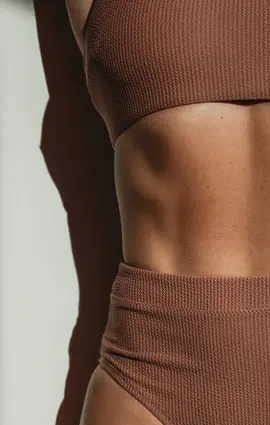
3 Reasons Patients Consider Vaser Liposuction - the body sculpting alternative for total definition.
Liposuction is designed to remove localised fat deposits and is not a weight loss procedure.
In practice, it is usually considered when someone has reached a stable weight but feels there is a specific area that has not responded to diet or exercise.
This may be persistent fat around the abdomen or flanks.
Alternatively, it may be a specific area that feels out of proportion.
Sometimes, it is simply about refining a contour rather than seeking a significant change.
The key is careful selection. Skin quality, overall health and realistic expectations all matter.
Not everyone who enquires about liposuction is advised to proceed. A thorough consultation is essential.
If this sounds like you, contact us to arrange a consultation and discuss your options.
🏥 Paul Wilson Aesthetics
📍 Northwood Hospital, Bristol, UK
📞 0117 332 1585 | 07480 125 890
📧 info@paulwilsonaesthetics.co.uk
#liposuctionbristol
#bristolplasticsurgeon
#consultantplasticsurgeonuk
#bodycontouringsurgery
#paulwilsonaesthetics
Behind the Treatment | Arm Reduction Surgery
Arm reduction surgery is not simply about removing excess skin. It is about understanding how the arm sits and planning the correction properly.
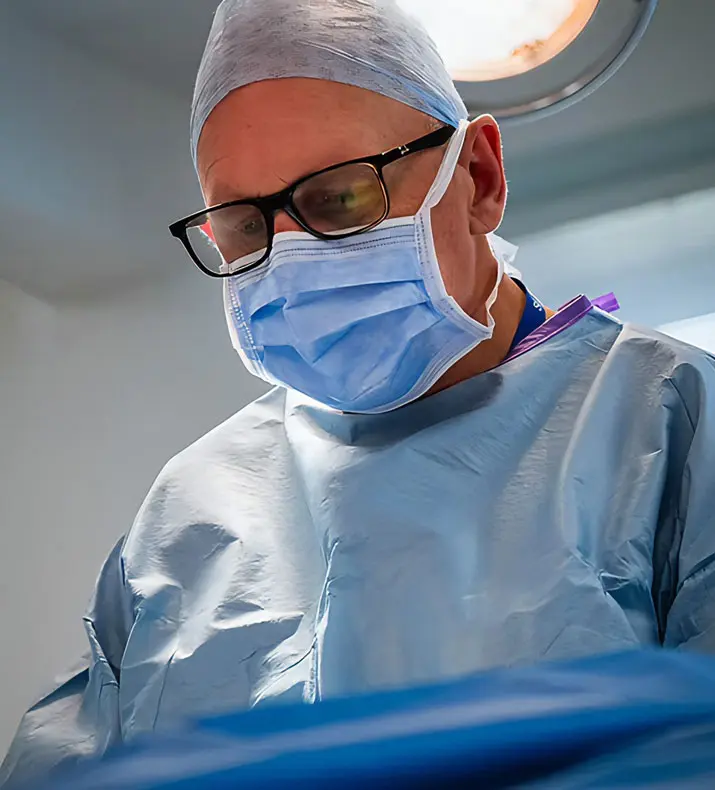
On the day, I mark carefully based on what we discussed in consultation. That determines where the incision will sit and how much skin can be safely removed. In theatre, the work is steady and controlled. Skin and soft tissue are addressed carefully. If appropriate, liposuction can help refine the contour. The focus is always on proportion and healing.
Recovery takes time. Swelling settles gradually and scars continue to mature over the following months.
If you are considering arm reduction surgery and would like straightforward advice about whether it may suit you, would you like to come in and discuss it properly?
🏥 Paul Wilson Aesthetics
📍 Northwood Hospital | Wood MediSpa | St Joseph`s Hospital
📞 0117 332 1585 | 07480 125 890
📧 info@paulwilsonaesthetics.co.uk
#paulwilsonaesthetics
#bristolplasticsurgeon
#consultantplasticsurgeonuk
#privateplasticsurgery
#plasticsurgerybristol
Choosing to explore surgery is a significant decision. Our role is to ensure the process feels clear, structured, and properly guided from the outset.
Consultations are thorough and unhurried. We take the time to understand your concerns, review your medical history, and assess your suitability in detail. The discussion is open and honest.
If surgery is appropriate, you will receive a clear explanation of what it involves, the recovery process, and the potential risks. We discuss expectations carefully. We do not advise every patient to proceed, and that judgement is made responsibly.
Procedures take place in a modern, well-equipped clinical setting with experienced surgical and nursing teams. Safety and considered planning remain central throughout. From your first appointment through to follow-up, the emphasis is on careful assessment, thoughtful decision-making, and consistent support.
If you would like to arrange a consultation, please contact the clinic directly.
🏥 Paul Wilson Aesthetics
📍 Northwood Hospital | Wood MediSpa | St Joseph’s Hospital
📞 0117 332 1585 | 07480 125 890
📧 info@paulwilsonaesthetics.co.uk
#paulwilsonaesthetics
#bristolplasticsurgeon
#consultantplasticsurgeonuk
#privateplasticsurgery
#plasticsurgerybristol
Neck Lift | Is it safe?
A neck lift is generally considered a safe procedure when performed by a qualified and experienced plastic surgeon. However, as with any operation, it carries risks and should be approached with care.
Safety begins with a thorough consultation and medical assessment. Not everyone is a suitable candidate, and this process involves discussing your health, expectations, and potential risks in detail.
In my practice, I use careful planning and established surgical techniques, alongside strict operating protocols designed to minimise complications.
Possible risks include bleeding, infection, scarring, and temporary changes in sensation. These are uncommon, but can occur, and are always discussed beforehand.
Choosing a surgeon with appropriate training and experience is an important part of ensuring the procedure is carried out safely and responsibly.
If you are considering a neck lift and would like clear information about whether it may be suitable for you, please get in touch to arrange a consultation.
🏥 Paul Wilson Aesthetics
📍 Northwood Hospital, Bristol, UK
📞 0117 332 1585 | 07480 125 890
📧 info@paulwilsonaesthetics.co.uk
#neckliftbristol
#bristolplasticsurgeon
#consultantplasticsurgeonuk
#neckliftsurgery
#paulwilsonaesthetics
Behind the Treatment | Vaser Liposuction
Many people think liposuction is simply about removing fat. It isn`t.
What matters is judgement: where to reduce, where to leave volume, and how to keep the contour smooth.
Before surgery, I mark carefully. These markings guide the plan we discussed in consultation.
In theatre, it`s controlled and methodical, with small adjustments and ongoing assessment. The aim is balance, not overcorrection.
Vaser Liposuction is not a substitute for weight loss and it is not suitable for everyone. Skin quality, overall health and expectations all matter.
If you would like to explore whether liposuction is appropriate for you, get in touch to arrange a consultation to discuss your options.
🏥 Paul Wilson Aesthetics
📍 Northwood Hospital, Bristol, UK
📞 0117 332 1585 | 07480 125 890
📧 info@paulwilsonaesthetics.co.uk
#liposuctionbristol
#bristolplasticsurgeon
#consultantplasticsurgeonuk
#liposuctionuk
#paulwilsonaesthetics
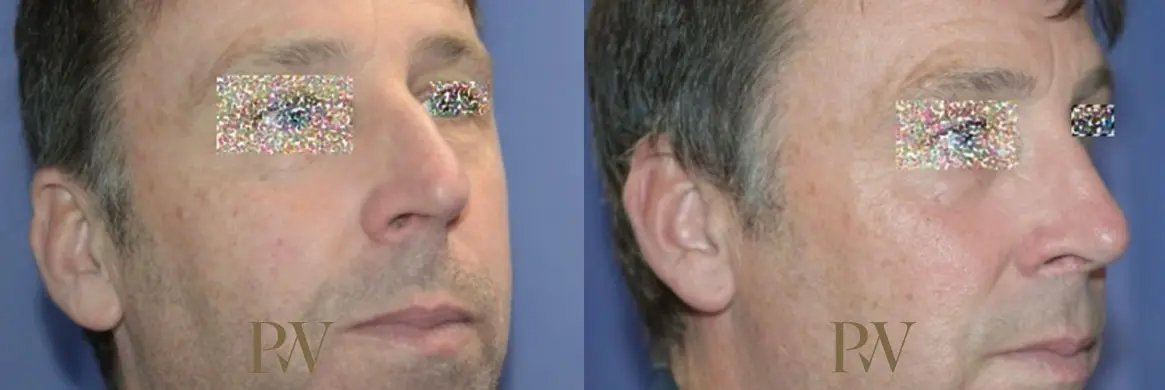
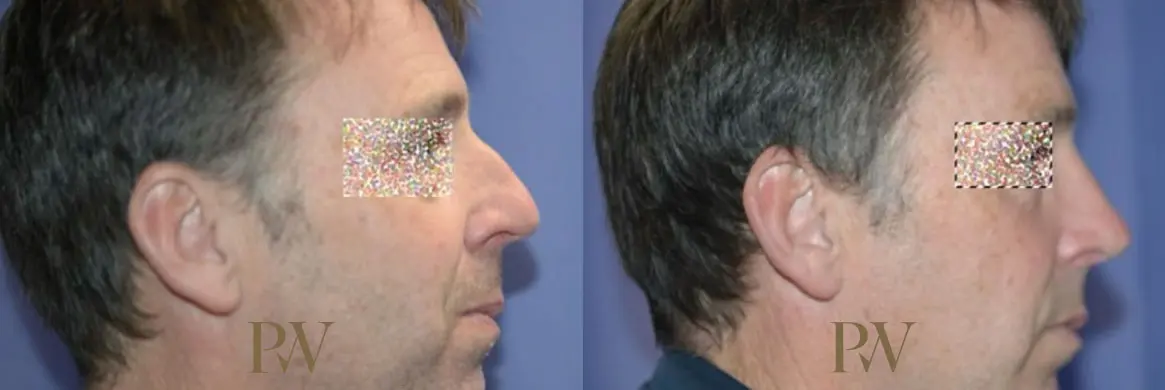
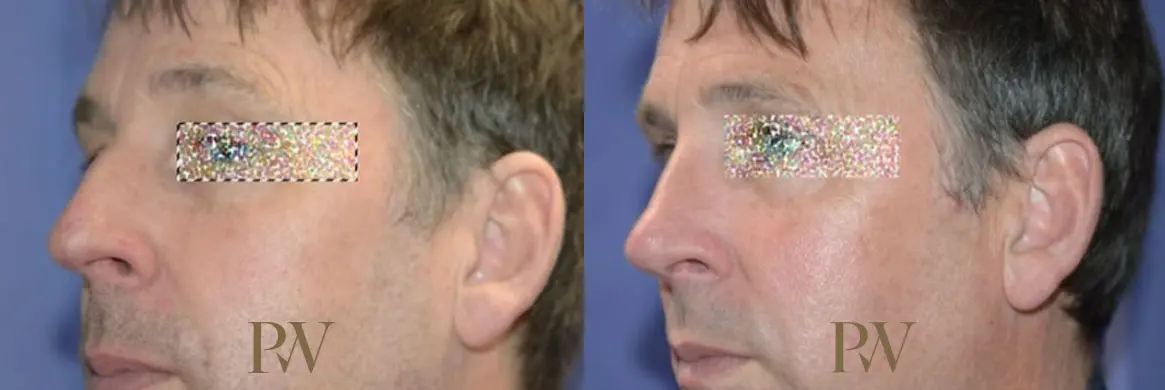
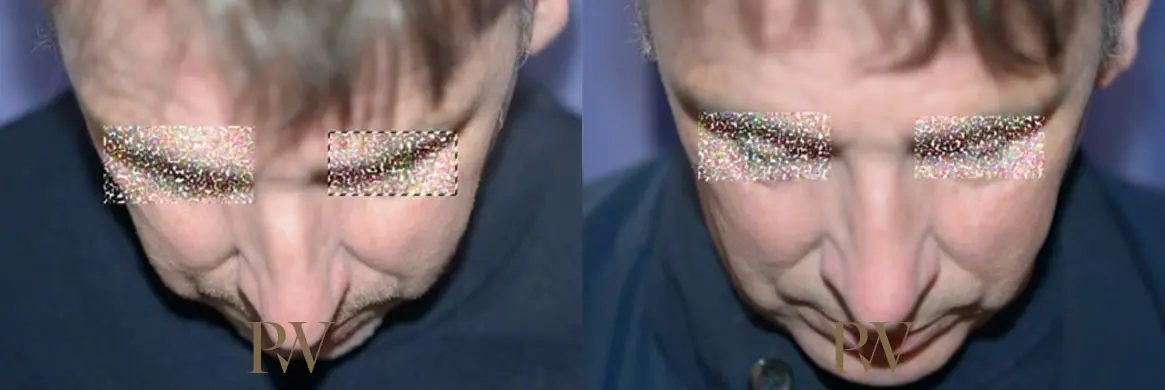
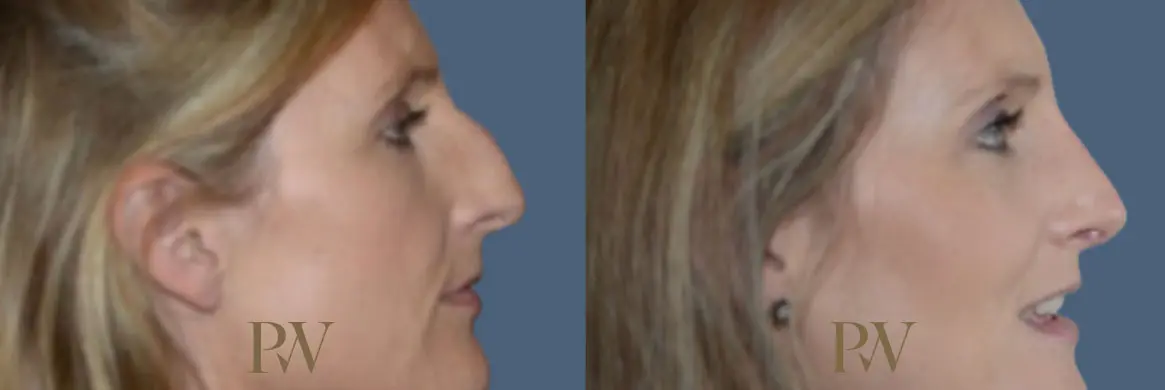
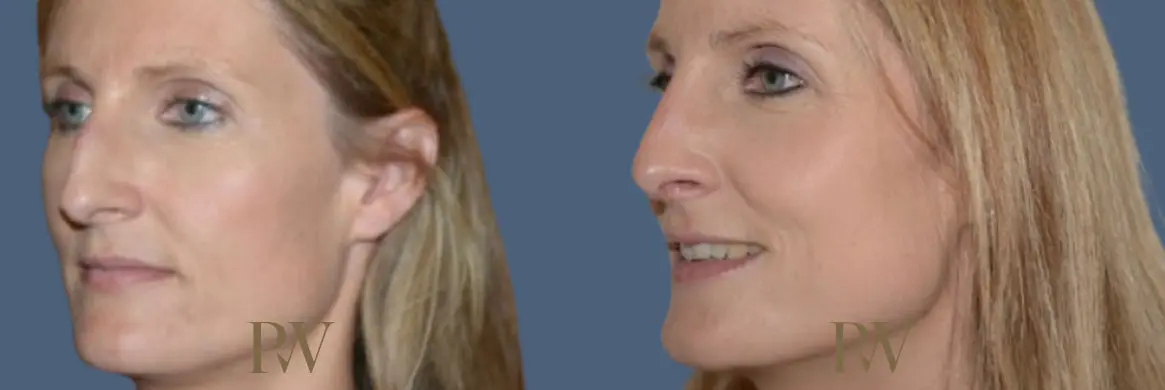
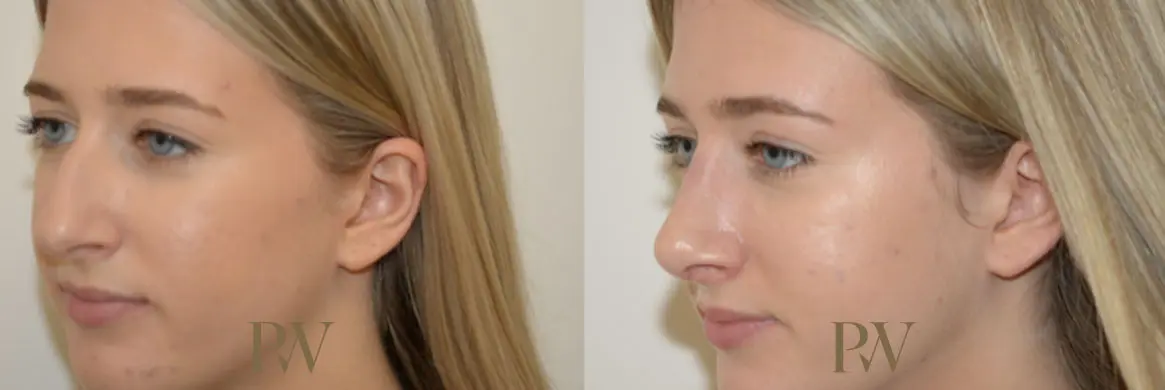
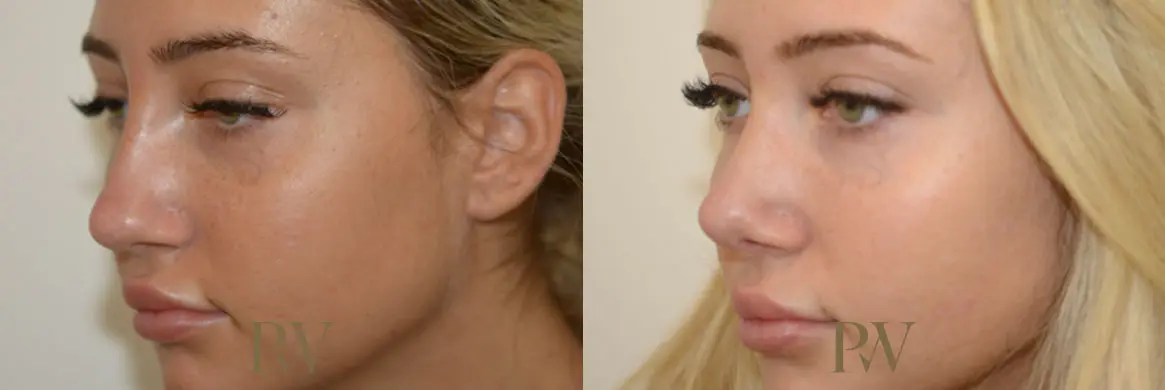
Rhinoplasty | Before & After
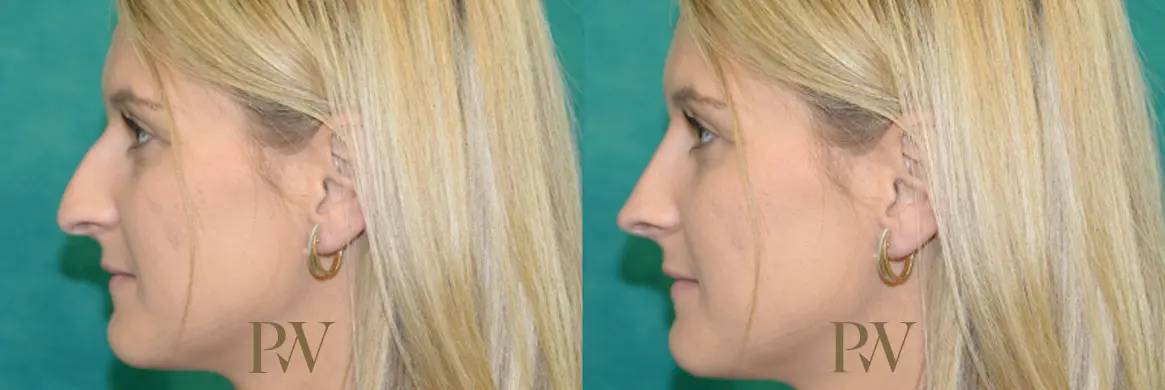
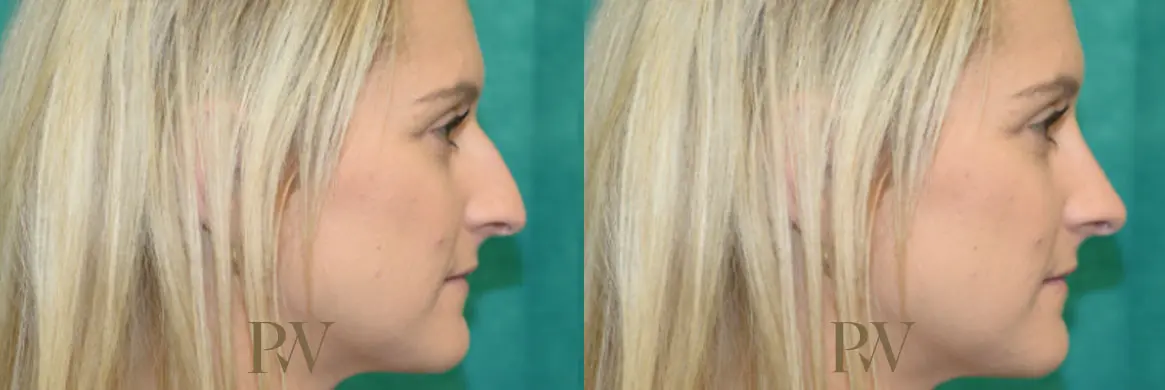
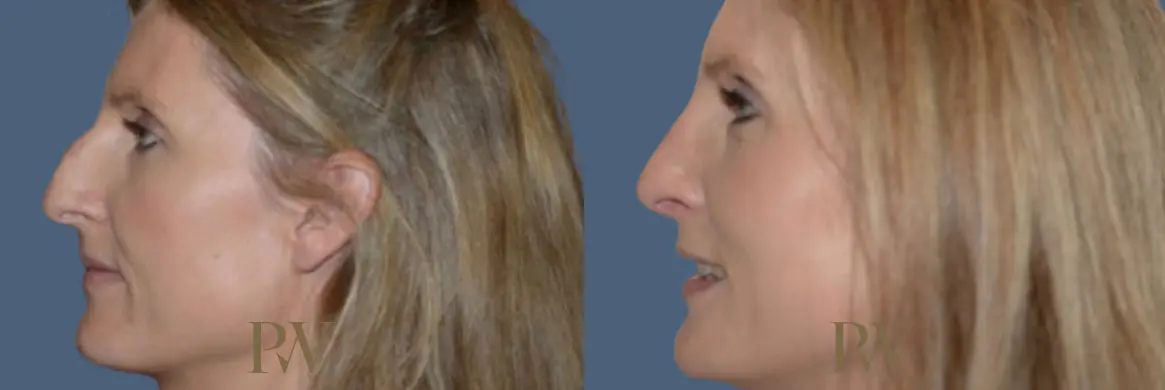
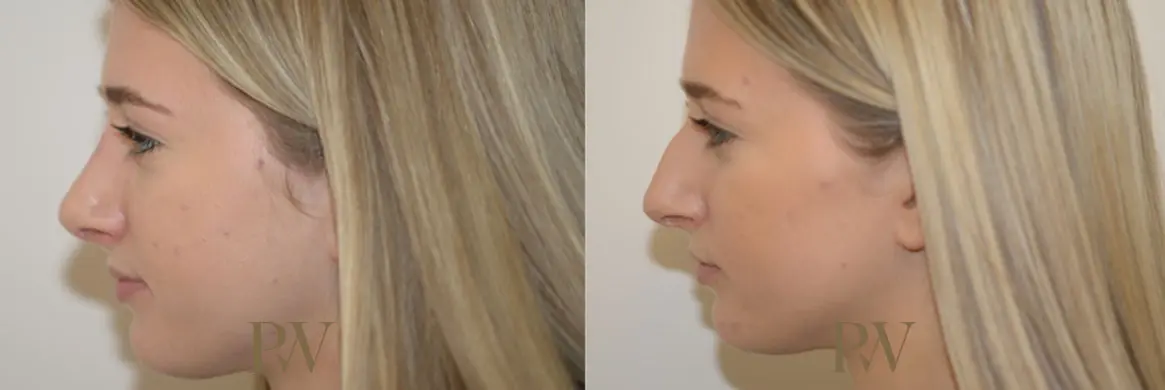
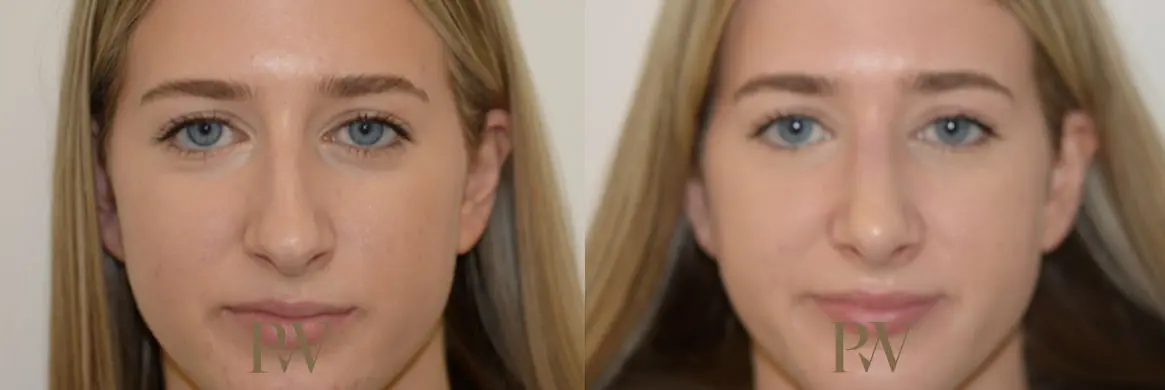
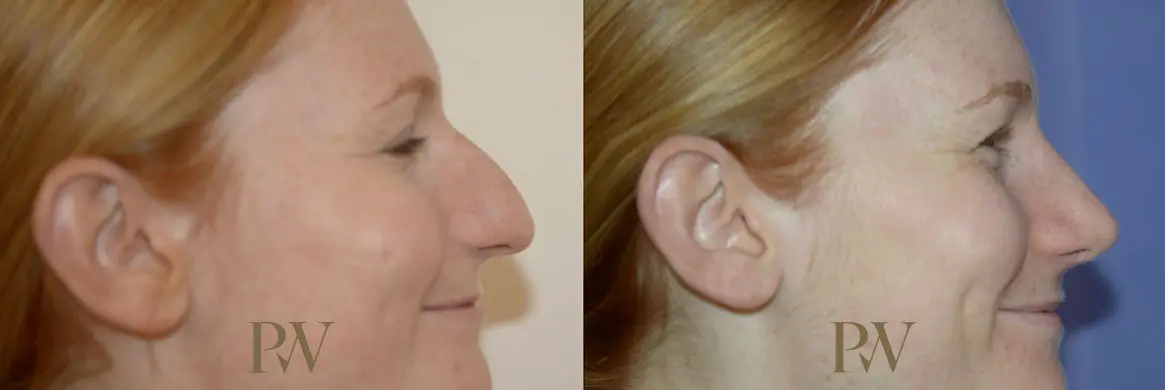
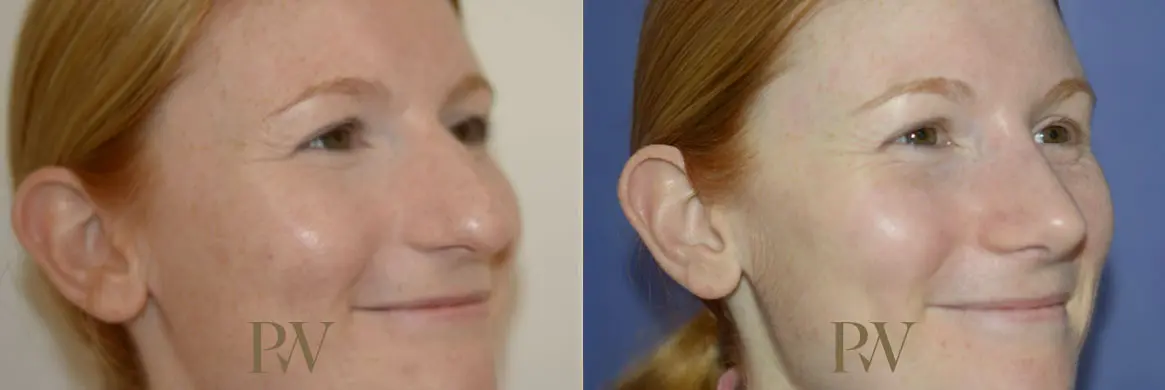
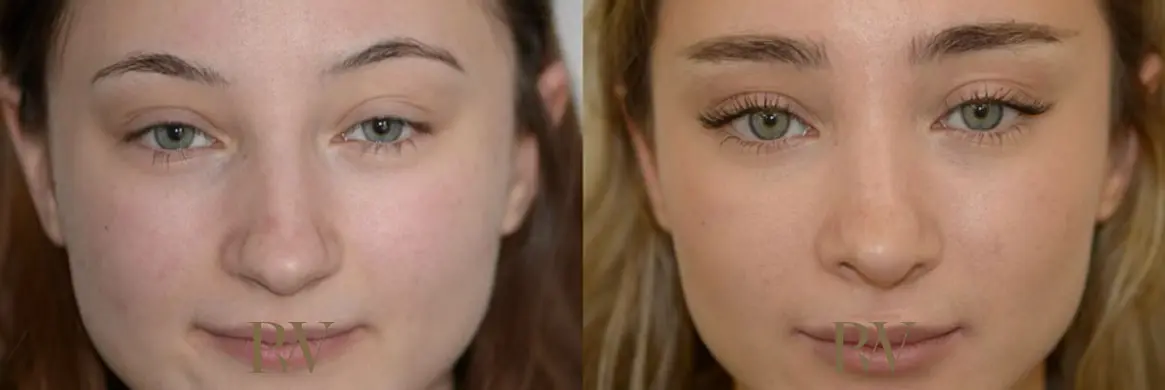
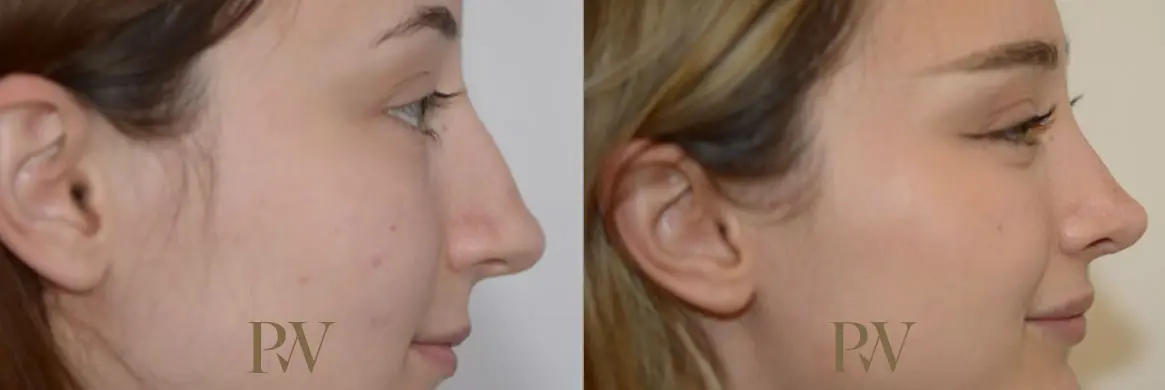
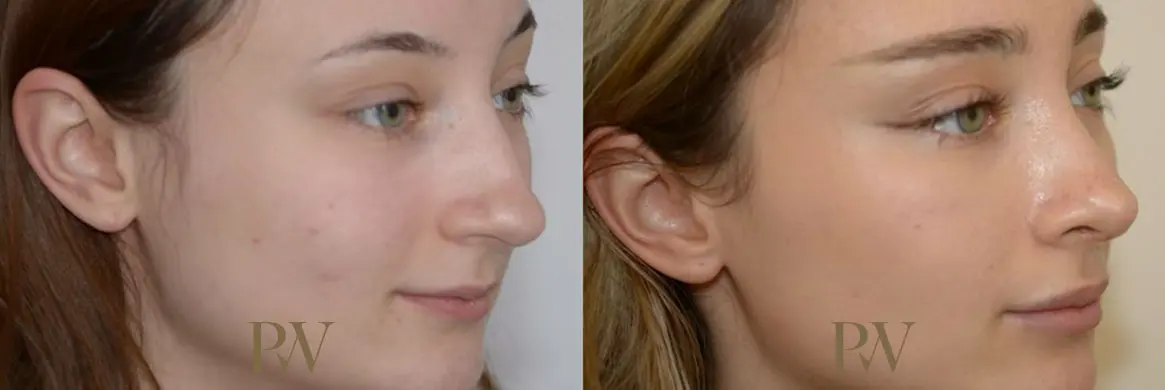
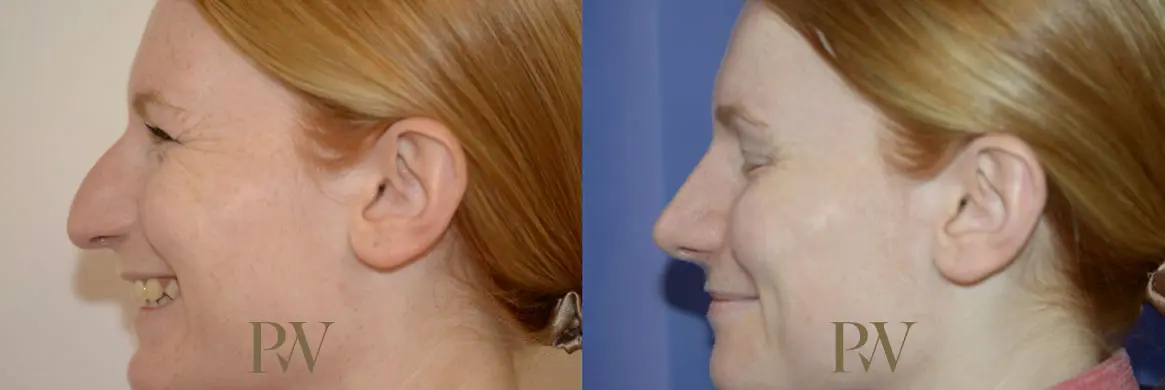
She came to see me because she felt her nose was slightly dominant in profile. It wasn`t a dramatic concern, but it was enough for her to notice.
We discussed what bothered her and, just as importantly, what she liked about her face. The aim wasn`t to change who she was, but to soften her profile so that all her features sat more harmoniously. In surgery, I refined the bridge and made a measured adjustment to the tip; nothing excessive. The priority is always structural integrity and long-term stability.
Recovery requires patience. The initial swelling improves within weeks, but the nose continues to settle and refine over time.
No two noses are the same, which is why a thorough assessment and an honest discussion always come first.
🏥 Paul Wilson Aesthetics
📍 Northwood Hospital, Bristol, UK
📞 0117 332 1585 | 07480 125 890
📧 info@paulwilsonaesthetics.co.uk
Precision in every detail. 👨⚕️✨
When it comes to Hairline Lowering Foreheadplasty, patients choose Mr. Paul Wilson for his advanced surgical expertise and dedication to natural-looking results.
How it works: 1️⃣ Personalised Planning: Mr. Wilson evaluates your facial structure and marks the new position for an aesthetically pleasing result. 2️⃣ Strategic Incision: Placed along the natural hairline to ensure minimal visibility, blending seamlessly into the surrounding hair. 3️⃣ Advanced Anchoring: The scalp is repositioned and anchored with the Endochor device (carpet gripper) to prevent tension and ensure long-lasting results. 4️⃣ Follicle Protection: Special care is taken to avoid disrupting hair follicles, maintaining healthy hair growth.
Achieve a permanent solution with a compassionate approach. 🤍
📥 DM us to enquire about our next availability in Bristol, Newport, or Devon.
#Foreheadplasty #SurgicalPrecision #HairlineSurgery #PlasticSurgeonBristol #paulwilsonaesthetics
✨ Creating Facial Harmony with Hairline Lowering ✨
Did you know that a high or receding hairline can make the forehead appear disproportionately large? Hairline lowering surgery, also known as forehead reduction, is a highly effective procedure designed to shorten the distance between the hairline and the eyebrows.
The goal? A more balanced, youthful, and proportional facial appearance. 🤝
At a Glance: ⏱ Treatment Time: 2 hours 💤 Anaesthesia: General anaesthetic 🏠 Recovery: 1 week 💼 Return to Work: 10 days ✨ Results: Long-term and transformative
By combining artistry with precision, Mr. Paul Wilson helps patients enhance their confidence through a seamless, satisfying journey.
🔗 Tap the link in our bio to learn more about this procedure or to book your consultation.
#PaulWilsonAesthetics #HairlineLowering #ForeheadReduction #FacialHarmony #PlasticSurgeryUK #paulwilsonaesthetics #northwoodhospital.co.uk #Foreheadplasty

Connect with Paul