Treatment face
Search
Join us on Instagram
Discover behind-the-scenes moments, patient transformations, expert tips, and the latest in surgical treatments – all in one place.
 Let's connect on Instagram
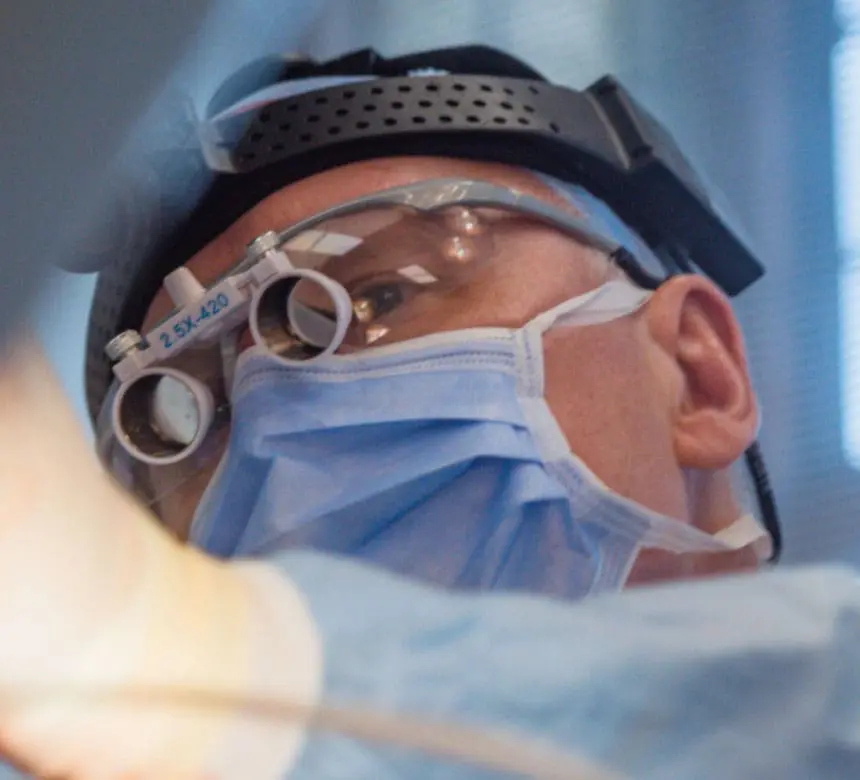
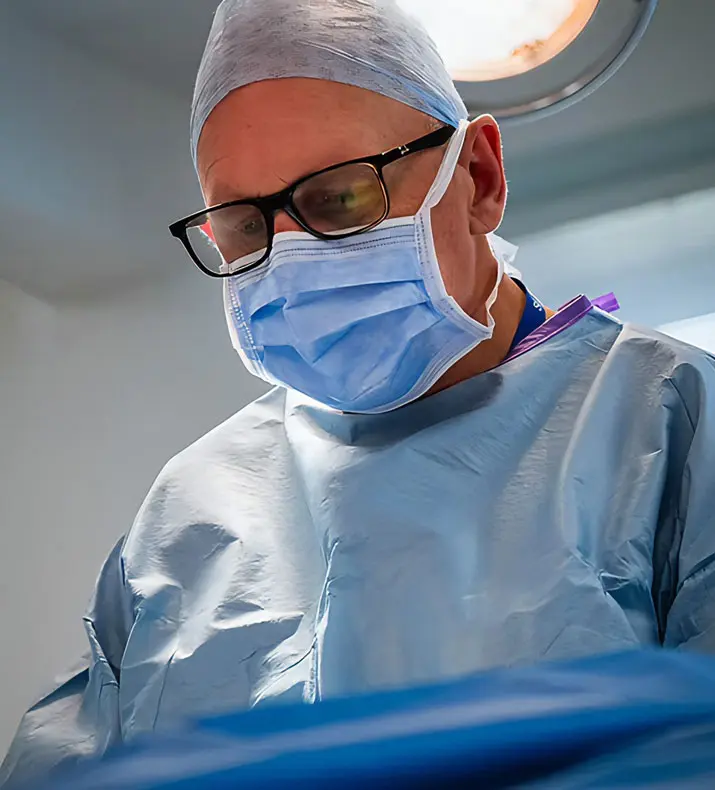
Precision in every detail. 👨⚕️✨
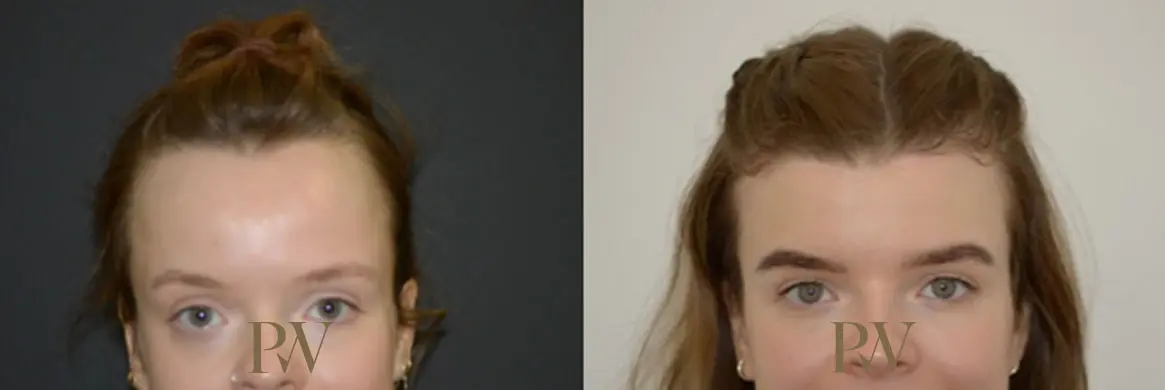
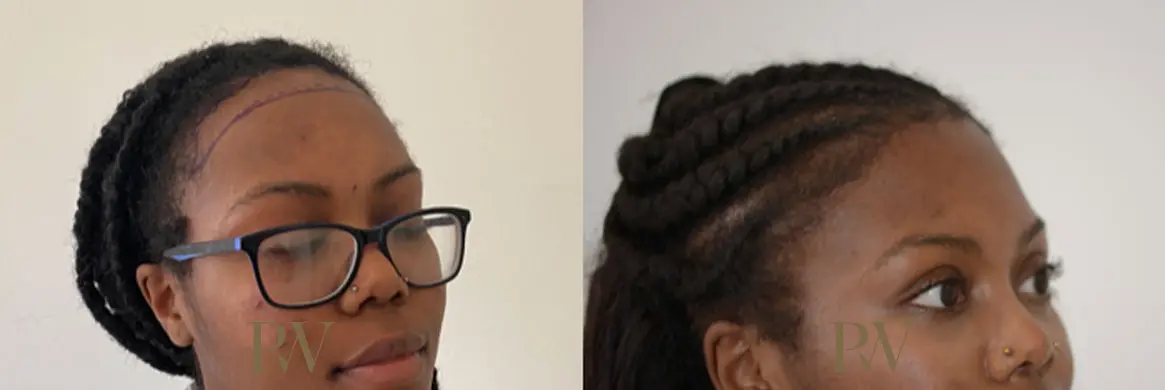
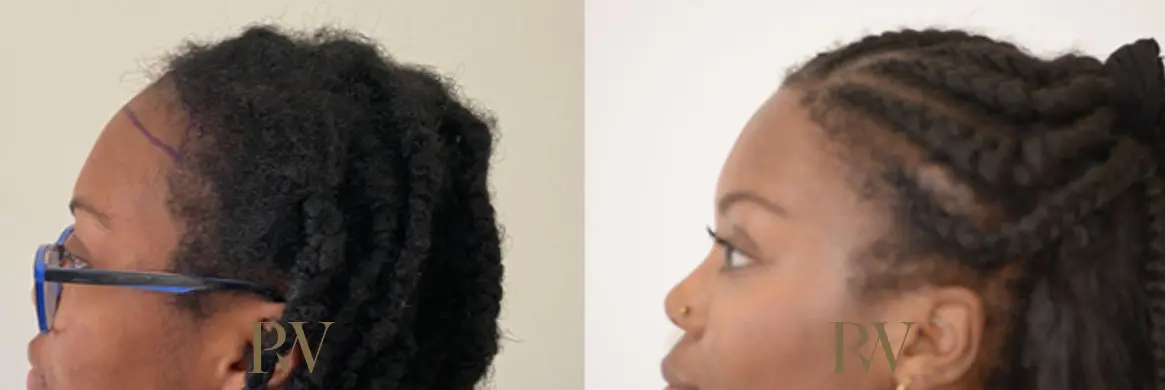
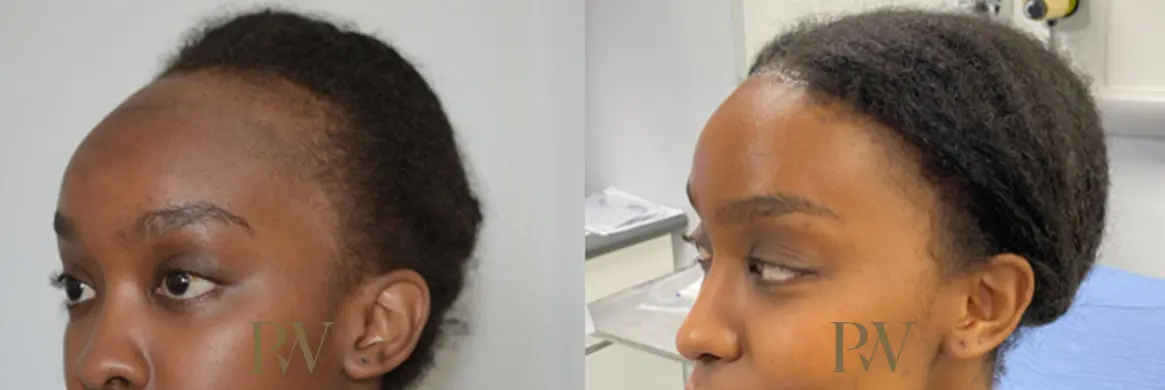
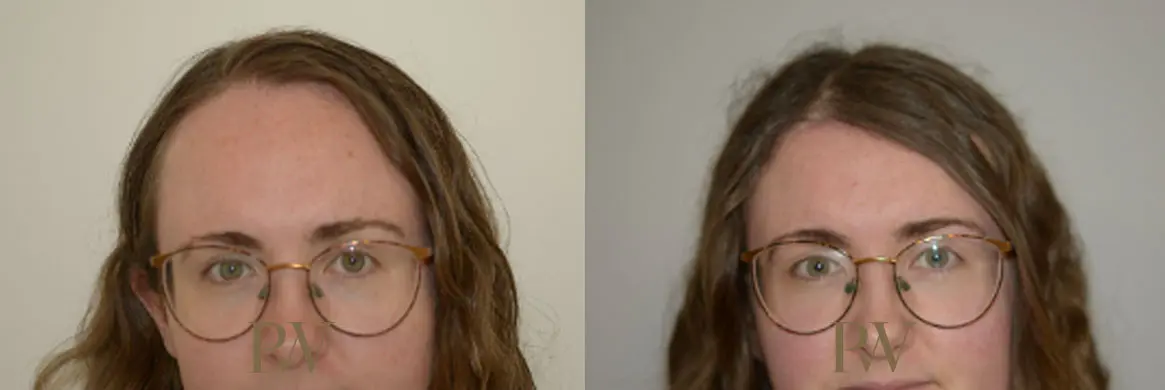
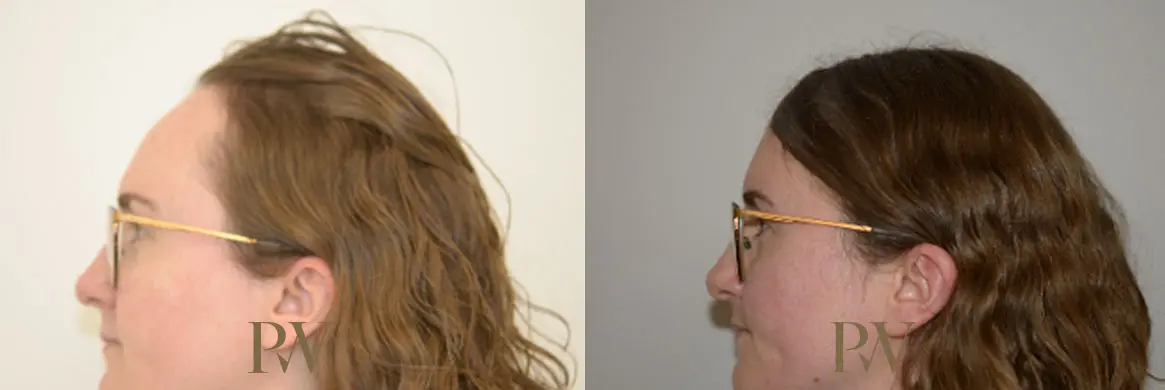
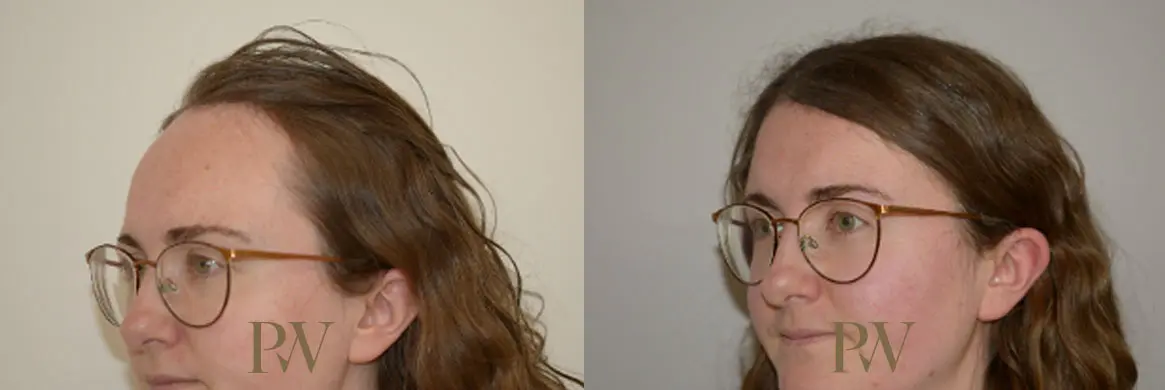
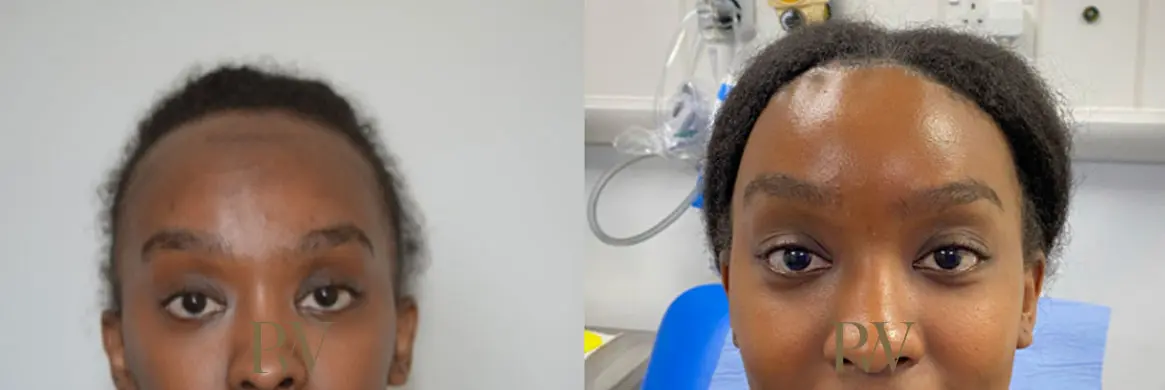
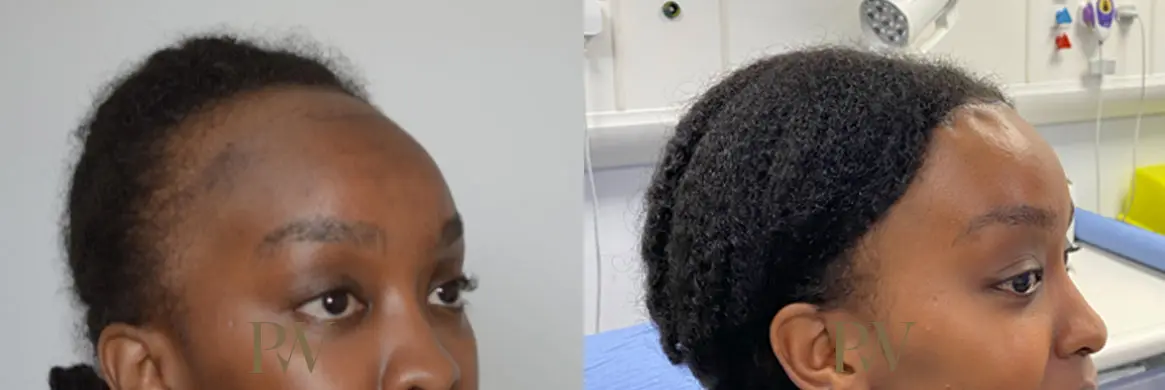
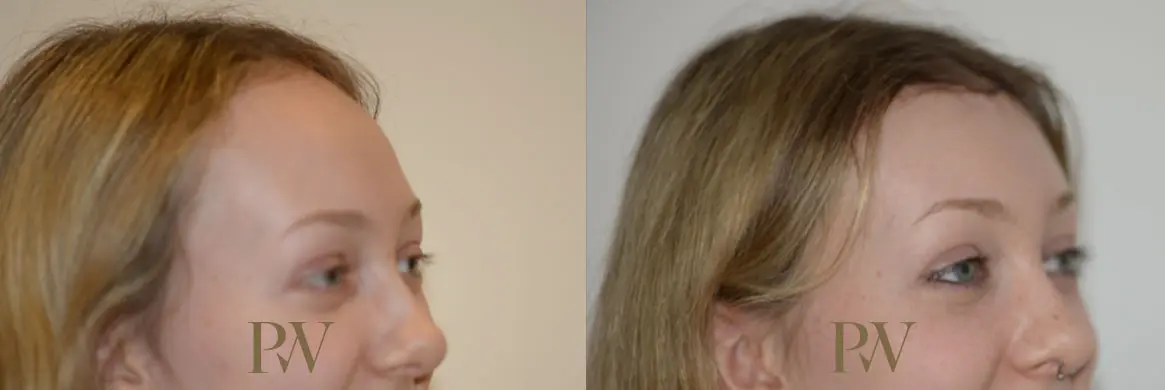
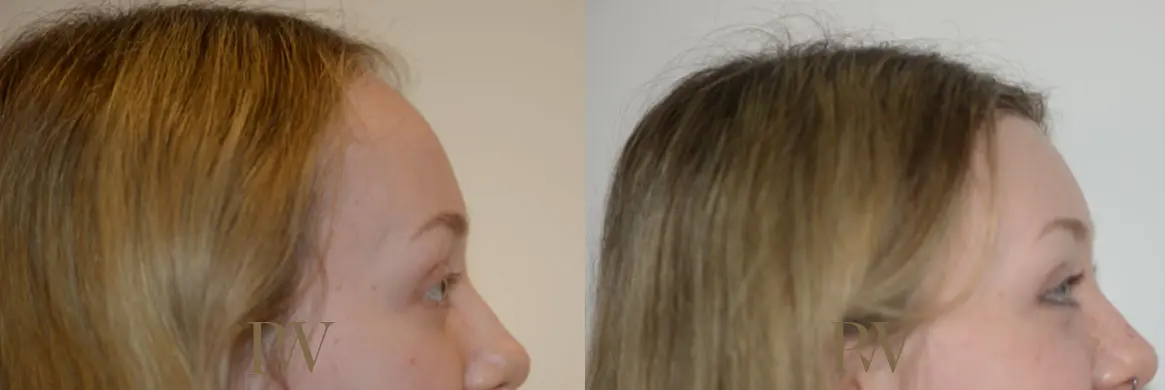
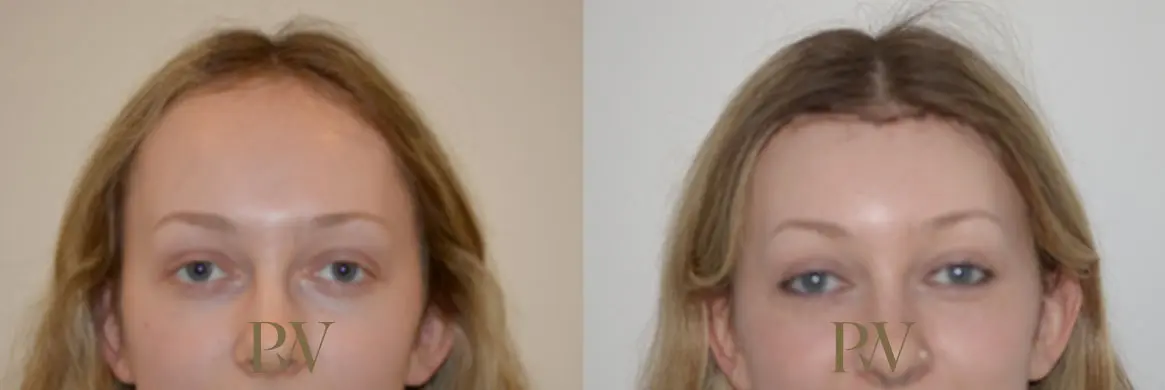
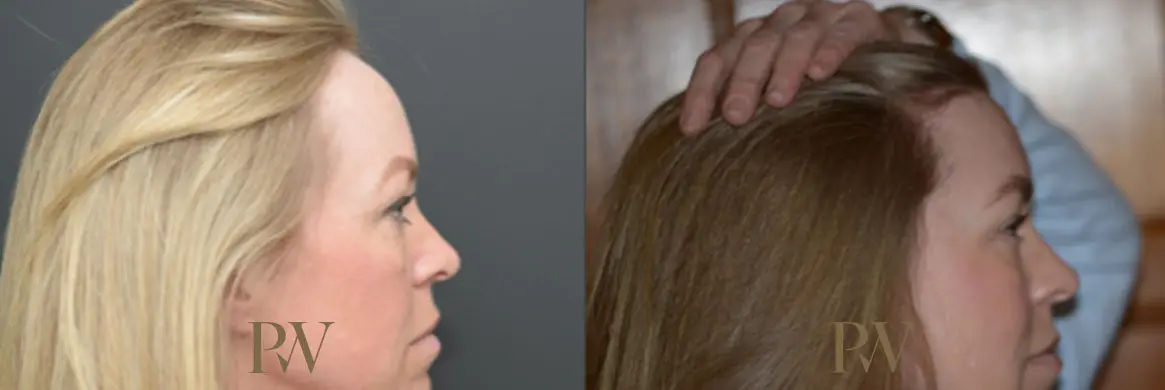
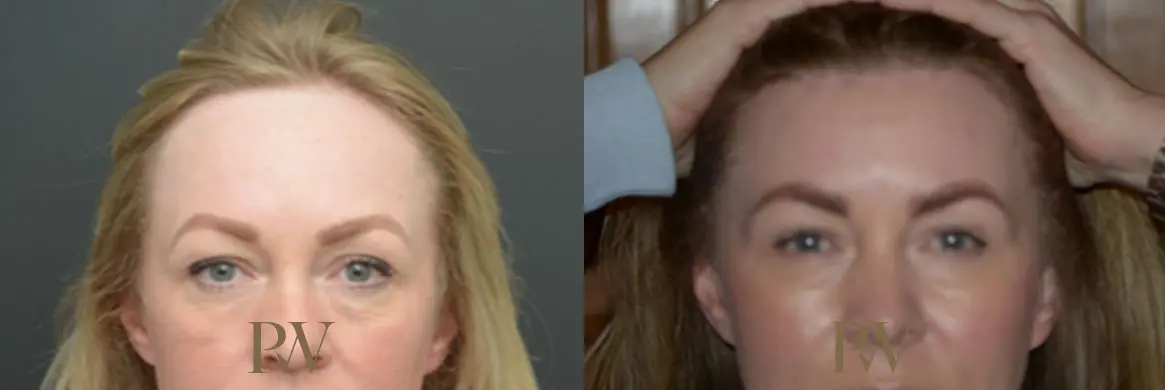
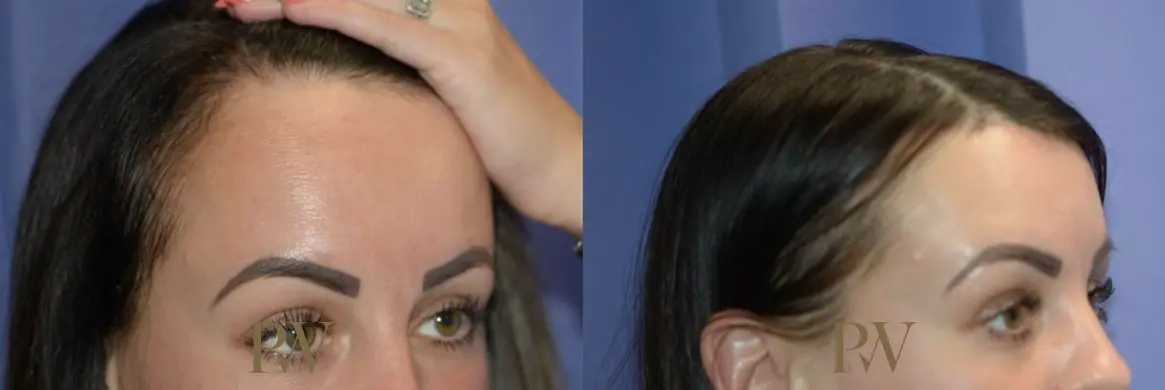
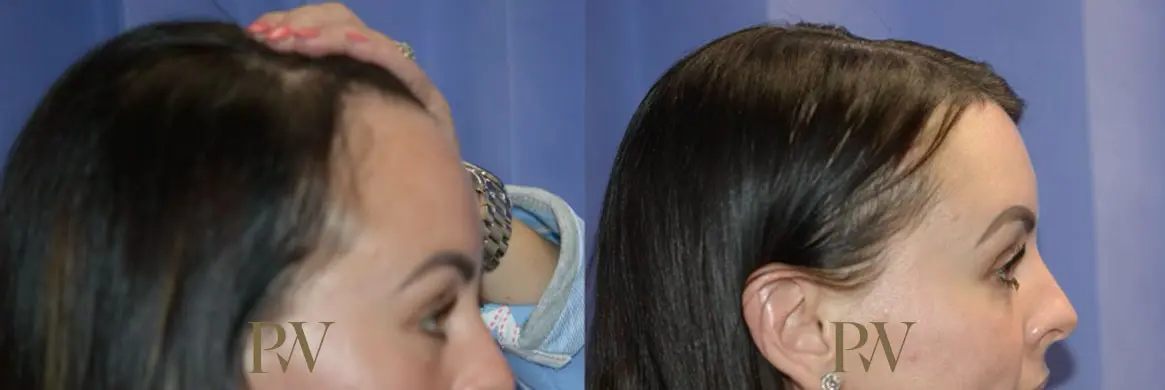
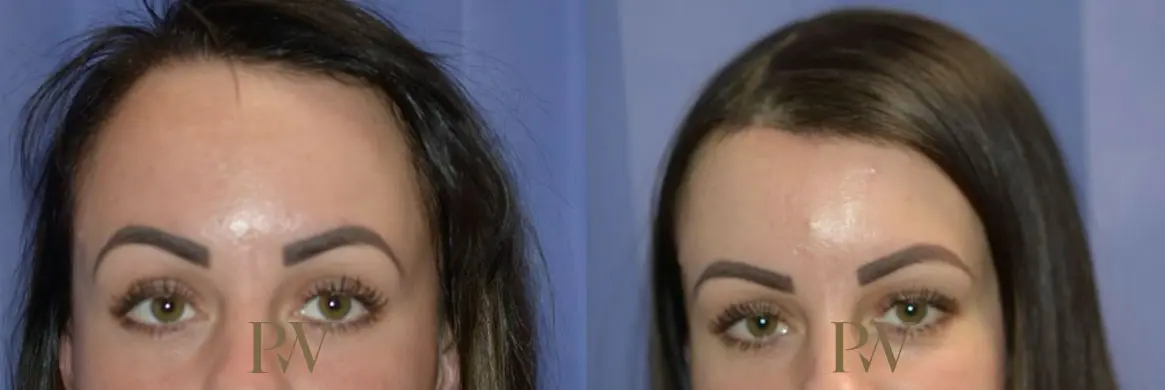
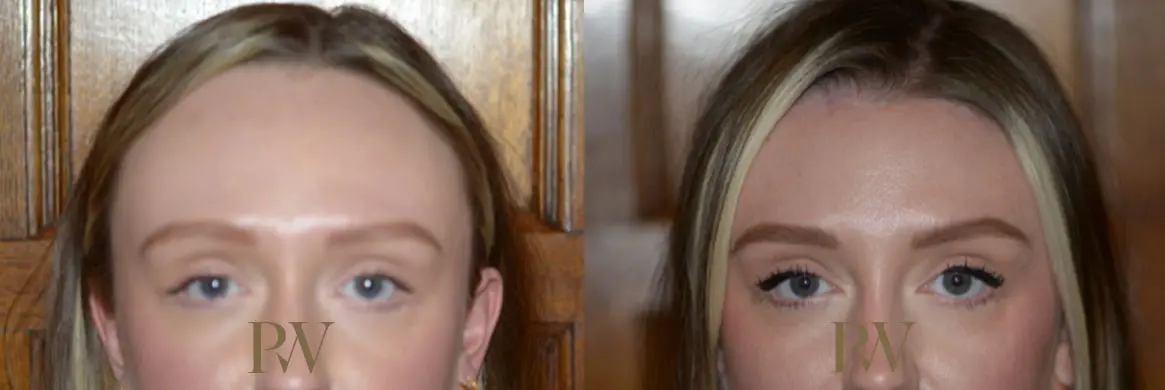
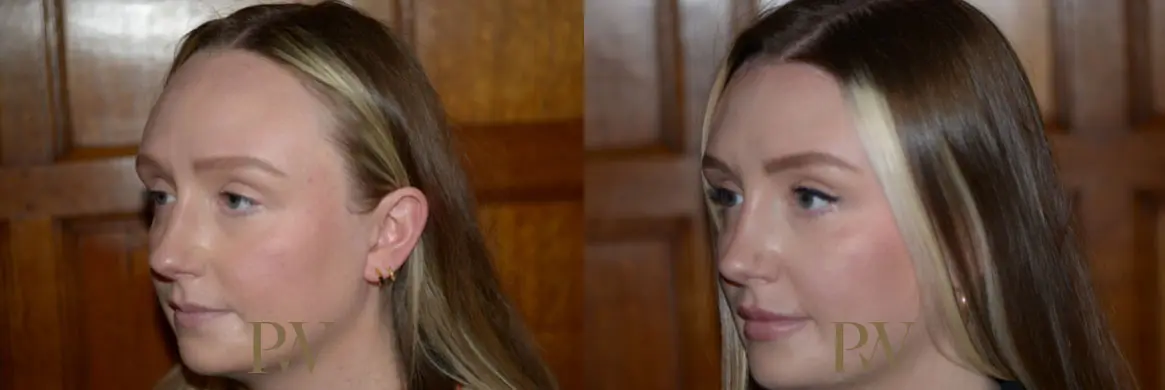
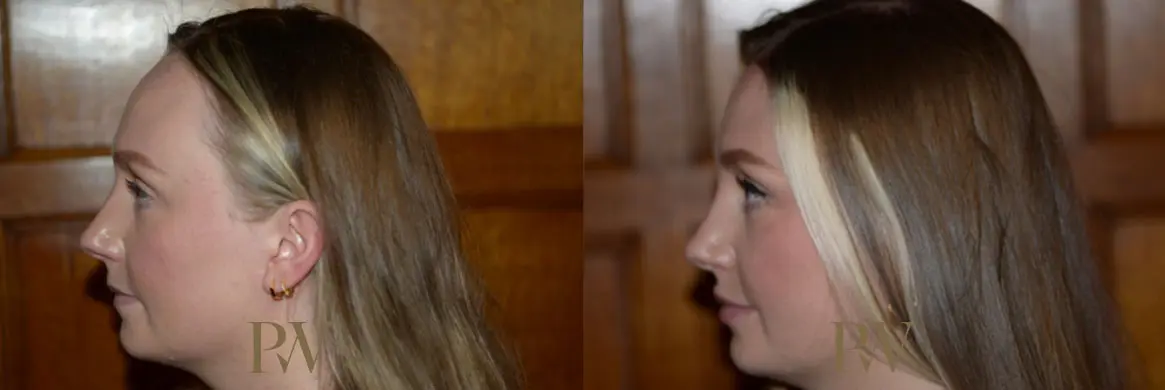
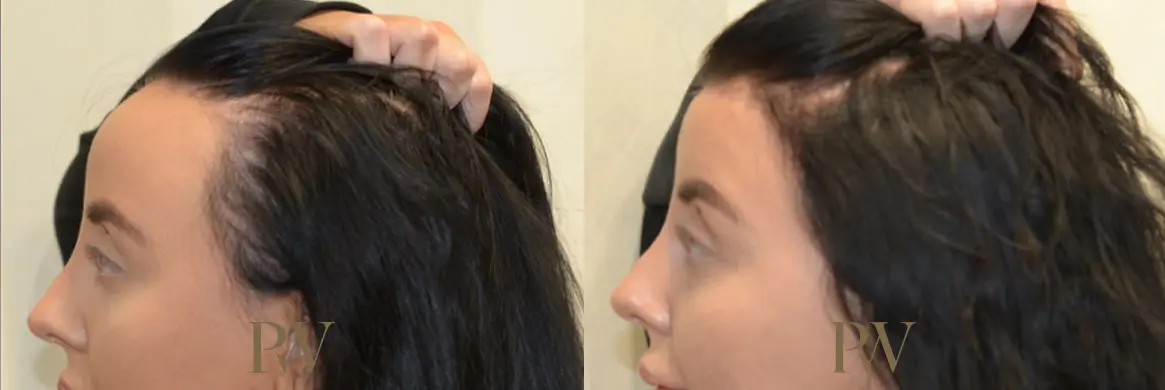
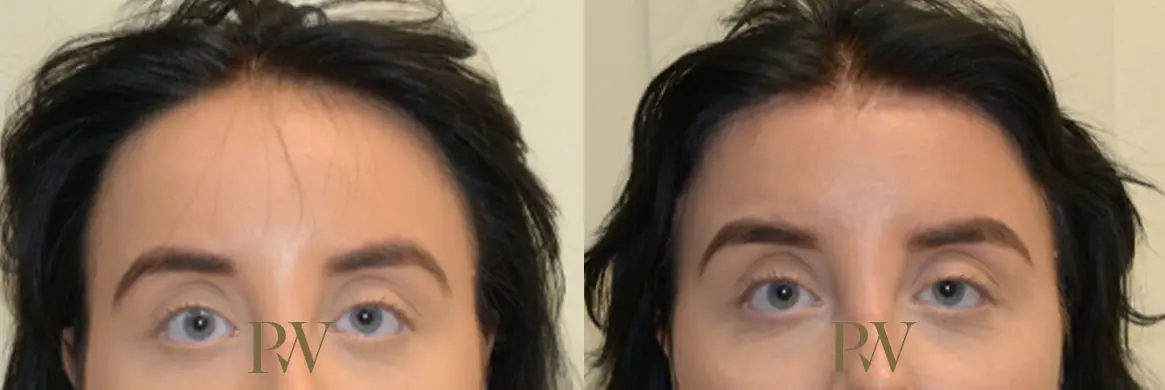
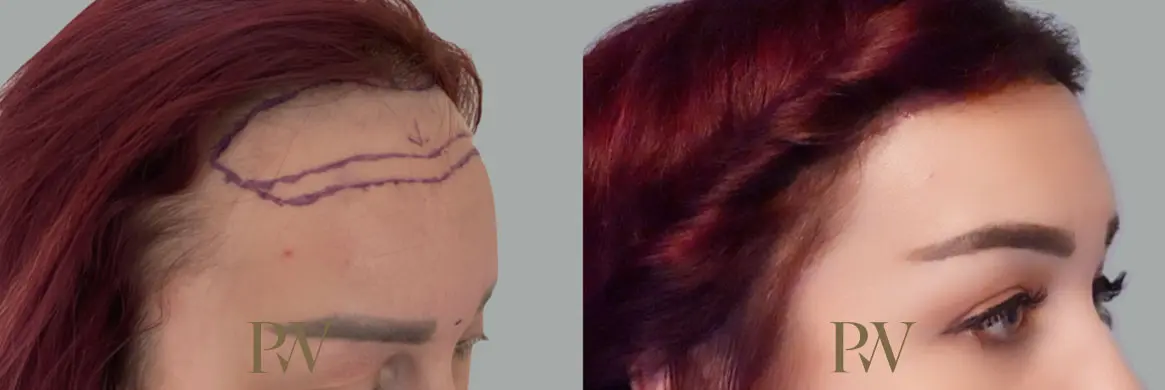
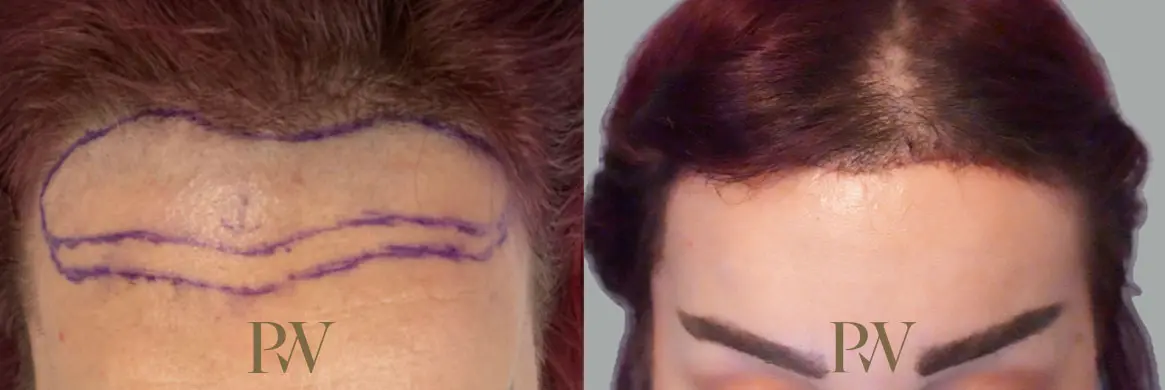
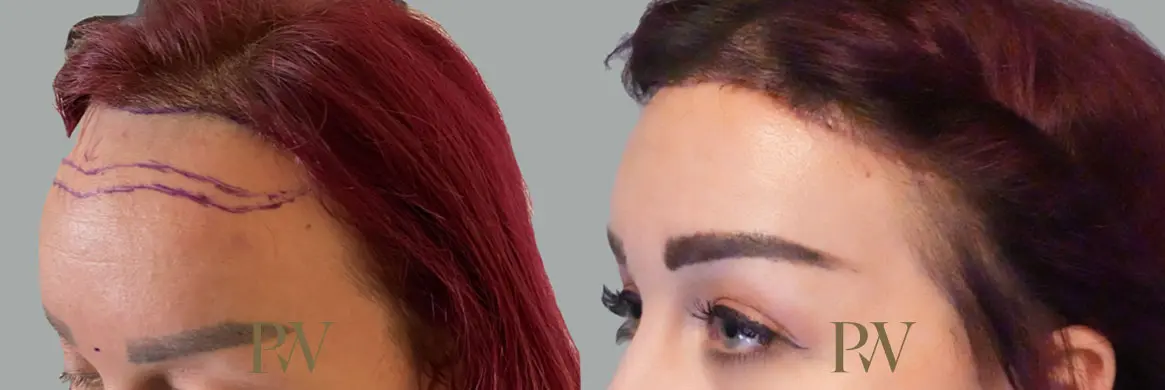
When it comes to Hairline Lowering Foreheadplasty, patients choose Mr. Paul Wilson for his advanced surgical expertise and dedication to natural-looking results.
How it works: 1️⃣ Personalised Planning: Mr. Wilson evaluates your facial structure and marks the new position for an aesthetically pleasing result. 2️⃣ Strategic Incision: Placed along the natural hairline to ensure minimal visibility, blending seamlessly into the surrounding hair. 3️⃣ Advanced Anchoring: The scalp is repositioned and anchored with the Endochor device (carpet gripper) to prevent tension and ensure long-lasting results. 4️⃣ Follicle Protection: Special care is taken to avoid disrupting hair follicles, maintaining healthy hair growth.
Achieve a permanent solution with a compassionate approach. 🤍
📥 DM us to enquire about our next availability in Bristol, Newport, or Devon.
#Foreheadplasty #SurgicalPrecision #HairlineSurgery #PlasticSurgeonBristol #paulwilsonaesthetics

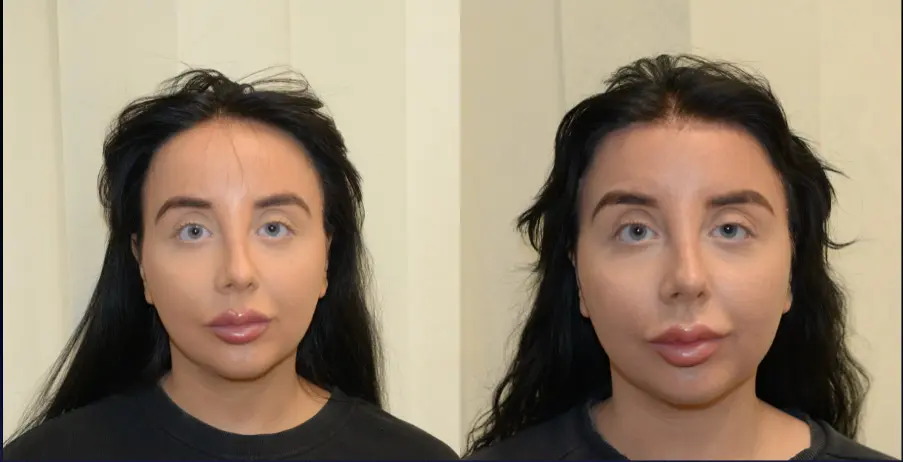
✨ Creating Facial Harmony with Hairline Lowering ✨
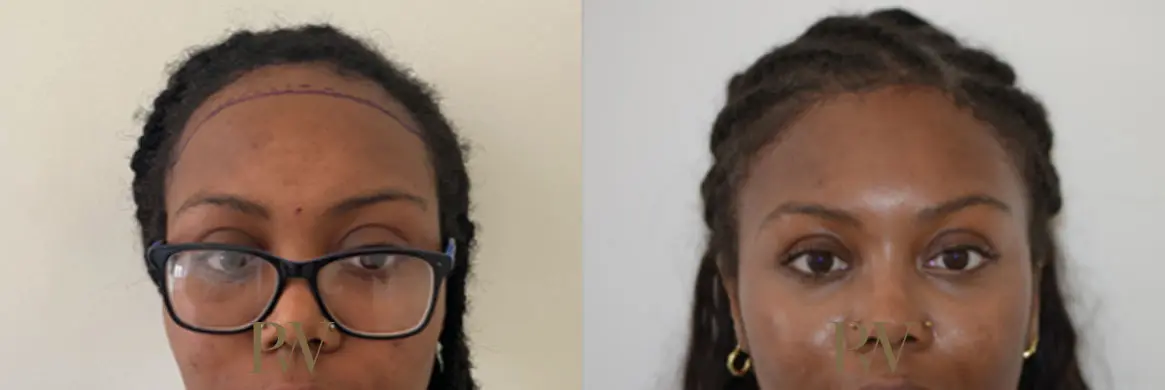
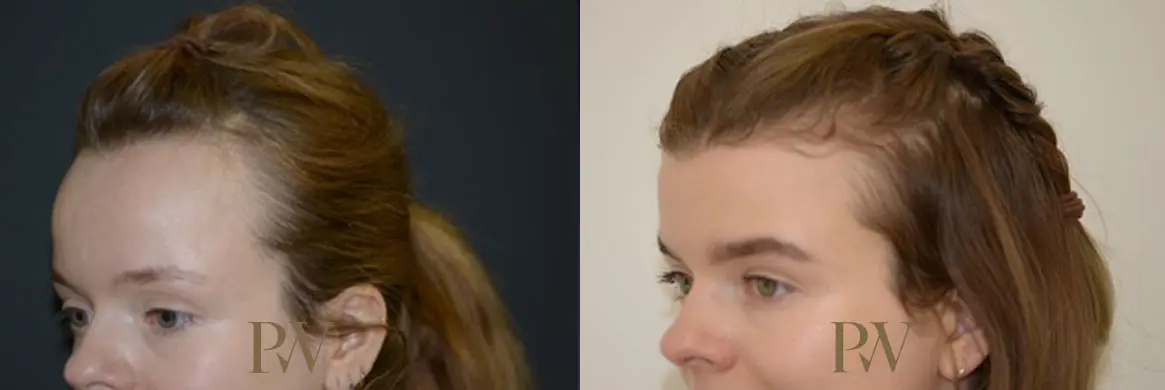
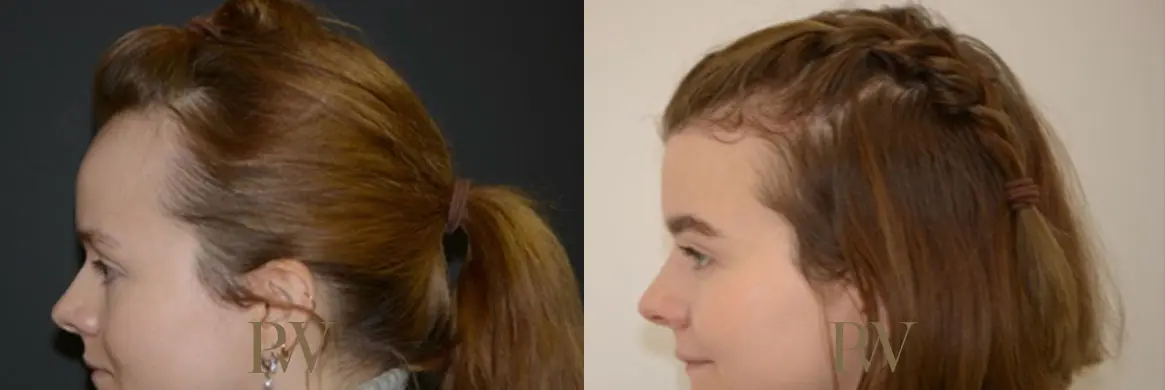
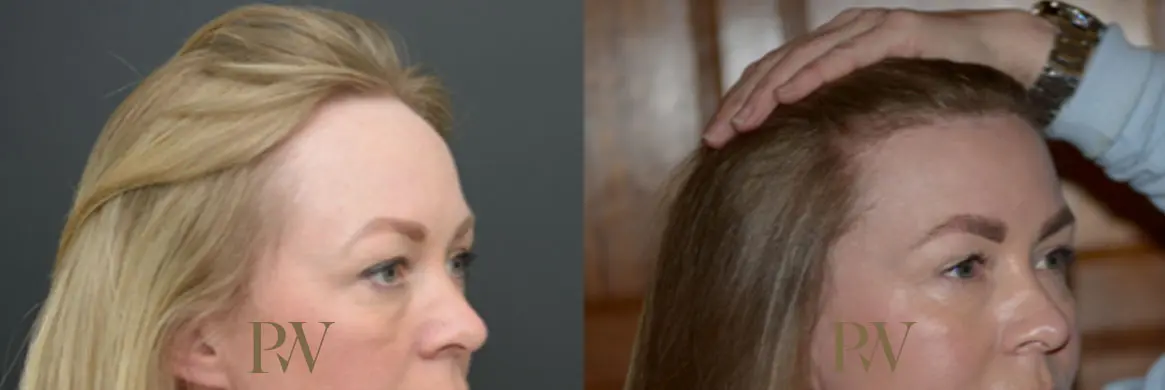
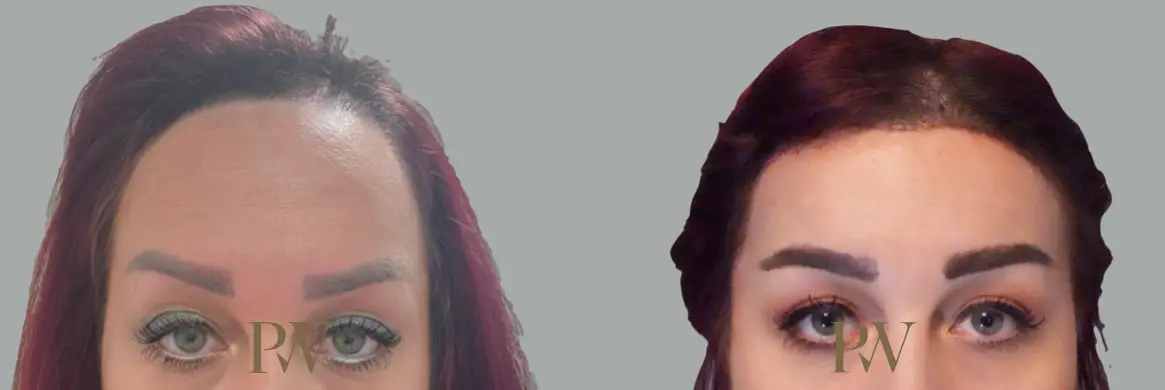
Did you know that a high or receding hairline can make the forehead appear disproportionately large? Hairline lowering surgery, also known as forehead reduction, is a highly effective procedure designed to shorten the distance between the hairline and the eyebrows.
The goal? A more balanced, youthful, and proportional facial appearance. 🤝
At a Glance: ⏱ Treatment Time: 2 hours 💤 Anaesthesia: General anaesthetic 🏠 Recovery: 1 week 💼 Return to Work: 10 days ✨ Results: Long-term and transformative
By combining artistry with precision, Mr. Paul Wilson helps patients enhance their confidence through a seamless, satisfying journey.
🔗 Tap the link in our bio to learn more about this procedure or to book your consultation.
#PaulWilsonAesthetics #HairlineLowering #ForeheadReduction #FacialHarmony #PlasticSurgeryUK #paulwilsonaesthetics #northwoodhospital.co.uk #Foreheadplasty
Your home away from home during recovery. ☁️
We understand that for many patients, the environment is just as important as the procedure itself. Surgery can be a nerve-wracking experience, and the last thing you want is to wake up in a space that feels cold, clinical, or chaotic.
At Northwood Hospital, we have curated a space that prioritizes your peace of mind. 🌿
Take a walk through our patient wards with us: ✨ Private Sanctuaries: You’ll be staying in one of our 8 private rooms, designed with warm, neutral tones to keep you calm and relaxed. 🚿 Hotel-Style Comfort: With a pristine en-suite bathroom and luxury touches like @bramleyproducts pillow sprays and toiletries, you can freshen up in total privacy. 👩⚕️ Safety First: As you can see, the Nurses Station is located right in the heart of the ward. Our dedicated medical team is always just steps away from your door, monitoring your recovery 24/7.
It’s the perfect blend of medical excellence and boutique comfort. We want you to feel safe, supported, and completely looked after from the moment you check in to the moment you head home.
Have questions about the admission process or the facilities? Send us a DM or email info@paulwilsonaesthetics.co.uk 📩
#NorthwoodHospital #PaulWilsonAesthetics #PatientCare #RecoveryJourney #PlasticSurgeryUK #HospitalAnxiety #SafeHands #PrivateHealthcare #LondonSurgeon #PostOpRecovery #LuxuryHospital #CosmeticSurgeryLondon #PatientSafety #MedicalTourismUK #ComfortAndCare
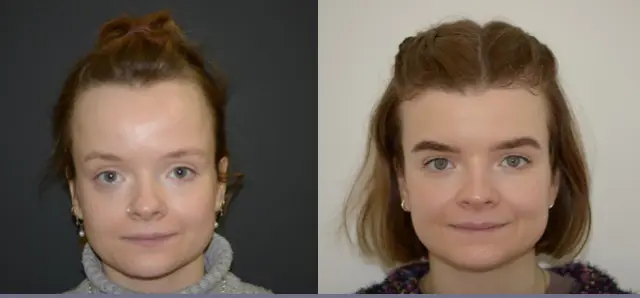
“Not many people noticed... unless I told them.” 🤫✨
The goal of Hairline Lowering Foreheadplasty? Natural, balanced results that boost your confidence without shouting “surgery.”
We loved catching up with this patient to hear about her experience: ✨ Smooth recovery (even with two kids!) ✨ Discreet scarring ✨ Professional and calm care from Paul Wilson
Thinking about forehead reduction? Get in touch for your consultation! 💬
#ForeheadReduction #HairlineLowering #BeforeAndAfter #PlasticSurgeryResults #PaulWilson #SubtleResults #ConfidenceBoost #paulwilsonaesthetics #northwoodhospital
Precision in the O.R. with Mr. Paul Wilson 👨⚕️✨
Performing a complex Implant Exchange and Capsulectomy at Northwood Hospital, Bristol.
Surgery is often about problem-solving. In this specific case, we addressed a calcified implant within the right breast cavity. You can see the rigidity of the old device, which is ruptured upon removal, compared to the pristine nature of the new implants being inserted.
✅ Old implants removed ✅ Calcified capsule treated ✅ New implants placed via funnel technique
Restoring comfort and confidence.
For consultations in Bristol, click the link in bio. 🏥
#PlasticSurgeonUK #Bristol #NorthwoodHospital #BreastSurgery #SurgicalVideo #MedEd #SurgeonLife #ImplantRevision #paulwilsonaesthetics #breastimplant #Silimed #capsulectomy #breastaugmentation
Precision in the O.R. with Mr. Paul Wilson 👨⚕️✨
Performing a complex Implant Exchange and Capsulectomy at Northwood Hospital, Bristol.
Surgery is often about problem-solving. In this specific case, we addressed a calcified implant within the right breast cavity. You can see the rigidity of the old device, which is ruptured upon removal, compared to the pristine nature of the new implants being inserted.
✅ Old implants removed ✅ Calcified capsule treated ✅ New implants placed via funnel technique
Restoring comfort and confidence.
For consultations in Bristol, click the link in bio. 🏥
#PlasticSurgeonUK #Bristol #NorthwoodHospital #BreastSurgery #SurgicalVideo #MedEd #SurgeonLife #ImplantRevision #paulwilsonaesthetics #breastimplant #Silimed #capsulectomy #breastaugmentation
Restoring shape, volume, and confidence.
Augmentation Mastopexy (often called a breast uplift with implants) is a dual-benefit procedure designed for patients who have lost breast volume—often due to weight loss, pregnancy, or breastfeeding—and require both lifting and refilling.
The Goal: Many patients come to me feeling their breast tissue has become “empty” or sits lower on the chest wall. A standard implant alone often isn’t enough to correct significant drooping (ptosis), and an uplift alone may not provide the upper-pole fullness many desire. By combining these techniques, we can: 1️⃣ Remove excess skin to lift the breast position. 2️⃣ Insert an implant to restore lost volume and firmness.
The Result: As seen in these before and afters, the outcome is a rejuvenated, natural silhouette that looks proportionate to the patient’s frame.
We plan every surgery with precision using Vectra 3D imaging during your consultation, allowing us to visualize the potential outcome together before you ever step into theatre.
— 👨⚕️ Consultant Plastic Surgeon: Mr. Paul Wilson 🏥 Location: Northwood Hospital, Bristol 📅 Consultations: Link in bio or DM to enquire —
Patient consent has been obtained for the use of these images. Individual results vary. Surgery requires downtime and carries risks which will be discussed in your consultation.
#PaulWilsonAesthetics #AugmentationMastopexy #BreastUplift #BreastAugmentationUK #BristolPlasticSurgeon #NaturalResults #PlasticSurgeryBristol #MummyMakeoverUK #BreastImplants #PlasticSurgeryEducation #Vectra3D #RealResults #northwoodhospital.co.uk
Restoring form and volume in the OR today. 🏥
POV: You’re in the OR for a Breast Lift + Implant (Aug Mastopexy).
From the initial markings to the final dressing, precision is everything. We used a funnel insertion for maximum safety and minimal problems. The immediate on-table result shows a restored upper pole and a lifted profile. 🙌
Ready to reclaim your confidence? Click the link in bio to book your consultation. 📲. #paulwilsonaesthetics #plasticsurgery #breastaugmentation #breastlift #mommymakeover #cosmeticsurgery #surgeonlife #operatingroom
#augmentationmastopexy #augmastopexy #breastimplants #kellerfunnel #breastliftwithimplants #plasticsurgeon #beforeandafter #surgicalvideo
#patientsafety #northwoodhospital #bristol
Welcome to Northwood Hospital, Bristol! 🏥 We’re thrilled to introduce you to our state-of-the-art private hospital, nestled in the heart of Bristol.
At Northwood, we specialize in aesthetic surgery, offering a serene and luxurious environment for your journey. Our facilities boast 8 comfortable bedrooms, a dedicated daycase unit for minor procedures, and two advanced operating theatres, all designed with your comfort and safety in mind.
We are committed to providing exceptional care and personalized experiences, ensuring you feel supported and confident every step of the way. Discover the Northwood difference, where expertise meets elegance.
#NorthwoodHospital #BristolAesthetics #PrivateHospitalBristol #AestheticSurgery #CosmeticSurgeryUK #BristolBeauty #HealthcareBristol #SurgicalExcellence #PlasticSurgeryBristol #LuxuryHealthcare #paulwilsonaesthetics
🎥 Inside the OR with Dr. Paul Wilson
Watch as Consultant Plastic Surgeon Dr. Paul Wilson expertly places premium Silimed breast implants at Wood MediSpa — where precision meets artistry in a beautiful landscape.
Using state-of-the-art techniques and trusted implant technology, Dr. Wilson tailors every procedure to enhance natural shape and symmetry, always prioritizing patient safety and aesthetic excellence.
🔬 Silimed Implants
✅ Trusted globally
✅ Soft, natural feel
✅ High safety profile
📍 Wood MediSpa | Harley Street Expertise in Devon
#BreastAugmentation #PlasticSurgery #SilimedImplants #WoodMediSpa #PaulWilsonPlasticSurgery #NaturalResults #BreastImplants #UKPlasticSurgeon #DevonAesthetics #BeforeAndAfter #ConfidenceThroughCare #northwoodhospital
🔹 Abdominoplasty – Functional and Reconstructive Benefits 🔹
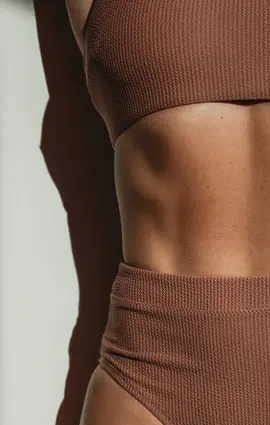
This case highlights the functional benefits of abdominoplasty beyond aesthetic improvement. Abdominoplasty can significantly enhance core stability by repairing rectus diastasis, improve posture, and alleviate lower back discomfort associated with weakened abdominal musculature.
Patients may also experience improved mobility and tolerance for physical activity following reduction of excess abdominal tissue, which can lead to enhanced overall quality of life.
I am very grateful to this patient for kindly allowing me to share her clinical photographs. Her case exemplifies the reconstructive potential of abdominoplasty in the appropriate clinical context.
#Abdominoplasty #TummyTuck #RectusDiastasis #FunctionalSurgery #PostureImprovement #CoreReconstruction #PlasticSurgery #PatientOutcomes #SurgicalRestoration #ReconstructiveSurgery #paulwilsonaesthetics #NorthwoodHospital
✨ Breast Reduction Transformation ✨ This lovely patient kindly allowed me to share her results following breast reduction surgery. Reducing the size and weight of the breasts can dramatically improve posture, relieve neck and back pain, and restore confidence in everyday life. I’m incredibly grateful to her for allowing me to post these images and help others considering this procedure. Every patient’s journey is unique, and it’s always a privilege to be part of it. Performed by👨⚕️ Consultant Plastic Surgeon: Mr Paul Wilson #BreastReduction #ReductionMammoplasty #BeforeAndAfter #PlasticSurgeryUK #NorthwoodHospital #BristolSurgeon #BreastSurgery #ConfidenceBoost #BodyConfidence #RelieveBackPain #PostureRelief #PaulWilsonAesthetics #GratefulPatient #SurgicalResults #ConsultantPlasticSurgeon #LifeChangingSurgery #paulwilsonaesthetics

Connect with Paul