Book A Consultation

Treatment face

Deep Plane Facelift in the UK

Experience advanced facial rejuvenation with a deep plane facelift, a surgical procedure that restores youthful structure, smooth deep folds and redefines the cheeks, jawline and neck for natural, long-lasting results.

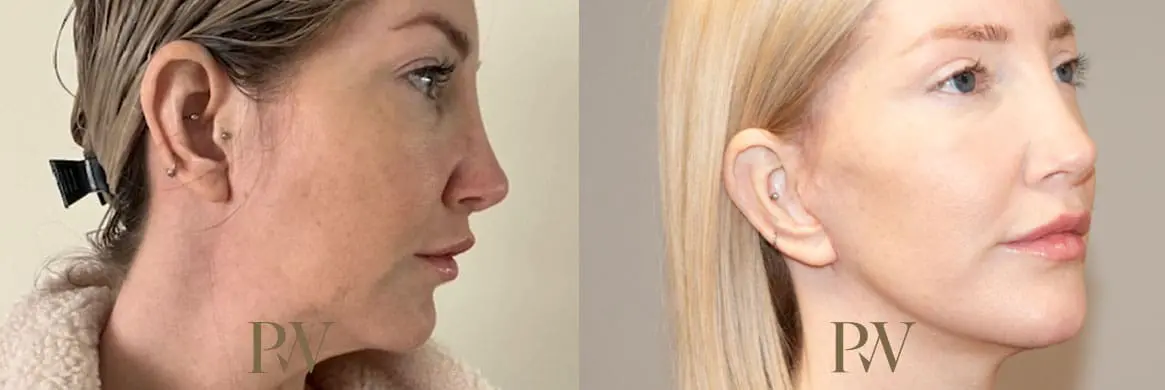
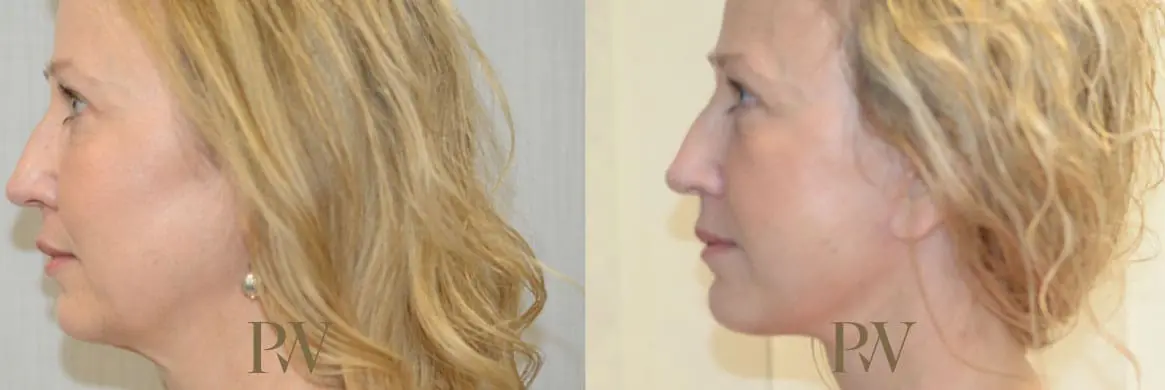
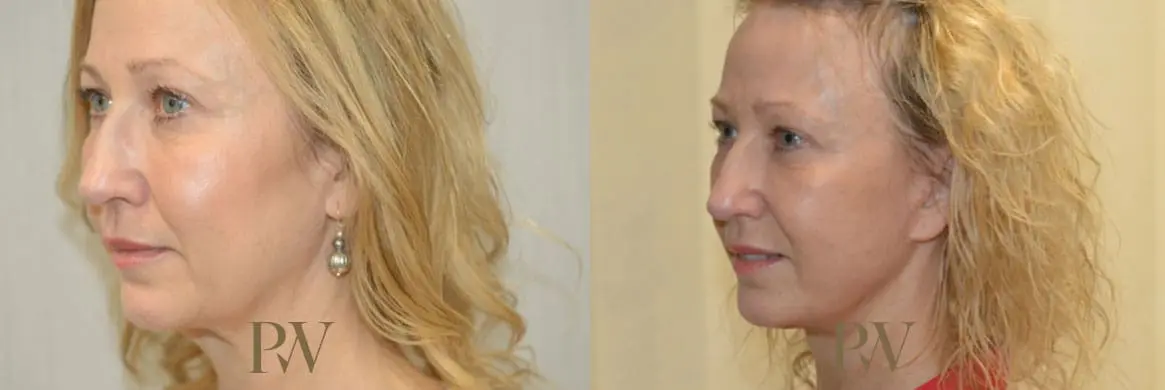
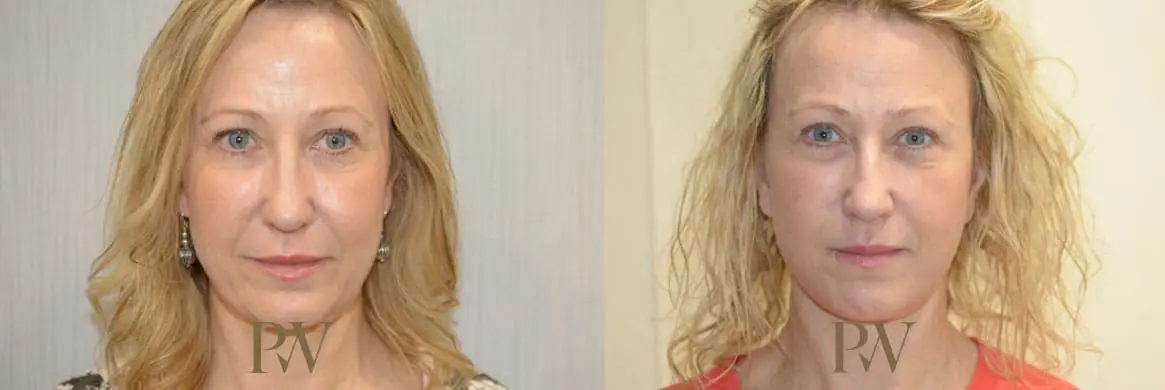
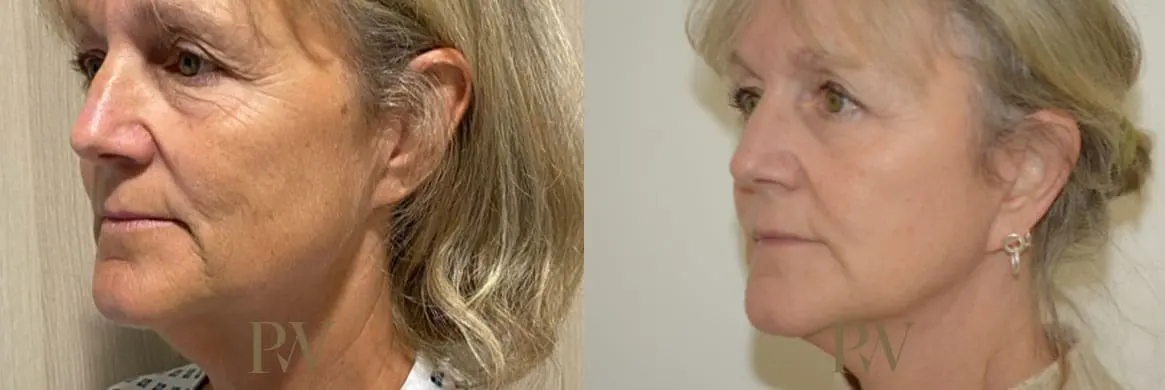
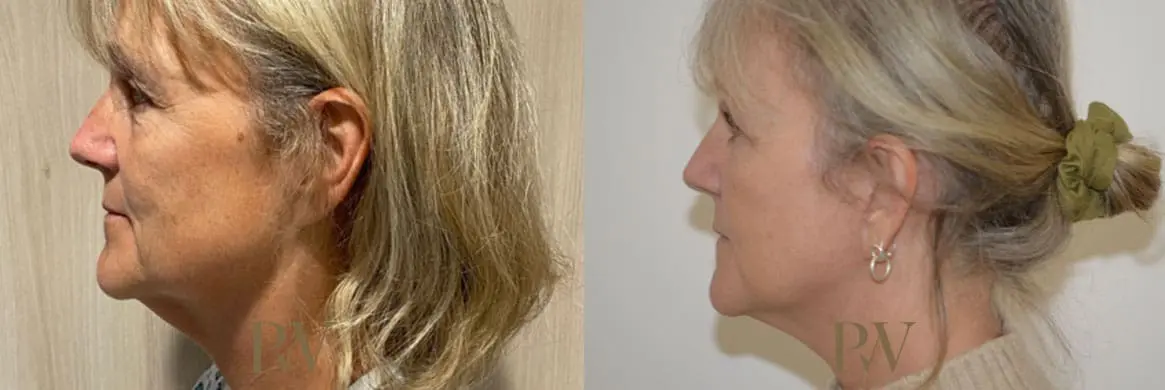
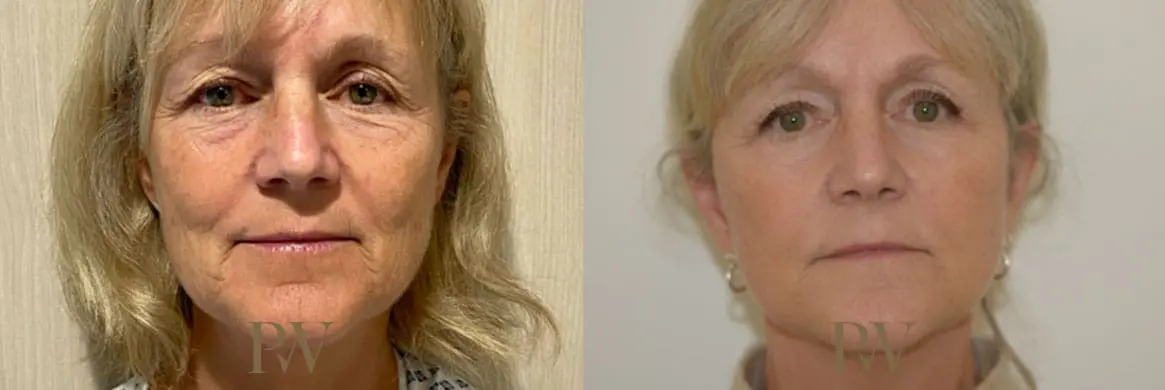
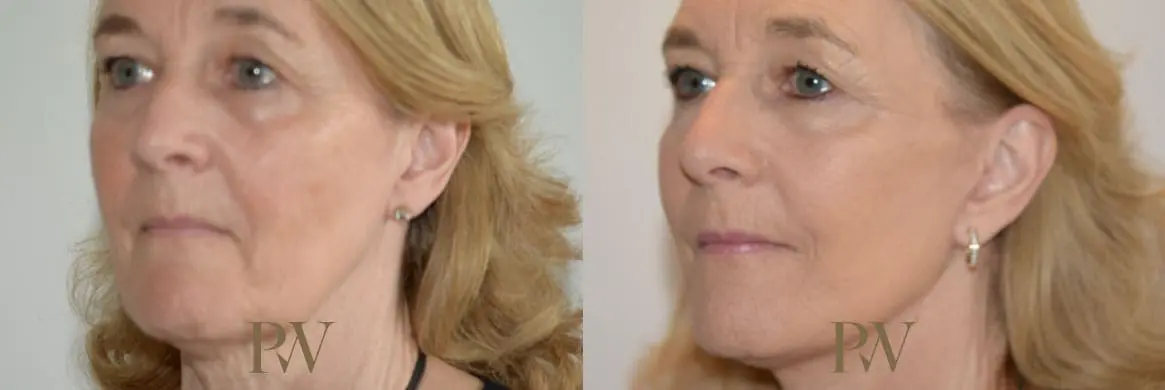
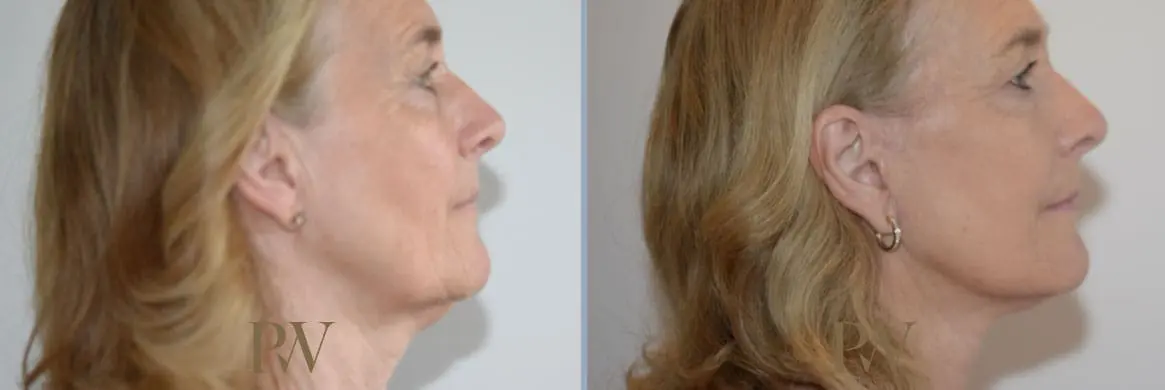
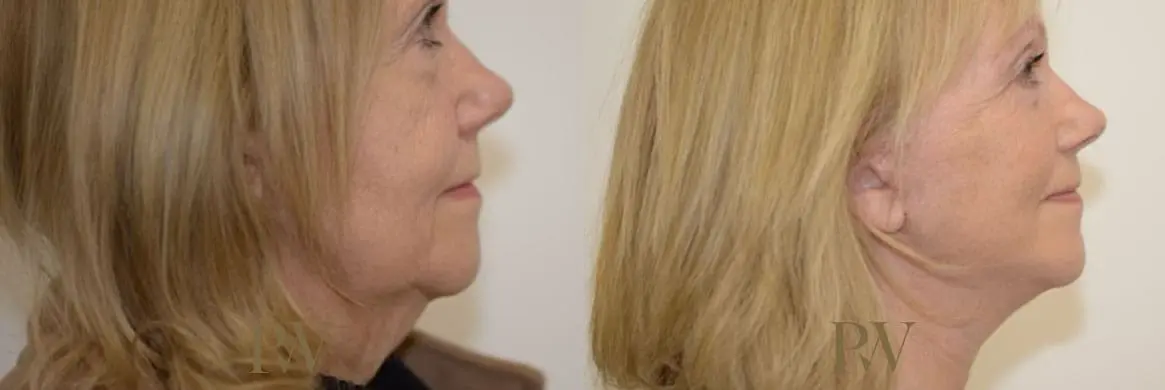
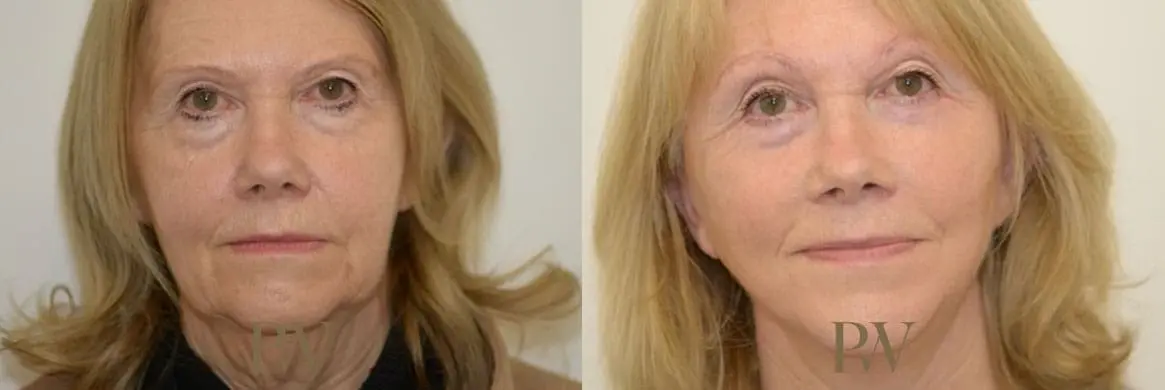
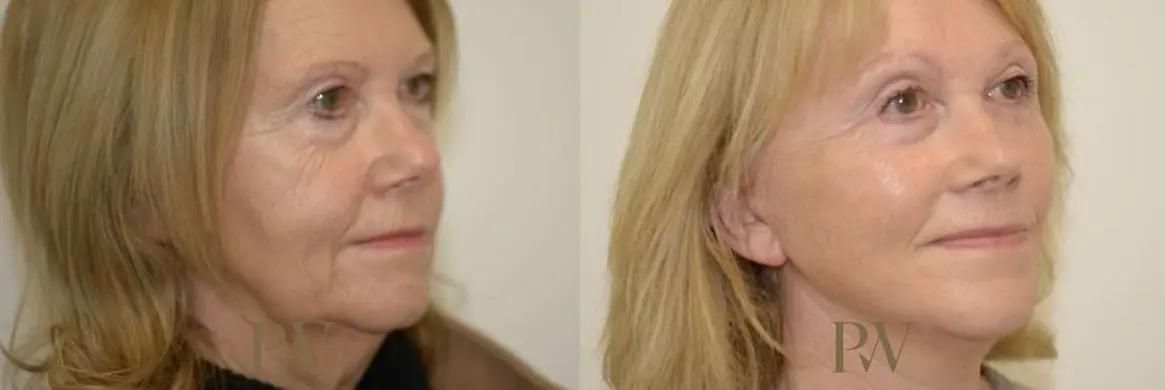
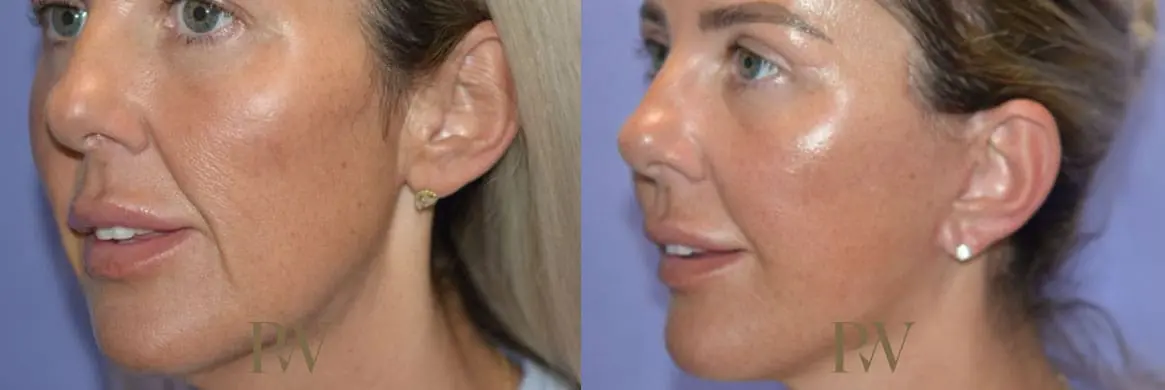
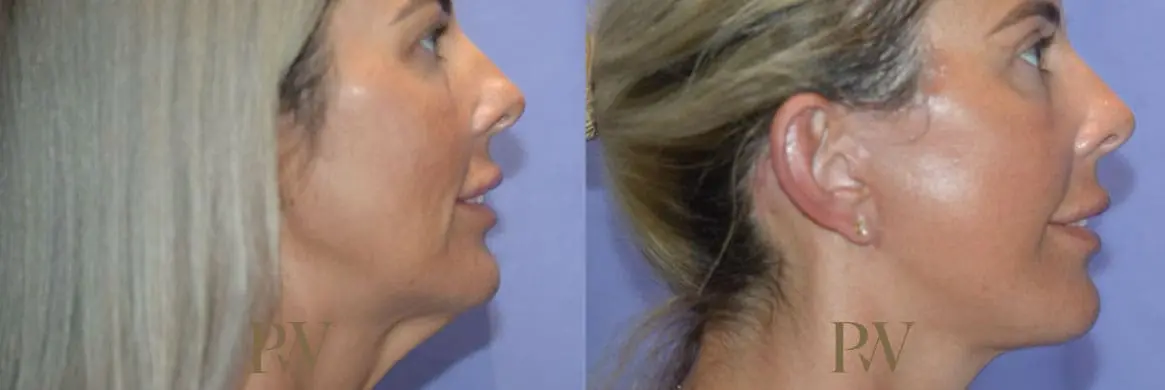
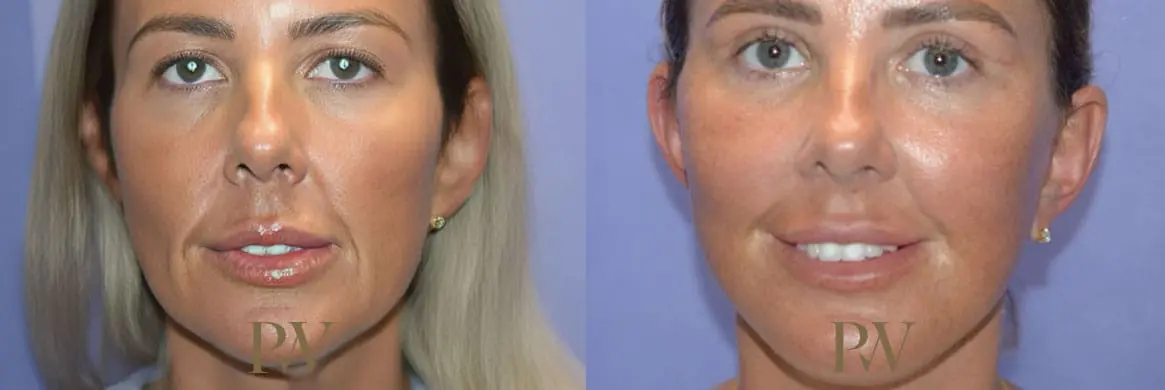
If you’re looking to lift sagging facial tissues, smooth deep folds and restore youthful definition to your face and neck, a deep plane facelift may be the ideal option. This advanced surgical procedure works beneath the surface of the skin to reposition the deeper facial structures that naturally descend with age, creating a natural-looking result that lasts.

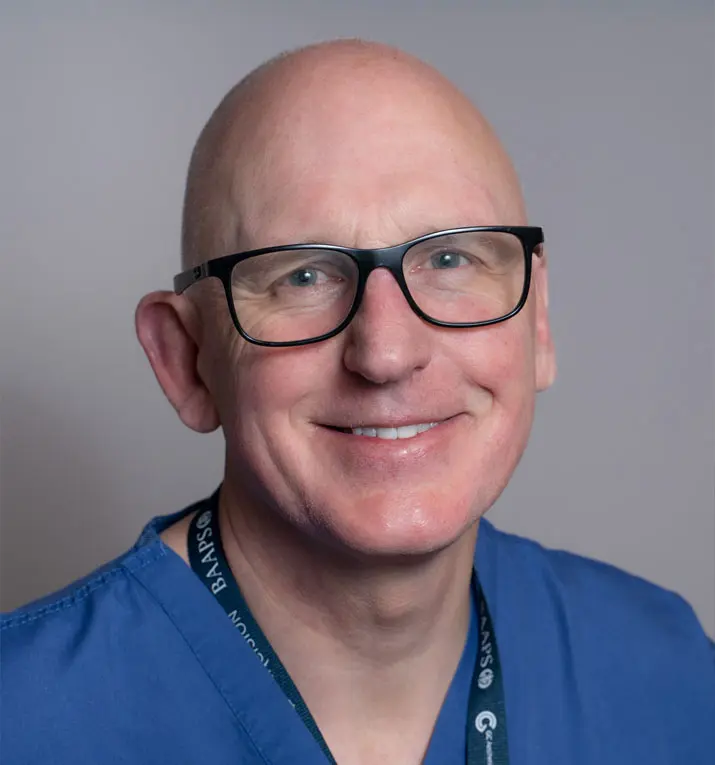
At Paul Wilson Aesthetics, our procedures are performed by Mr Paul Wilson who will support you at every stage, from initial consultation through to surgery and recovery.

About

What is a deep plane facelift?

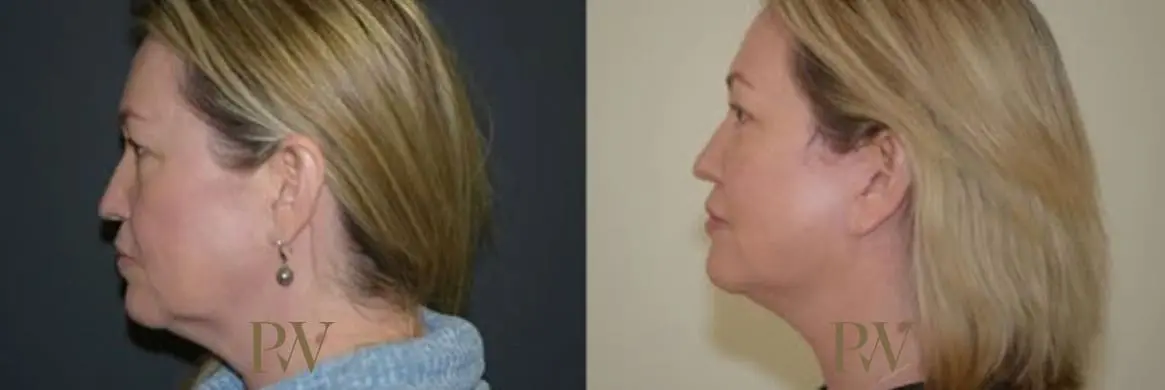
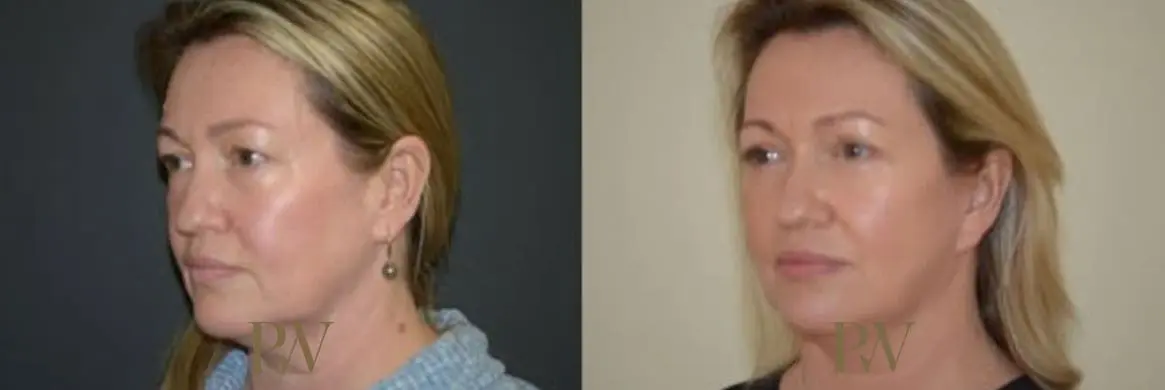
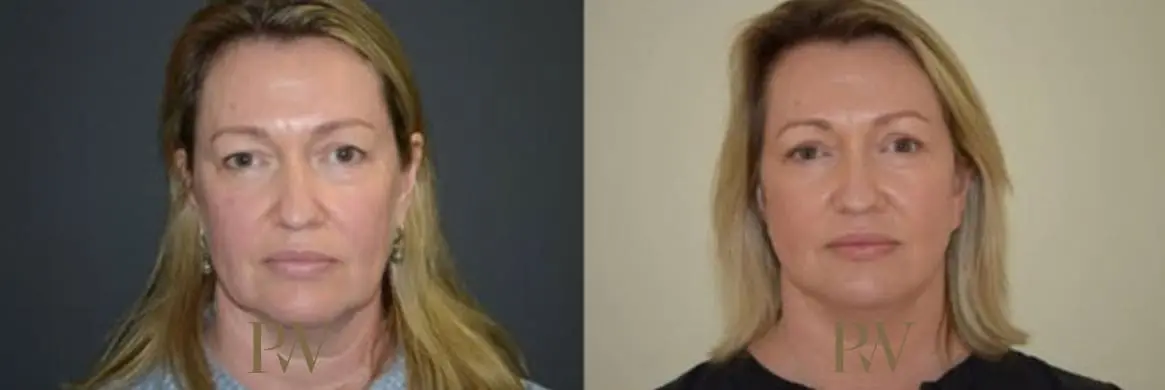
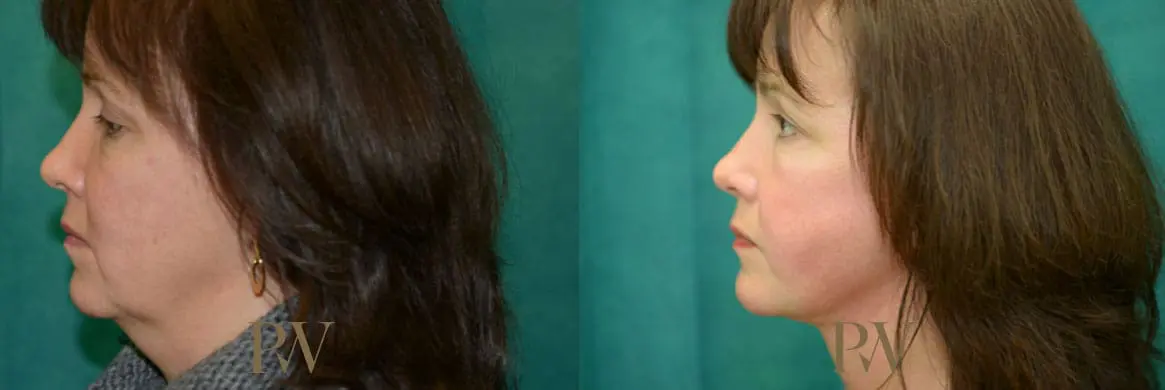
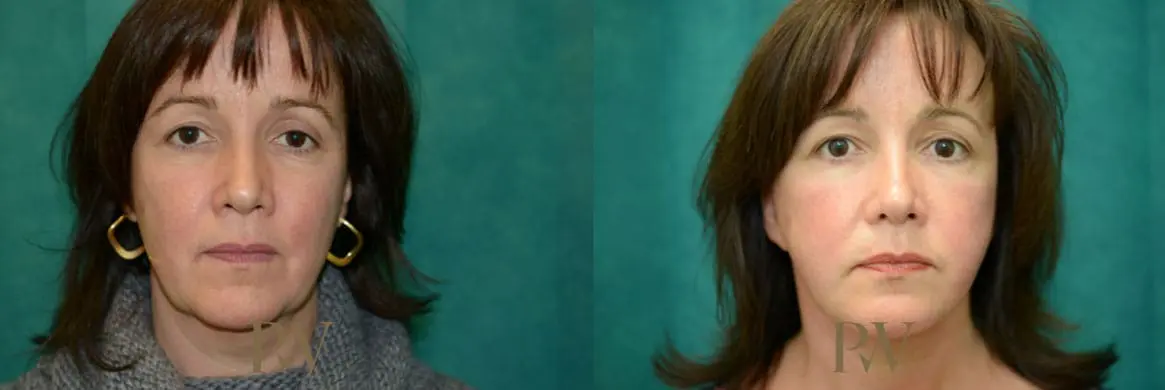
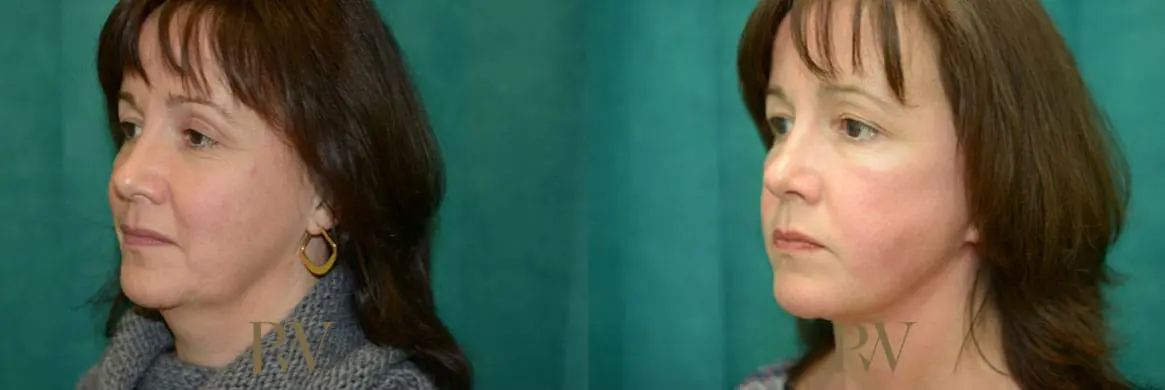
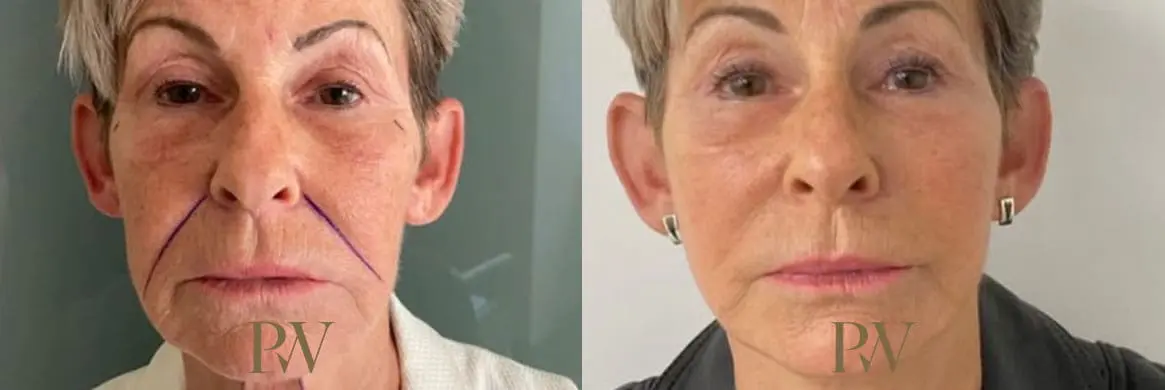
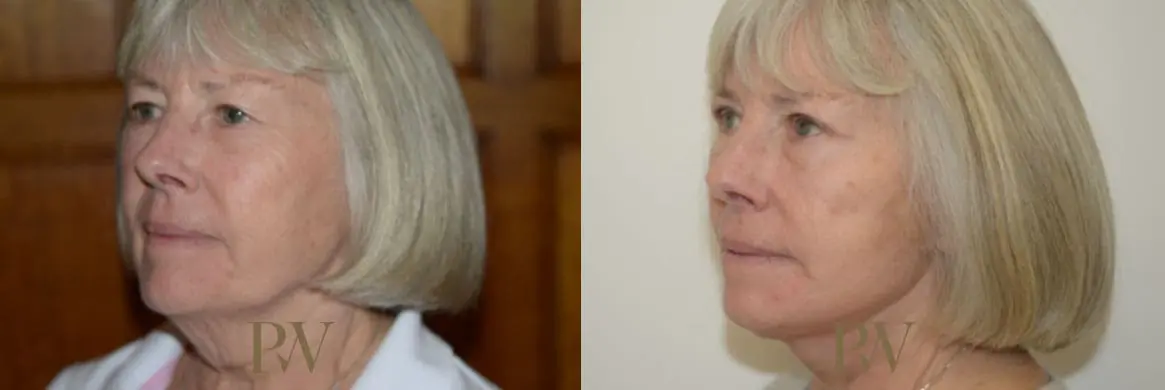
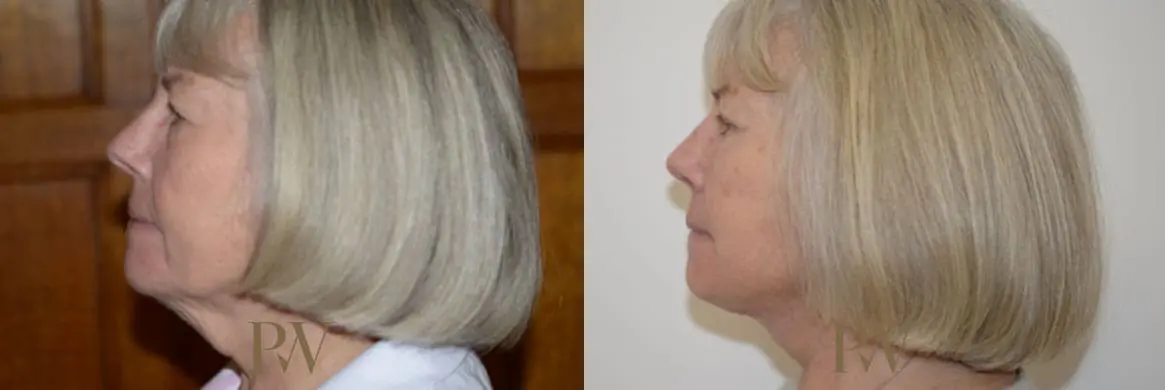
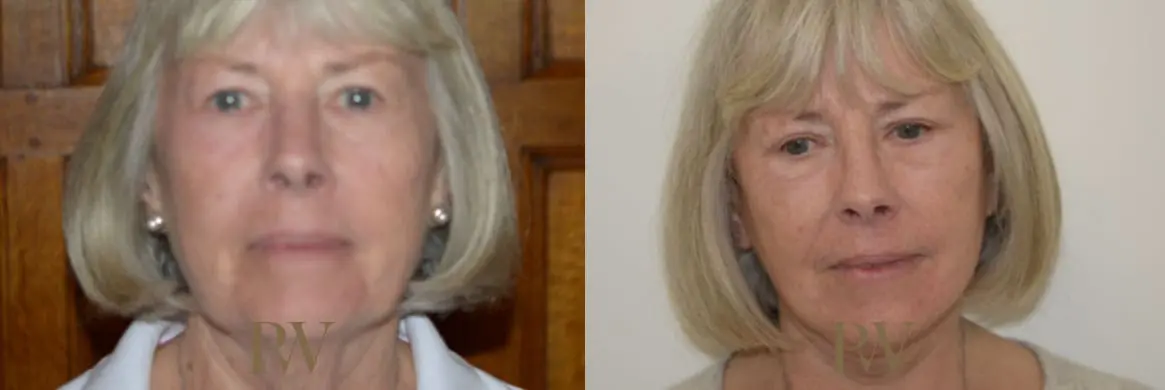
A deep plane facelift is an advanced facial rejuvenation procedure that lifts and repositions the deeper support layers of the face, rather than simply tightening the skin. By working beneath the SMAS layer (the facial muscle and support structure), this technique allows the surgeon to redefine the jawline, smooth out platysmal bands and naturally lift the midface, jowls and lower face, restoring youthful contours with long-lasting, natural-looking results.

Unlike traditional facelifts, which mainly address surface laxity, a deep plane facelift corrects the underlying cause of sagging for a smoother, more refreshed appearance without a tight or over-pulled look.

Deep Plane Face Lift UK | Deep Plane Face List Cost | Deep Plane Face Lift

Types

Types of deep plane facelift

A deep plane facelift can be tailored to target specific areas of the face, depending on where ageing changes are most noticeable. Your surgeon will recommend the most appropriate approach based on your anatomy, skin quality and goals.

Deep plane mid face lift

This technique focuses on the central portion of the face, particularly the cheeks and the area beneath the eyes. It is designed to lift sagging cheek tissue, soften deep folds around the nose and mouth and restore youthful cheek contours.  A deep plane mid-face lift is ideal for patients who notice heaviness or flattening in the upper cheeks but do not yet require a full facial lift.

Deep plane lower face lift

A deep plane lower face lift targets the lower cheeks, jowls and jawline. It is particularly effective for correcting sagging along the jawline, softening jowls and restoring a sharper, more youthful lower facial contour.  This approach is often chosen by patients whose main concern is loss of definition in the lower face.

Full deep plane facelift

A full deep plane facelift combines both mid-face and lower face correction for comprehensive facial rejuvenation. It repositions the deeper tissues across the cheeks, jowls and jawline, creating balanced, natural-looking results across the entire face.

Deep Plane Face Lift UK | Deep Plane Face List Cost | Deep Plane Face Lift

Combinations

Combining a deep plane facelift with facial fat grafting

Facial fat grafting is often performed alongside a deep plane facelift, as the two procedures address the two primary signs of facial ageing:

  • Descent (sagging) – corrected by repositioning the deeper facial tissues with a deep plane facelift
  • Deflation (volume loss) – restored using facial fat grafting

When performed together, these treatments work synergistically to rejuvenate the face. The facelift restores structure and lift, while fat grafting replenishes lost volume in areas such as the cheeks, temples, under-eyes and around the mouth.

benefits

What are the benefits of a deep plane facelift?

A deep plane facelift offers several benefits, including:

candidates

Who is a good candidate for a deep plane facelift?

While many patients seek a deep plane facelift in their 40s and beyond, the right timing varies based on genetics, lifestyle and personal goals. A consultation with your surgeon will determine whether this procedure is appropriate for you.

A deep plane facelift may be suitable for individuals who:

What to expect

What to expect during a deep plane facelift?

Consultation

During your consultation, your surgeon will conduct a thorough assessment of your face and neck, identifying areas of sagging, volume loss and changes in skin quality. They will review your medical history, discuss your aesthetic goals and explain how a deep plane facelift can reposition the deeper facial tissues for a natural, long-lasting lift.

Your surgeon will also outline what to expect during recovery and will provide personalised advice on how to prepare for surgery. Typical incision placement will be discussed, and photographs may be taken to assist with planning and to help guide the surgical approach.

This appointment is your opportunity to ask questions, explore your treatment options and feel fully informed and confident before proceeding.

Anaesthesia and Procedure Time

A deep plane facelift is performed under general anaesthesia. When carried out on its own, the procedure typically takes around three to four hours, depending on the extent of lifting required.

When facial fat grafting is combined with a deep plane facelift, the overall procedure time is usually four to six hours, as both the deep structural lifting of the face and the precise placement of grafted fat are completed in the same operation. Your surgeon will confirm the expected duration of your procedure during your consultation, based on your individual treatment plan.

Surgery

During the procedure, the surgeon works beneath the deeper support layers of the face, gently releasing the ligaments that contribute to sagging. Both the skin and the deeper SMAS layer are lifted together as a single unit, allowing the cheeks, jowls and neck to be repositioned in a natural upward direction. This approach creates a more youthful contour without the tight or “pulled” appearance associated with traditional facelifts.

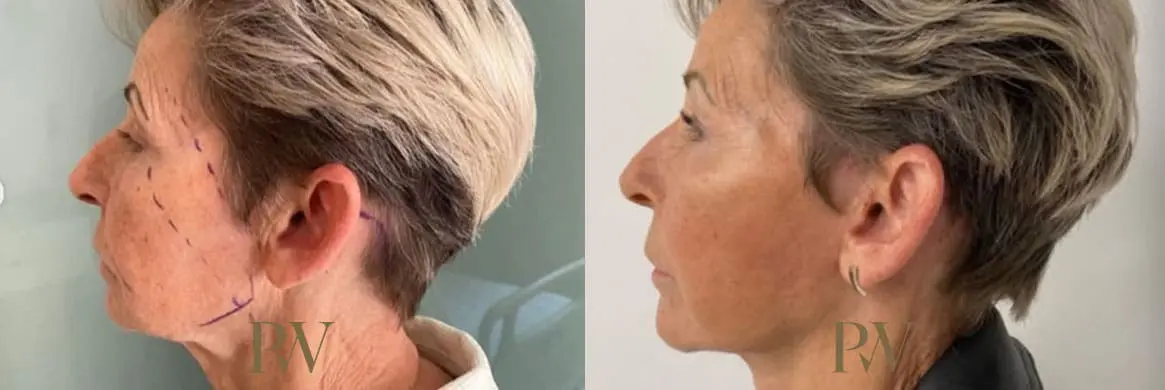
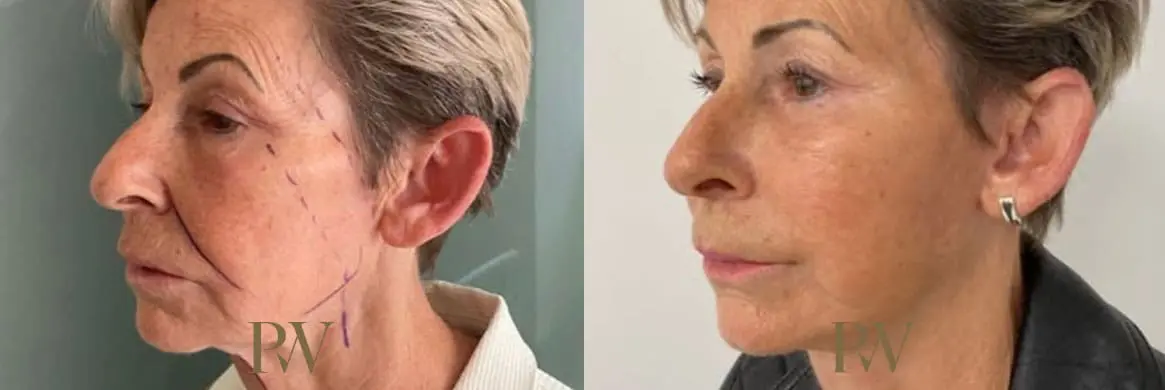
For a deep plane facelift, incisions are carefully placed so they are as discreet as possible, typically within the hairline, around the front of the ear and behind the ear.

Optional: facial fat grafting

When facial fat grafting is performed alongside the deep plane facelift, a small volume of fat is gently harvested from donor areas such as the abdomen, flanks, or thighs using fine cannulas.

The fat is then carefully purified and injected into targeted facial areas such as the temples, cheeks, under-eye region and around the mouth. This restores volume, softens contours and improves overall skin quality.

Closure

Once lifting (and any facial fat grafting) is complete, the facial tissues are carefully re-draped without tension, and the incisions are closed using fine sutures. Temporary drains may be placed to help prevent fluid build-up, and light compression dressings are applied to support healing. In some cases, a haemostatic net may also be used to minimise swelling and reduce the risk of bruising or haematoma.


Recovery

Recovery and results of a deep plane facelift

Recovery varies from person to person and depends on the extent of surgery and whether facial fat grafting has also been performed at the same time.

What to expect

Bruising and swelling are most noticeable in the first few days after surgery and usually peak around day three to four. These effects gradually improve over the following two to three weeks. As swelling reduces, the lifted contours of the face and neck become increasingly visible.

Activity and movement

Light walking is encouraged soon after surgery to support circulation and reduce the risk of complications. Strenuous exercise, heavy lifting and activities that significantly raise your heart rate should be avoided for at least two weeks, or as advised by your surgeon.

Follow-up care and long-term results

Follow-up appointments will be scheduled to monitor your healing and remove sutures if required. The face continues to refine over several months as swelling fully settles and the deeper tissues stabilise. Final results are typically visible between three and six months and are long-lasting, particularly when supported by a healthy lifestyle.

Risks & complications

Risks and potential complications of a deep plane facelift

Your surgeon will discuss all potential risks with you during your consultation to ensure you are fully informed before making any decisions.

As with any surgical procedure, a deep plane facelift carries certain risks. These may include:

Fees

What is the cost of a deep plane facelift?

The cost of a deep plane facelift depends on the complexity of your surgery and whether additional procedures, such as facial fat grafting, are performed at the same time. A personalised quote is provided following your consultation.

While a deep plane facelift may have a higher upfront cost than some other treatments, its long-lasting and comprehensive results often mean fewer future procedures. For many patients, this makes it a valuable long-term investment.

Mr Paul Wilson - FAQ

FAQ

Frequently Asked Questions

In what way does a deep plane facelift differ from a traditional facelift?

A deep plane facelift lifts the deeper facial support layers rather than just tightening the skin. This allows the face to be repositioned more naturally, avoiding the tight or stretched look that can occur with traditional facelifts. The result is a softer, more youthful and longer-lasting outcome.

Initial recovery usually takes 2 to 3 weeks, during which swelling and bruising gradually settle. Many patients return to light daily activities after around two weeks. The face continues to refine over several months as deeper tissues fully heal.

Results typically last 10 to 15 years or longer. While ageing continues naturally, the deeper structural lift achieved with a deep plane facelift allows the improvements to remain visible for many years.

A deep plane facelift is carried out under general anaesthesia. Carefully placed incisions allow the surgeon to lift and reposition the deeper tissues of the face before re-draping the skin without tension.
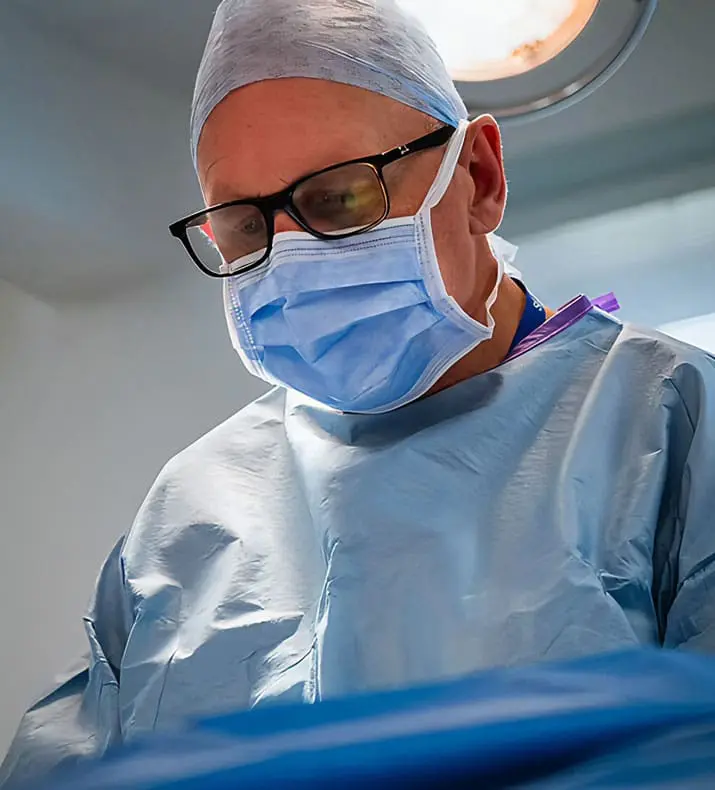
When performed on its own, the procedure usually takes three to four hours. If combined with facial fat grafting or additional lifting procedures, surgery may take longer.

The deep plane facelift uses carefully placed incisions that follow natural contours of the face and ears, including within the hairline, in front of the ear and behind the ear. Once healed, these scars are designed to be discreet and typically blend well into the natural skin creases and hairline, making them difficult to notice.

Paul Wilson Aesthetics - Schedule your consultation

Schedule your consultation

Book a consultation with Paul Wilson Aesthetics

Patients choose Paul Wilson Aesthetics not only for the team’s surgical expertise, but also for their thoughtful, honest and patient-centred approach to aesthetic care. To get started, book a consultation where our team will discuss your concerns, outline your goals and determine if a deep plane facelift is the right option for you.

Schedule your consultation